George Chandra Eka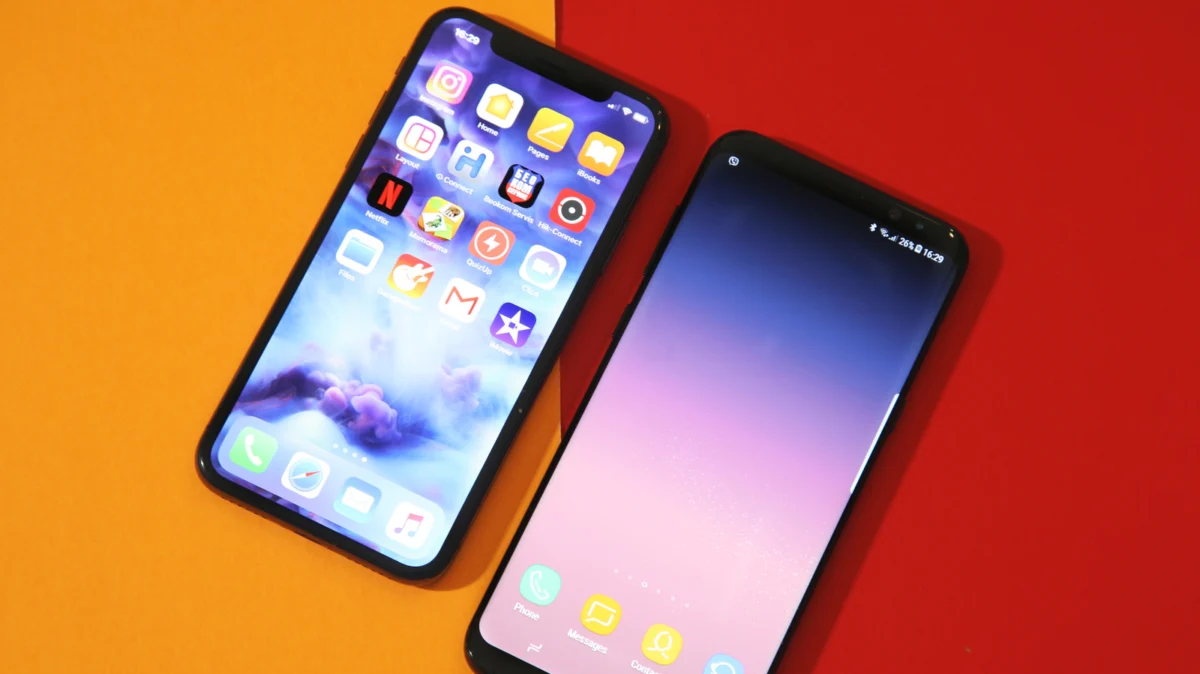
The proliferation of personal electronic devices, particularly smartphones, has ushered in an era of unprecedented connectivity and technological advancement. However, this rapid innovation cycle also contributes to a burgeoning global challenge: electronic waste. Tucked away in drawers, forgotten in cupboards, or simply deemed obsolete, countless functional smartphones gather dust, their potential untapped. A growing movement, however, is advocating for a simple yet ingenious solution to this issue, while simultaneously addressing a common household need: transforming these dormant devices into fully functional, cost-effective home security cameras. This method offers a compelling blend of environmental responsibility, economic prudence, and enhanced personal security, making the once-discarded smartphone a valuable asset once more.
The Growing Challenge of Electronic Waste
The lifecycle of a modern smartphone is notoriously short, often dictated more by consumer upgrade cycles and perceived obsolescence than by actual device failure. Industry reports indicate that the average smartphone user upgrades their device every 2-3 years, leading to a massive accumulation of older models. According to the United Nations’ Global E-waste Monitor, the world generated a staggering 62 million metric tons of e-waste in 2022, a figure projected to rise significantly in the coming years. This waste stream includes a substantial volume of small IT and telecommunication equipment, with smartphones being a prominent component. The environmental impact is profound: e-waste contains hazardous materials like lead, mercury, and cadmium, which can contaminate soil and water if not properly managed. Furthermore, the extraction of raw materials for new devices is energy-intensive and resource-depleting. Repurposing devices, rather than discarding them, directly contributes to the circular economy, extending product lifespan and reducing the demand for new manufacturing. This approach not only mitigates environmental damage but also conserves valuable resources.
The Evolution of Home Security: A Market Overview
The landscape of home security has undergone a dramatic transformation over the past decade. Traditional, professionally installed, and often expensive wired systems have been increasingly supplemented, and in some cases supplanted, by smart home security solutions. These modern systems offer greater flexibility, DIY installation, and remote monitoring capabilities, often accessible via smartphone apps. The global smart home security market is experiencing robust growth, with analysts projecting its value to reach tens of billions of dollars by the mid-2020s. This growth is driven by rising consumer awareness of security needs, technological advancements making systems more user-friendly, and a desire for affordable options. However, even entry-level dedicated security cameras can represent a significant investment for many households, typically ranging from $30 to over $200 per unit, not including potential subscription fees for advanced features or cloud storage. This financial barrier often leaves many homes without adequate surveillance. The concept of repurposing an old smartphone directly addresses this gap, democratizing access to surveillance technology and making home security more attainable for a broader demographic.
Unlocking Potential: Why Your Old Phone is a Perfect Candidate
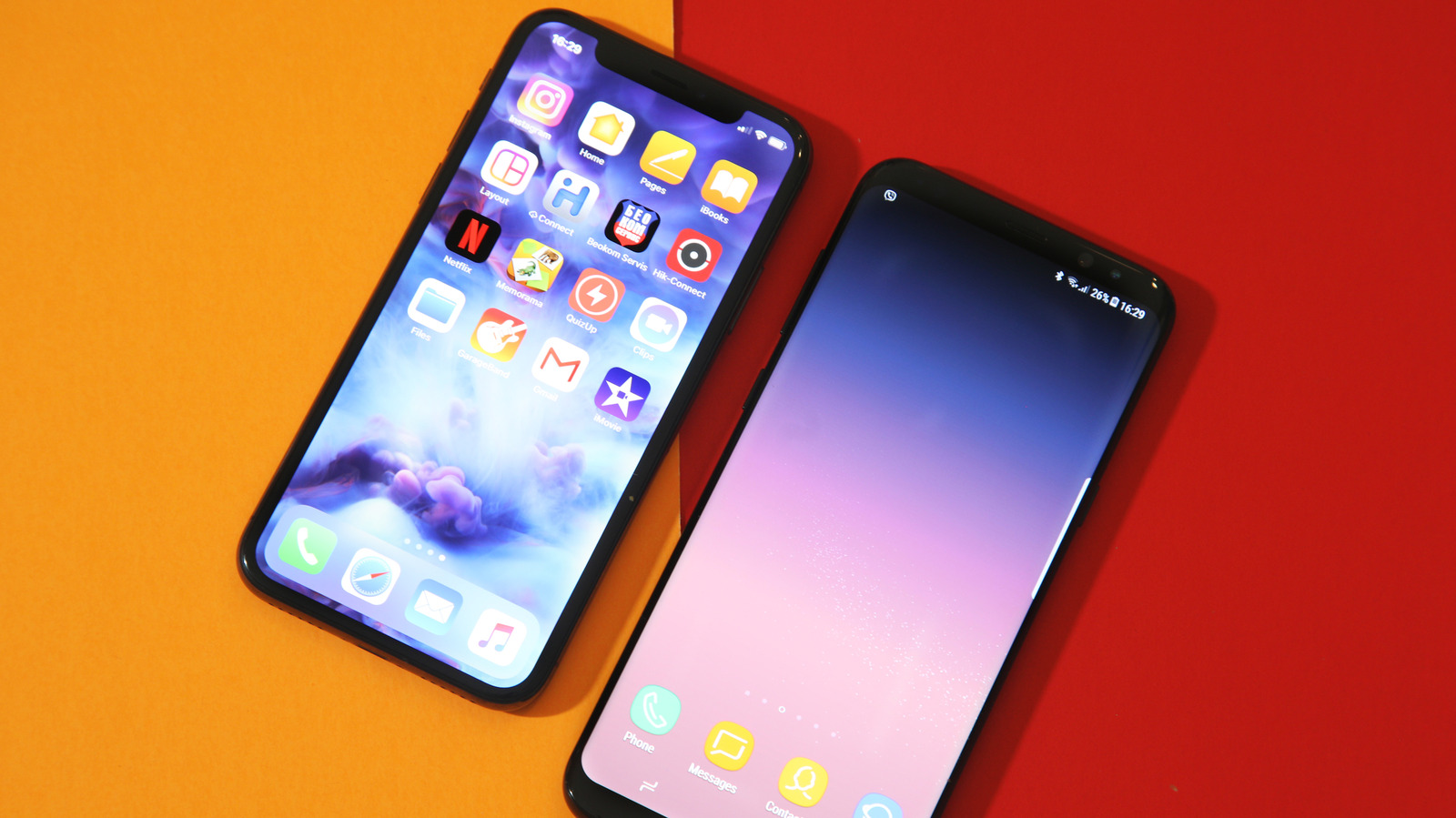
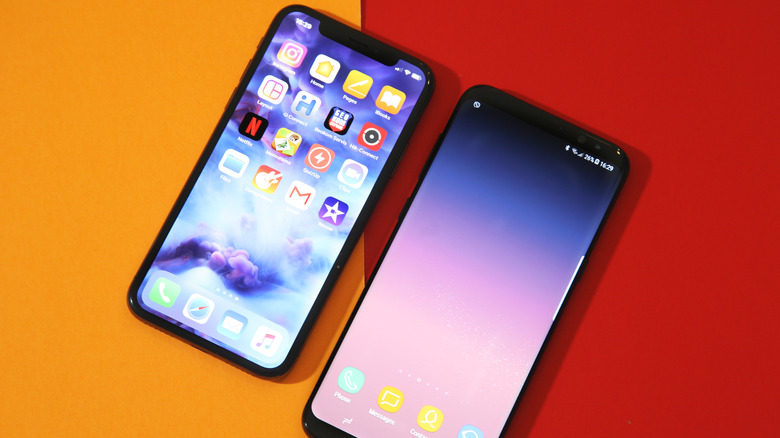
At its core, a smartphone is a sophisticated, miniature computer equipped with an array of sensors and communication tools. This inherent versatility makes it an ideal candidate for repurposing as a security camera. Key components that render an old smartphone highly suitable include:
- High-Quality Camera: Even older smartphones often boast cameras capable of capturing high-definition video, far superior to many basic dedicated security cameras. Both front and rear cameras can be utilized, offering flexibility in surveillance angles.
- Integrated Microphone: Essential for capturing audio alongside video, providing a more comprehensive security feed.
- Wi-Fi Connectivity: Enables seamless streaming of video and audio over a home network, allowing for remote monitoring. Mobile data connectivity also offers an alternative for locations without Wi-Fi.
- Processing Power: Sufficient to run dedicated security camera applications, perform basic video compression, and manage network communication.
- Built-in Display and Speakers: Facilitate two-way communication features, often a premium offering in dedicated cameras.
- Compact Size and Portability: Allows for discreet placement and easy relocation as surveillance needs change.
These integrated features mean that the essential hardware for a surveillance system is already present, eliminating the need for additional purchases beyond potentially a charging cable and a simple mount.
The AlfredCamera Solution: A Deep Dive into Setup
The process of transforming an old smartphone into a security camera is remarkably straightforward, often taking less than five minutes. While several applications offer this functionality, AlfredCamera stands out for its user-friendliness, cross-platform compatibility (iOS and Android), and robust free features. Its widespread adoption, with millions of downloads globally, underscores its effectiveness and accessibility.
The initial step involves downloading the AlfredCamera app on two devices: your current, primary smartphone (which will serve as the "Viewer") and the old smartphone you intend to repurpose (the "Camera"). The application guides users through a clear setup process:
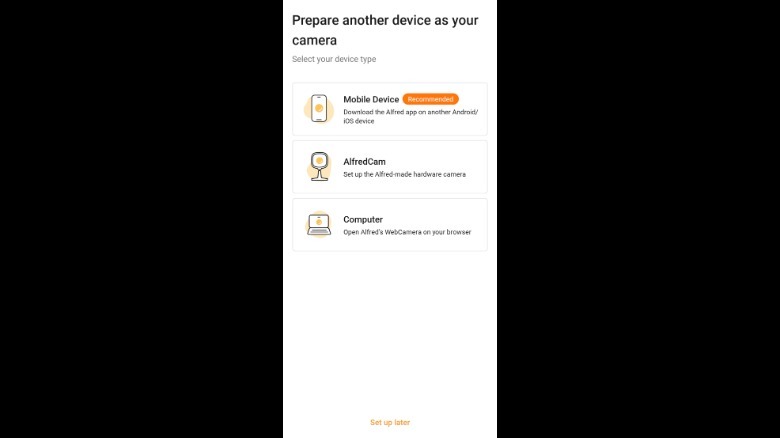
- Installation on Primary Device: On your main phone, open the AlfredCamera app. New users will be prompted to sign up, typically using a Google account for ease of integration. Once logged in, navigate to the "Prepare another device as your camera screen" section and select "Mobile Device."
- Pairing the Devices: The app will then present two pairing options:
- Log into the Same Account: The simplest method, requiring you to use the exact same Google account (or other chosen login) on both the viewer and camera devices.
- Scan a QR Code: A convenient alternative, where the primary phone displays a QR code, which is then scanned by the camera phone to establish a secure link.
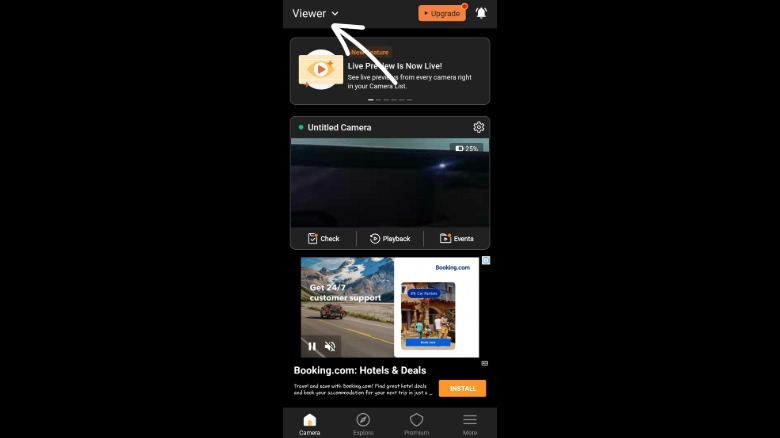
- Configuring Device Roles: Crucially, once paired, ensure that your primary phone is designated as the "Viewer" and your old phone as the "Camera" within the app settings. This distinction is vital for proper functionality. The "Viewer" device will then display a live feed and control options for the "Camera" device.
Upon successful completion of these steps, your old smartphone immediately begins functioning as a security camera, streaming live video and audio directly to your primary device. The simplicity of this setup has been a key factor in AlfredCamera’s popularity, making advanced home security accessible even to those with minimal technical expertise.
Maximizing Your DIY Security Camera’s Performance and Lifespan
While the initial setup is quick, optimizing your repurposed security camera for continuous, reliable operation requires a few additional considerations:
- Continuous Power Supply: A common characteristic of older phones is degraded battery life. For uninterrupted surveillance, positioning the camera near a power outlet is paramount. Leaving the device continuously plugged in ensures it never runs out of charge. If direct proximity to an outlet isn’t feasible for optimal camera angle, a long, durable charging cable can bridge the distance effectively.
- Strategic Placement and Mounting: The angle and location of your camera significantly impact its effectiveness. Consider purchasing an inexpensive phone stand or mount to gain flexibility in positioning. Options range from simple desk stands to flexible tripods that can wrap around objects, or even wall mounts. The goal is to achieve a clear, unobstructed view of the area you wish to monitor.
- Factory Reset for Security and Performance: Before deploying your old phone as a permanent security camera, a factory reset is highly recommended. While not strictly necessary for the app to function, it offers significant benefits:
- Data Security: Wipes all personal data, accounts, saved passwords, and sensitive information from the device, mitigating privacy risks since the phone will be continuously connected to your network.
- Performance Enhancement: Frees up internal storage, which can be crucial for local recordings if cloud storage is limited, and eliminates background processes from old apps, improving the phone’s overall stability and responsiveness.
- Clean Slate: Ensures the device is dedicated solely to its security camera function, reducing potential conflicts or resource drain from other applications.
- Disabling Battery Optimization: Both Android and iOS operating systems incorporate battery optimization features designed to conserve power by restricting background app activity. For a security camera app that needs to run 24/7, this feature can be counterproductive. Access your phone’s battery settings and disable optimization specifically for the AlfredCamera app. This ensures the app remains active and continuously streams, preventing it from being inadvertently closed by the operating system.
- Environmental Protection (Weatherproofing): If you plan to position the camera in a location exposed to the elements, such as a porch or garage window, consider weather-proofing. A clear, waterproof phone case can offer some protection. However, for true longevity and reliability, mounting the phone just inside a window, facing outwards, is often a more practical and safer approach than direct outdoor exposure. This protects the device from extreme temperatures, rain, and humidity while still providing surveillance.
Beyond the Basics: Advanced Features and Premium Options
AlfredCamera’s appeal extends beyond its simple setup, offering a robust set of features even in its free tier, which can be further enhanced through premium subscriptions.
The free plan includes:
- Live Video Feed: Real-time monitoring from your viewer device.
- Motion Detection Alerts: Notifies you when movement is detected in the camera’s field of view.
- Two-Way Talk: Allows you to speak through the camera phone’s speaker and hear audio from its microphone, useful for communicating with family members, pets, or deterring intruders.
- Full-Volume Siren Alarm: A remote-activated siren on the camera device to scare off intruders.
- Low-Light Mode: Enhances visibility in dimly lit environments.
- Camera Switching/Rotation: Remotely switch between front/rear cameras or adjust orientation.
For users requiring more advanced capabilities, AlfredCamera offers tiered premium subscriptions:
- Alfred Premium (Standard): Typically priced around $5.99/month, this plan expands functionality significantly. It allows for up to four cameras (up from two in the free plan), enables High-Definition (HD) streaming for clearer video, provides an eight-hour recording loop, offers 14-day cloud storage for captured events, and introduces intelligent person, vehicle, and pet detection, reducing false alarms.
- Alfred Premium Plus: At approximately $7.99/month, this top-tier plan removes the camera limit entirely, provides Full HD streaming, offers unlimited recording capabilities, and extends cloud storage to 30 days.
These subscription options allow users to scale their security solution according to their specific needs and budget, showcasing the versatility of a repurposed smartphone system compared to the often rigid feature sets of dedicated devices.
The Socio-Economic and Environmental Implications
The practice of repurposing old smartphones for security cameras carries significant implications across several domains:
- Economic Impact: The most immediate benefit is financial savings for consumers. By leveraging existing hardware, individuals can avoid the upfront cost of dedicated security cameras, which can range from dozens to hundreds of dollars per unit. This cost-effectiveness makes home security accessible to a broader demographic, including renters, students, and budget-conscious homeowners who might otherwise forgo such protection. For the broader market, this trend could potentially impact the sales of entry-level security cameras, encouraging manufacturers to innovate further or focus on higher-end features.
- Environmental Sustainability: As previously discussed, extending the life of electronic devices directly combats the global e-waste crisis. Each smartphone repurposed is one less device destined for a landfill or energy-intensive recycling process. This aligns with principles of the circular economy, promoting resource efficiency and reducing the environmental footprint associated with electronics manufacturing and disposal.
- Accessibility and Democratization of Security: By lowering the financial and technical barriers to entry, this solution democratizes access to security technology. It empowers individuals to take a more proactive role in monitoring their homes and properties, regardless of income level or technical expertise. This heightened sense of security can contribute to greater peace of mind within communities.
- Technological Innovation: The ability to repurpose general-purpose devices for specialized functions highlights the inherent versatility of modern technology. It underscores a broader trend where software innovation unlocks new applications for existing hardware, challenging traditional notions of product obsolescence.
Addressing Security and Privacy Concerns
While highly beneficial, repurposing devices for surveillance also necessitates careful consideration of security and privacy:
- Data Privacy: A primary concern is ensuring all personal data is removed from the old phone before it becomes a security camera. As noted, a factory reset is crucial. Users should also be mindful of the app’s privacy policy, understanding how video data is stored, transmitted, and accessed.
- Network Security: The camera phone will be constantly connected to your home Wi-Fi network. It’s essential to ensure your Wi-Fi network is secured with a strong, unique password and up-to-date encryption (WPA2 or WPA3). Any device connected to your network, especially one running continuously, could potentially be a vector for unauthorized access if not properly secured.
- Physical Security: The physical placement of the camera should be considered. While it offers surveillance, the device itself could be stolen or tampered with. Securing it in a discreet or hard-to-reach location is advisable.
- Ethical Considerations: Users must be mindful of privacy laws and ethical considerations, particularly when placing cameras in shared spaces or areas that might inadvertently capture public property. Transparency is key, especially if others live in or visit the monitored premises.
Expert Perspectives and Future Outlook
Tech analysts and environmental advocates largely commend the practice of repurposing old smartphones. "The ingenuity of turning a discarded device into a valuable security tool perfectly encapsulates the spirit of sustainable technology," states Dr. Anya Sharma, a leading expert in electronics recycling. "It’s a simple act with significant positive implications for both individual consumers and the planet." Consumer advocacy groups also emphasize the cost-saving aspect. "For many households, the cost of dedicated security systems remains prohibitive," comments Mark Jensen of the Consumer Tech Alliance. "Solutions like AlfredCamera provide an accessible entry point to home security that was once out of reach, but users must prioritize data hygiene and network security."
The trend of repurposing is likely to continue as consumers become more environmentally conscious and seek creative ways to maximize the utility of their electronics. As smartphone camera technology continues to advance, even older models will retain significant surveillance capabilities for years to come. This not only challenges the linear ‘buy-use-dispose’ model of consumption but also fosters a more resourceful and sustainable approach to technology use in the smart home era.
In conclusion, the solution to enhancing home security and reducing electronic waste might be closer than you think. That dusty smartphone tucked away in a drawer is not merely an outdated gadget; it’s a powerful, versatile tool waiting to be rediscovered. With minimal effort and the right application, it can be transformed into a vigilant digital guardian, offering peace of mind while contributing to a more sustainable future.