George Chandra Eka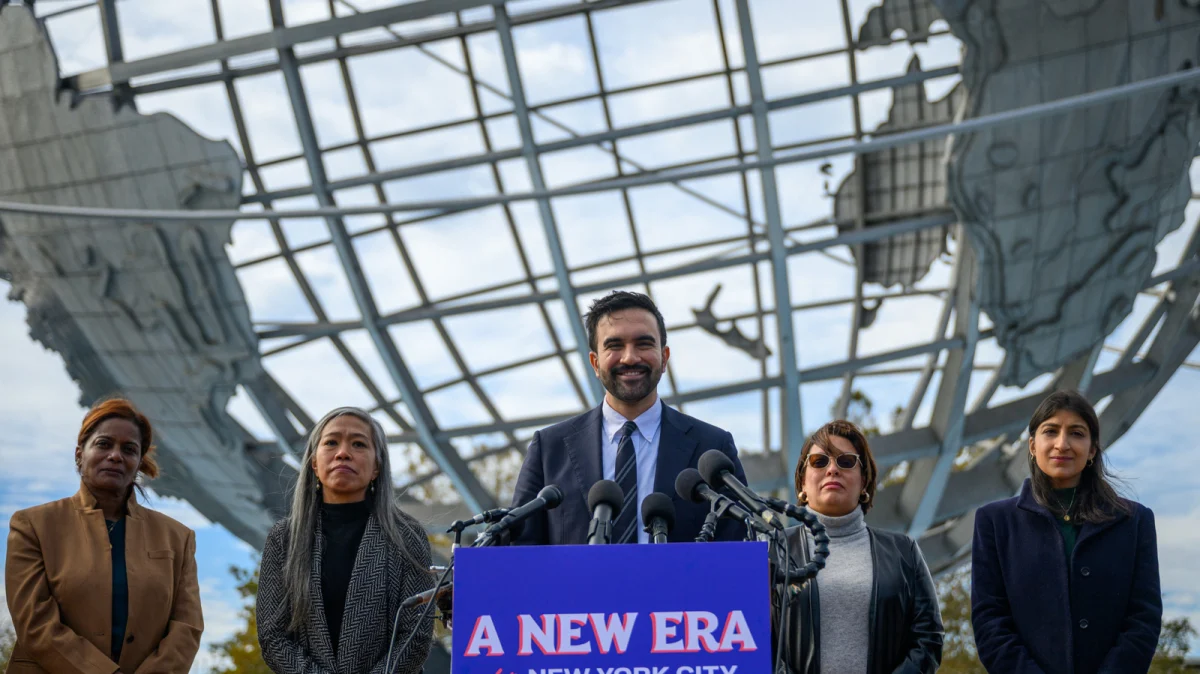
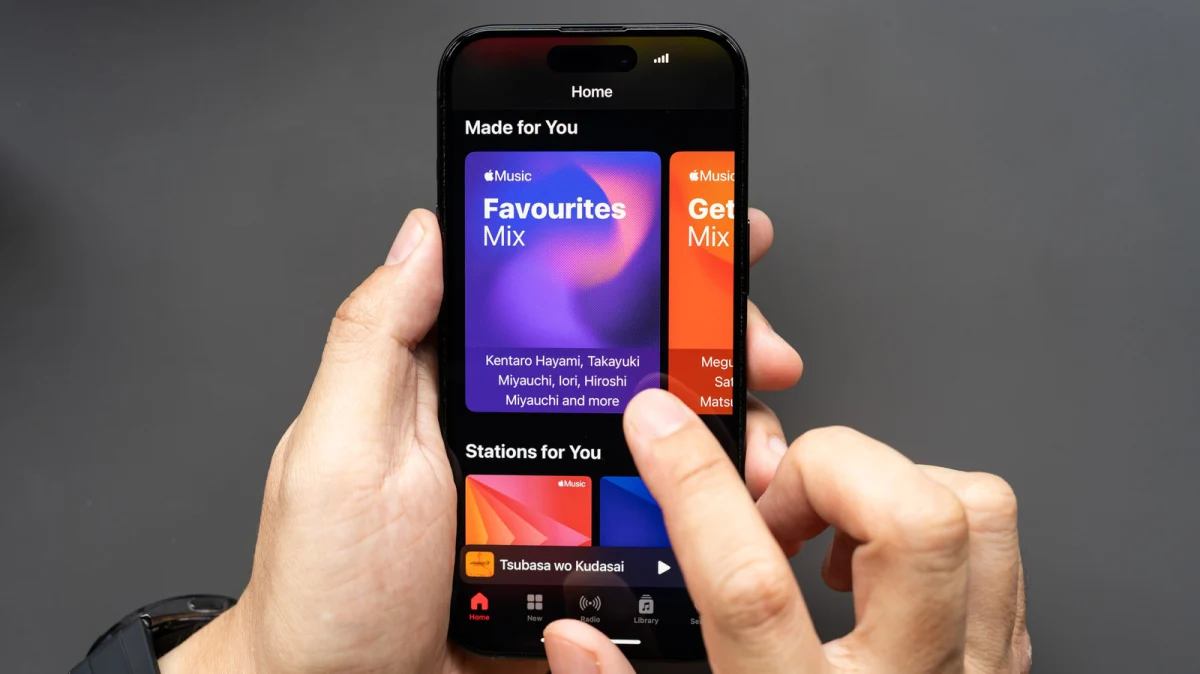
New York City’s groundbreaking "click-to-cancel" rule is now officially in effect, marking a significant victory for consumer rights and setting a new standard for businesses operating within the five boroughs. Spearheaded by Mayor Zohran Mamdani, who first announced the pioneering legislation in July, the mandate directly confronts the pervasive issue of "subscription traps" – practices where companies make it deceptively easy to sign up for services online but extraordinarily difficult to cancel them. This initiative positions New York City at the forefront of a growing national movement to curb exploitative business tactics in the digital age.
The Genesis of a Groundbreaking Mandate
The rule’s implementation culminates months of legislative work aimed at rebalancing the power dynamic between consumers and businesses offering subscription-based services. Mayor Mamdani’s administration, recognizing the widespread frustration caused by opaque cancellation processes, moved to enact a clear, enforceable standard. "As the name suggests, the rule forbids companies from letting you breezily click on a few boxes to sign up online, while requiring you to navigate a byzantine network of phone calls and carrier pigeons to unsubscribe," the city articulated in a recent blog post, underscoring the legislation’s core intent.
This initiative comes as a direct response to a common complaint among consumers: the stark asymmetry in effort required to initiate versus terminate a service. From fitness centers to streaming platforms and software subscriptions, countless individuals have found themselves entangled in what has been described as a "Kafka-esque maze" of phone calls, mandatory in-person visits, retention specialists, and convoluted online portals designed to deter cancellation. These "dark patterns," as they are often termed in consumer protection circles, exploit psychological biases and technological friction to maintain recurring revenue, often at the expense of consumer autonomy and financial well-being. The NYC Office of Technology and Innovation, in collaboration with the Department of Consumer and Worker Protection (DCWP), played a crucial role in developing the framework for this new regulation and establishing the necessary infrastructure for its enforcement.
A National Call for Simplicity: The Broader Regulatory Landscape
New York City’s "click-to-cancel" rule is notable for being the first municipal regulation of its kind in the United States, carving out a new path for local governments to address complex consumer protection issues traditionally handled at the state or federal level. While unprecedented at the city level, the concept of easy cancellation is not entirely new to regulatory discussions.
The push for such protections has a rich, albeit often challenging, history at the national level. Former Federal Trade Commission (FTC) Chair Lina Khan, a prominent advocate for robust consumer protections and anti-monopoly enforcement, had previously proposed similar national "click-to-cancel" protections. These federal efforts aimed to streamline cancellation processes across the board, providing a uniform standard for businesses operating nationwide. However, these ambitious plans faced significant headwinds. The proposed federal protections were ultimately halted by President Trump’s administration at the FTC and further struck down by a federal appeals court, underscoring the political and legal complexities inherent in enacting such sweeping regulations.
The connection between these past federal efforts and NYC’s current rule is more than coincidental. Lina Khan, a staunch ally in the fight for consumer rights, now serves in the Mamdani administration as the unpaid chair of the board of directors for the New York City Economic Development Corporation. Her expertise and commitment to combating exploitative business practices have undoubtedly influenced the design and scope of NYC’s legislation, demonstrating a continued dedication to these principles even after federal avenues were closed.
Beyond the federal attempts, some U.S. states have also begun to implement their own regulations to combat subscription traps. California, for instance, has a notable Automatic Renewal Law (ARL) that requires businesses to clearly disclose automatic renewal terms and provide an easy-to-use cancellation mechanism. Other states like Colorado, Illinois, and Vermont have also enacted various provisions to protect consumers from deceptive auto-renewal practices. While these state laws provide a patchwork of protections, NYC’s rule distinguishes itself by mandating the "same method as sign-up" for cancellation, offering a more direct and arguably more potent weapon against obfuscation. The city’s bold move could inspire other municipalities to follow suit, potentially leading to a more comprehensive network of local consumer safeguards across the nation.
Decoding the Rule: Key Provisions and Requirements for Businesses
Effective immediately, the "click-to-cancel" rule imposes several critical obligations on businesses operating within New York City that offer subscription services. Enforcement of these provisions falls under the purview of the New York City Department of Consumer and Worker Protection (DCWP), an agency empowered to ensure fair and safe business practices.
Businesses found in violation of the new legislation will face civil penalties, starting at $525 per infraction. Beyond fines, the rule also opens the door for consumers to potentially receive refunds for money that has been unjustly "scooped out of their bank accounts" due to difficult or delayed cancellations. This financial recourse provides a powerful incentive for businesses to comply and offers tangible relief for consumers who have been victims of these practices.
Specifically, the rule mandates the following:
- Clear Explanation of Subscription Terms: Companies must provide consumers with clear, concise, and unambiguous explanations of all subscription terms and conditions before they commit to a purchase. This includes pricing, duration, renewal terms, and cancellation policies. The aim is to eliminate hidden clauses and ensure full transparency.
- Disclosure of Consumer Rights: Businesses must explicitly disclose any and all consumer rights related to buying or canceling subscriptions. This empowers consumers with knowledge of their entitlements and the processes available to them.
- Straightforward Cancellation Process: Crucially, businesses are now required to provide a cancellation process that is "in the same method as sign-up." If a consumer can sign up for a service with a few clicks online, they must be able to cancel it with a similar level of ease and accessibility. This directly targets the common practice of requiring phone calls, emails, or in-person visits for online-initiated subscriptions.
- Prohibition on Returning Free Items: Businesses cannot demand that consumers ship back items that were initially provided for free as part of a promotional offer or sign-up incentive when canceling a subscription. This prevents companies from adding an additional barrier or cost to the cancellation process.
The implications for a wide array of industries are immediate and significant. Gyms, notorious for their often-complex cancellation policies, are explicitly mentioned in the rule’s context. Facilities like Planet Fitness, Crunch, and La Fitness, which operate extensively within NYC, will need to swiftly revise their membership termination procedures to align with the new regulations. Beyond fitness centers, the rule will impact streaming services, software providers, digital news subscriptions, meal kit deliveries, and virtually any business model that relies on recurring payments initiated digitally.
The Scourge of Subscription Traps: Background and Economic Impact
The "click-to-cancel" rule directly addresses "dark patterns"—interface designs crafted to trick users into doing things they might not otherwise do, often benefiting the business at the consumer’s expense. In the context of subscriptions, these patterns manifest as pre-checked boxes, confusing navigation, hidden cancellation links, or requiring multiple steps and interactions to unsubscribe.
The prevalence of these practices is staggering. A 2022 survey by the consumer advocacy group, Consumer Reports, found that nearly one-third (31%) of Americans reported having trouble canceling a subscription service. Furthermore, a significant portion of consumers reported being unknowingly subscribed to services or finding themselves paying for subscriptions they no longer wanted due to the difficulty of cancellation. While specific NYC-level data on financial losses is not readily available, national estimates suggest that consumers collectively lose billions of dollars annually to unwanted or forgotten subscriptions. A study by West Monroe found that Americans estimate they spend $219 a month on subscriptions, often underestimating the actual cost, and that 42% admit to forgetting about subscriptions they pay for.
The financial toll on individual consumers can be substantial. These hidden charges and involuntary payments can disrupt personal budgeting, lead to overdraft fees, and erode trust in businesses. For low-income individuals or those living paycheck to paycheck, even small, unwanted recurring charges can have significant financial consequences. Ethically, these practices raise serious concerns about corporate responsibility and the exploitation of consumer psychology for profit. While businesses argue that subscription models provide stable revenue and customer loyalty, the line between legitimate retention strategies and deceptive practices has often been blurred. The "click-to-cancel" rule aims to redraw that line clearly.
Empowering Consumers: The Complaint Mechanism
Recognizing that a rule is only as effective as its enforcement, the Mamdani administration has ensured that consumers have an accessible and straightforward method to report violations. The city has launched an online complaint form specifically for "click-to-cancel" issues, available through the DCWP website.
This portal empowers New Yorkers to easily report instances where they found it hard to cancel a subscription, if a business delayed their cancellation, or if any of the other provisions of the rule were violated. This direct line of communication between consumers and the DCWP is critical. It transforms individual frustrations into actionable data for regulators, enabling targeted enforcement against non-compliant businesses. The ease of reporting is a fundamental aspect of shifting power dynamics, giving consumers a tangible tool to hold companies accountable.
Reactions and Implications: A Mixed Bag
The implementation of New York City’s "click-to-cancel" rule is expected to elicit a range of reactions from various stakeholders, reflecting the complex interplay between consumer protection and business interests.
Consumer Advocates: Organizations dedicated to consumer rights, such as Consumer Reports, Public Citizen, and the New York Public Interest Research Group (NYPIRG), are likely to laud this rule as a landmark victory. They will celebrate it as a crucial step towards greater transparency, fairness, and consumer empowerment in the digital marketplace. Advocates will likely highlight the rule’s potential to save New Yorkers millions of dollars annually and reduce the stress associated with managing digital subscriptions. They may also use NYC’s success as a template to advocate for similar legislation in other cities and states.
Business Community: The reaction from various business associations and individual companies is anticipated to be more nuanced. While reputable businesses that already prioritize clear cancellation processes may face minimal disruption, others, particularly those that have relied on "dark patterns" for customer retention, will likely express concerns. Groups like the New York City Chamber of Commerce or industry-specific associations (e.g., for fitness or software companies) might raise issues regarding:
- Compliance Costs: The expense of re-designing online interfaces, training customer service staff, and updating internal policies to meet the new requirements.
- Operational Challenges: The logistical complexities of implementing a "same method as sign-up" cancellation across diverse platforms and legacy systems.
- Impact on Revenue Models: Concerns that easier cancellations could lead to higher churn rates and affect predictable recurring revenue streams, particularly for businesses that rely on customer inertia.
- Regulatory Fragmentation: Businesses operating nationwide may lament the growing patchwork of state and municipal regulations, arguing for a more uniform national standard to avoid a confusing compliance landscape.
Despite these potential concerns, the rule could also push businesses towards more ethical and transparent practices, ultimately fostering greater consumer trust and potentially leading to stronger, more loyal customer relationships in the long run.
Potential for Domino Effect: New York City’s leadership in this area could create a "domino effect." Other progressive cities and states, seeing NYC’s initiative and its positive impact on consumer welfare, may be encouraged to introduce similar legislation. This could lead to a broader shift in how subscription services are managed across the country, prompting a re-evaluation of business practices on a larger scale. However, this could also lead to further regulatory fragmentation, which some businesses might find challenging.
Challenges and Future Outlook: The long-term success of the "click-to-cancel" rule will depend on consistent enforcement by the DCWP and the city’s ability to adapt to evolving business models and potential attempts by companies to circumvent the spirit of the law. There may also be legal challenges from businesses arguing the rule is overly burdensome or exceeds municipal authority. Nevertheless, the rule represents a significant step forward in the ongoing effort to ensure that digital commerce remains fair, transparent, and consumer-friendly. It underscores a fundamental principle: that consumers should have as much agency in ending a service as they do in starting one.
Conclusion: A Blueprint for Fairer Digital Commerce
New York City’s implementation of the "click-to-cancel" rule is a pivotal moment in consumer protection, solidifying its position as a leader in combating deceptive business practices. By directly addressing the frustrating and often costly phenomenon of subscription traps, Mayor Mamdani’s administration has empowered millions of New Yorkers with the right to easily terminate services they no longer desire.
This landmark municipal regulation, influenced by the dedicated advocacy of figures like Lina Khan, sets a powerful precedent. It sends a clear message to businesses that ease of access must be matched by ease of exit. While challenges in compliance and potential business reactions are anticipated, the overarching goal remains the fostering of a fairer and more transparent digital marketplace. As other jurisdictions observe New York City’s initiative, this rule could serve as a vital blueprint for a new era of consumer-centric digital commerce across the nation, where the power of choice truly rests with the consumer, not hidden behind convoluted cancellation processes.