Vera Intan Clara
The Incident: A Customer’s Standoff Against Tipping Norms
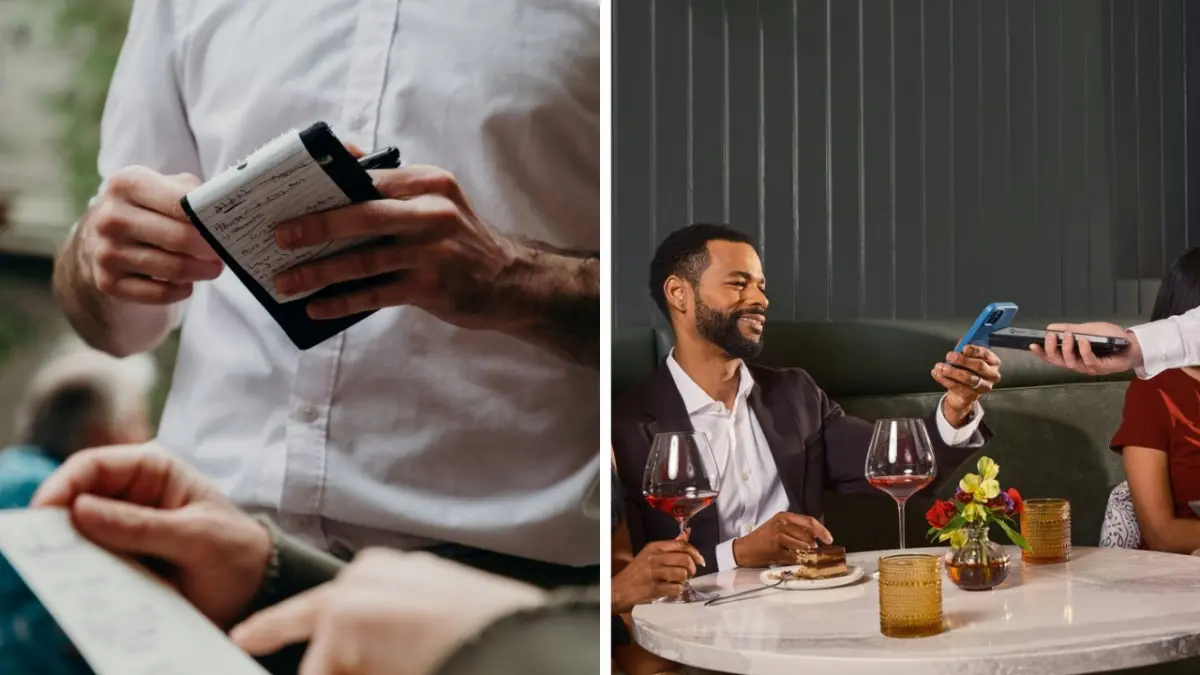
The user, posting under the thread title “Tried not tipping for the first time in my life… epic fail, pls help,” recounted an experience involving five friends at a restaurant. The group ordered pizza and a bottle of tequila, with each individual settling their portion of the bill separately. The original poster (OP) explicitly stated their intention to leave the tip line blank on their check, driven by a principled opposition to the prevailing tipping culture. This decision, however, quickly led to an unexpected and uncomfortable exchange.
According to the Redditor’s account, the waitress approached one of their friends, directly pointing out the absence of a tip on the OP’s bill. The public nature of this confrontation reportedly caused significant embarrassment for the group. In an effort to diffuse the tension, the friend, after the waitress had moved away, reluctantly handed over $10 to cover the missing gratuity. This gesture, while resolving the immediate situation, did not quell the internal conflict within the group.
The incident further escalated into an argument between the OP and another friend who had prior experience working as a server. This friend reportedly accused the OP of directly harming restaurant workers by withholding a tip, emphasizing the financial reliance many service professionals have on gratuities. The OP countered this argument by asserting that employers, rather than customers, should be responsible for paying their staff a living wage, thereby shifting the onus of fair compensation. The entire experience left the Redditor feeling frustrated and publicly shamed, leading them to admit that they would likely conform to tipping norms in the future to avoid similar altercations. Despite this admission, the OP sought validation and advice from the Reddit community, questioning whether their handling of the situation was fundamentally incorrect.
Chronology of a Controversial Dining Experience
The sequence of events unfolded over a single evening, illustrating the rapid escalation from a personal stance to a public dispute:
- Group Dinner: The Redditor dines with five friends, ordering shared items like pizza and tequila, with individual checks for payment.
- No-Tip Decision: The OP consciously leaves the tip line on their individual check blank, motivated by anti-tipping principles.
- Waitress Confrontation: The server directly approaches one of the OP’s friends, highlighting the missing tip on the OP’s bill. This occurs publicly, causing discomfort.
- Friend’s Intervention: To avoid further embarrassment, a friend of the OP discreetly provides $10 to the waitress after she walks away, effectively covering the omitted tip.
- Internal Group Argument: A heated discussion ensues between the OP and another friend (a former server), debating the ethics and impact of not tipping. The server-friend argues it hurts workers, while the OP advocates for employer-paid living wages.
- Post-Incident Reflection: The OP expresses feelings of embarrassment and frustration, contemplating future adherence to tipping culture despite their beliefs, and seeks external validation on Reddit.
- Reddit Discussion: The post garners significant attention on r/EndTipping, sparking a vigorous debate among users, with diverse opinions on the customer’s actions, the waitress’s response, and the broader system of tipping.
The Economics of Gratuity: Understanding Server Compensation in the U.S.
The Reddit incident underscores a fundamental tension in the American service industry: the reliance on tips for server compensation. Unlike many other countries where service charges are included in the bill or servers receive a higher base wage, the United States operates on a "tipped minimum wage" system. Under federal law, the minimum cash wage an employer must pay a tipped employee is $2.13 per hour, provided that the employee’s tips, combined with that wage, reach at least the federal minimum wage of $7.25 per hour. If the tips do not bring the employee’s total hourly wage up to the federal minimum, the employer must make up the difference.
However, many states have higher tipped minimum wages, with some even requiring employers to pay tipped employees the full state minimum wage before tips. For instance, states like California, Oregon, Washington, and Minnesota mandate that servers receive the full state minimum wage, making them less dependent on tips to meet a basic income threshold, though tips remain a significant component of their overall earnings. In contrast, states adhering closer to the federal $2.13 hourly rate place a much greater financial burden on tips, making any refusal to tip a direct and substantial impact on a server’s take-home pay. This disparity in state laws contributes to the confusion and contention surrounding tipping etiquette, as customer expectations and server needs can vary dramatically based on geographic location.
Data from the Economic Policy Institute (EPI) consistently highlights the challenges faced by tipped workers. In 2021, the median hourly wage for tipped workers, including tips, was $14.00, compared to $19.00 for non-tipped workers. Furthermore, tipped workers are more than twice as likely to live in poverty compared to non-tipped workers. These statistics provide a critical backdrop to the Redditor’s argument that employers, not customers, should be responsible for a living wage, reflecting a widespread sentiment among labor advocates who argue that the tipped minimum wage system shifts the cost of labor from businesses to consumers.
Historical Context: How Tipping Became an American Standard
Tipping, as a practice, has a complex and often controversial history in the United States. It largely originated in post-Civil War America, imported from Europe where it was often a practice among the aristocracy to demonstrate generosity. However, in the U.S., it quickly became intertwined with race and labor practices, particularly after the abolition of slavery. Many railway companies and restaurants, seeking to avoid paying wages to newly freed Black workers, instead allowed them to earn money through tips. This effectively institutionalized a system where workers were compensated by customers rather than employers, and it allowed businesses to avoid paying full wages, especially to marginalized groups.
Over time, despite significant resistance from various labor movements and consumer groups in the early 20th century, tipping became firmly entrenched in American culture, particularly in the restaurant and hospitality sectors. It evolved from an optional gesture of appreciation into an expected, almost mandatory, component of service transactions. This historical context reveals that the debate surrounding tipping is not new but rather a recurring discussion rooted in fundamental questions about fair labor practices, economic equity, and consumer responsibility. The r/EndTipping subreddit, with its 170,000+ members, represents a modern manifestation of this long-standing opposition, advocating for a shift towards livable base wages for service workers.
Reactions and Repercussions: The Digital Divide on Dining Etiquette
The Reddit post, which garnered 482 upvotes and 219 comments, quickly became a microcosm of the broader societal debate. Commenters offered a wide spectrum of opinions, reflecting the deeply divided perspectives on tipping:
- Support for the Customer: Several users encouraged the OP to "stand their ground," asserting the customer’s right to decide how to spend their money. One commenter advised practicing "no-tipping" in less socially exposed situations, such as dining alone, to build confidence. Another humorously added, "And not at a strip club," highlighting the social complexities. A strong defense of the customer’s autonomy was voiced: "Friends don’t guilt trip their friends into giving away free money in a struggling economy." These comments often echoed the sentiment that tipping is voluntary and that customers should not be coerced or shamed into paying extra.
- Criticism of the Waitress and Management: A significant number of Redditors condemned the waitress’s actions, labeling the direct confrontation as "incredibly inappropriate." Suggestions included reporting the waitress to management and leaving a negative review, arguing that such behavior constitutes harassment and violates professional service standards. This perspective emphasizes that while tipping is customary, demanding a tip crosses a professional boundary.
- Clarification on Tipping vs. Service Charges: Some users delved into the legal distinctions, citing IRS guidance that differentiates between voluntary tips and mandatory service charges. They argued that businesses cannot unilaterally transform voluntary tips into mandatory payments. This faction suggested calmly informing the server that the full amount on the bill had been paid, implying no further obligation.
- Questioning Server Entitlement: Not all users sided with the OP’s anti-tipping stance but still questioned the server’s approach. "Also curious how much service the waitress did, that she felt so entitled to such a high tip," one user wrote, suggesting that tips should be earned through exceptional service rather than being an automatic expectation. This highlights the desire for tips to be a performance incentive rather than a social obligation.
- Defense of Servers/Tipping Culture: Conversely, others implicitly or explicitly defended the practice of tipping, often from the perspective of supporting workers who rely on tips. While not directly criticizing the OP, their comments often implied that customers should understand the economic reality of servers. The argument that "The problem is expecting everyone to tip in any situation" also suggests that while some situations might warrant no tip, generally, tipping is expected. The friend who was a former server exemplifies this direct defense, articulating the immediate financial impact of not tipping.
Broader Impact and Implications: Navigating the Future of Dining
The Reddit debate is not an isolated incident but a reflection of a growing societal unease with the current tipping system. The implications extend beyond individual dining experiences to the very structure of the restaurant industry and labor relations:
- Consumer Confusion and Fatigue: Customers are increasingly confused by the proliferation of tipping requests, extending beyond traditional sit-down restaurants to coffee shops, takeout services, and even self-checkout kiosks. This "tip creep" contributes to a sense of fatigue and resentment, making customers question where and when tipping is truly appropriate.
- Restaurant Business Models: The debate forces restaurants to re-evaluate their compensation models. Some establishments are experimenting with "service charges" (which are distinct from tips and can be distributed differently, often to all staff, including kitchen) or adopting "no-tipping" policies by raising menu prices to pay higher base wages. While these models aim to provide more stable income for staff, they can be met with consumer resistance to higher prices or confusion over the new system.
- Labor Advocacy: Unions and labor rights organizations continue to push for a complete overhaul of the tipped minimum wage system, advocating for a universal minimum wage that applies to all workers, regardless of whether they receive tips. This would provide greater financial security for service professionals and reduce their reliance on the unpredictable generosity of customers.
- Social Dynamics and Etiquette: The incident highlights the intense social pressure surrounding tipping. Refusing to tip can lead to uncomfortable confrontations, not only with staff but also with fellow diners, illustrating how deeply ingrained tipping is in social etiquette. The Redditor’s embarrassment and subsequent willingness to conform underscore the power of social norms.
- Legal Scrutiny: The distinction between voluntary tips and mandatory service charges is a critical legal area. Mislabeling or mismanaging these funds can lead to legal challenges for restaurants, including wage theft claims. Transparency in how these charges are communicated and distributed is paramount.
The confrontation described in the Reddit post serves as a stark reminder of the complexities inherent in the American tipping system. It exposes the conflicting expectations between customers, who may feel pressured or resentful of the gratuity norm, and service workers, who often depend heavily on tips for their livelihood. As society continues to grapple with issues of fair wages, economic equity, and evolving consumer habits, the debate over tipping culture is likely to intensify, pushing the hospitality industry towards a potential paradigm shift in how it values and compensates its workforce. The Reddit discussion, while anecdotal, provides a powerful lens through which to view these broader societal and economic challenges, emphasizing the urgent need for clarity, equity, and sustainable solutions in the world of dining.