Clarissa Hana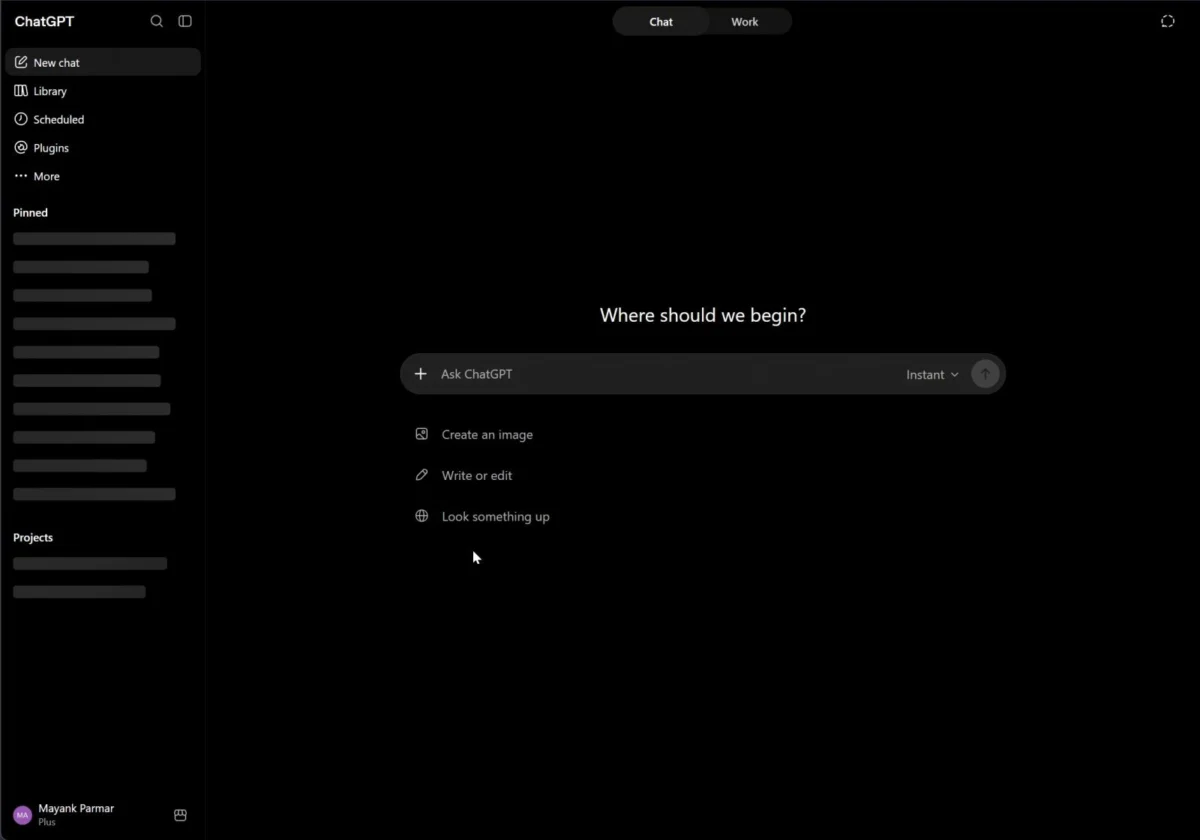
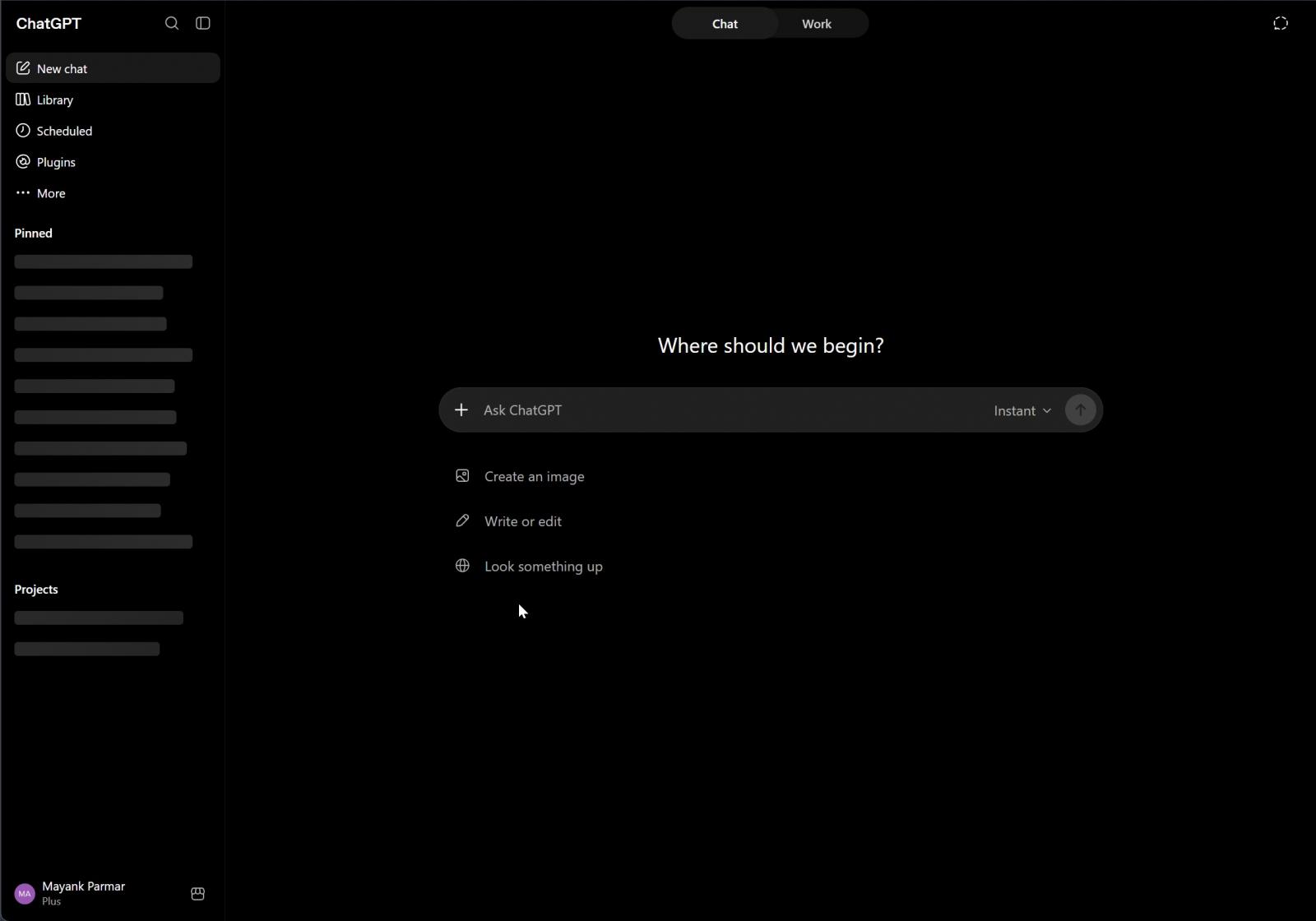
A significant and widespread outage is currently impacting OpenAI’s popular artificial intelligence chatbot, ChatGPT, rendering it inaccessible for users across the globe. The disruption, which began around 5:00 AM Eastern Time (ET), has prevented users from loading their chat sessions, including historical conversations, and has generated errors indicating "too many concurrent requests" when attempting to send new messages. The issue is not isolated to the consumer-facing ChatGPT interface; OpenAI’s foundational coding platform, Codex, and its extensive API services are also experiencing disruptions, with at least 12 API endpoints reportedly affected. OpenAI has acknowledged the widespread issues and is actively investigating the problem, though initial attempts to resolve it have not fully restored service for all users.
Chronology of the Outage
The issues began to surface for users in the early morning hours of [Insert Date of Outage – e.g., Tuesday, October 26, 2023]. Reports from affected users, primarily originating from North America and Europe, started to emerge on social media platforms and technical forums around 5:00 AM ET. These early reports detailed an inability to load the ChatGPT interface, with the application frequently getting stuck on loading animations for the sidebar. Attempts to interact with the chatbot were met with error messages, most commonly citing "too many concurrent requests," a clear indicator of overwhelmed server capacity.
By approximately 5:30 AM ET, OpenAI’s status page, a dedicated portal for monitoring the operational health of its services, was updated to reflect the ongoing issues. The initial acknowledgement stated, "We are investigating the issue for the listed services," signaling that the company was aware of the widespread nature of the problem and had initiated troubleshooting efforts. This update provided some reassurance to a growing number of concerned users who rely on ChatGPT for a variety of professional and personal tasks.

Despite the company’s prompt acknowledgment and subsequent efforts to implement a fix, reports from users and independent monitoring services indicated that the problems persisted for several hours. Throughout the morning and into the afternoon in affected time zones, users continued to report intermittent or complete unavailability of ChatGPT and its related services. OpenAI continued to provide updates on its status page, indicating that while a fix had been applied, the situation was still being monitored closely. The duration and intermittent nature of the restoration efforts highlighted the complexity of the underlying technical challenges.
Scope of the Disruption
The current outage extends beyond the widely recognized ChatGPT interface, impacting a crucial segment of OpenAI’s infrastructure. The disruption to Codex, OpenAI’s AI system designed to translate natural language instructions into code, has significant implications for developers and software engineers who utilize it for rapid prototyping, code generation, and debugging. The unavailability of Codex could lead to delays in software development projects and hinder innovation for those who depend on its capabilities.
Furthermore, the widespread issues affecting the OpenAI API are of considerable concern. The API serves as the backbone for numerous third-party applications, services, and research projects that have integrated OpenAI’s powerful AI models. With at least 12 API endpoints reported as experiencing problems, a vast ecosystem of AI-powered tools and platforms is likely being affected. This could manifest as degraded performance, complete unavailability, or unexpected behavior in a multitude of applications that leverage OpenAI’s technology, from customer service chatbots to advanced data analysis tools. The ripple effect of such an API outage can be substantial, impacting businesses and researchers who have built their operations on the reliability of these services.
User Impact and Reactions
The immediate impact on users has been a complete inability to access their conversational AI tool. For many, ChatGPT has become an indispensable part of their daily workflow. Students use it for research and essay assistance, writers for brainstorming and drafting content, programmers for code generation and explanation, and individuals for general information seeking and creative exploration. The sudden loss of access has undoubtedly led to frustration, disruptions in productivity, and potential delays in time-sensitive tasks.

Social media platforms have become a focal point for user reactions. Hashtags related to #ChatGPTdown and #OpenAIoutage have trended throughout the day, with users sharing their experiences, expressing their dependence on the service, and seeking updates on restoration efforts. Many users have highlighted the critical nature of ChatGPT in their professional lives, with some reporting significant work stoppages. For instance, a freelance content creator based in London shared on X (formerly Twitter) that their article deadlines were now in jeopardy due to the outage. Another user, a developer in New York, noted that their ability to quickly generate boilerplate code was severely hampered, impacting their sprint goals.
The "too many concurrent requests" error message, in particular, suggests a surge in demand that the underlying infrastructure was unable to handle. This could be attributed to a confluence of factors, including a natural increase in user activity, a specific event triggering a massive query volume, or a potential issue within OpenAI’s load balancing or scaling mechanisms.
OpenAI’s Official Response and Investigation
OpenAI’s response, while prompt in acknowledging the issue, has been characterized by a cautious approach to restoration. The company’s status page, monitored by technical professionals and end-users alike, has been the primary channel for official communication. The initial statement at 5:30 AM ET indicated a broad investigation. Later updates confirmed the application of a fix, followed by continuous monitoring. This suggests a methodical approach to troubleshooting, likely involving identifying the root cause, implementing a software or infrastructure patch, and then rigorously testing the stability of the system before declaring a full resolution.
While OpenAI has not provided specific details about the technical nature of the outage, common causes for such widespread disruptions in cloud-based services include server failures, database issues, network connectivity problems, distributed denial-of-service (DDoS) attacks, or bugs in recent software updates. The fact that multiple services, including the API, are affected points towards a systemic issue rather than a localized problem.

The mention of "too many concurrent requests" could also hint at issues with the underlying infrastructure’s ability to scale dynamically to meet fluctuating demand. Advanced AI models like those powering ChatGPT are computationally intensive, requiring significant processing power and sophisticated resource management. Failures in these scaling mechanisms can lead to overload and service interruptions.
Broader Implications and Future Considerations
This widespread outage serves as a stark reminder of the growing reliance on artificial intelligence services and the potential vulnerabilities inherent in these complex systems. As AI becomes more deeply integrated into critical infrastructure, business operations, and daily life, the impact of disruptions can be far-reaching.
Economic Impact: For businesses that rely on OpenAI’s API for their core services, prolonged downtime can translate into direct financial losses. This could include lost revenue, decreased customer satisfaction, and damage to brand reputation. The incident might also prompt businesses to re-evaluate their reliance on a single provider and explore redundancy strategies.
Research and Development: For the research community, consistent access to AI models is crucial for ongoing experiments and the advancement of AI knowledge. An outage can stall critical research projects, potentially delaying breakthroughs.
User Trust and Perception: While OpenAI is a leader in the AI space, such significant outages can erode user trust. The perception of reliability is a key factor in the adoption and continued use of any technology service. Users may begin to explore alternative AI solutions if outages become frequent or prolonged.
Infrastructure Resilience: This event underscores the importance of robust and resilient infrastructure for AI services. Companies like OpenAI invest heavily in their data centers and cloud computing capabilities, but the sheer scale of demand and the complexity of these systems mean that failures can still occur. Future investments in failover mechanisms, distributed systems, and advanced monitoring will be critical.
Industry Standards and Best Practices: Incidents like this can also drive the development of industry-wide standards for AI service reliability and uptime. Regulators and industry bodies may begin to examine the resilience of critical AI infrastructure.
As of the latest updates, OpenAI continues its efforts to fully restore services. The company’s transparency through its status page has been a positive aspect, but the lingering issues highlight the ongoing challenges in maintaining the seamless operation of cutting-edge AI technologies. This developing story will continue to be monitored for further updates on the resolution of the outage and any further insights into its cause.