admin
admin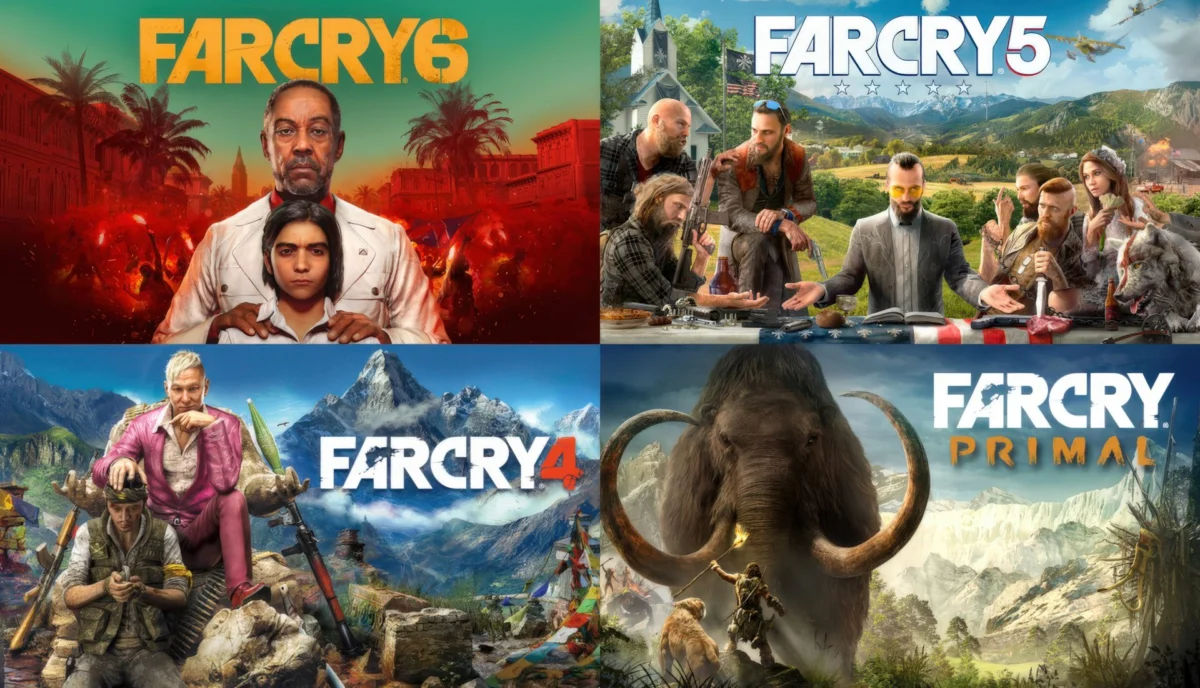
Ubisoft has reportedly undergone a significant internal reorganization regarding the future of the Far Cry franchise, resulting in the cancellation of its long-rumored extraction shooter spin-off. According to reports from industry insider Tom Henderson via Insider Gaming, the project, which was internally codenamed Maverick, has been shuttered as the French publisher shifts its strategic focus toward a "quality-first" approach for its flagship intellectual properties. While the cancellation marks a retreat from the increasingly crowded extraction shooter genre, Ubisoft is simultaneously accelerating work on two other major Far Cry projects: the next mainline entry, codenamed Blackbird, and a newly greenlit project codenamed Kodlak.
The Far Cry franchise remains one of Ubisoft’s most lucrative assets, historically delivering massive sales figures and defining the open-world action genre for over a decade. However, the recent volatility in the gaming market and a series of underperforming titles have prompted the publisher to reevaluate its pipeline. The cancellation of Maverick suggests a cautious move to avoid overextending the brand into experimental genres that have seen high failure rates among major publishers recently.
The Rise and Fall of Project Maverick
Project Maverick was first brought to public attention in October 2023, following leaks that described a standalone multiplayer experience set within the Far Cry universe. Unlike the traditional narrative-driven campaigns the series is known for, Maverick was designed as an extraction-based shooter—a genre popularized by titles such as Escape from Tarkov and Hunt: Showdown. The game was reportedly set in the unforgiving Alaskan wilderness, a departure from the tropical and mountainous environments of previous entries like Far Cry 6’s Yara or Far Cry 4’s Kyrat.
Gameplay mechanics for Maverick were said to focus heavily on survival and environmental hazards. Players would have been tasked with navigating the harsh Alaskan climate, battling not only rival players but also predatory wildlife and extreme weather conditions. The "extraction" loop would have required players to scavenge for resources, complete objectives, and reach a designated exit point before being eliminated. Despite the initial promise of a high-stakes survival experience, sources indicate that the project failed to meet internal benchmarks for quality and player engagement.
The decision to cancel Maverick aligns with Ubisoft’s broader corporate strategy initiated in late 2022. Following a period of financial cooling and the cancellation of other high-profile projects—including The Division Heartland, Splinter Cell VR, and Ghost Recon Frontline—Ubisoft leadership has prioritized "fewer, bigger, and better" releases. This strategic pivot aims to ensure that every game bearing a major brand name meets a specific standard of polish and commercial viability, reducing the risk of brand dilution.
Project Blackbird: The Next Mainline Milestone
While Maverick has been shelved, the development of the next mainline Far Cry title, codenamed Blackbird, is reportedly proceeding with renewed vigor. Blackbird is intended to be the seventh major installment in the series and is currently being developed under the oversight of Vantage Studios. Vantage is a specialized subsidiary within the Ubisoft ecosystem tasked with managing the publisher’s most critical franchises, ensuring consistency and high production values.
Blackbird has not been without its own developmental hurdles. Internal reports suggest the game faced several "soft reboots" and creative shifts during its early production phases. However, the project is now said to be on a stable path toward completion. Charlie Guillemot, CEO of Vantage Studios and son of Ubisoft co-founder Yves Guillemot, has reportedly expressed high confidence in the project. Internal communications suggest that Guillemot views Blackbird as "impressive" and has referred to it as "Act One" of a new era for the franchise. This terminology implies that Blackbird is intended to serve as a foundational platform for future content, potentially signaling a more live-service-oriented approach or a series of interconnected expansions following its launch.
In terms of features, Blackbird is expected to retain the core pillars of the Far Cry experience: a vast open world, systemic gameplay, and a strong central antagonist. While Maverick was intended to be the primary multiplayer outlet for the brand, Blackbird will reportedly still feature multiplayer components. These are expected to take the form of the cooperative play that has been a staple of the series since Far Cry 4, rather than a competitive or extraction-based mode.
The Emergence of Project Kodlak
In a surprising turn of events, the cancellation of Maverick has been followed by the advancement of another mysterious project codenamed Kodlak. According to Henderson’s reports, Kodlak recently passed the internal concept stage and has officially entered full-scale production as of earlier this month. While concrete details regarding the setting or narrative of Kodlak remain scarce, sources close to the project have described it as "really ambitious."

The timing of Kodlak’s entry into production suggests it may be a replacement for the resources previously allocated to Maverick, or perhaps a reimagining of some of its concepts into a different format. Given that it has just entered the production phase, industry analysts expect a launch window no earlier than 2027 or 2028. The designation of the project as "ambitious" suggests that Ubisoft may be looking to innovate on the Far Cry formula, perhaps integrating new engine technologies or gameplay systems that move beyond the traditional "outpost-clearing" loop that has characterized the series since 2012.
Contextualizing Far Cry’s Commercial Legacy
To understand why Ubisoft is investing so heavily in the future of Far Cry while simultaneously cutting experimental spin-offs, one must look at the franchise’s historical performance. Far Cry 5, released in 2018, remains one of Ubisoft’s fastest-selling games of all time, generating over $310 million in its first week and eventually surpassing 25 million units sold. While Far Cry 6 (2021) received a more polarized critical reception, it still maintained strong commercial momentum, proving that the brand carries immense weight with the general gaming public.
However, the industry landscape has shifted. The rise of live-service titles and the "extraction" trend created a gold rush that many publishers are now finding difficult to mine. Ubisoft’s attempt to break into this space with Maverick was likely an effort to capture the long-term engagement and monetization seen in titles like Call of Duty: Warzone. The cancellation suggests that Ubisoft has recognized the difficulty of competing in the multiplayer space and has decided to double down on what it does best: massive, high-fidelity single-player and cooperative adventures.
Expansion into Transmedia: The FX Television Series
The Far Cry brand is also set to expand beyond the realm of interactive entertainment. Ubisoft Film & Television is currently collaborating with FX to produce a scripted television adaptation of the franchise. The project has secured high-profile creative talent, including Fargo creator Noah Hawley, who will serve as an executive producer. Joining Hawley is Rob McElhenney, known for It’s Always Sunny in Philadelphia and the gaming-centric comedy Mythic Quest.
The involvement of Hawley and McElhenney suggests a creative direction that could balance the series’ signature dark humor with intense, prestige-television drama. While it is currently unclear which game in the series—if any—the show will adapt, the move mirrors a wider industry trend. Following the massive success of HBO’s The Last of Us and Amazon’s Fallout, publishers are increasingly viewing television and film as essential tools for maintaining brand relevance between major game releases.
Strategic Implications and Industry Analysis
The restructuring of the Far Cry pipeline reflects a broader trend of consolidation within the AAA gaming industry. As development costs for flagship titles soar toward the $200 million to $300 million range, publishers can no longer afford "misses." By canceling Maverick and focusing on Blackbird and Kodlak, Ubisoft is effectively "de-risking" its portfolio.
Industry analysts suggest that the "Act One" description of Blackbird could indicate a shift in how Ubisoft structures its narratives. Rather than a standalone story that concludes with the credits, the next Far Cry might adopt a seasonal or episodic structure, allowing Ubisoft to monetize the game over a longer period without the inherent risks of a standalone multiplayer spin-off.
Furthermore, the focus on the Alaskan wilderness in the canceled Maverick project may not be entirely lost. It is common in game development for assets, environmental research, and weather systems developed for a canceled project to be integrated into future titles. It is possible that elements of the "Maverick" survival systems could find their way into Kodlak or a future expansion for Blackbird.
Conclusion
Ubisoft’s current trajectory for Far Cry reveals a company at a crossroads, balancing the need for innovation with the safety of established success. The cancellation of Project Maverick serves as a stark reminder of the volatility of the multiplayer market, while the continued development of Blackbird and the birth of Kodlak demonstrate a long-term commitment to the franchise’s core identity. As the gaming world awaits official trailers and concrete details, the "Act One" of Far Cry’s next generation is quietly taking shape behind closed doors, aiming to reclaim the series’ position as the premier open-world shooter in the industry.