Galang Taruna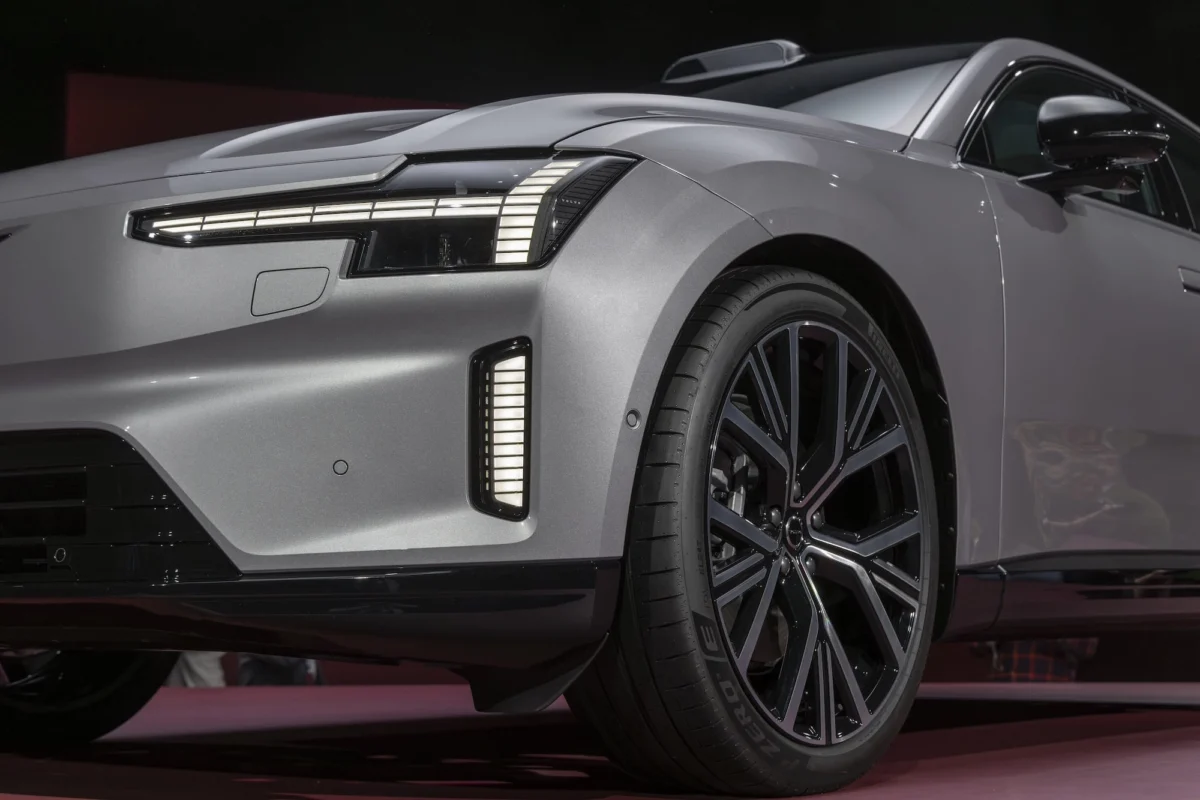
Volvo, the Swedish automotive manufacturer renowned for its unwavering commitment to safety, has announced a definitive halt to the integration of LiDAR sensors in its flagship electric vehicles, the EX90 SUV and ES90 sedan. This significant strategic pivot means that vehicles already equipped with the sensor will retain the hardware, albeit rendered inert, with no physical removal option planned. In Norway, a key market for electric vehicles, affected customers are set to receive a compensation of 1,800 euros, acknowledging the unfulfilled promise of advanced functionalities that will ultimately not materialize. This decision marks a critical juncture for Volvo’s autonomous driving ambitions and underscores the volatile landscape of cutting-edge automotive technology and its supply chains.
The integration of LiDAR (Light Detection and Ranging) technology was a cornerstone of Volvo’s marketing and safety narrative for the EX90, which was introduced with the ambitious claim of being the safest electric SUV ever produced by the brand. Positioned prominently above the windshield, the LiDAR unit was touted as a pivotal component for unlocking higher levels of autonomous driving capabilities and significantly reducing severe accidents. Its advanced environmental perception was expected to enhance the vehicle’s "Guardian" safety system, offering an unprecedented layer of awareness. The abrupt abandonment of this technology, therefore, represents a substantial shift from Volvo’s previously articulated vision for its next-generation vehicles.
The Genesis of Volvo’s LiDAR Strategy
Volvo’s embrace of LiDAR technology was part of a broader industry trend towards enhancing Advanced Driver-Assistance Systems (ADAS) and paving the way for fully autonomous vehicles. The company, with its long-standing reputation as a safety pioneer, saw LiDAR as a crucial sensor for achieving its vision of zero fatalities and serious injuries in its cars. In May 2021, Volvo Cars announced its partnership with Luminar, a leading global automotive LiDAR hardware and software technology company, to integrate Luminar’s Iris LiDAR into its future production vehicles. This collaboration was initially lauded as a significant step forward, promising to deliver Level 3 (conditional autonomy) capabilities on highways and eventually progressing towards higher levels of automation.
The EX90, unveiled in November 2022, was the first production model slated to feature Luminar’s LiDAR as standard. Volvo emphasized that the LiDAR, working in conjunction with a suite of cameras, radars, and ultrasonic sensors, would create a comprehensive, real-time 3D map of the vehicle’s surroundings. This perception system was designed to detect objects hundreds of meters ahead, day or night, and in varying weather conditions, offering a crucial layer of redundancy and accuracy beyond what cameras and radar alone could provide. The promise was clear: enhanced safety, improved ADAS performance, and a clear path to more sophisticated autonomous functions.
Luminar’s Financial Turmoil and the Partnership’s Demise
At the heart of Volvo’s decision lies the escalating financial instability of its primary LiDAR supplier, Luminar Technologies. Luminar, once a darling of the autonomous vehicle sensor market, had positioned Volvo as a marquee client to demonstrate the viability and potential of its LiDAR technology to the broader automotive industry. However, the company has reportedly been navigating a period of intense turbulence, marked by several concerning developments.
Reports have indicated a series of layoffs, a challenging financial outlook, and the resignation of a key executive amidst an internal investigation. These events collectively painted a picture of a company struggling to maintain operational stability and investor confidence. The culmination of these difficulties appears to be Luminar’s reported filing for Chapter 11 bankruptcy protection on December 15, 2025, a development stated to occur merely weeks after the cessation of its collaboration with Volvo. This peculiar reporting of a future bankruptcy filing suggests that Volvo’s decision was either a preemptive measure based on clear indicators of Luminar’s impending collapse or a reaction to contractual breaches that signaled an unsustainable partnership. Luminar’s reported liabilities, ranging between 500 million and 1 billion dollars, further highlight the severe financial strain, prompting the company to actively seek a buyer for its LiDAR business.
Volvo’s official stance cites an unacceptably high risk to its supply chain and a contractual breach by Luminar as the reasons for terminating the partnership. This implies that Luminar was no longer able to guarantee the reliable delivery of its technology under the agreed terms, whether due to production capacity issues, quality concerns, or fundamental financial incapacitation. For a global automotive manufacturer like Volvo, ensuring the stability and reliability of its supply chain for critical safety and technology components is paramount. Any perceived weakness or disruption poses significant risks to production schedules, product quality, and customer satisfaction.
The Impact on Volvo and Its Customers
For Volvo, the discontinuation of LiDAR integration carries multiple implications. Firstly, it represents a setback for its autonomous driving roadmap. The EX90 and ES90 were intended to showcase Volvo’s advanced capabilities, and the removal of a key sensor designed for these functionalities could delay the rollout of promised Level 3 features. Volvo will now need to re-evaluate its strategy for achieving higher levels of autonomy, potentially exploring alternative LiDAR suppliers, pivoting to a more camera- or radar-centric approach, or focusing on enhancing existing ADAS features without external LiDAR. This also raises questions about the brand’s competitive positioning against rivals who continue to invest heavily in LiDAR for their advanced systems.
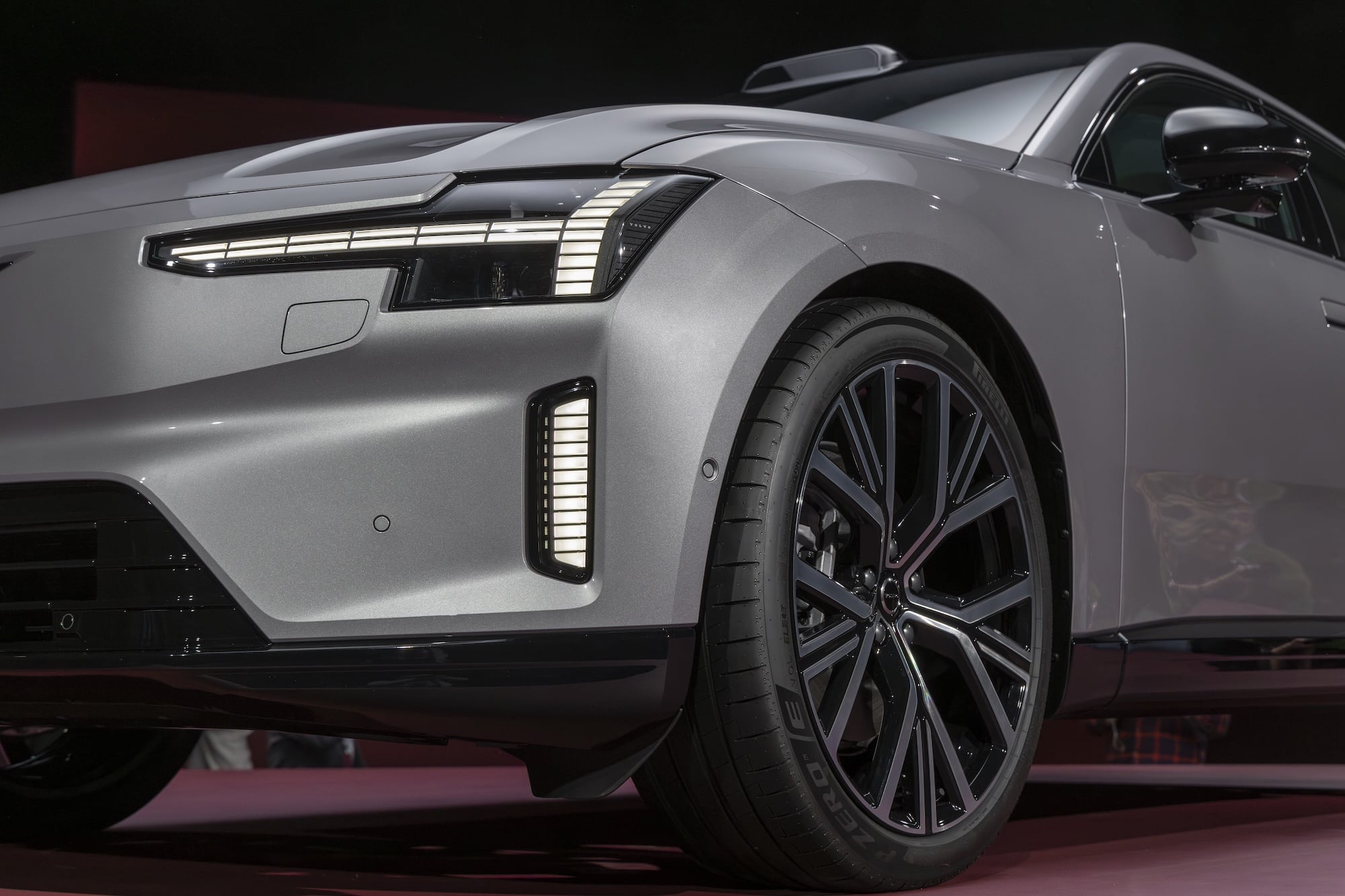
Secondly, there is the reputational challenge. Volvo built a significant part of the EX90’s narrative around its unparalleled safety, largely attributed to the LiDAR sensor. Backtracking on this core promise, especially for vehicles already sold or ordered, risks eroding customer trust. The physical presence of an inert LiDAR unit on these premium vehicles serves as a constant reminder of unfulfilled promises, potentially leading to customer dissatisfaction.
For affected customers, particularly those in Norway who represent a significant portion of early adopters, the situation is complex. While the 1,800 euro compensation is a gesture, its adequacy remains debatable, especially considering the premium price point of an EX90 (which can start well over 80,000 euros). Customers who purchased these vehicles explicitly for their advanced autonomous features, partly enabled by LiDAR, may feel shortchanged. The legal implications of selling a feature that is later disabled or never activated could also become a point of contention in other markets beyond Norway. The situation highlights the challenges of bringing cutting-edge technology to market when the supply chain is not robust enough to support it.
LiDAR in the Automotive Landscape: A Divisive Technology
The debate surrounding LiDAR’s necessity in autonomous vehicles has been a contentious one within the automotive industry, most notably championed by Tesla’s CEO, Elon Musk. LiDAR, a portmanteau of "light" and "radar," operates by emitting pulsed laser light and measuring the time it takes for the light to return to the sensor. This process generates precise, high-resolution 3D point clouds of the surrounding environment, allowing for accurate distance measurement and object detection. Its strengths lie in its ability to perform reliably in challenging conditions like low light or adverse weather, where cameras might struggle, and its superior depth perception compared to radar.
Tesla, under Musk’s directive, has famously eschewed LiDAR, advocating for a "vision-only" approach to autonomous driving. Musk has repeatedly dismissed LiDAR as an unnecessary and overly expensive "crutch," arguing that human-like intelligence, powered by advanced neural networks processing data from cameras, is sufficient for achieving full self-driving capabilities. Tesla’s strategy relies on a sophisticated software stack that can interpret visual information to navigate, perceive obstacles, and make driving decisions. This approach, while potentially cost-effective, faces its own set of challenges, particularly concerning reliability in poor visibility and the sheer complexity of replicating human visual cognition.
Conversely, many other major automakers and autonomous driving developers, including Mercedes-Benz, BMW, Audi, and Google’s Waymo, have integrated or plan to integrate LiDAR into their autonomous systems. They view LiDAR as a critical sensor for achieving redundancy, enhancing safety, and enabling higher levels of autonomy (Level 3 and beyond), where the vehicle is expected to handle most driving tasks without constant human supervision. These companies believe that a multi-sensor fusion approach, combining cameras, radar, and LiDAR, offers the most robust and safest solution for navigating complex driving environments.
The Volvo-Luminar episode, therefore, does not inherently validate Tesla’s fundamental technical argument against LiDAR. Both approaches (vision-only vs. sensor fusion) have their respective strengths and weaknesses, and the industry is still actively exploring the optimal path to truly autonomous driving. However, the incident starkly highlights the industrial fragility of bringing consumer-grade LiDAR to market. The technology, while powerful, remains expensive, complex to integrate, and dependent on a relatively nascent supply chain of specialized manufacturers. The financial struggles of a key player like Luminar underscore the economic pressures and operational challenges faced by companies developing these advanced components.
Broader Implications and Future Outlook
The collapse of the Volvo-Luminar partnership and Luminar’s reported impending bankruptcy could have ripple effects across the nascent LiDAR industry. Investors might become more cautious about funding LiDAR startups, leading to consolidation or a shift towards more established players with robust financial backing. It also serves as a cautionary tale for other OEMs considering extensive reliance on single suppliers for critical new technologies. Diversification of suppliers and rigorous due diligence will likely become even more emphasized.
For Volvo, the road ahead involves mitigating the damage from this decision. The company will need to clearly communicate its revised autonomous driving strategy and assure customers of its continued commitment to safety through other means. This might involve enhancing its existing radar and camera-based systems, exploring partnerships with other LiDAR manufacturers, or focusing on driver-assist features that do not rely on external LiDAR. The company’s reputation as a safety leader will depend on how effectively it navigates this challenge and maintains its technological edge.
As of the current reports, Volvo France has been contacted for information regarding the implications for French customers. The response is pending, and the situation for other markets outside Norway remains to be fully clarified. The unfolding saga of Volvo, Luminar, and LiDAR serves as a potent reminder of the complexities and inherent risks involved in pushing the boundaries of automotive technology, where innovation must always be balanced with industrial viability and unwavering customer trust.