Metty Iskandar
A few months ago, I decided to take my household management to the next level. I’d already gotten pretty good at keeping up with the basic chores, but I needed a system to track our family calendar, family goals, and household inventory. Plus, I wanted a way to customize the experience for my family, pets, and the actual number of rooms in my house. I tried several existing household apps, and a few came close to what I was looking for. Still, I wanted something completely tailored to my situation, not just something “close enough.” That got me thinking: could I make my own solution? Plenty of people are already using AI tools to learn programming, or for simple vibe coding, so I dove in with Claude to see what I could build, what walls I’d hit, and whether this could be a better fit for my needs. There were a few ways to go about this, but I started with the simplest: a progressive web app. Below, I’ll walk through how I built it, what it does that other solutions can’t, and where this approach falls short.
The Quest for a Tailored Household Solution
The journey to a custom-built household management application began with a clear dissatisfaction with existing off-the-shelf solutions. While many applications aim to streamline domestic organization, the author found them lacking in crucial personalization aspects. The initial exploration involved a deep dive into several popular contenders in the family organizer and chore management space. Among the apps tested were Cozi Family Organizer, OurHome, and Sweepy. Each offered a unique set of features, but none provided the comprehensive, integrated experience the author sought.
Sweepy, for instance, was praised for its highly customizable chore lists, allowing for the addition of unique tasks and specific rooms, a feature that closely aligned with the author’s desire for a tailored system. It also offered a decent calendar function. However, it conspicuously lacked a household inventory feature, a key requirement for effective home management. Cozi Family Organizer presented a more robust shopping list system, which touched upon inventory management, but its approach was described as more manual, requiring users to input items from scratch. The author’s aspiration was for an app that pre-populated common household products, allowing for subsequent modification, a feature conspicuously absent in most existing platforms.
Furthermore, a recurring obstacle encountered was the freemium model employed by many of these applications. While basic functionalities were often available for free, more advanced or truly differentiating features were locked behind subscription paywalls or premium upgrades. This financial barrier, coupled with the inherent limitations in customization, fueled the author’s contemplation of a do-it-yourself approach. The realization that most desired features existed in isolation across different applications spurred the ambition to consolidate these functionalities into a single, cohesive platform. This marked the genesis of a months-long endeavor to create a personalized household management app, a project that continues to evolve. The inherent advantage of a custom solution, as highlighted by the author, lies in the user’s autonomy to implement new features and adapt the application to their evolving needs without external developer intervention.
Genesis of a Custom App: From Concept to Code with Claude
The initial phase of developing a personalized household management application involved exploring different technical pathways. The author’s first inclination was to build a native Android application, leveraging the capabilities of AI coding assistants like Claude. This approach began with a foundational step: meticulously documenting the desired features and their presentation through a Google Sheet. This comprehensive reference document served as the blueprint for the AI-assisted development process.
The author then engaged with Claude, aiming to generate code for an Android application. This process, however, revealed the nuanced reality of AI-assisted coding. Claude, while a powerful tool for code generation and problem-solving, cannot conjure a fully functional application from thin air. The development process still necessitates the use of specific development environments, such as Android Studio, and involves a significant amount of manual input and oversight from the developer. Despite these challenges, an initial, albeit rudimentary, alpha build of the Android application was successfully created.
This early iteration, however, soon highlighted the limitations of this direct approach. After a period of testing, it became evident that numerous features were still missing, and the pace of development was considerably slower than anticipated. This realization prompted a strategic shift in the development methodology. The author recognized the need for a more agile approach, one that would facilitate rapid prototyping and quick iteration of new ideas.
This led to the decision to pivot towards developing a Progressive Web App (PWA). This shift was motivated by the perceived ease of development and user-friendliness associated with web-based applications, particularly when assisted by AI. PWAs offer a compelling middle ground, providing app-like experiences that can be accessed through a web browser and installed on devices, without the full complexity of native app development. The author found that a simple back-and-forth interaction with Claude, a process often termed "vibe coding," was sufficient to generate the core components of the web application.
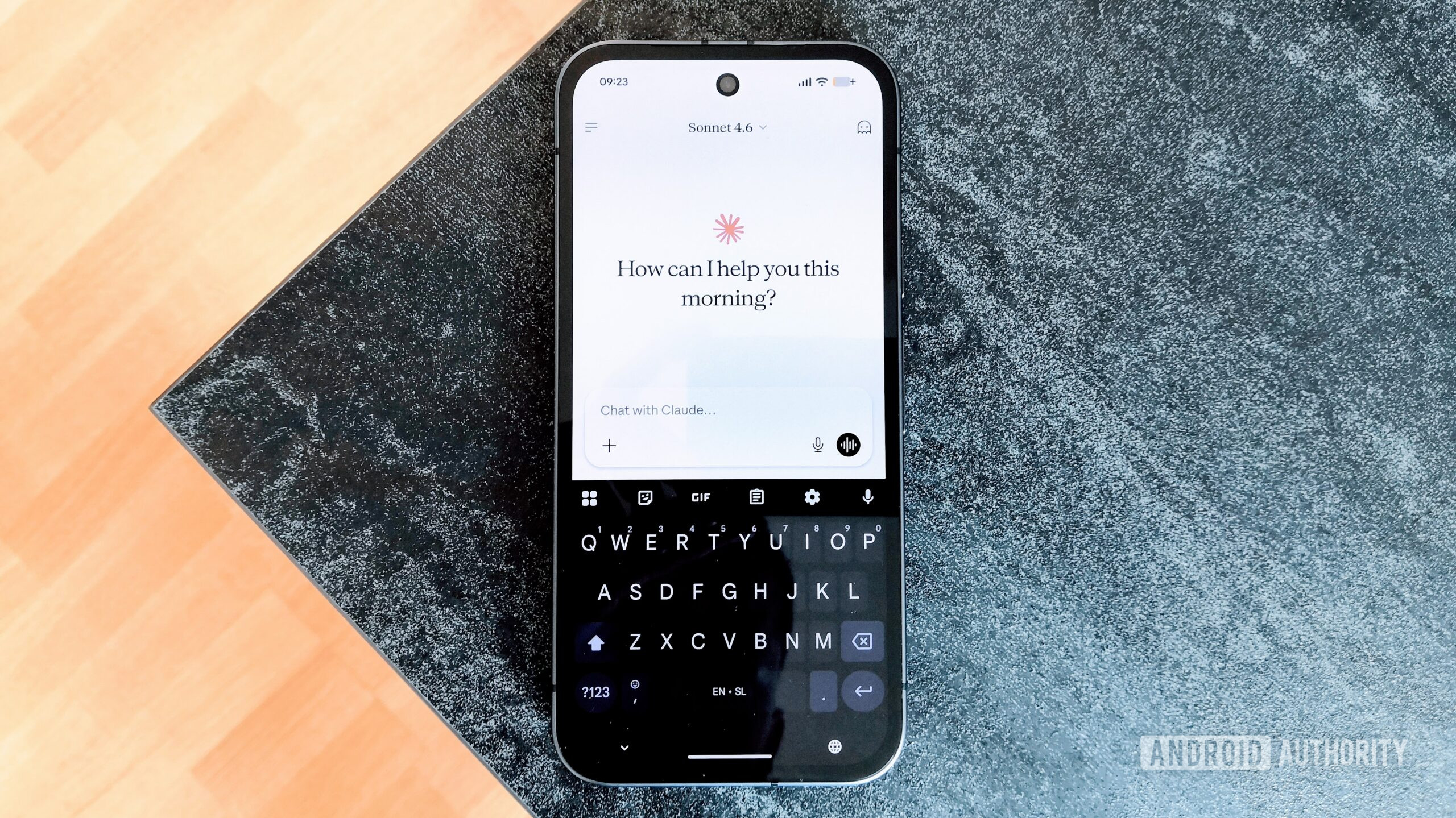
The primary drawback identified with this web app approach was its initial clunkiness, requiring direct access through a browser. To bridge this gap and imbue the web app with more native functionalities, the author utilized Claude to generate essential PWA-specific files. These included manifest.json, which provides metadata about the application such as its name, icons, and color scheme, and service-worker.js, which enables features like offline caching and background synchronization.
To make the PWA accessible and functional, it needed to be hosted. Since web browsers typically do not recognize PWAs from local file systems, a hosting solution was required. The author opted for hosting the application online via GitHub, a widely adopted platform for code repositories and web hosting. This method, described as straightforward, could also be facilitated with assistance from Claude. This iterative process, starting with a native app concept and transitioning to a PWA, underscores the adaptive nature of custom software development, especially when leveraging AI as a co-developer.
PWA Development: A Stepping Stone to Enhanced Functionality
The transition to a Progressive Web App (PWA) marked a significant acceleration in the development of the custom household management system. While the initial attempt at a native Android app provided valuable learning, its slow progress necessitated a more agile approach. The author found that utilizing Claude for PWA development offered a more user-friendly and efficient pathway, requiring fewer external tools and relying heavily on conversational coding.
The core advantage of the PWA approach lay in its rapid prototyping capabilities. The ability to quickly generate and test new features allowed the author to iterate on the application’s design and functionality at an unprecedented pace. This iterative process, characterized by a continuous loop of development, testing, and refinement, brought the application closer to the author’s ideal vision.
However, the PWA model is not without its limitations. The author noted that while the PWA experience was improved through the generation of a manifest.json file for app identity and a service-worker.js file for offline capabilities, the experience could still feel somewhat clunky compared to a fully native application. The need to open the app through a browser, even if it could be bookmarked or installed on the home screen, presented a minor friction point.
Hosting the PWA was another crucial step. The author chose GitHub for its ease of use and widespread adoption in the developer community, allowing the PWA to be recognized by browsers and function as intended. This process, while technically distinct from app store deployment, enabled the application to be accessible and usable.
The development journey of the PWA involved numerous iterations, each bringing the application closer to its intended purpose. This process was not merely about building an app; it was also a significant learning experience. The author highlighted how working with Claude, even on a seemingly straightforward PWA project, fostered a deeper understanding of app development principles, coding languages, and various development tools. The initial "plug-and-play" nature of AI assistance gradually evolved into a more profound engagement with the underlying technologies as the author encountered and worked to overcome the inherent limitations of the PWA framework.
Navigating the Hurdles: Limitations and Workarounds in PWA Development
Despite the accelerated development cycle offered by PWAs, the author encountered several significant limitations that necessitated creative workarounds and further learning. The initial versions of the web app, while functional, were still a considerable distance from the author’s ideal, particularly in areas requiring sophisticated data management and multi-device synchronization.
One of the most significant challenges was implementing seamless syncing across multiple devices. The initial solution involved a manual file-based import/export feature, which was relatively easy to implement but highly restrictive for a household application intended for shared use. To address this, the author resorted to installing the PWA on a seldom-used tablet and magnetically attaching it to the refrigerator, effectively creating a central family hub. This pragmatic approach, while not ideal, demonstrated the resourcefulness required when working within the constraints of a PWA.
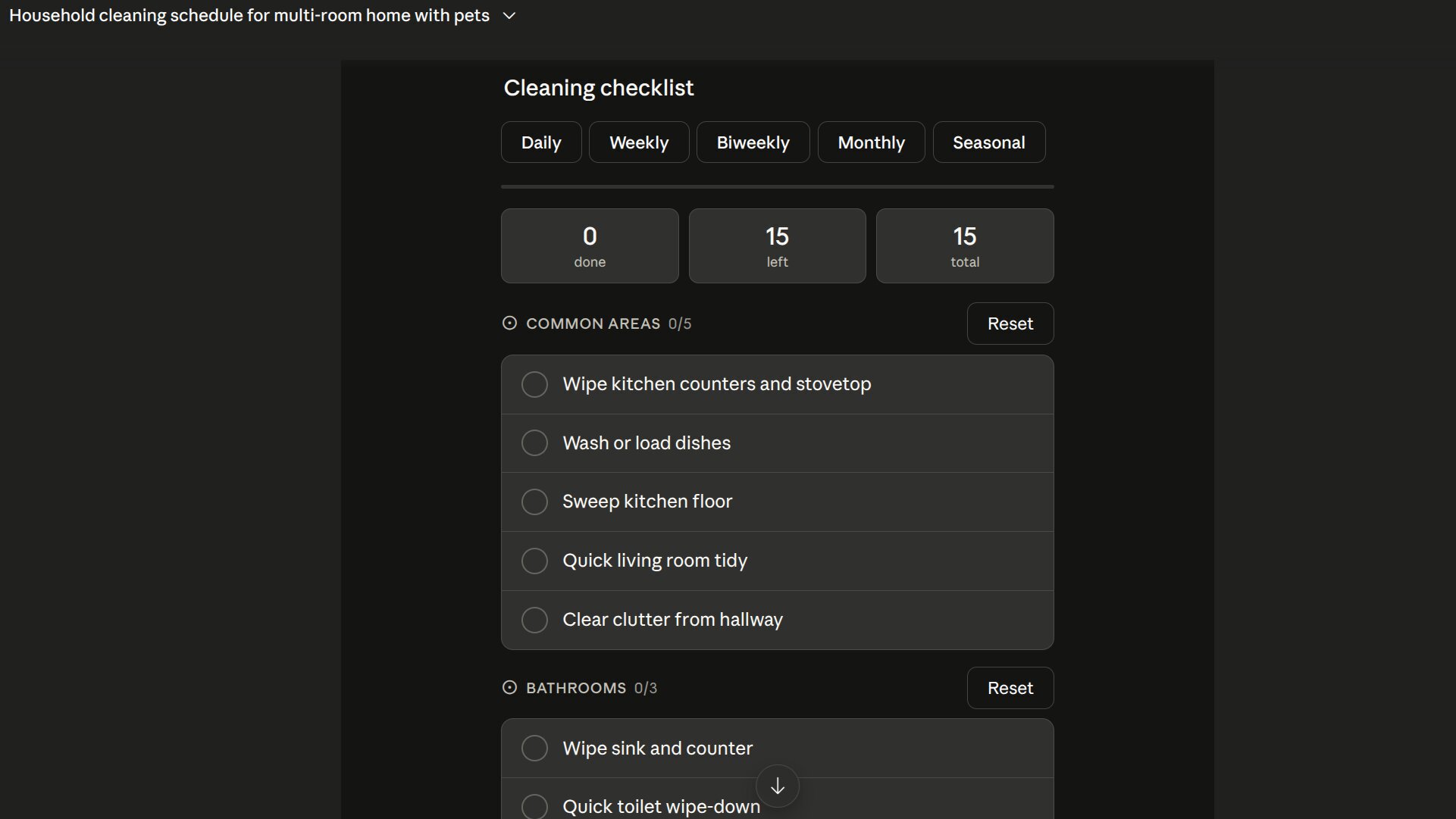
Within approximately a month, the PWA had evolved to include features such as family spending tracking, inventory management, and personalized chore lists for each family member. A significant milestone was the integration of Google Calendar, a testament to the PWA’s growing capabilities. Further exploration into Firebase was initiated to build a more robust database, paving the way for smoother cross-device synchronization, a critical component for modern household management.
The author emphasized that while Claude’s PWA generation capabilities have inherent limits, many of these can be overcome with persistent effort and exploration. The back-and-forth nature of AI-assisted development, while effective for rapid prototyping, can consume usage limits more quickly than a traditional, single-pass code generation approach. Selecting the appropriate AI model, such as Claude’s Opus version, was also identified as crucial for optimal performance.
Furthermore, the author acknowledged that even when pushing PWAs to their limits, the general design and user interface (UI) often remain somewhat generic and less refined compared to native applications. While some degree of aesthetic improvement is possible, achieving a truly polished and professional look without resorting to more advanced coding techniques or native development frameworks can be challenging. The inability to directly publish these PWAs to app stores without significant modifications, such as wrapping them in a shell using tools like Capacitor or Cordova, was also cited as a key limitation.
The Road Ahead: From PWA to Native Android and Future Implications
After several months of utilizing the developed PWA, the author has embarked on a full rewrite, aiming to create a native Android application with enhanced features. This new endeavor leverages Claude Code, Android Studio, and other advanced tools to facilitate web-based syncing and a more comprehensive user experience. While this native version is still in its alpha testing phase, the author describes it as a substantial leap forward from the initial PWA prototype, stating it is "a million miles ahead of the original."
The author contends that the PWA served as an invaluable "training wheels" phase, providing the necessary foundational knowledge and confidence to tackle native Android development. The iterative process of building and refining the PWA over roughly ten builds allowed for a deeper understanding of development workflows and problem-solving techniques. This contrasts with the potentially steeper learning curve of diving directly into native app development from the outset.
While a native Android app inherently offers a superior user experience, the PWA approach proved instrumental in democratizing app development for individuals with specific needs but limited prior coding experience. The author highlights that the process of building PWAs significantly boosted confidence in coding and development tools, transforming what could have been a daunting task into an engaging learning experience and a rewarding side project.
The overarching takeaway from this extensive project is the potent combination of AI assistance and accessible development platforms like PWAs for addressing custom problems. For individuals seeking to solve unique challenges without extensive programming backgrounds, using Claude to create a PWA is presented as an excellent starting point. This method not only facilitates the creation of functional solutions but also cultivates valuable skills and can ignite a passion for deeper exploration into software development. The author’s personal journey exemplifies how a pragmatic approach, leveraging available AI tools and adaptable development methodologies, can lead to the creation of highly personalized and effective digital solutions, even as the pursuit of more advanced capabilities continues. The future implications point towards a growing trend of individuals using AI to build bespoke tools for niche applications, further blurring the lines between consumer and creator in the digital landscape.