Galang Taruna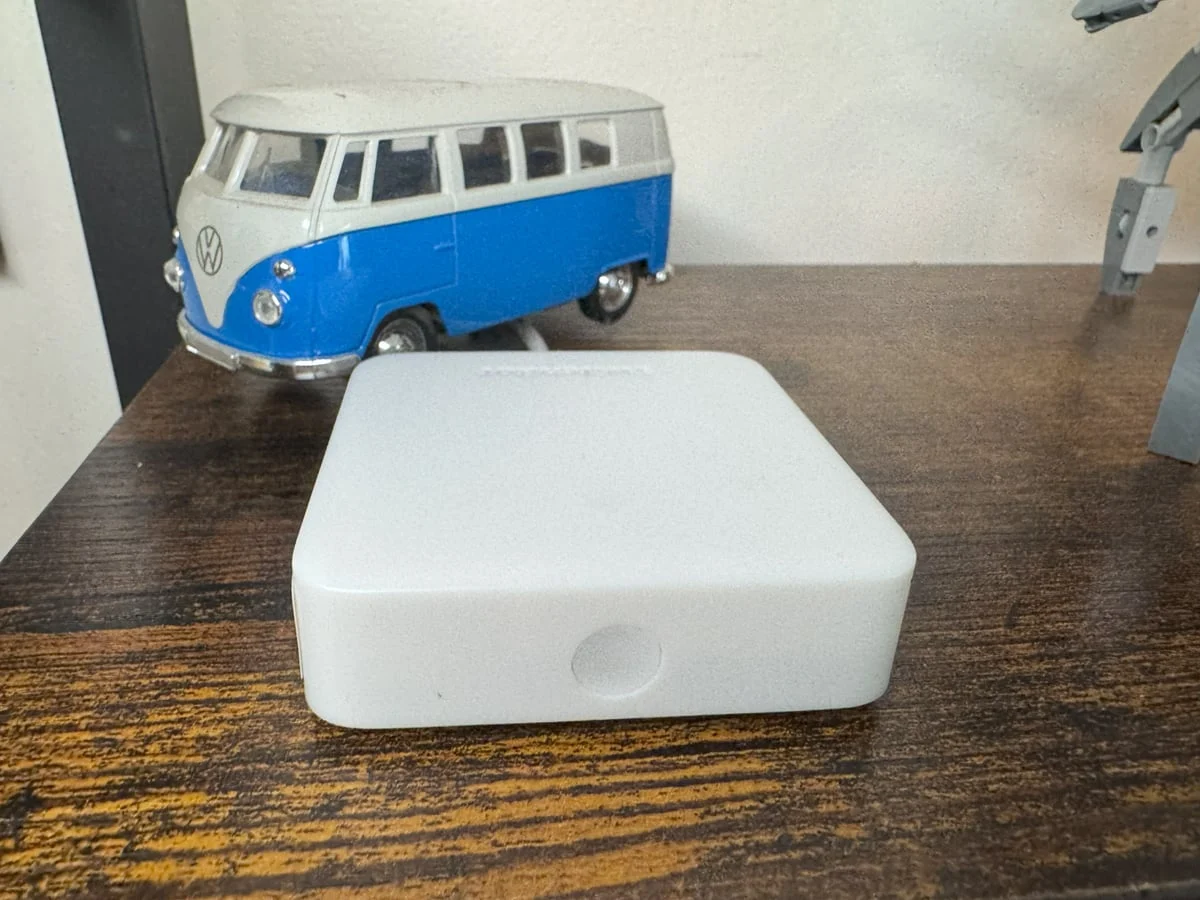
The SwitchBot Hub Mini Matter emerges as a crucial component in the evolving landscape of smart home technology, serving a dual and highly effective purpose. This compact device not only imbues existing SwitchBot smart products with Matter connectivity and essential internet access but also extends its transformative capabilities to a vast array of traditional infrared (IR) remote-controlled appliances, seamlessly integrating them into modern connected ecosystems. It stands as a testament to the industry’s ongoing efforts to streamline smart home management and enhance interoperability.

The Evolving Smart Home Landscape and Matter’s Imperative

For years, the promise of a truly interconnected smart home was often marred by fragmentation. Consumers found themselves navigating a maze of proprietary ecosystems, requiring multiple apps, hubs, and often leading to compatibility headaches. This fragmented landscape hindered widespread adoption and frustrated users attempting to build comprehensive smart homes. Recognizing this pervasive challenge, the Connectivity Standards Alliance (CSA), a consortium of leading technology companies, developed Matter. Launched as a unified, open-source connectivity standard, Matter aims to simplify the smart home experience by ensuring devices from different manufacturers can communicate reliably and securely, regardless of their underlying protocol. It promises easier setup, enhanced security, and broader compatibility across major smart home platforms such as Apple Home, Google Home, Amazon Alexa, and Samsung SmartThings.

SwitchBot, a brand renowned for its innovative yet often locally-operating smart home devices, has built an efficient ecosystem primarily leveraging Bluetooth Low Energy (BLE) for communication between its products. While effective for localized control, this approach historically limited remote access and broader integration with other smart home platforms without a dedicated gateway. The introduction of the SwitchBot Hub Mini Matter signifies a pivotal strategic move for the company, aligning its robust product line with the industry-standard Matter protocol and simultaneously addressing the persistent challenge of modernizing non-smart, IR-controlled legacy devices.

Design and Functional Simplicity

The SwitchBot Hub Mini Matter adheres to a philosophy of understated utility. Measuring a modest 6.5 cm per side with a thickness of 2 cm, its design is a simple white plastic cube, characterized by soft lines rather than sharp edges. This minimalist aesthetic allows it to blend discreetly into various home environments, avoiding the visual clutter often associated with smart home accessories.
On its upper surface, a subtle white activity LED provides visual feedback on the device’s operational status, accompanied by the engraved SwitchBot brand name. The front face features a single, easily accessible button primarily designated for the initial pairing process, underscoring the device’s user-centric design. For flexible placement, the underside is equipped with four small anti-slip feet, ensuring stability on any flat surface. Additionally, a dedicated anchor point allows for wall-mounting with a nail or screw, providing options for optimized positioning. Power is supplied via a ubiquitous USB-C port located at the rear, reflecting modern connectivity standards. Crucially, the Matter configuration QR code is conveniently placed on the side, facilitating swift and secure integration into compatible smart home platforms. While the plastic construction is basic, it contributes to the device’s lightweight nature and keeps manufacturing costs competitive, making it an accessible entry point for smart home enthusiasts.

Comprehensive Connectivity and Technical Specifications
At its core, the SwitchBot Hub Mini Matter is a multi-protocol gateway, designed to bridge disparate technologies within the smart home. It integrates:
- Infrared (IR) Blaster: This is a key differentiator, enabling the Hub Mini to control a vast array of devices that typically rely on traditional IR remote controls. With an effective range of up to 30 meters and a wide diffusion angle exceeding 180°, it can command multiple IR devices within a single room, such as televisions, sound systems, air conditioners, and DVD players.
- Bluetooth 4.2 (BLE): This protocol facilitates communication with other SwitchBot devices, such as the SwitchBot Curtain 3, Lock Pro, or Bot, within a typical range of approximately 5 meters. The Hub Mini acts as a central point, relaying commands from the internet or Matter controllers to these local Bluetooth-enabled devices.
- Wi-Fi 2.4 GHz: Providing the essential link to the home network and the internet, the 2.4 GHz Wi-Fi band ensures reliable remote control and data exchange for all connected devices. This allows users to manage their smart home from anywhere with an internet connection.
- Matter Protocol: As the "Matter" designation implies, the Hub Mini fully supports this universal standard. This enables seamless integration of SwitchBot products and connected IR devices into a broader smart home ecosystem, allowing them to be controlled alongside devices from other Matter-compatible brands through a single platform like Apple Home, Google Home, or Alexa.
This combination of connectivity options positions the Hub Mini Matter as a versatile and powerful tool for smart home automation, capable of unifying both proprietary Bluetooth devices and legacy IR electronics under a single, interoperable framework.

Simplified Installation and Strategic Placement
The installation of the SwitchBot Hub Mini Matter is designed for ease, yet requires thoughtful consideration for optimal performance, particularly concerning its dual role as an IR blaster and a Bluetooth gateway.

Physical Installation: Users have three primary options for physical placement. The simplest involves merely placing the Hub on a piece of furniture. However, for maximum efficiency of the infrared signal, which requires a line of sight to controlled devices, a vertical installation is highly recommended. SwitchBot provides a double-sided adhesive strip for this purpose, or the device can be securely mounted to a wall using its integrated anchor point. Crucially, before final installation, users should meticulously evaluate the desired location. To effectively control multiple IR devices, they must all be situated within the same room and within the Hub Mini’s 30-meter IR range and 180° diffusion angle. Similarly, any SwitchBot Bluetooth products intended for connection to the Hub Mini (e.g., the Lock Pro or Curtain 3) should ideally be within a 5-meter radius to ensure robust and consistent communication.

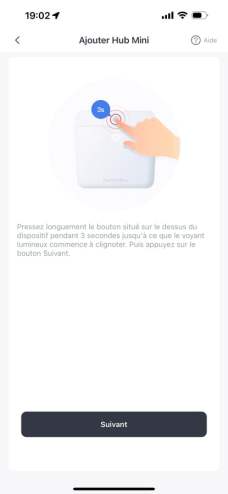
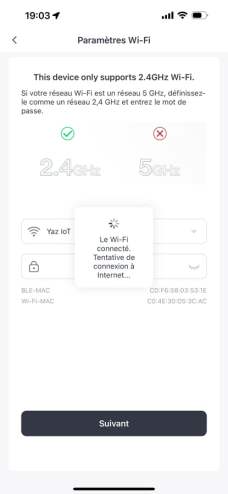
Software Configuration: Once physically positioned, the software setup is initiated via the intuitive SwitchBot application. The app efficiently auto-detects the Hub Mini, making the pairing process remarkably swift. Users simply input their Wi-Fi network password to establish internet connectivity. Following this, the real power of Matter integration comes into play.
Matter Integration and a Notable Limitation:

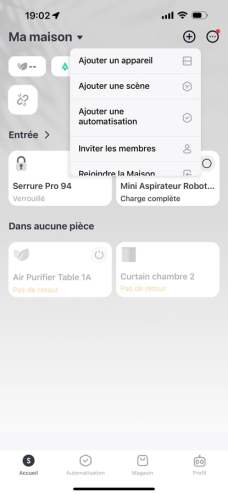
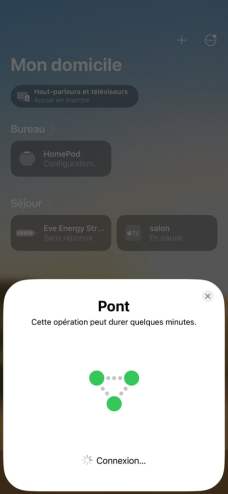
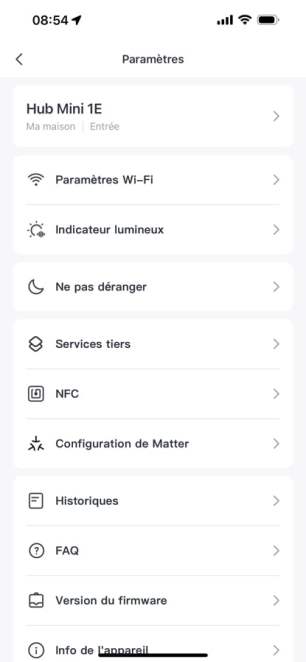
After the initial setup in the SwitchBot app, the Hub Mini Matter can be integrated into a user’s preferred Matter-compatible smart home ecosystem (Apple Home, Google Home, Alexa, SmartThings). This is accomplished by scanning the QR code on the device or manually entering a pairing code. Once the Hub Mini itself is recognized by the main smart home platform, users return to the SwitchBot application. Within the Hub Mini’s dedicated settings page, under the "Matter Configuration" section, a list of "Secondary Devices" associated with the Hub Mini appears. From this list, users can select which of their SwitchBot devices (e.g., smart curtains, locks) they wish to expose to the broader Matter ecosystem. This allows for remote control, inclusion in cross-platform automations, and voice command integration.

However, a significant limitation emerges here: the SwitchBot Hub Mini Matter currently supports the exposure of a maximum of four secondary devices via Matter. While this might suffice for users with a small SwitchBot footprint, it presents a notable constraint for those with more extensive smart home setups. This limitation, which could be attributed to technical design choices, Matter’s current implementation specifics, or a strategic decision by SwitchBot, is a point of frustration for power users. It suggests that users with more than four SwitchBot devices might still need to rely on the native SwitchBot app for controlling the remainder, or consider acquiring multiple Hub Mini Matter units, thereby increasing complexity and cost. Industry analysts speculate such constraints might be temporary as Matter matures, or perhaps a differentiator for future "Pro" versions of hubs.

Transforming Legacy Devices: The Universal IR Remote Functionality

Beyond integrating SwitchBot’s own ecosystem into Matter, the Hub Mini’s most impressive feature is its ability to centralize and smarten control over traditional IR-controlled devices. Placed strategically in a living room, the Hub Mini can effortlessly take command of a television, a DVD player, an audio receiver, and even a climate control system (air conditioner). As long as the device is within the Hub Mini’s line of sight, control is seamless and reliable.
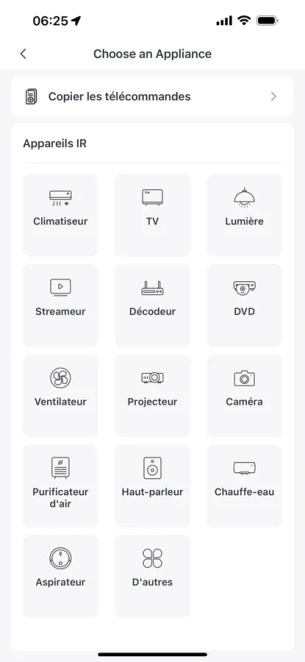
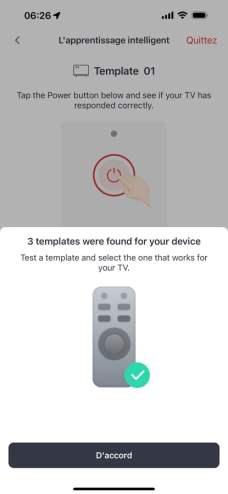
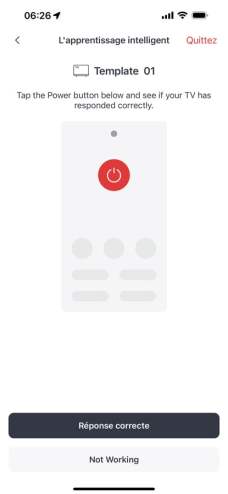
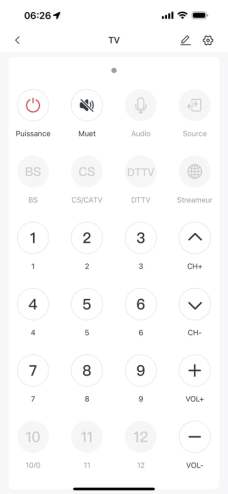
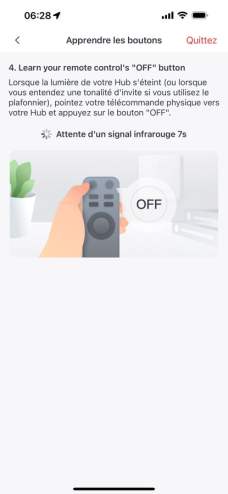
The configuration process for IR devices is remarkably straightforward within the SwitchBot app. Users navigate to the Hub Mini’s main page, select "Add Remote Control," and then point their physical remote at the Hub. The app offers several options for learning and configuring remotes:

- Smart Matching: The app attempts to identify the device and its remote control codes from a vast, pre-existing database. This is the quickest and most common method for popular brands and device types.
- Manual Learning: For less common devices or specific functions, users can teach the Hub Mini individual buttons by pressing them on the physical remote while the Hub "listens." This allows for highly customized control.
- Custom Remote: For entirely unique or unsupported devices, users can build a custom remote layout within the app, assigning learned IR signals to virtual buttons.
Once configured, these traditional devices are no longer "dumb." They can be controlled via the SwitchBot app from anywhere, integrated into routines, and, if selected as one of the four Matter-exposed devices, managed through Apple Home, Google Home, or Alexa via voice commands or shared automations. This capability significantly enhances convenience, potentially leading to energy savings by allowing remote power-off of forgotten appliances and streamlining daily interactions with household electronics.

Real-World Application and Broader Implications
In daily use, the SwitchBot Hub Mini Matter acts as an indispensable central nervous system for a hybrid smart home. Users gain the ability to remotely operate their SwitchBot Curtain 3 to open or close blinds, lock their SwitchBot Lock Pro from afar, and even pre-cool their living room with the AC before arriving home – all through a single, unified interface or voice assistant. The integration with major smart home platforms (Apple Home, Google Home, Amazon Alexa, SmartThings, and IFTTT) means that comprehensive routines can be created. Imagine a "Good Morning" routine that opens the smart curtains, turns on the coffee machine (via a smart plug), and powers on the TV, all triggered by a single voice command or a time schedule. Real-time notifications for device status further enhance the user experience, providing peace of mind and immediate alerts.
From a market perspective, the SwitchBot Hub Mini Matter is competitively priced at 69.99 Euros, available directly from SwitchBot and authorized resellers like Amazon. This pricing positions it as an affordable yet powerful solution, especially when considering its triple functionality: a Matter bridge, a SwitchBot ecosystem gateway, and a universal IR blaster. It competes with dedicated IR blasters and other Matter controllers, often offering a more comprehensive feature set at a comparable or better value.
The Hub Mini Matter’s release holds significant implications. For SwitchBot, it solidifies its position as a serious contender in the broader smart home market, demonstrating a commitment to interoperability and future-proofing its ecosystem. For consumers, it democratizes smart home control, offering a cost-effective path to modernize older appliances and integrate a diverse range of devices under a single, user-friendly standard. For the Matter standard itself, the Hub Mini Matter serves as a practical example of its ability to integrate complex, multi-protocol devices and bring legacy technology into the modern smart home fold, further accelerating its adoption and showcasing its versatility. Despite the current four-device Matter limitation, the Hub Mini Matter represents a substantial leap forward in simplifying and expanding the smart home experience.

Conclusion
The SwitchBot Hub Mini Matter is more than just another smart home accessory; it is a versatile bridge meticulously engineered to address some of the most pressing challenges in home automation. By seamlessly integrating SwitchBot’s efficient local ecosystem with the universal Matter standard and breathing new life into traditional IR-controlled devices, it offers unparalleled convenience and control. Its minimalist design, comprehensive connectivity, and straightforward installation process make it an attractive proposition for both new smart home adopters and seasoned enthusiasts seeking to unify their diverse device collections. While the Matter device limit is a point for future consideration, the Hub Mini Matter undoubtedly delivers on its promise, making the dream of a truly interconnected, intuitive, and universally controllable smart home a more tangible reality.