Metty Iskandar
The year 2022 proved to be a significant turning point for me, marked by an unexpected and prolonged period without a functional mobile phone. Following the unfortunate demise of my Pixel 7, I found myself in a precarious situation. With mounting family expenses, the immediate purchase of a new device was financially unfeasible. My existing collection of older work devices, primarily from OnePlus and other manufacturers, offered Wi-Fi capabilities but lacked the necessary cellular bands to connect to any major US network. This predicament necessitated a strategic adaptation to my daily life, relying on a combination of my home internet, public Wi-Fi hotspots, and the generosity of my wife’s phone for mobile data tethering. While technically possible to navigate modern life without a dedicated phone service, the experience was far from seamless, presenting a unique set of challenges and, surprisingly, offering valuable lessons.
The Unforeseen Disconnection: A Personal Account of 2022
The initial months of 2022 were defined by a deliberate effort to conserve resources while simultaneously seeking a sustainable solution to my connectivity gap. The broken Pixel 7 was not just a device; it was a primary tool for communication, information access, and navigation. Its absence forced a reevaluation of my reliance on constant digital connection. The days of spontaneous calls, instant messaging, and immediate access to online information were replaced by a more planned and deliberate approach to communication and information gathering. This period, while financially driven, became an unintentional experiment in digital minimalism, highlighting the pervasive nature of smartphone dependence in contemporary society.
Navigating a Connected World with Disconnected Tools
The transition to a life without active cellular service required a fundamental shift in how I interacted with technology and the world around me. Essential tasks that were once effortless, such as making calls, sending texts, or accessing real-time navigation, now demanded foresight and alternative strategies.

Leveraging VoIP Services for Communication:
To bridge the communication gap, I adopted Google Voice, a Voice over Internet Protocol (VoIP) service. This allowed me to make and receive calls, as well as send and receive text messages, using my existing Google account without a traditional phone plan. However, VoIP services often present challenges, particularly with two-factor authentication (2FA) for online accounts. Many services that rely on SMS for 2FA verification were inaccessible or problematic. To circumvent this, I increasingly utilized authenticator apps, which provide time-based one-time passwords (TOTP) independent of SMS. In certain critical instances where no alternative authentication method was available, I had to resort to using my wife’s phone number, underscoring the limitations of a purely Wi-Fi-based communication strategy.
Offline Navigation and the Art of Planning:
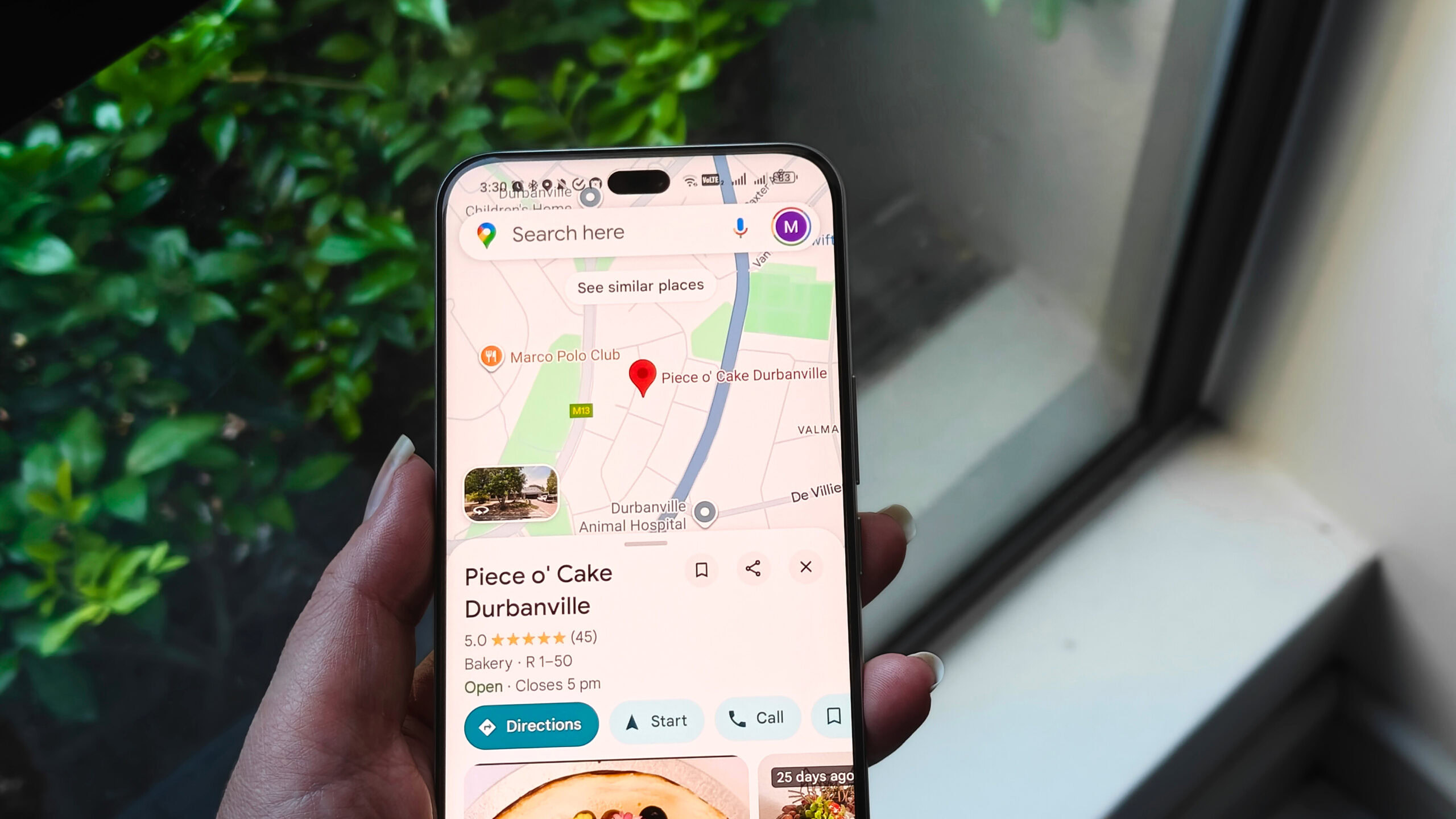
Navigation, a critical function for anyone who frequently travels or operates in unfamiliar environments, presented another significant hurdle. My reliance on GPS for guidance meant that a disconnected phone could lead to considerable inconvenience. Fortunately, services like Google Maps offer offline functionality. By downloading map data for specific regions beforehand, I could still utilize GPS for navigation. However, this solution came with caveats. The amount of downloadable map data is finite, and these downloads expire, requiring periodic updates. Furthermore, the absence of live traffic updates and real-time rerouting meant a greater degree of personal attention and situational awareness was necessary. Instead of blindly following GPS prompts, I had to engage more actively with road signs and my surroundings, a skill that had become somewhat dormant due to over-reliance on digital navigation.
Curating Offline Content and Activities:
The periods of limited or no Wi-Fi access necessitated a proactive approach to entertainment and information consumption. I began to curate a selection of offline-capable applications and content. Beyond gaming, this included utilities like Kiwix, which allows for the offline download of substantial portions of Wikipedia, and services for saving articles and web content for later reading when connectivity was available. This practice fostered a more intentional approach to information consumption, shifting from passive scrolling to a more curated and focused engagement with digital content.
The Unexpected Upside: Reclaiming Peace and Presence
Despite the initial anxieties and practical challenges, the period of living without a constant phone connection brought about several unforeseen positive outcomes. The most profound of these was a significant reduction in digital bombardment. The incessant stream of notifications from texts, emails, and various applications that had become the norm for decades, suddenly ceased. This cessation of constant digital stimuli brought a sense of peace and mental quietude that was both surprising and deeply welcome.
Cultivating Intentionality in Digital Life:
The enforced disconnection fostered a greater sense of intentionality in my digital interactions. It became my choice, rather than an external imperative, when to engage with my devices and when to disconnect. This shift in control led to a reevaluation of the importance of social media and other digital platforms. As I spent less time tethered to my phone, the perceived urgency and relevance of these platforms diminished. This newfound perspective encouraged me to dedicate more time and energy to physical activities and real-world experiences.
Rediscovering Physical Pursuits and Enhanced Navigation Skills:
The increased downtime from digital distractions provided an opportunity to engage in new physical hobbies. Activities such as rock climbing, kayaking, and simply spending more time outdoors became central to my routine. This not only improved my physical well-being but also contributed to a more balanced and fulfilling lifestyle. Concurrently, the necessity of relying on my own cognitive abilities for navigation, rather than solely on GPS, led to a marked improvement in my spatial reasoning and directional skills. This was a tangible benefit, a testament to the fact that actively engaging with tasks can lead to skill development.
The Nuances of Disconnection:
It is important to acknowledge that the experience was not entirely without its drawbacks. There were instances where I missed important calls or found myself wanting to quickly research a local establishment or service. These moments underscored the convenience and efficiency that a connected smartphone offers. The need to plan around available Wi-Fi or hotspot access was a constant consideration. However, these minor inconveniences were outweighed by the broader positive impacts on my mental well-being and the rebalancing of my digital life.
Lessons Learned: Integrating Disconnection into a Connected Life
After approximately nine to ten months without active cellular service, I eventually acquired a new flagship smartphone and reinstated my phone plan. While the return to constant connectivity brought back a level of ease and convenience, the lessons learned during my period of disconnection remained deeply ingrained.
Mindful Device Usage:
Even with a fully functional smartphone, I continue to practice many of the habits developed during my disconnected phase. My phone is not constantly in my pocket or by my side. I often leave it in a specific room when I am at home, and I consciously choose not to bring it out during meals or social gatherings. This deliberate approach prioritizes presence and genuine interaction over the allure of digital stimulation.
The Value of Intentional Breaks:
While I do not advocate for everyone to abandon their phone plans, I strongly believe in the benefits of intentionally disconnecting from one’s device from time to time. For individuals who work remotely and have consistent Wi-Fi access, a complete disconnection might be feasible. However, for the majority, even short periods of digital abstinence can be profoundly beneficial. Leaving your phone at home when going out with friends, setting aside specific hours of the day to keep your phone out of reach, or simply turning off non-essential notifications can help to mitigate the habitual urge for constant checking. For most, a few days or even a week can be sufficient to recalibrate one’s relationship with technology and foster a greater sense of presence and well-being.
The experience of living without a phone plan in 2022 served as a powerful reminder that while technology offers unparalleled convenience and connectivity, it is crucial to maintain a conscious and intentional relationship with it. The skills and perspectives gained during that period continue to inform my daily life, promoting a more balanced and fulfilling existence in an increasingly connected world.