George Chandra Eka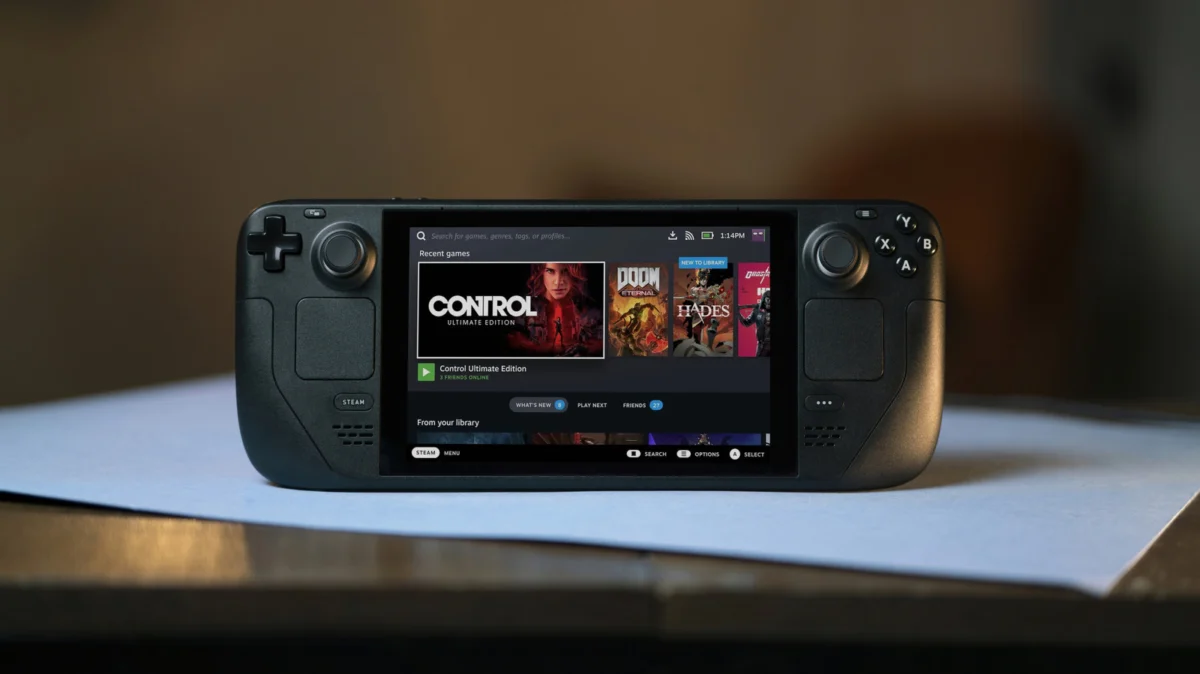
The Steam Deck, once hailed as the undisputed monarch of portable PC gaming, finds itself in 2026 navigating a radically altered market landscape. A confluence of global economic pressures, including the ongoing "RAMageddon" memory shortage, and the emergence of formidable competitors has driven its price significantly upward, compelling consumers to critically re-evaluate its value proposition against a new generation of handheld powerhouses. What was once an innovative, relatively affordable entry into mobile PC gaming is now a more premium offering, forcing a deeper consideration of its features, performance, and ecosystem in a fiercely competitive arena.
The Economic Undercurrent: RAMageddon and Rising Prices
The year 2026 continues to grapple with the profound economic reverberations of "RAMageddon," a protracted global memory shortage that has sent shockwaves across the tech industry. This crisis, primarily ignited by an unprecedented surge in demand for high-bandwidth memory (HBM) from artificial intelligence (AI) data centers, has strained manufacturing capacities and inflated component costs for virtually every sector reliant on dynamic random-access memory (DRAM). Unlike historical trends where gaming console prices typically decline over their lifecycle, the current environment has seen an inverse effect, with devices across the board experiencing upward price adjustments.
For the Steam Deck, this meant a significant financial hit. Originally launched at a more accessible price point in February 2022, the device has endured a cumulative price increase of up to $300 across its various configurations by 2026. This stark contrast to expected consumer electronics pricing trajectories places the Steam Deck in a higher pricing tier, often directly comparable to or even exceeding more recent, hardware-refreshed competitors. Market analysts at firms like IDC have repeatedly revised down PC market forecasts, explicitly citing memory cost escalation as a primary factor throttling growth and exacerbating inflationary pressures on consumer-facing tech products. The impact on gaming handhelds is particularly acute, as these devices pack PC-level components into compact form factors, making them highly susceptible to memory price fluctuations.
A Shifting Gaming Landscape: From Novelty to Necessity
When the Steam Deck first arrived on the scene in early 2022, it was a revelation. It offered a compelling blend of portability and access to a vast PC game library, something the market hadn’t seen executed so effectively before. Its Linux-based SteamOS, coupled with the Proton compatibility layer, allowed a wide array of Windows-native games to run seamlessly. However, the technological currents began to shift rapidly. Just months after the Deck’s debut, Epic Games released Unreal Engine 5, an engine that promised and delivered unprecedented graphical fidelity and environmental complexity. This development, while exciting for game designers and players alike, gradually raised the bar for hardware requirements, pushing even modern GPUs and CPUs to their limits.
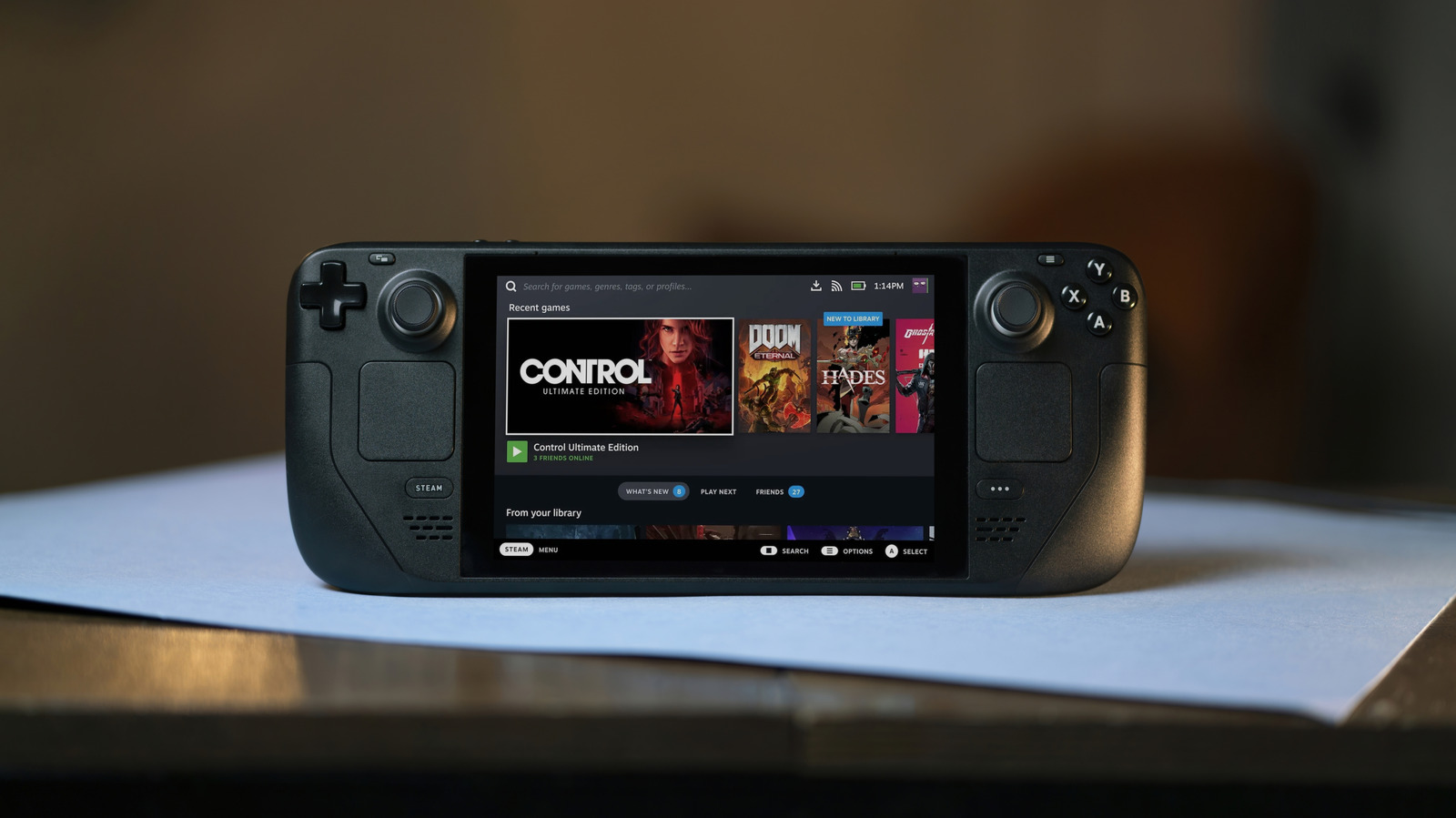
Valve’s subsequent hardware revision, the Steam Deck OLED, released in 2023, primarily focused on refining the user experience rather than boosting raw processing power. While the OLED screen was a significant upgrade, offering vibrant colors and deeper blacks, and battery life saw substantial improvements, the underlying AMD APU remained largely unchanged in terms of computational capability. This strategic decision meant that while the Steam Deck offered a premium display and enhanced longevity, it did not receive the performance uplift necessary to comfortably tackle the increasingly demanding titles emerging from the Unreal Engine 5 era and beyond. This lack of a significant performance bump has become a critical point of contention for potential buyers in 2026, especially when comparing it against newer rivals built with more contemporary, powerful chipsets.
The Rise of Challengers: A Crowded Arena
The success of the Steam Deck inevitably spurred competition, leading to a vibrant, albeit fiercely contested, handheld PC market by 2026. The most prominent challengers to Valve’s device are the Asus ROG Ally series (including the original Ally and the refined Ally X) and the Lenovo Legion Go product line. Both these brands entered the market with a clear focus on delivering superior raw performance, often leveraging more recent AMD Ryzen Z1 Extreme or similar APUs.
In direct performance benchmarks, such as the industry-standard 3DMark Time Spy test for evaluating GPU and CPU capabilities, the Asus ROG Ally and most Lenovo Legion Go models consistently outperform the Steam Deck OLED. While the specific frame rate advantage can vary significantly depending on the game, its optimization, and the chosen graphics settings, these competitors generally offer a smoother experience, particularly in graphically intensive titles. For instance, playing a demanding 2026 AAA release like the hypothetical "Chronicles of Aethelgard: Nexus" or even a 2024 title like "Cyberpunk 2077" often sees the Ally or Legion Go maintaining a more stable 40-60 frames per second at moderate settings, where the Steam Deck might struggle to maintain a consistent 30fps. It is noteworthy, however, that some entry-level models, such as the Legion Go S or the Legion Go variant equipped with the less powerful Z2 AMD chip, show minimal performance differentiation from the Steam Deck, suggesting a tiered performance strategy from manufacturers.
Beyond raw power, these competitors also differentiate themselves through operating systems and form factors. The Asus ROG Ally series, while powerful, runs on Windows, which offers unparalleled compatibility with a vast PC game library, including titles not available on SteamOS or those utilizing specific anti-cheat mechanisms. However, Windows on a handheld can be a double-edged sword, often criticized for its less-than-optimal touch interface, resource overhead, and occasional driver complexities compared to the streamlined SteamOS experience. Conversely, the Lenovo Legion Go has addressed some of these concerns by introducing models that run SteamOS, effectively marrying higher performance hardware with Valve’s user-friendly software ecosystem. The Legion Go line (excluding the S models) also stands out with its innovative detachable, Joy-Con-esque controllers, offering versatility for docked gaming or shared local multiplayer sessions—a feature not natively present on the Steam Deck or ROG Ally.
The Nintendo Factor: A Different Kind of Contender
Amidst the PC handheld giants, the Nintendo Switch 2, though operating in a distinct ecosystem, remains a significant alternative. As articulated by Jessica Conditt, a veteran technology journalist who reviewed the Steam Deck OLED for Engadget, "Prices are ludicrous. I feel like Switch 2 is the only handheld that makes sense for its price at the moment, honestly." Despite a price increase in September 2026, moving from $450 to $500, the Switch 2 still undercuts the cost of most high-end PC handhelds from Asus and Lenovo, presenting a compelling value proposition for consumers prioritizing cost and a curated gaming experience.
The Switch 2 also brings unique technological advantages. It is the sole handheld in this competitive landscape capable of supporting Nvidia’s Deep Learning Super Sampling (DLSS) rendering technology, which uses AI to upscale lower-resolution images to higher ones, significantly boosting frame rates without a noticeable loss in visual quality. This feature is crucial for future-proofing and ensuring playable frame rates in graphically intensive games. Furthermore, alongside the Steam Deck OLED, the Switch 2 is one of the few handhelds to support High Dynamic Range (HDR) displays, offering richer contrast and a broader spectrum of colors for a more immersive visual experience. Its primary limitation, however, remains its proprietary game library, which, while excellent, cannot match the sheer breadth and depth of PC game catalogs accessible to the Steam Deck and its Windows-based rivals.
The Verdict in 2026: A Multifaceted Decision
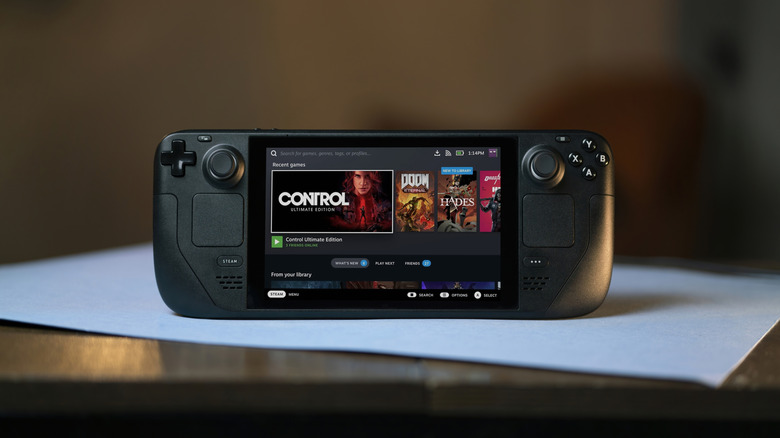
The question of whether the Steam Deck is still "worth it" in 2026 has become far more nuanced than it was at its inception. The answer hinges heavily on individual priorities, gaming habits, and budget constraints.
Gaming Preferences and Ecosystem: For players whose primary gaming library resides on Steam and who are not overly concerned with pushing the absolute bleeding edge of graphics, the Steam Deck remains a highly viable option. Its seamless integration with the Steam ecosystem, intuitive SteamOS interface, and continued software support from Valve provide a comfortable and familiar experience. Conditt reinforces this, stating, "If you only want to play Steam games and you’re not too worried about bleeding-edge graphics, Steam Deck is still a great little machine, even with the price increase." However, a crucial caveat remains: SteamOS’s Linux foundation, while robust, cannot natively run games that employ certain kernel-level anti-cheat software, such as popular titles like Fortnite or Call of Duty: Warzone. For dedicated players of these specific games, a Windows-based alternative becomes a necessity.
Battery Life and Ergonomics: While the raw battery capacities of some competitors like the Xbox Ally and Legion Go (S and 2 models) might appear larger on paper, the Steam Deck OLED often translates to superior real-world battery longevity. This is largely due to the efficiency of SteamOS and Valve’s meticulous optimization of power consumption. When competitor devices are pushed to their full performance potential, their larger batteries drain significantly faster. For gamers who prioritize extended play sessions away from a power outlet, the Steam Deck typically offers the best endurance. Furthermore, its ergonomic design, often praised for its comfort during long gaming sessions, combined with its relatively lighter weight (second only to the Switch 2 among its direct competitors), makes it a preferred choice for sustained handheld use.
Price Point and Value: In 2026, the pricing structure for handhelds presents a clear hierarchy. The Nintendo Switch 2, despite its recent increase, stands as the most affordable entry point. For those seeking access to a PC game library, the regular Asus ROG Ally is often the most budget-friendly Windows-based option, albeit with the inherent trade-offs of Windows on a handheld. The Steam Deck OLED, with its adjusted price, now sits in the mid-to-high range, typically less expensive than the more powerful Xbox Ally X and the majority of the current generation Lenovo Legion Go products when purchased directly from official channels. While occasional sales might see a Legion Go S dip below the Steam Deck’s MSRP on third-party retailers like Amazon, these are exceptions rather than the norm.
Therefore, the decision boils down to a fundamental choice:
- Nintendo Switch 2: For maximum affordability, exclusive titles, and cutting-edge features like DLSS and HDR, accepting a closed ecosystem.
- Asus ROG Ally (regular): For the most affordable access to a full PC library via Windows, accepting potential OS quirks.
- Steam Deck OLED: For a balanced experience prioritizing the Steam ecosystem, excellent ergonomics, and superior real-world battery life, accepting slightly lower raw performance compared to newer rivals, but at a more competitive price than top-tier PC handhelds.
- Asus ROG Ally X / Lenovo Legion Go: For uncompromised raw performance, full Windows versatility (or SteamOS on some Legion Go models), and innovative features like detachable controllers, but at the highest price premium.
Broader Implications and The Future of Handheld Gaming
The 2026 handheld market exemplifies a dynamic industry grappling with technological advancement, economic pressures, and evolving consumer demands. "RAMageddon" serves as a stark reminder of how global supply chain vulnerabilities can reshape pricing and product strategies. The diversification of handhelds into distinct performance and ecosystem tiers indicates a maturing market, moving beyond a "one-size-fits-all" approach. Consumers now have an unprecedented array of choices, allowing them to align their purchase with specific needs, whether it’s budget, raw power, game library, or user experience.
Valve’s strategy with the Steam Deck, prioritizing ecosystem integration, software optimization, and user comfort, continues to hold merit, even as raw performance benchmarks favor newer entrants. The longevity of SteamOS and its continuous updates underscore Valve’s commitment to its platform, potentially offering a more consistent long-term software experience than some Windows-based alternatives that rely heavily on third-party driver updates. As the market continues to evolve, the Steam Deck’s enduring appeal will likely rest on its established ecosystem, community support, and Valve’s ability to maintain a competitive price point relative to its unique value proposition, rather than engaging in a pure spec-sheet arms race it may not be designed to win. The ultimate "worth" of the Steam Deck in 2026 is less about being the absolute best in every category and more about being the best fit for a specific type of gamer.