Chandra Wibowo
Orionx, a prominent cryptocurrency exchange based in Chile and notably backed by Tether, the issuer of the USDt stablecoin, has announced the permanent closure of its operations. This abrupt halt follows the discovery of a significant financial shortfall, amounting to over $7 million in custodial assets that have been moved to unmanaged wallets. The exchange, which had positioned itself as a key player in advancing digital asset adoption across Latin America, now faces intense scrutiny and the daunting task of returning client funds.
The unfolding crisis at Orionx began to crystallize after a comprehensive forensic audit, initiated as part of its compliance with Chile’s burgeoning Fintech Law. According to a company announcement shared via its official X account on Thursday, the audit revealed a critical discrepancy: more than $7 million in assets held in custody for clients had been transferred to wallets outside the exchange’s direct control. This revelation has triggered a formal closure process, with the immediate priority being the repatriation of as much client capital as possible. Withdrawals have been temporarily suspended as Orionx navigates this complex and financially precarious situation.
The timing of this collapse is particularly striking, occurring just 15 months after Tether spearheaded Orionx’s Series A funding round. This investment, announced in June 2025, was part of a strategic initiative by Tether to bolster digital asset adoption within the Latin American market. The now-defunct partnership aimed to leverage Orionx’s regional presence and Tether’s global influence to foster greater accessibility and utility for cryptocurrencies in countries like Chile, Peru, Colombia, and Mexico. The failure of Orionx casts a shadow over these expansion efforts and raises questions about the due diligence processes involved in such high-profile investments.
Unraveling the Chronology of the $7 Million Shortfall
Details surrounding the exact timing and the initial discovery of the $7 million asset discrepancy remain somewhat opaque, with Orionx’s public statements offering limited clarity on these crucial aspects. However, information emerging from a criminal complaint filed by Orionx, as reported by the Chilean newspaper La Tercera, sheds more light on the sequence of events.
The internal review process was reportedly initiated in 2025, a period during which Orionx was actively working to align its operations with the requirements of Chile’s Fintech Law. This legislative framework, designed to foster innovation while ensuring consumer protection and financial stability, mandated rigorous operational reviews for companies operating within the digital asset space. As part of this compliance push, Orionx engaged external financial professionals to scrutinize its internal processes and asset management practices.
On August 27th, the situation escalated dramatically when Thomas Mac Millan, Orionx’s Chief Operating Officer, identified a "significant mismatch" between the balances recorded in the exchange’s internal systems and the actual assets held in its custody wallets. This alarming discovery prompted an immediate internal investigation. Following this preliminary assessment, Orionx commissioned an external forensic audit. This audit involved a meticulous comparison of the exchange’s internal records against verifiable on-chain data, providing an independent verification of asset holdings. The audit’s findings were stark: the recorded balances for key cryptocurrencies, including Bitcoin (BTC), Ether (ETH), XRP, and Polygon (POL), significantly exceeded the verifiable amounts held in Orionx’s designated custody addresses.
Further details from the criminal complaint suggest a protracted period during which assets may have been moved. Reports indicate that the transfers out of Orionx’s custody could have occurred between 2018 and 2021, with some assets allegedly being directed to accounts on other cryptocurrency platforms. This timeline, if accurate, implies that the issue may have been developing for several years before its eventual detection.
Allegations Against Co-Founders and Denials of Wrongdoing
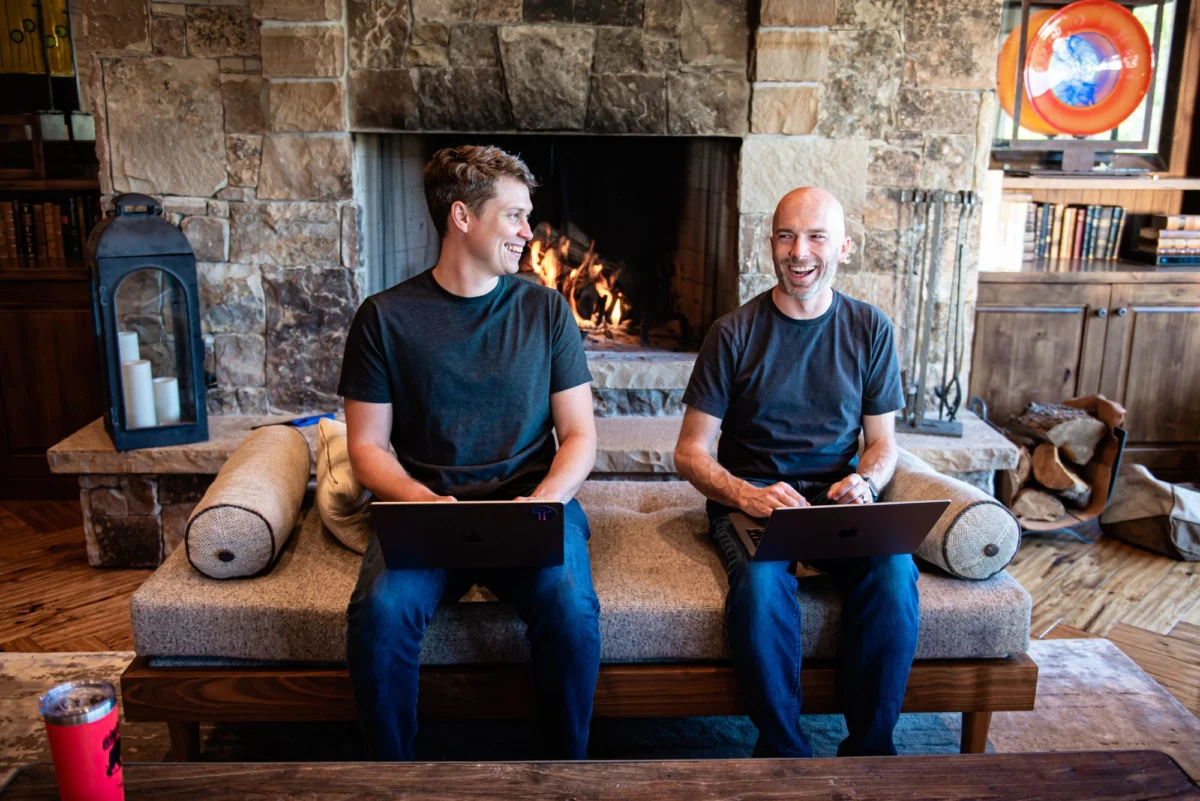
In response to the findings, Orionx has taken a significant legal step, filing a criminal complaint on Wednesday against two of its former executives and co-founders: Roberto Zibert and Joaquín Díaz. The complaint alleges that both individuals had access to Orionx’s critical crypto custody systems and were potentially involved in the unauthorized movement of funds.
According to La Tercera, the criminal complaint details specific transactions linked to these former executives. It is alleged that an account associated with Joaquín Díaz received over $1.5 million through 14 separate transfers. Furthermore, another wallet purportedly received substantial amounts of cryptocurrency from Orionx, including 187 Ether, more than 4.1 million USDt (USDT), and 200,000 USDC. These figures represent a significant portion of the identified shortfall.
However, Roberto Zibert and Joaquín Díaz have categorically denied these allegations. In statements reported by La Cuarta, they asserted that their actions never contravened the interests of customers. They also maintained that the true cause of Orionx’s asset shortfall remains undetermined, suggesting that external factors or other internal issues might be responsible, rather than their alleged involvement. This stark disagreement between the current leadership and the accused co-founders sets the stage for a potentially lengthy and complex legal battle.
Tether’s Strategic Investment and the Broader Implications
The collapse of Orionx carries significant implications, not least for its major investor, Tether. Founded in 2017, Orionx had established itself as a key player in the Latin American crypto market, evolving from a retail-focused exchange to a platform offering integrated crypto payment and financial services. Its expansion into Peru, Colombia, and Mexico underscored its ambition to become a dominant force in the region.
Tether’s strategic investment in June 2025 was a clear signal of its commitment to expanding the reach and utility of digital assets across Latin America. The company exclusively led Orionx’s Series A funding round, a move that typically signifies strong confidence in the investee’s business model and growth potential. An archived version of Tether’s announcement highlighted the objective of advancing digital asset adoption. The fact that this announcement is no longer readily available on Tether’s official website may indicate a reevaluation of its public statements regarding the partnership in light of the current crisis.
The failure of a Tether-backed entity raises pertinent questions about risk management and due diligence within the stablecoin issuer’s investment strategy. While Tether has been instrumental in the growth of the stablecoin market and has made numerous investments aimed at fostering crypto adoption, this incident underscores the inherent risks associated with the volatile cryptocurrency landscape. The loss of client funds at Orionx could potentially impact investor confidence in other regional exchanges and may prompt increased scrutiny from regulatory bodies across Latin America.
Furthermore, the situation highlights the ongoing challenges faced by crypto exchanges in ensuring robust security and transparent asset management. The complexity of digital asset custody, coupled with the potential for sophisticated fraud or mismanagement, necessitates stringent internal controls and continuous oversight. The Chilean Fintech Law represents a proactive step towards regulating this evolving sector, and the Orionx case will likely serve as a critical test case, potentially influencing future regulatory approaches and enforcement actions within the region.
As Orionx embarks on the difficult process of returning assets to its clients, the full scope of the financial and reputational damage remains to be seen. The company’s commitment to maximizing asset recovery offers a sliver of hope for its affected user base. However, the allegations against its co-founders and the substantial financial shortfall point towards a deeply problematic situation that will undoubtedly reverberate through the Latin American cryptocurrency ecosystem and beyond. The involvement of Tether as a significant investor adds another layer of complexity, potentially drawing attention to the broader stability and oversight practices within the stablecoin industry itself. Cointelegraph has reached out to both Tether and Orionx for comment, but responses were not received by the time of publication. The industry will be closely watching the developments as Orionx attempts to navigate this crisis and as regulatory bodies assess the fallout from this significant exchange failure.