Chandra Wibowo
A significant movement of Bitcoin, originating from addresses that had remained dormant for over 16 years, has captured the attention of the cryptocurrency community, reigniting speculation about a potential connection to Satoshi Nakamoto, the pseudonymous creator of Bitcoin. On Saturday, a total of 600 Bitcoin (BTC), valued at approximately $48 million at the time of the transaction, was moved from a dozen distinct wallets. This activity marks the first time these particular coins, mined in the nascent stages of Bitcoin’s history, have been accessed since their initial creation.
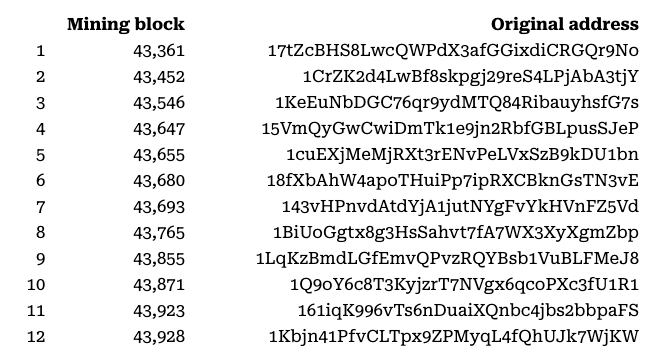
On-chain data analyzed by Cointelegraph and corroborated by blockchain transaction tracking platform Whale Alert reveals that these 600 BTC were derived from block rewards across 12 separate Bitcoin blocks. These blocks were mined in March 2010, a period when Bitcoin was still in its formative years and the identity of its creator, Satoshi Nakamoto, was widely known within the community and Nakamoto himself was actively involved in the project’s development.
Whale Alert, a prominent entity in monitoring and reporting large cryptocurrency movements, has conducted its own research into the origins of these newly activated coins. A spokesperson for Whale Alert stated to Cointelegraph that their analysis found no direct link between these specific mined blocks and Satoshi Nakamoto. This assertion aims to temper the fervent speculation that often arises when early-era Bitcoin is moved, given Nakamoto’s historic involvement during that period.
Tracing the Origins: Early Mining Rewards in Motion
Whale Alert’s comprehensive tracing efforts have pinpointed all 12 mining block rewards to blocks mined in March 2010. During that month, the block subsidy, which is the reward miners receive for validating transactions and adding new blocks to the blockchain, was a generous 50 BTC per block. This subsidy has undergone significant reductions over the years through a process known as "halving," which occurs approximately every four years. The most recent halving took place in April 2024, reducing the block subsidy from 6.25 BTC to its current rate of 3.125 BTC.
The current movement builds upon Whale Alert’s earlier findings. Previously, the platform had analyzed seven of these rewards, concluding in an X post on Sunday that those particular coins did not originate from blocks mined by Nakamoto. This earlier analysis had already begun to cast doubt on any direct Nakamoto connection for a portion of the newly moved Bitcoin.

Independent on-chain analytics platform Lookonchain had also initially identified a portion of this movement. They reported on seven miner wallets that moved 350 BTC after 16.5 years of inactivity, confirming that these coins were earned through mining in March 2010. The convergence of data from multiple analytical firms underscores the significance of this multi-year dormant Bitcoin surfacing.
The Satoshi-Era Connection: A Nuance of Ownership
The heightened interest in these Bitcoin movements stems from their origin during a pivotal period in Bitcoin’s history. Satoshi Nakamoto was actively engaged in Bitcoin’s development and community discourse throughout 2010. This era saw Nakamoto collaborating with early developers, refining the protocol, and responding to community feedback. Their involvement gradually diminished, with their last known public communication occurring in April 2011. Consequently, any Bitcoin mined during Nakamoto’s active tenure naturally attracts scrutiny and speculation about potential ownership.
However, it is crucial to distinguish between Bitcoin mined during Nakamoto’s active period and Bitcoin directly mined by Nakamoto himself. The early days of Bitcoin mining were characterized by a smaller network of participants, and it is widely believed that Nakamoto mined a substantial amount of early Bitcoin, potentially hundreds of thousands of BTC, as part of the network’s establishment. The current movement, while originating from blocks mined in 2010, does not automatically equate to Nakamoto’s personal holdings.
The data presented by Whale Alert, showing the specific block numbers and the rewards, allows for a detailed examination of the mining process. For instance, one of the addresses involved received a 50 BTC mining reward on March 5, 2010. This particular wallet remained inactive until September 5, 2026, when it moved its holdings to a new address, demonstrating a remarkable 16-year period of dormancy. This pattern of holding for such extended durations is not uncommon among early Bitcoin adopters and miners who believed in the long-term potential of the cryptocurrency.
Transaction Patterns and Potential Interpretations
Whale Alert also observed a subtle detail in the transaction flow of one of the rewards. They noted that one of the moved Bitcoin amounts traversed several blocks before the majority of the other transfers occurred. This sequence of events was described as being consistent with a test transaction, a common practice before executing larger, more complex transfers. This observation, while minor, adds another layer of detail to the analysis of the movement and suggests a degree of planning behind the operations.
The implications of such large-volume movements of old Bitcoin can be multifaceted. Firstly, it injects a significant amount of Bitcoin that has been off the market for over a decade back into circulation. Depending on the destination and purpose of these funds, this could potentially influence market dynamics, although the relatively small amount (600 BTC) compared to the total circulating supply of Bitcoin (currently over 21 million BTC) might limit immediate price impact.
Secondly, the activity draws renewed attention to the historical aspects of Bitcoin. It serves as a tangible reminder of the network’s early days, the dedication of its initial miners, and the enduring mystery surrounding Satoshi Nakamoto. Each such movement provides valuable data points for researchers and analysts studying Bitcoin’s on-chain history and network behavior.
Broader Context and Future Implications
The movement of these 2010-mined Bitcoins occurs against a backdrop of increasing institutional interest in Bitcoin and a maturing cryptocurrency market. As Bitcoin’s price has historically shown volatility, periods of dormancy for early-mined coins have often been interpreted as a sign of long-term holding conviction. The fact that these coins are now being moved suggests a potential change in strategy or a realization of value by the current holders.
The speculation linking these movements to Satoshi Nakamoto, while officially denied by Whale Alert, highlights the enduring fascination with Bitcoin’s creator. Nakamoto’s disappearance from the public eye remains one of the most significant mysteries in the tech world. Any activity associated with the early days of Bitcoin mining inevitably sparks questions about whether these are the actions of Nakamoto themselves or early adopters who acquired Bitcoin through mining during the creator’s active period.
For the broader cryptocurrency ecosystem, such events underscore the importance of robust on-chain analysis tools and transparent data reporting. Platforms like Whale Alert and Lookonchain play a crucial role in demystifying complex blockchain transactions and providing valuable insights to the public and the industry. Their ability to trace the provenance of coins and identify patterns of activity is essential for understanding the flow of digital assets and maintaining the integrity of the network.
As Bitcoin continues to evolve and integrate into the global financial landscape, the movements of these historically significant coins will likely continue to be closely watched. While the direct link to Satoshi Nakamoto remains elusive, the resurgence of these long-dormant assets serves as a potent reminder of Bitcoin’s pioneering journey and the enduring legacy of its enigmatic creator. The transparency of the blockchain ensures that such activities, however old, can be scrutinized, contributing to a richer understanding of Bitcoin’s past, present, and future.