Vera Intan Clara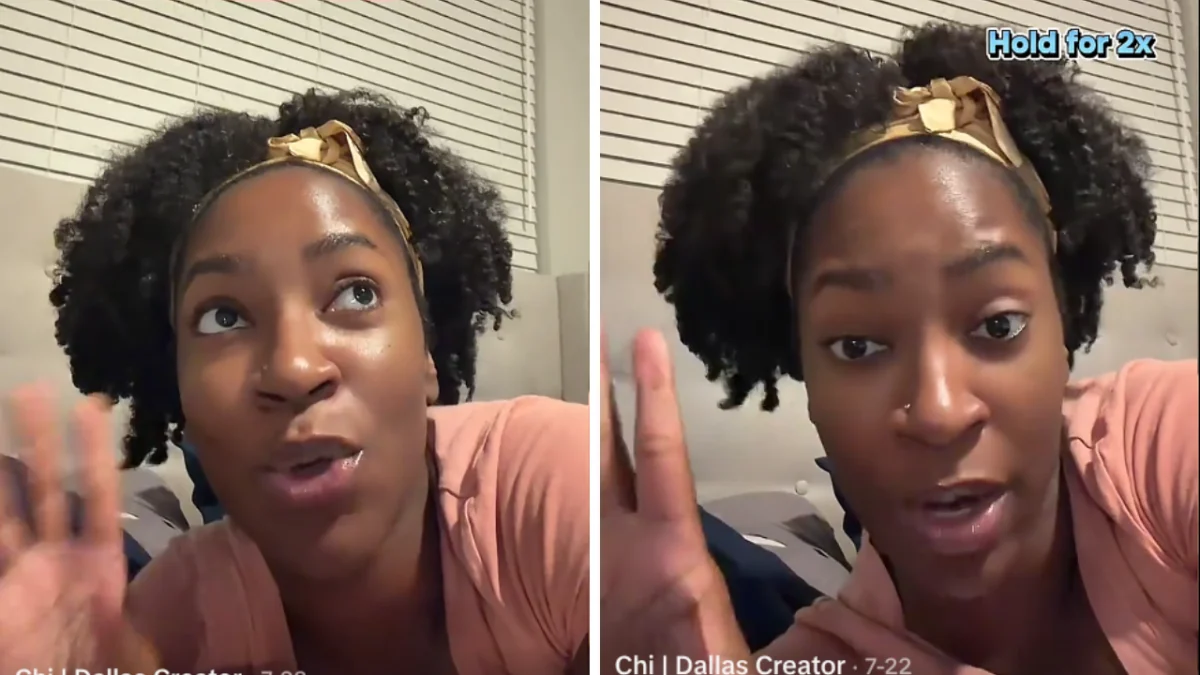
The digital landscape of modern romance, increasingly navigated through dating applications, frequently presents both opportunities for connection and unforeseen challenges. A recent viral TikTok video, shared by user @doseofchi, has brought to the fore a particularly unsettling experience, sparking widespread discussion about user safety, boundary setting, and the psychological complexities of online interactions. The creator recounted her journey with a Hinge match from approximately 2020 or 2021, an encounter that initially held promise but quickly devolved into a series of red flags and persistent, unconventional contact attempts. The narrative, which has garnered over 300,000 views and nearly 800 comments at the time of publication, serves as a cautionary tale, with many viewers concurring that the creator’s decision to disengage was ultimately prudent. This incident underscores the critical need for vigilance and adherence to personal safety protocols when engaging with individuals met through digital platforms, particularly as the lines between virtual and real-world interactions continue to blur.
The Genesis of a Digital Connection: Early Interactions and Emerging Concerns
The events chronicled by @doseofchi, whose real name is Chi, transpired while she resided in Fort Worth, Texas, during a period marked by increased reliance on digital platforms for social interaction, largely influenced by the global pandemic. In 2020 and 2021, as many faced restrictions on in-person gatherings, dating applications like Hinge saw a significant surge in user engagement. Hinge, which markets itself as "the dating app designed to be deleted," aims to foster more meaningful connections through detailed profiles and prompts. It was within this context that Chi downloaded the application and connected with a man who, in the initial stages of their interaction, appeared to be a promising match.
Their nascent relationship began in a manner typical of contemporary online dating. They exchanged messages within the Hinge app, gradually progressing to sharing social media handles and personal phone numbers. This transition from in-app messaging to more direct communication channels is a common step, often signaling a mutual interest in deepening the connection. Chi reported that they engaged in frequent video calls, sometimes lasting for hours, during which she found herself drawn to his personality and sense of humor. This sustained digital interaction, without the immediate pressures of in-person meetings, can often lead to a heightened sense of familiarity and emotional investment, sometimes disproportionate to the actual depth of the relationship. This phenomenon, often referred to as parasocial interaction in a broader context, can create an illusion of intimacy, making it harder to identify potential red flags.
Geographic Disparity and the First Date Dilemma
A significant point of contention arose when the pair attempted to plan their initial in-person meeting. Chi and her match resided in different parts of Texas, a state known for its vast geographical expanse. The man proposed Legacy West in Plano as their first date location. While Plano offered a vibrant commercial and entertainment district, it was approximately a five-minute drive from his residence but a substantial 45-minute commute for Chi from Fort Worth.
Chi immediately identified this suggestion as a red flag. In online dating, a common etiquette for the first meeting involves selecting a location that is mutually convenient, often a midpoint, to demonstrate respect for both parties’ time and effort. Chi suggested an alternative location closer to the midpoint between their respective cities. However, her match insisted on Legacy West, asserting that it offered a wider array of activities. This insistence, rather than a willingness to compromise, became a critical early indicator of a potential power imbalance or a lack of consideration for her convenience.
Despite her reservations, Chi eventually agreed to the location but sought to mitigate the logistical challenges by suggesting an earlier date time. Her reasoning was practical: she wished to avoid a late-night drive back to Fort Worth. His response to this reasonable request was unexpected and deeply concerning: "That’s no problem. You could just spend the night with me." This unsolicited suggestion, made before they had even met in person, represented a significant boundary overstep. It shifted the focus from a casual first date to an implicit expectation of physical intimacy, a tactic often recognized by online safety experts as a "love bombing" or manipulative behavior designed to accelerate a relationship beyond a comfortable pace. Chi, recognizing the impropriety of the suggestion, rejected it.
Persistent Invitations and Escalating Red Flags
Approximately a month after the initial failed attempt to meet, the man re-initiated contact, expressing a renewed desire to meet in person. Yet, his proposal again mirrored the earlier pattern, suggesting a location convenient to him. When Chi reiterated her preference for a meeting point closer to Fort Worth, he again dismissed the idea, claiming a lack of suitable activities in her area. His subsequent statement escalated the previous boundary violation: if he were to drive that far, he would expect to spend the night with her. This repeated insistence, coupled with the explicit expectation of an overnight stay as a condition for his travel, solidified Chi’s growing unease. It signaled a clear disregard for her comfort, autonomy, and safety, prioritizing his convenience and perceived entitlement over a genuine mutual connection.
At this juncture, Chi recognized the pattern of behavior as unhealthy and potentially dangerous. She communicated her decision to terminate contact, explicitly telling him not to reach out again. However, she later acknowledged a misstep in this process: she had failed to remove him from her social media platforms. This oversight, common among online daters who might not immediately sever all digital ties, inadvertently left an avenue for continued contact, a vulnerability that would soon be exploited.
The Jamaica Invitation and the Digital Stalker
The situation took an even more bizarre turn about two months later. The man, despite Chi’s explicit request for no further contact, reached out once more, this time extending an invitation for her to join him in Jamaica to celebrate his birthday. This proposition, coming from someone she had never met in person, was not only audacious but also deeply concerning from a safety perspective. Chi, citing her awareness of true-crime documentaries like "First 48," articulated her rationale for declining: "I’ve watched First 48. I’m not going out the country with a man that I can’t even go on a first date with." This statement encapsulates a critical safety principle: never travel to an unfamiliar location, especially abroad, with someone you have only met online and have not established a foundation of trust with in person. The risks associated with such an endeavor are substantial, ranging from financial exploitation to personal endangerment.
As his birthday approached, the man added Chi to his "Close Friends" list on Instagram, a feature designed for sharing exclusive content with a select group. It was through this access that Chi observed a photo of him having dinner with another woman. This seemingly innocuous detail, following his persistent attempts to meet her and his invitation to Jamaica, served as further evidence of his manipulative and potentially deceptive nature. The realization prompted Chi to take definitive action: she removed and blocked him from all social media platforms, severing the last remaining digital ties.
The "Emergency" Call and the Lekki Shooting Context
Just a week after blocking him, Chi received a series of calls from an unknown number while on her way to work. Assuming it might be an emergency, she answered, only to discover it was her former Hinge match, who was reportedly crying. This re-engagement, through an evasive method (unknown number), coupled with an emotional display, is a classic tactic often used to bypass boundaries and elicit sympathy.
He then sent her a text message, claiming his mother might be in danger. His mother, he stated, lived and worked in Lekki, Nigeria, a location that had indeed been the site of a significant shooting incident in October 2020. He alleged that the shooting was occurring near his mother’s office and that he was unable to reach her. Chi, despite her previous decision to cut ties, found herself in a perplexing situation. She was confused as to why he would contact her, given their lack of an in-person meeting and her explicit request for no contact. Nevertheless, out of a sense of human empathy, she followed updates about the shooting on her phone and offered her prayers for his mother’s safety. He eventually informed her that his mother was safe, attributing the communication lapse to temporary cell tower outages.
This final incident, regardless of the veracity of the emergency, highlights several concerning aspects of his behavior: the repeated disregard for Chi’s boundaries, the use of an emotional crisis to re-establish contact, and the potential for manipulation under duress. While the Lekki shooting was a real and tragic event, his decision to contact Chi—a woman he had never met, who had explicitly told him to cease contact—during a supposed family emergency, raises significant questions about his judgment and intentions.
Broader Implications: User Safety, Platform Responsibility, and Public Discourse
The experience shared by @doseofchi resonated deeply with the online community, sparking a robust discussion about the inherent risks and necessary precautions in online dating. Viewers predominantly focused on the man’s relentless attempts to dictate the terms of their interaction and his persistent contact despite Chi’s clear boundaries.
One commenter articulated a widely held sentiment: "The fact that he didn’t automatically agree to meet you halfway for the 1st date…and just kept pushing his agenda…is scary actually." This observation underscores the importance of mutual respect and compromise as foundational elements in any healthy relationship, even in its nascent stages. The absence of these traits, particularly in the context of persistent boundary violations, is often cited by online safety experts as a significant red flag.
Another commenter offered crucial advice regarding the sharing of personal information on dating apps: "Why are y’all giving men you don’t even know so much access to you? Stop giving out phone numbers, social media, your full names. Leave the conversation in the dating app and if you progress then you can take it offline." This recommendation aligns with best practices advocated by cybersecurity and online safety organizations. Keeping initial communications within the protected environment of the dating app allows users to report problematic behavior more easily and provides a layer of anonymity until trust is established. Sharing personal contact information prematurely can expose individuals to unwanted contact, stalking, or even more severe forms of harassment.
The TikToker’s account serves as a powerful testament to the learning curve inherent in online dating. Her experience led her to become "more cautious about becoming too invested in Hinge matches before meeting them in person." This personal revelation reflects a broader lesson for all online daters: emotional investment should ideally follow, rather than precede, a verified in-person connection and a demonstrated pattern of respectful, consistent behavior.
Expert Perspectives on Online Dating Safety and Red Flags
Dating apps, while facilitating connections, also carry inherent risks. According to reports from various safety organizations, incidents of harassment, catfishing, and even physical harm linked to dating apps are not uncommon. Experts advise users to be acutely aware of "red flags," which are warning signs that an individual might be manipulative, deceptive, or dangerous. These include:
- Insistence on Meeting on Their Terms: A refusal to compromise on meeting locations or times, or a persistent demand to meet at a private residence for a first date, can indicate a disregard for your safety and comfort.
- Pressure for Intimacy: Any suggestion of sexual activity or an overnight stay before a first date, or early in the relationship, is a major red flag.
- Love Bombing: Overwhelming you with excessive affection, compliments, or grand gestures early on, often to create a false sense of intimacy and commitment.
- Isolation Tactics: Trying to isolate you from friends or family, or demanding an excessive amount of your time and attention.
- Inconsistent Stories or Evasiveness: Details about their life or past that don’t add up, or a reluctance to answer direct questions.
- Boundary Violations: Disregarding your stated preferences, wishes, or requests for space.
- Emotional Manipulation: Using guilt, pity, or feigned crises to gain your sympathy or attention.
- Financial Requests: Any request for money, no matter how small or seemingly urgent, is a significant red flag.
Dating app companies, while striving to create safe environments, also place a significant onus on users for their own safety. They typically advise users to:
- Meet in Public: Always choose a public place for the first few dates.
- Tell a Friend: Inform a trusted friend or family member about your date’s details, including where you’re going and when you expect to return.
- Arrange Your Own Transportation: Maintain independence and control over your exit.
- Trust Your Gut: If something feels off, it probably is. End the date or conversation if you feel uncomfortable.
- Limit Personal Information: Be judicious about what you share about your home address, workplace, or daily routines until you’ve established trust.
- Report and Block: Utilize the in-app reporting and blocking features for any suspicious or inappropriate behavior.
Conclusion: A Call for Heightened Awareness in the Digital Dating Age
The narrative shared by @doseofchi is more than just a personal anecdote; it is a critical case study illustrating the evolving dynamics and potential pitfalls of online dating. Her experience, from the initial promising connection to the series of escalating red flags, persistent boundary violations, and the final bizarre "emergency" call, serves as a stark reminder of the complexities inherent in forming connections in the digital realm.
The widespread reaction on TikTok, with hundreds of comments echoing similar sentiments and offering advice, highlights a collective awareness of these challenges and a shared desire for safer online dating practices. As digital platforms continue to shape our social interactions, the responsibility for personal safety increasingly falls on the individual user. This entails not only an understanding of platform functionalities and safety features but also a keen awareness of behavioral red flags, a commitment to setting and enforcing personal boundaries, and the courage to disengage when an interaction becomes uncomfortable or threatening. While the convenience and reach of dating apps are undeniable, the story of Chi’s Hinge match underscores the enduring importance of prudence, skepticism, and self-preservation in the pursuit of connection in the digital age.
The Daily Dot could not independently verify @doseofchi’s account of her interactions with the Hinge match. The story is based on her recollection and the details she shared in her TikTok video, which has been widely discussed and analyzed by online communities.