admin
admin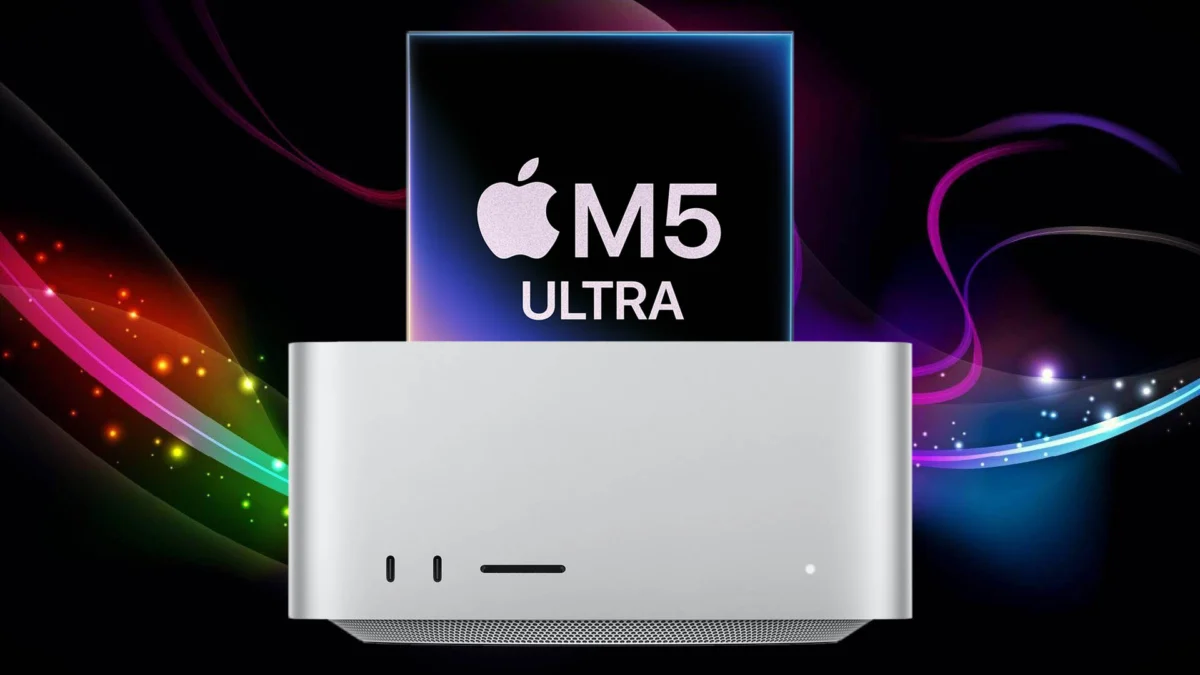
The professional computing landscape is currently grappling with a significant supply chain bottleneck as Apple’s most powerful desktop platform, the Mac Studio equipped with the M5 Ultra chip, experiences unprecedented delivery delays. Despite Apple’s reputation for logistical precision and its robust vertical integration, the latest market data indicates that consumers ordering the high-end workstation are now facing lead times of 16 to 18 weeks. This trajectory pushes expected delivery dates well into the first quarter of 2027, marking one of the most prolonged waiting periods for a Mac product since the transition to Apple Silicon began. This development comes in the wake of the M5 Ultra’s unveiling in August, an event that was initially met with optimism regarding product availability. However, the convergence of heightened professional demand and a volatile global memory market has created a deficit that the tech giant is currently struggling to bridge.
The Architecture of Power: Understanding the M5 Ultra
The supply constraints are particularly noteworthy given the technical leap represented by the M5 Ultra. Designed to anchor Apple’s professional desktop lineup, the M5 Ultra is a quad-die silicon marvel that effectively doubles the capabilities of the Max-tier chips through high-bandwidth interconnect technology. The processor features a sophisticated 36-core CPU architecture, comprising 12 "super cores" designed for high-intensity single-threaded tasks and 24 performance cores optimized for multi-threaded workloads. This configuration allows the Mac Studio to handle massive computational tasks, such as 8K video transcoding and complex scientific simulations, with significantly higher efficiency than its predecessors.
The graphical capabilities of the M5 Ultra further explain the surging demand among creative professionals. With an 80-core GPU, the chip introduces second-generation Dynamic Caching, a technology that allocates local memory in hardware in real-time so only the exact amount of memory needed is used for each task. This is complemented by hardware-accelerated mesh shading and third-generation ray tracing, which collectively provide a massive boost in performance for 3D rendering and high-end game development. Perhaps most importantly for the current market, the 32-core Neural Engine, equipped with dedicated Neural Accelerators in each GPU core, positions the Mac Studio as a premier local workstation for Large Language Model (LLM) training and generative AI development.
Recent benchmarks have solidified the M5 Ultra’s status at the top of the performance hierarchy. In Geekbench 7 testing, the M5 Ultra has demonstrated the ability to outperform the 96-core AMD Ryzen Threadripper PRO 9995WX in multi-core scores. This is a landmark achievement, as it shows Apple’s 36-core unified architecture outstripping a traditional high-core-count workstation CPU from AMD, which has long been the industry standard for raw multi-threaded power.
A Chronology of Supply Chain Instability
The current 18-week lead time for the M5 Ultra Mac Studio is not an isolated incident but rather the culmination of a series of supply chain adjustments that began earlier in the year. A retrospective look at Apple’s inventory management reveals a clear pattern of tightening supply.
In April, Apple took the unexpected step of pulling the base variant of the Mac mini from its online configurator. This specific model, which featured the M4 chip, 16GB of RAM, and 256GB of storage, was a high-volume seller at its $599 price point. Its removal signaled the beginning of a strategic consolidation of memory resources. By early May, the constraints reached the Mac Studio line. Apple discontinued the 256GB storage option for the M3 Ultra Mac Studio, effectively forcing the 96GB memory configuration as the entry-level baseline. Industry analysts interpreted this move as "memory hoarding," suggesting that Apple was intentionally diverting its supply of high-bandwidth memory modules toward the upcoming M5-based production lines.
The August launch of the M5 Ultra was intended to stabilize this transition. However, the sheer scale of the chip—which utilizes a quad-die design—requires a significantly higher volume of memory components and complex packaging processes. By September, lead times began to creep upward from the standard two-to-three-week window. By late October, the current 16-to-18-week delay became the standard for all custom and high-tier configurations of the Mac Studio.
The Role of Global Memory Costs
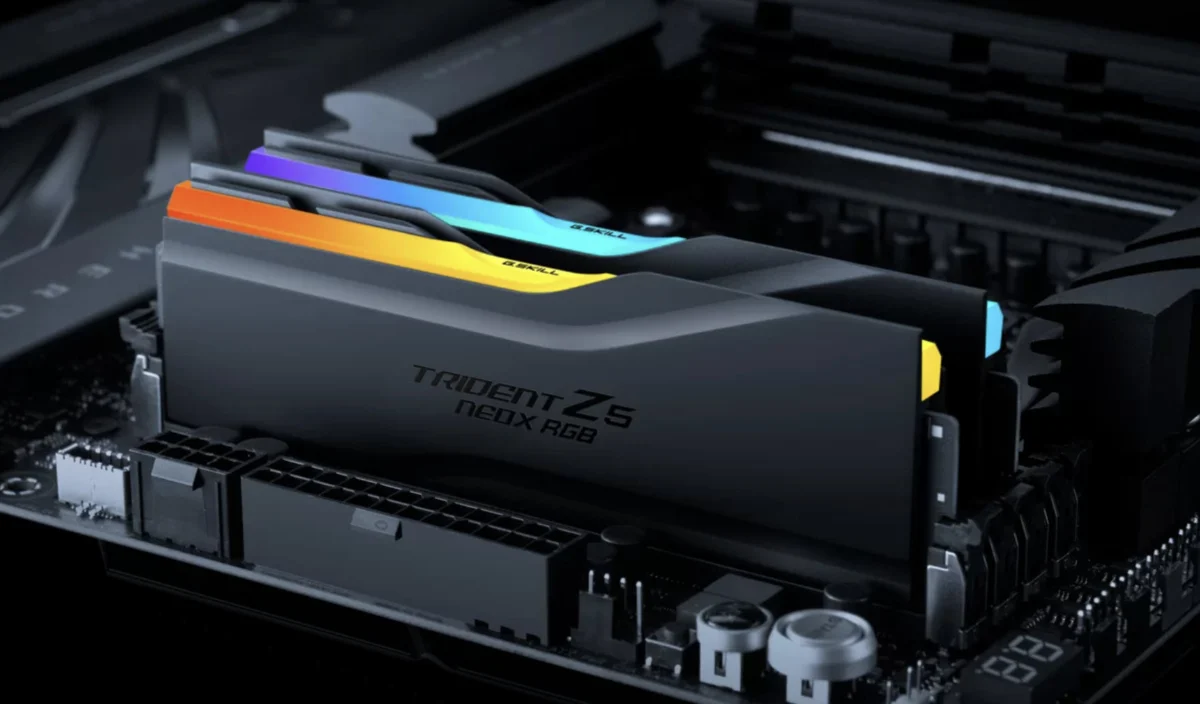
Central to the production hurdles is the escalating cost and scarcity of the specialized memory required for Apple’s unified memory architecture. Unlike traditional PCs, where RAM is a separate component, Apple Silicon utilizes a Unified Memory Architecture (UMA) that is integrated directly into the chip package. This requires high-performance, low-latency modules that are currently in high demand across the entire tech industry, particularly for AI server infrastructure.
During Apple’s most recent earnings call, the company’s executive leadership addressed these financial and logistical headwinds directly. The company confirmed that it paid significantly more for memory in the March and June quarters compared to previous periods. Apple’s Chief Financial Officer noted that while the company benefited from carrying inventory purchased at lower rates earlier in the year, those reserves are being depleted. For the September quarter and beyond, the company anticipates even higher memory costs, which directly impacts the speed at which it can scale production for "beast" chips like the M5 Ultra.

The competition for these components is fierce. As enterprises pivot toward local AI processing, the demand for high-capacity memory has skyrocketed. Apple is essentially competing with data center providers and other hardware manufacturers for the same premium silicon wafers and memory modules. This "memory apocalypse," as some insiders have termed it, is the primary driver behind the 2027 delivery dates for the Mac Studio.
Market Reaction and Professional Implications
The extension of lead times into 2027 has sent ripples through the professional community. For creative agencies, architectural firms, and software development houses, the Mac Studio is often a planned capital expenditure. A four-month delay in hardware acquisition can stall project timelines and affect the deployment of new software environments.
Despite the wait, demand remains at historic highs. This "heightened demand" mentioned in recent market snapshots is driven by the unique value proposition of the M5 Ultra. Professionals who require the highest possible throughput for video editing, 3D modeling, and AI development find few alternatives that offer the same performance-per-watt and integrated ecosystem benefits. The M5 Ultra’s ability to handle massive datasets entirely within its unified memory—without the latency associated with transferring data between a CPU and a discrete GPU—remains a critical advantage for high-end workflows.
Furthermore, the "quad-die" nature of the M5 Ultra suggests a level of complexity in the manufacturing process that limits yield rates. Each M5 Ultra is essentially four high-performance dies fused together; if even one die fails quality control, the entire unit may be compromised. This complexity, combined with the aforementioned memory shortages, creates a "perfect storm" that limits the number of units Apple can ship each month.
Strategic Analysis: The Future of Apple’s High-End Lineup
The current situation with the Mac Studio raises questions about Apple’s broader hardware roadmap, particularly regarding the Mac Pro. If the Mac Studio, which shares the same silicon, is facing 18-week delays, it is highly likely that the Mac Pro will see similar or even more pronounced constraints.
Analysts suggest that Apple may be prioritizing specific configurations to maximize the utility of its available memory supply. By focusing on the 96GB and higher configurations, Apple can maintain higher margins on the limited number of units it is able to produce. However, this strategy risks alienating the mid-tier professional market that relies on the "base" Ultra configurations for balanced price-to-performance.
There is also the matter of geopolitical and economic factors. Apple has recently indicated that it is evaluating various memory sources, including suppliers in China, to diversify its supply chain and mitigate the risks of localized disruptions. While this move has seen some pushback from U.S. legislators concerned with supply chain security, it underscores the lengths to which Apple must go to secure the components necessary for its M-series chips.
Conclusion and Outlook
As the industry moves toward 2027, the M5 Ultra Mac Studio stands as a symbol of both Apple’s engineering prowess and the fragility of the global semiconductor supply chain. The 16-to-18-week lead times are a stark reminder that even the world’s most valuable company is not immune to the macro-economic pressures of component costs and manufacturing complexity.
For the consumer, the choice is now one of patience versus necessity. Those who require the unmatched power of the M5 Ultra for their professional survival will likely remain in the queue, while others may look toward the M4 Max or even wait for potential mid-cycle refreshes that might coincide with improved component availability. For now, the Mac Studio remains a "beast" that is as difficult to catch as it is to outperform, leaving the professional market in a state of high-performance limbo until the supply chain can finally catch up with Apple’s ambitions.