George Chandra Eka
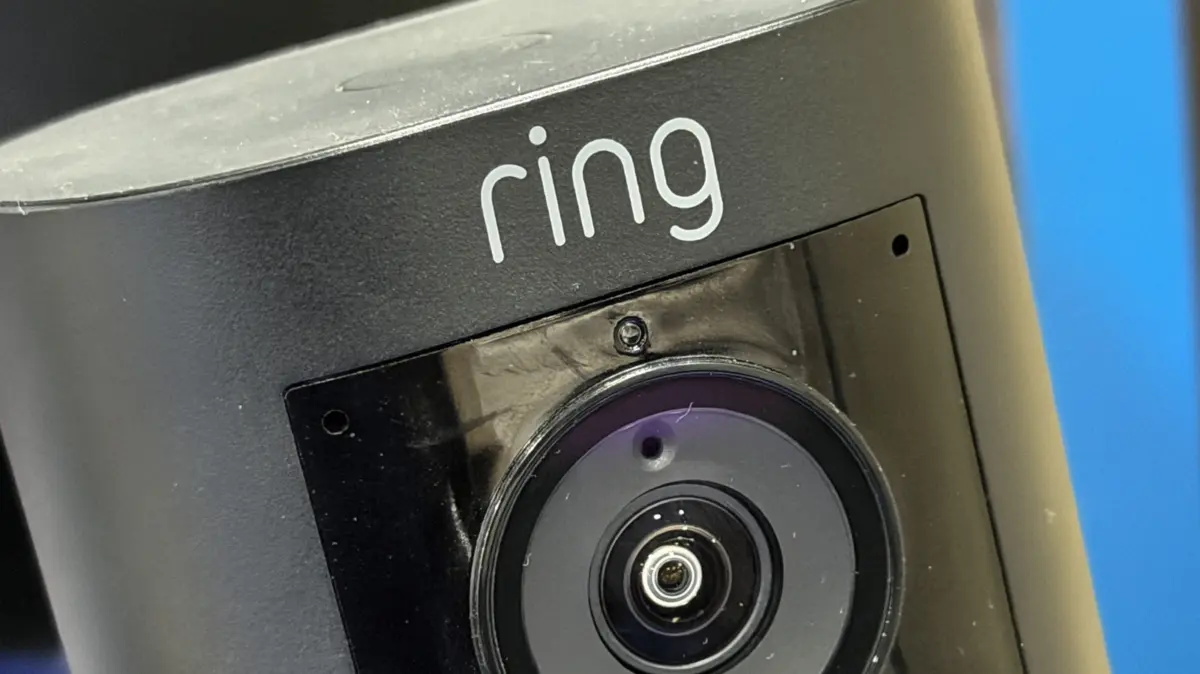
Despite the prevalent trend of subscription-based services across the smart gadget landscape, Ring cameras continue to offer substantial utility to users who opt out of monthly fees. While advanced features are locked behind a paywall, the core functionalities of live monitoring and two-way communication remain accessible, providing a foundational layer of security and convenience for homeowners, pet owners, and those managing deliveries. This free-tier functionality, however, operates against a backdrop of ongoing scrutiny regarding data privacy and the broader implications of pervasive home surveillance, prompting both user caution and corporate policy adjustments.
The Foundational Value: Free-Tier Functionality
At its core, a Ring camera, even without a subscription, serves as a fully functional smart doorbell and a robust live-feed monitor. The primary benefits available to all users include the ability to view a live video stream from the camera at any time through the Ring app, and the Two-Way Talk feature, which allows users to communicate with visitors or family members directly through the device. These features are not merely supplementary; they form the bedrock of interactive home monitoring, enabling real-time engagement with one’s immediate environment.
For parents, the live feed offers an immediate way to check on children playing in the yard or returning home from school, all from the convenience of a smartphone, whether they are in another room or away from the house. This provides a crucial layer of passive supervision without the need for constant physical presence. Similarly, pet owners find immense value in the free tier. An indoor Ring camera allows them to monitor their pets throughout the day, ensuring their well-being and even engaging in verbal interaction through the Two-Way Talk feature. This can alleviate anxiety for owners and provide reassurance that their animals are safe and comfortable.
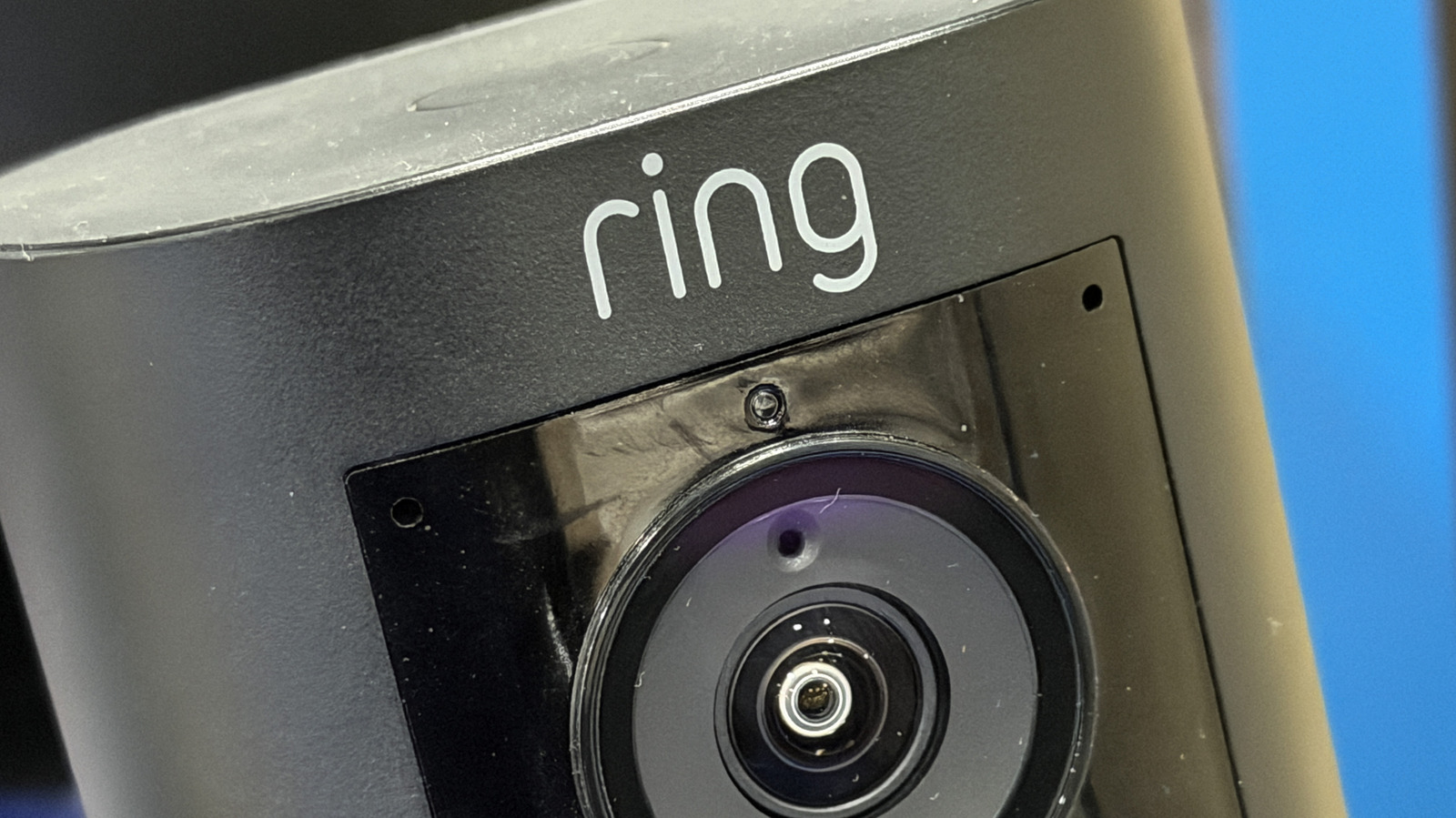
The management of deliveries and visitor interactions also benefits significantly from the free functionality. Users can instantly see who is at their door, whether it’s a delivery driver, a guest, or a service technician. The ability to communicate directly, even when not physically present, means packages can be directed to a safe spot, or an estimated time of arrival can be relayed to a waiting individual. This mitigates missed opportunities and enhances the overall efficiency of household management, transforming the traditional doorbell into an interactive communication portal. For instance, a homeowner awaiting a repair person can inform them of their ETA or provide specific instructions without rushing to the door. This immediate, actionable information streamlines daily logistics, preventing inconvenience and improving security by allowing screening of unknown visitors.
The Subscription Divide: Unlocking Enhanced Security
While the free features offer substantial utility, Ring’s subscription plans—Basic, Plus, and Pro, starting at $4.99/month—unlock the full suite of advanced capabilities designed for comprehensive security. The most significant feature behind the paywall is cloud video recording. Without a subscription, users cannot save or review any motion-activated recordings or live events. This means if an incident occurs, such as a package theft or an unauthorized entry attempt, the footage is not retained for later review or submission to law enforcement. This limitation is a critical distinction, transforming the camera from a real-time monitoring tool into a reactive security device.
Subscription tiers also offer advanced alerts, such as person detection, which can differentiate between people and other motion sources like vehicles or animals, reducing false alarms. Rich notifications provide a snapshot image directly in the notification, offering immediate visual context without opening the app. For higher tiers, professional monitoring services are available, where a monitoring center is alerted to events and can dispatch emergency services if needed. These advanced features cater to users seeking a more proactive and forensic security solution, particularly in areas prone to crime or for those who desire professional oversight. The decision to subscribe often hinges on the user’s perceived risk level and their need for evidential footage and automated emergency response.
A Timeline of Privacy Controversies: Ring Under Scrutiny
Ring, an Amazon-owned company, has faced considerable public and legal scrutiny over its privacy practices, which have significantly shaped its product development and public relations strategy. These controversies highlight the delicate balance between security innovation and individual privacy rights in the age of pervasive surveillance technology.
- Early 2010s – Rise of Smart Home Surveillance: As Ring cameras gained popularity, particularly after Amazon’s acquisition in 2018, concerns began to emerge about the potential for widespread surveillance. Early partnerships with law enforcement agencies, which allowed police to request footage from Ring owners, sparked initial debates about the transparency and oversight of such collaborations. Privacy advocates raised questions about data access, storage, and the potential for misuse of recorded footage.
- 2019 – Data Security Breaches and Vulnerabilities: Several reports surfaced detailing security vulnerabilities in Ring devices and the potential for hackers to access cameras or user accounts. This led to increased calls for stronger encryption and multi-factor authentication, prompting Ring to implement enhanced security measures. These incidents underscored the critical need for robust cybersecurity in devices that capture sensitive personal data.
- Late 2020 – The "Familiar Faces" Feature and Lawsuit: Ring introduced "Familiar Faces," an AI-powered feature designed to recognize known individuals at the door. While framed as a convenience, this feature quickly drew criticism for its reliance on facial recognition technology. A class-action lawsuit filed shortly after its debut alleged that Ring and Amazon were collecting biometric data without explicit consent from individuals captured by the cameras, raising significant legal and ethical questions about data ownership and privacy. The lawsuit highlighted the public’s growing apprehension about the capabilities of AI in domestic surveillance.
- Early 2023 – "Search Party" Feature and Super Bowl Ad Backlash: Ring launched its "Search Party" feature, an AI-assisted tool intended to help users find lost pets by analyzing camera footage. A Super Bowl commercial promoting this feature, while seemingly innocuous, ignited widespread backlash. Critics argued that the advertisement subtly normalized mass surveillance, even if for a benevolent purpose like finding lost animals. Privacy organizations and civil liberties advocates voiced concerns that such features, regardless of their immediate intent, contribute to a surveillance society where personal movements are constantly monitored, eroding individual freedoms and anonymity.
- 2023 – Partnership with Flock Safety and Subsequent Dismantling: In a move that intensified privacy debates, Ring partnered with Flock Safety, a company specializing in automated license plate recognition (ALPR) cameras. This collaboration initially permitted law enforcement agencies to request footage from Ring owners through the Flock Safety platform. The partnership was met with immediate and forceful public outcry from privacy groups and civil liberties organizations, who condemned it as an expansion of the surveillance state. Following the intense negative reactions, particularly in the wake of the Super Bowl commercial, Ring announced the dismantling of its partnership with Flock Safety just days after the commercial aired. This swift reversal demonstrated the significant pressure Ring faced from consumers and privacy advocates, underscoring the company’s need to respond to public sentiment.
- Late 2023 – Introduction of "TAKE" Encryption (Throw Away the Key Encryption): In an apparent effort to address persistent privacy concerns and rebuild consumer trust, Amazon-owned Ring introduced a significant software update called "TAKE" (Throw Away the Key Encryption). This initiative asserts that "Ring videos are protected with unique, rotating encryption keys," giving users "full control of who can access footage." Ring likened this to owning a set of house keys, implying that only the owner can decide who gets a spare. This move aimed to enhance end-to-end encryption for video recordings, theoretically preventing unauthorized access, including by Ring employees or third parties. While welcomed by some, privacy advocates continued to emphasize the importance of independent audits and transparent data handling policies to ensure the efficacy and integrity of such encryption measures.
The Broader Landscape: Smart Home Security and Data Privacy
Ring’s journey through these controversies is emblematic of the challenges faced by the broader smart home security industry. The rapid advancement of connected devices, coupled with the increasing sophistication of AI and data analytics, has created a complex ecosystem where convenience and security often intersect with privacy concerns. Consumer adoption of smart cameras has grown exponentially, with market research firm Statista reporting that the global smart home security camera market size was valued at over $3.7 billion in 2022 and is projected to reach over $11 billion by 2030. This growth is driven by a desire for enhanced safety, but it also amplifies the potential for privacy infringements if not managed responsibly.
Organizations like the Electronic Frontier Foundation (EFF) and the American Civil Liberties Union (ACLU) have consistently highlighted the risks associated with pervasive surveillance technologies, emphasizing the need for robust data protection laws and transparent policies from manufacturers. They argue that features like facial recognition, even with opt-in mechanisms, can contribute to a societal shift towards ubiquitous monitoring, potentially chilling free speech and assembly. The European Union’s General Data Protection Regulation (GDPR) and California’s Consumer Privacy Act (CCPA) represent legislative efforts to grant individuals more control over their personal data, signaling a global trend towards stronger privacy protections that smart home device manufacturers must navigate.
Balancing Act: Security, Convenience, and Trust

For consumers, the decision to invest in a Ring camera, with or without a subscription, involves a careful balancing act between perceived security benefits, convenience, and privacy risks. The availability of useful free-tier features makes Ring an accessible entry point into home security for many, offering peace of mind without an ongoing financial commitment. However, the limitation of not retaining footage without a subscription means that in critical situations, the evidentiary value of the camera is severely diminished. This forces users to weigh the immediate monitoring benefits against the potential need for historical records.
The recurring privacy controversies have undoubtedly impacted consumer trust. Ring and Amazon’s responses, particularly the dismantling of the Flock Safety partnership and the implementation of the "TAKE" encryption, demonstrate an awareness of these concerns and an attempt to address them. However, rebuilding and maintaining trust requires sustained commitment to transparency, robust data security, and clear communication about how data is collected, used, and protected.
The future of smart home security will likely see continued innovation in features alongside increased pressure for stronger privacy safeguards. Manufacturers will need to prioritize privacy by design, offering users granular control over their data and clearer explanations of how their devices operate. For users, an informed approach is paramount: understanding the capabilities and limitations of their devices, being aware of privacy policies, and actively configuring settings to align with their comfort levels regarding data collection and sharing. Ultimately, while a Ring camera can provide valuable security and convenience without a subscription, its full potential and the peace of mind it offers are inextricably linked to the ongoing dialogue around privacy, trust, and the responsible deployment of connected technologies in our homes.