Garick Elordi
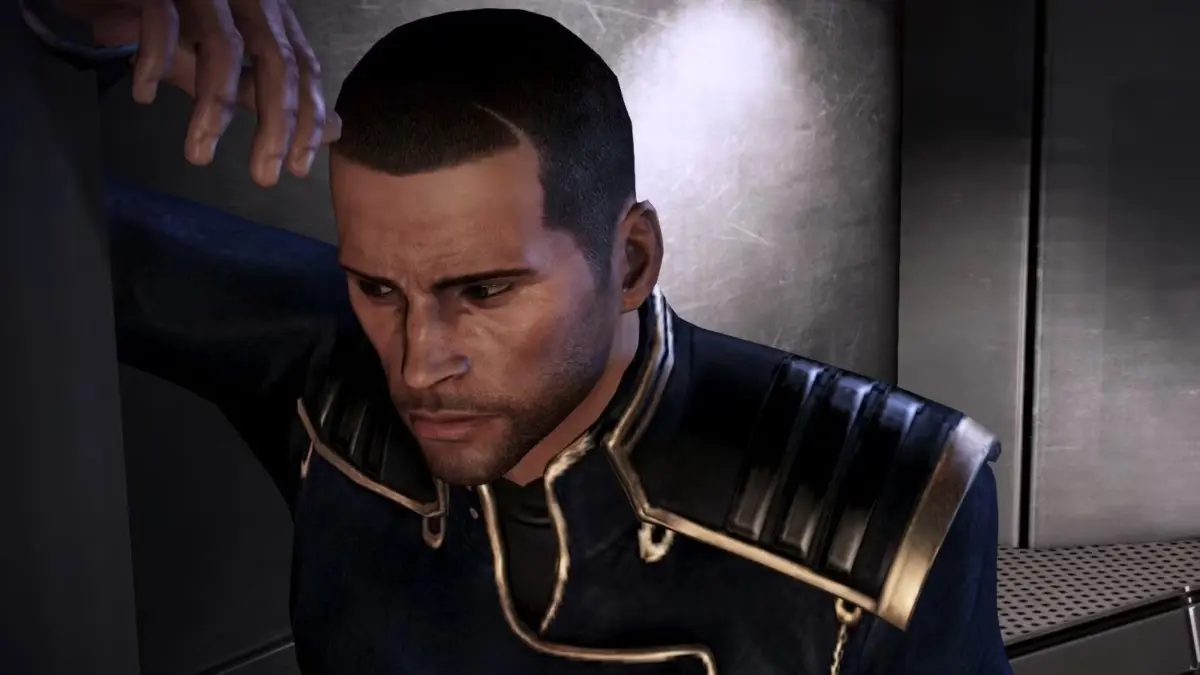
The project was reportedly set more than 600 years after the events of the Reaper War, a timeline that would have allowed the developer to bypass the immediate consequences of the Mass Effect 3 endings by establishing a "unified" canon. According to the whistleblower, known as Dantics, the narrative moved away from the existential threat of extinction and toward a complex, multi-polar geopolitical struggle. This "Galactic Cold War" would have seen the galaxy divided into three primary superpowers: an alliance between Humanity, the Krogan, and the Batarians; the traditional Council races; and a newly ascended Geth superpower. This shift suggests a more grounded, espionage-heavy tone that moved away from the "chosen one" narrative of Commander Shepard toward a more nuanced exploration of interspecies diplomacy and clandestine operations.
The Narrative Pivot: A Galactic Cold War
In the years following the Reaper War, the Milky Way of Mass Effect Universe had undergone a massive cultural and political shift. The leak suggests that the traditional hierarchy of the Citadel Council had fractured. Humanity, once the newcomers struggling for a seat at the table, had formed a powerful bloc with the Krogan and the Batarians—two species historically marginalized or antagonized by the Council. This alliance was reportedly born out of the shared trauma of the Reaper invasion and a mutual distrust of the Asari, Salarian, and Turian leadership’s handling of the post-war reconstruction.
The Geth, meanwhile, were described as having evolved into a "third superpower," constructing massive megastructures that signaled their total independence and technological superiority. This version of the Geth would have moved beyond their role as either antagonists or simple allies, serving instead as a wildcard in the galactic balance of power. Perhaps most intriguing for long-term fans was the mention of a connection between the Milky Way and the Andromeda galaxy. By setting the game 600 years in the future, BioWare reportedly intended to synchronize the timelines, as the Andromeda Initiative’s journey took exactly that long to complete. This would have allowed the developers to draw upon the lore of both settings, potentially resolving the cliffhangers left by the 2017 spin-off.
A New Kind of Hero: The N7 Special Operative
The gameplay details shared by Dantics suggest a departure from the traditional "walking gun rack" archetype of the original trilogy. Players would have stepped into the boots of a customizable N7 agent, but the design philosophy was reportedly inspired by high-stakes cinematic fiction like John Wick and James Bond. Rather than leading a full-scale military squad into open warfare, this protagonist was designed for precision strikes, infiltration, and environmental manipulation.
To support this new style of play, the protagonist was equipped with experimental cybernetic implants. These tools allowed for a more interactive relationship with the game world, including the ability to hack systems remotely, see through solid objects, and identify structural weaknesses in the environment. Players could reportedly trigger environmental hazards—such as overloading power conduits or causing machinery to collapse—to eliminate enemies without firing a single shot.
The mission structure was also said to have evolved. While the original trilogy relied on relatively linear corridors and scripted encounters, Mass Effect Universe reportedly adopted a "Hitman-style freedom." Missions were handcrafted and narrative-driven but featured open-ended objectives that could be approached through stealth, social engineering, or direct combat. This modularity extended to the combat itself, which was described as featuring "brutal close-range executions," further emphasizing the protagonist’s role as a lethal, highly trained specialist.
Legacy and Continuity: The Return of Liara T’Soni
Despite the 600-year time jump, the project sought to maintain a tether to the original trilogy through the character of Liara T’Soni. As an Asari, Liara’s natural lifespan allowed her to persist well into this new era. In Mass Effect Universe, she was reportedly portrayed as an "incredibly powerful Asari Matriarch," having transitioned from the naive researcher of the first game and the ruthless Shadow Broker of the sequels into a dominant political and biotic force. Her role was intended to be central to the plot, acting as a bridge for players to the legacy of Commander Shepard.
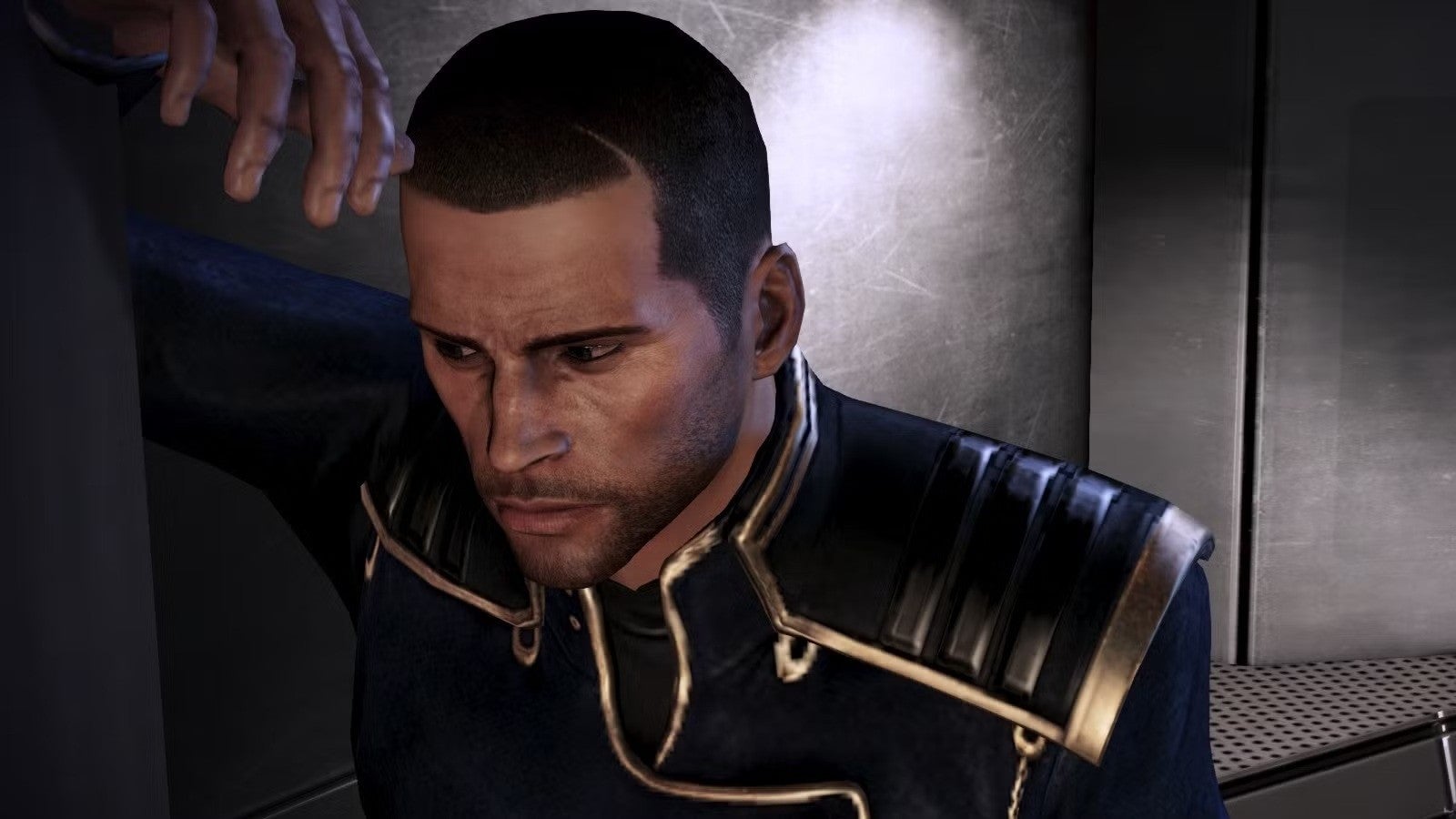
Addressing one of the franchise’s most contentious points, the leak claims that BioWare had found a way to preserve Shepard’s legacy regardless of the player’s choice at the end of Mass Effect 3. While the specific mechanics of this "unified" ending remain unclear, the intent was to ensure that the player’s past decisions felt respected without forcing the new game into four different divergent timelines. Furthermore, the social elements of the game were reportedly being pushed into more mature territory, with squadmates who could genuinely clash with one another based on player decisions and romances that were described as "unsanitized" and more emotionally complex.
The Economic Context: The Saudi Buyout and EA’s Restructuring
The cancellation of Mass Effect Universe cannot be viewed in isolation from the broader corporate shifts at Electronic Arts. The closure of BioWare followed closely on the heels of a massive $55 billion leveraged buyout of EA by Saudi Arabian interests. This acquisition placed immense financial pressure on the publisher to service the debt incurred during the buyout, leading to a period of aggressive "rationalization" and cost-cutting across all its subsidiaries.
Experts in the gaming industry had predicted that the buyout would lead to a shift in focus toward high-margin, low-risk products. BioWare, which specialized in expensive, long-development-cycle single-player RPGs, was particularly vulnerable in this new climate. The job cuts that eventually led to the studio’s closure also devastated other EA-owned entities, including Respawn Entertainment, Maxis, Full Circle, and EA Motive. While some of these studios survived in a diminished capacity, BioWare—once the crown jewel of the EA portfolio—was deemed surplus to requirements.
The internal trailer for Mass Effect Universe, which leaked shortly after the studio’s closure, served as a final, bittersweet confirmation of the project’s existence. The trailer showcased the visual fidelity of the game and teased the return of the Geth and the N7 program, sparking a wave of mourning across social media and gaming forums.
Industry Reaction and the Future of the IP
The reaction to BioWare’s closure has been one of collective shock and mourning within the development community. Industry veterans have taken to platforms like LinkedIn and X (formerly Twitter) to express their sympathy for the hundreds of developers left without work and to voice their anger at the loss of a studio that defined the RPG genre for two decades. Many have pointed to the success of recent titles like Larian Studios’ Baldur’s Gate 3 as proof that there is still a massive, profitable market for deep, narrative-driven RPGs, making the cancellation of a new Mass Effect even more baffling to observers.
With BioWare now shuttered, the future of the Mass Effect intellectual property remains in a state of limbo. While EA retains the rights to the franchise, the loss of the core creative team that understood the intricate lore and mechanical DNA of the series makes a revival difficult. There is speculation that EA may eventually license the IP to an external developer or task one of its remaining studios with a reboot, but for many fans, the version of the game described by Dantics represents the "lost" Mass Effect that truly understood the desires of the core audience.
The details of Mass Effect Universe suggest a project that was attempting to evolve with the times while honoring its roots. It was a game designed for "the fans," according to the leaks, focusing on the political intrigue and character-driven storytelling that made the original trilogy a cultural phenomenon. As the dust settles on the closure of one of the industry’s most influential studios, the fragments of Mass Effect Universe remain as a testament to a creative vision that was ultimately silenced by the cold realities of corporate finance and global acquisition. For now, the legacy of the N7 program and the fate of the Milky Way galaxy remain frozen in time, a story that may never reach its conclusion.