Vera Intan Clara
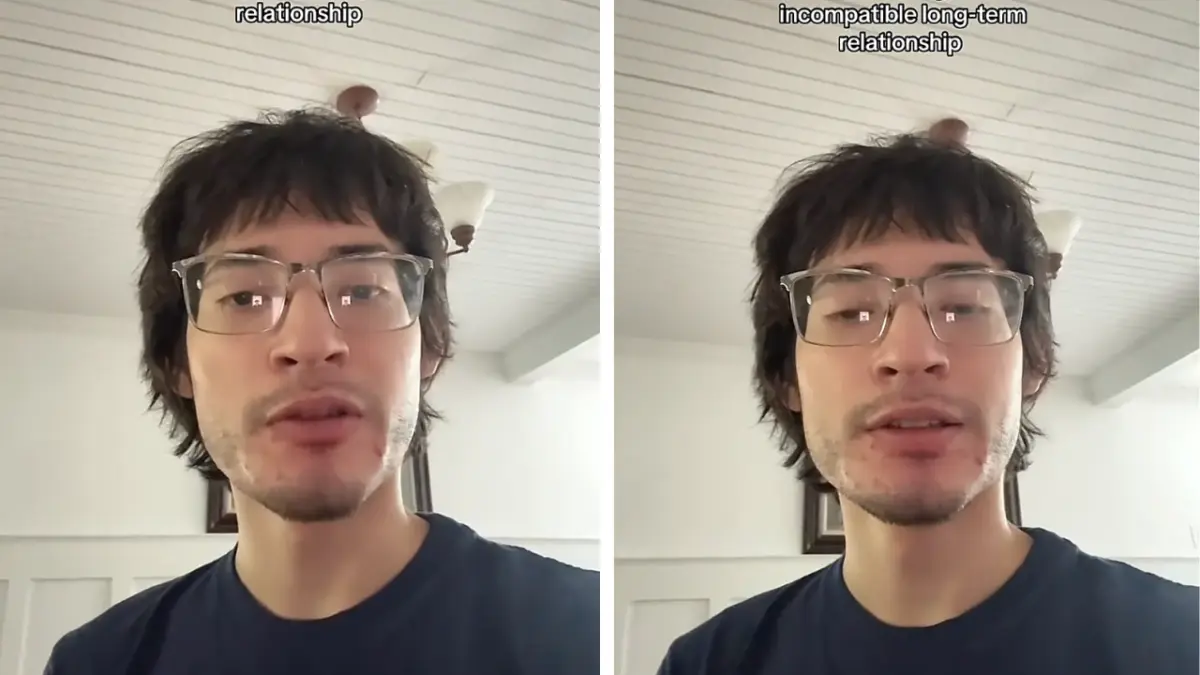
A recent viral TikTok video by user Caleb, posting under the handle @palladiumpaladin, has ignited a significant online conversation surrounding the complex reality of relationship incompatibility. The video, which garnered over 219,000 views and 198 comments at the time of publication, delves into Caleb’s personal experience of ending a deeply loving long-term relationship due to fundamental differences that became insurmountable over time. His candid reflection has resonated with a broad audience, highlighting a nuanced aspect of modern romance often overshadowed by conventional narratives of enduring love: the painful truth that genuine affection does not always equate to sustainable partnership.
Caleb begins his video by stating, "I wanted to talk about my experience trying to move on from a really beautiful and loving relationship that ultimately ended because of incompatibility." He articulates a common yet frequently unaddressed phenomenon, particularly prevalent in first serious long-term relationships, describing it as a "confusing process." The core of his message revolves around how initial chemistry and mutual desire to learn about each other can mask underlying incompatibilities, which only surface and solidify after a significant period of shared life and emotional investment.
The Gradual Unveiling of Incompatibility: A Chronological Perspective
The journey of a relationship often begins with an intense phase of attraction and discovery, frequently dubbed the "honeymoon period." During this initial stage, individuals are typically eager to present their best selves, explore new facets of their partner, and readily adapt to nascent shared experiences. Caleb notes that this period, while exhilarating, can inadvertently obscure deeper mismatches. The willingness to compromise and adapt, while vital for any partnership, can, in cases of fundamental incompatibility, lead to a subtle erosion of individual identities.
As relationships mature and deepen, partners naturally begin to integrate their lives more comprehensively. This involves making significant adjustments, from daily routines and social circles to long-term financial planning and life goals. Caleb emphasizes that it is precisely in this process of "making space in your life to make it a life for two" that incompatibility truly reveals itself. What might initially seem like minor differences can, over time, manifest as significant cracks in the relationship’s foundation. These adjustments, while made with love and good intention, can have "long-term consequences and effects," ultimately exposing core divergences in values, lifestyles, or emotional needs.
Caleb describes this as a "double-edged sword." Paradoxically, the very passage of time that fosters profound love and deep connection can simultaneously bring into sharper focus the inherent differences that render a long-term partnership unsustainable. "As you guys get to know each other for longer and be in each other’s lives for longer, you love each other more, but begin to see more and more clearly that you aren’t best for each other," he explains. This creates a deeply challenging emotional dilemma where the strength of affection is pitted against the reality of fundamental misalignment.
The culmination of this adaptive process, according to Caleb, is the potential loss of one’s authentic self. In an effort to circumvent incompatibility and maintain the relationship, individuals may consciously or unconsciously alter their core identity. "The incompatibility is there because you’ve essentially become a person that circumvents that incompatibility by circumventing who you really are," he states. This profound transformation, while perhaps sustaining the relationship for a period, ultimately leads to a partnership between two individuals who are no longer fully themselves, making genuine connection increasingly difficult to sustain. The hardest part, he concludes, is the aftermath: navigating life as this "new person" who was molded to accommodate a partner who is no longer present, often without a clear sense of self-sufficiency.
The Psychological Underpinnings of Relationship Incompatibility
Caleb’s observations are supported by extensive research in psychology and sociology concerning relationship dynamics. Incompatibility is not merely a lack of shared interests; it often stems from deeper divergences in core values, life aspirations, communication styles, emotional needs, and conflict resolution approaches. Relationship experts frequently highlight that while initial attraction might be based on superficial similarities or physical chemistry, long-term success hinges on a deeper alignment of these fundamental aspects.
Dr. John Gottman, a renowned relationship researcher, identifies four key predictors of divorce — criticism, contempt, defensiveness, and stonewalling — often referred to as the "Four Horsemen of the Apocalypse." While not directly about incompatibility, these destructive communication patterns frequently arise from underlying differences that partners struggle to bridge. When individuals hold vastly different expectations for how conflicts should be handled, or if their core emotional needs are consistently unmet due to differing attachment styles (e.g., one partner being anxious and the other avoidant), even strong love can falter.
A study published in the Journal of Family Psychology found that perceived incompatibility, alongside lack of commitment and infidelity, is among the most commonly cited reasons for relationship dissolution. Research by the Pew Research Center has also indicated a growing emphasis on shared interests and values as crucial for successful partnerships, reflecting a societal shift towards seeking more holistic compatibility beyond mere companionship.
The concept of the "authentic self" is central to psychological well-being. When individuals compromise their core identity to fit into a relationship, it can lead to chronic stress, resentment, and a diminished sense of self-worth. Psychologists often advise that while healthy compromise is essential, self-sacrificing core values or fundamental personality traits is detrimental in the long run. This aligns directly with Caleb’s observation that losing oneself in a relationship to circumvent incompatibility ultimately makes the relationship unsustainable.
Societal Context and Supporting Data
The increasing prominence of discussions around incompatibility reflects broader societal shifts in how individuals approach relationships. In many Western societies, there has been a move away from traditional, duty-bound marriages towards partnerships based on personal fulfillment, emotional connection, and mutual growth. This heightened expectation for personal growth within a relationship means that deep-seated incompatibilities are less likely to be tolerated or overlooked in the long term.
Statistics on marriage and divorce rates offer further context. While divorce rates have seen fluctuations, data from the Centers for Disease Control and Prevention (CDC) and various sociological studies indicate that "irreconcilable differences" or general incompatibility remain significant factors in the dissolution of marriages. A 2013 study published in Couple and Family Psychology: Research and Practice identified "lack of commitment" and "too much conflict" as primary reasons for divorce, both of which can be deeply intertwined with fundamental incompatibilities in values, expectations, and communication styles. For instance, if one partner values independence above all else and the other craves constant togetherness, this fundamental incompatibility in needs can manifest as "lack of commitment" or "too much conflict."
Furthermore, the rise of online dating platforms has arguably altered relationship dynamics. While these platforms offer access to a wider pool of potential partners, they can also contribute to a culture of seeking an "ideal match," potentially leading to quicker discernment of surface-level incompatibilities but perhaps obscuring deeper ones until greater investment has been made. The expectation of finding a perfectly compatible partner can also, ironically, make individuals less resilient to navigating the inevitable differences that arise in any long-term relationship.
Expert Perspectives on Navigating Incompatibility
Relationship therapists and counselors frequently encounter couples grappling with incompatibility. Their insights often validate Caleb’s experiences, emphasizing that love alone is rarely sufficient for a thriving, long-term partnership.
"It’s a common misconception that if you love someone enough, everything else will fall into place," notes Dr. Sarah Jenkins, a licensed marriage and family therapist. "True compatibility involves an alignment of life goals, core values, and fundamental needs. While partners don’t need to be identical, significant divergence in these areas can create chronic friction that even deep love struggles to overcome."
Experts advise that self-awareness is crucial from the outset. Understanding one’s own values, needs, and communication style can help individuals identify potential incompatibilities earlier in a relationship. Therapists also stress the importance of open and honest communication about differing expectations, particularly as a relationship progresses into more serious stages, such as cohabitation or planning for a future together. Early detection of consistent, unresolved disagreements about core issues, as highlighted by a commenter in Caleb’s video ("A good way to know if you’re incompatible is if you’re arguing about the same things over and over"), can be a significant indicator.
When incompatibility becomes a persistent issue, couples therapy can provide tools for communication and understanding. However, as another viewer noted about their own marriage, therapy sometimes helps individuals realize the depth of their incompatibility rather than resolve it. "It took me so long to understand that. He was a good person, just not the right person for me," one user shared, echoing a sentiment often heard in therapeutic settings. This realization can be a difficult but necessary step towards acknowledging that even in the presence of love and mutual respect, some relationships are simply not meant to endure.
The Digital Forum: TikTok as a Catalyst for Discourse
Caleb’s video exemplifies the increasing role of social media platforms like TikTok in facilitating public discourse on deeply personal and often challenging topics. By sharing his vulnerability, Caleb created a digital space where thousands could find validation for their own similar experiences. The comments section transformed into a forum for shared stories, reinforcing the notion that this specific brand of heartbreak – loving someone profoundly yet acknowledging fundamental incompatibility – is far from an isolated incident.
This phenomenon of shared narratives on social media normalizes experiences that might otherwise be processed in isolation. It provides a sense of community and reduces the stigma associated with relationship failures, particularly when love was genuinely present. The virality of such content underscores a collective yearning for authenticity and a more realistic portrayal of romantic relationships, moving beyond idealized, fairytale notions.
Broader Implications: Redefining Love and Partnership in the 21st Century
The widespread resonance of Caleb’s video suggests a growing societal readiness to embrace a more nuanced understanding of love and partnership. It challenges the romantic ideal that love alone is sufficient to conquer all obstacles, instead advocating for a more pragmatic view that incorporates personal growth, self-preservation, and fundamental alignment.
The implications for individuals are significant. It encourages greater introspection about one’s own needs and values before and during a relationship. It also highlights the importance of fostering self-sufficiency and maintaining one’s identity even within a partnership, guarding against the "loss of self" that Caleb describes. For those navigating the aftermath of such a breakup, it validates the complex emotional landscape of grief for a loving relationship that simply wasn’t right, and the challenging journey of rediscovering one’s authentic self.
Ultimately, discussions sparked by videos like Caleb’s contribute to a richer, more realistic collective understanding of human connection. They underscore that while love is a powerful force, successful long-term partnerships require a delicate balance of affection, shared vision, mutual respect for individual identities, and a fundamental compatibility that allows both partners to thrive authentically. As society continues to evolve, so too does the understanding of what it means to build and sustain a meaningful romantic relationship, with self-awareness and genuine compatibility emerging as increasingly paramount considerations.