Garick Elordi
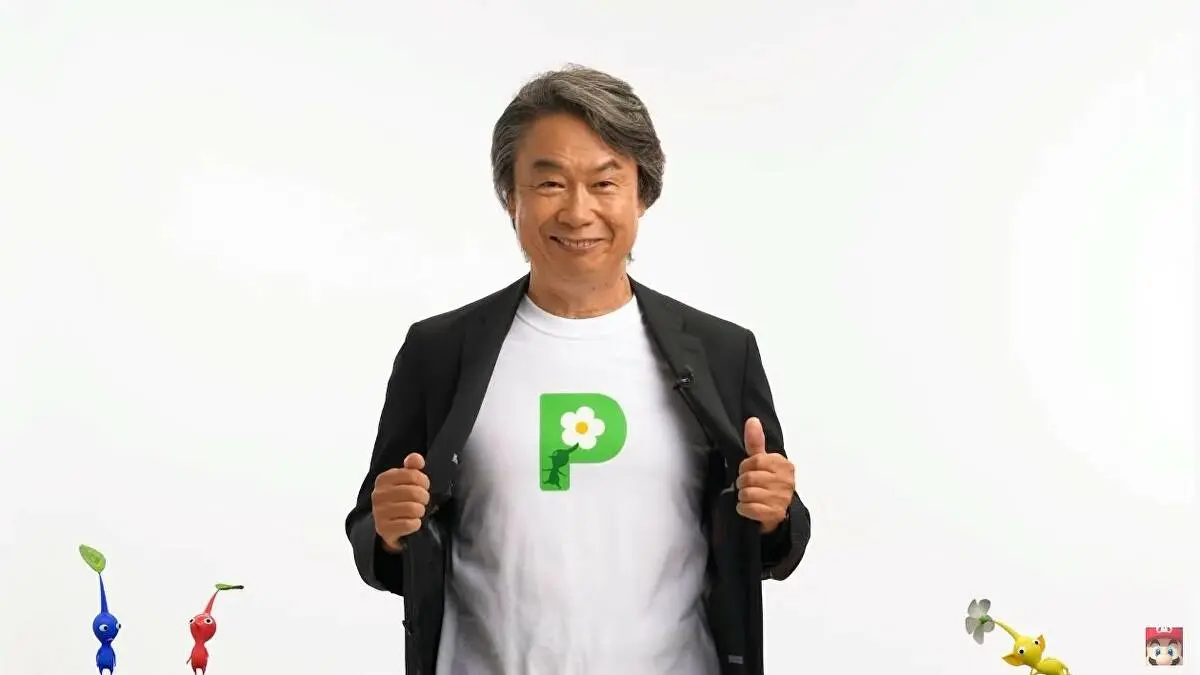
Shigeru Miyamoto, the visionary behind some of the most influential franchises in interactive entertainment, including Super Mario, The Legend of Zelda, and Pikmin, has weighed in on the growing debate surrounding generative artificial intelligence in the video game industry. Speaking at a press conference ahead of a significant cultural milestone, Miyamoto asserted that while AI technology continues to advance, it lacks the fundamental "human intent" required to create enduring works of art. His comments come at a pivotal moment for the global gaming landscape, as major publishers increasingly turn to automated tools to manage skyrocketing development costs and production timelines.
Next month, Miyamoto will become the first video game developer in history to receive the Order of Culture from the Emperor of Japan. This prestigious honor, established in 1937, is typically reserved for individuals who have made outstanding contributions to Japanese culture, including scientists, painters, and writers. The recognition of Miyamoto signifies a shift in the cultural zeitgeist, legitimizing video games as a high art form on par with traditional disciplines. During a press conference dedicated to this achievement, Miyamoto utilized the platform to address the technological anxieties currently gripping the creative industries.
The Evolution of Creative Tools and the Illusion of Labor
Miyamoto’s perspective on generative AI is rooted in a historical view of technological progress. Having entered the industry in 1977, he has witnessed the transition from primitive 8-bit systems to the complex architectural capabilities of modern hardware. He compared the current rise of AI to previous shifts in productivity tools, such as the move from typewriters to word processors.
"Our generation lived through a period of rapid computer development—a time when tools were constantly evolving," Miyamoto observed. He argued that as technology advanced to handle more of what he classifies as "labor," the true capabilities of a designer were allowed to emerge. However, he issued a stern warning regarding the seductive nature of AI-generated output. Miyamoto suggested that there is a distinct danger in conflating the ease of production with the quality of the final product.
"While the act of creation is inherently satisfying, there’s a danger: one might find satisfaction in the labor itself and mistakenly believe that a high-quality piece of work has been created," Miyamoto stated. This "satisfaction in labor" refers to the process of using prompts to generate complex assets quickly. Miyamoto posits that if AI takes over the mechanical tasks of game production, it should serve as a catalyst for developers to reflect on the core essence of their work rather than as a shortcut to a finished product.
The Role of Individual Intent in Game Design
Central to Miyamoto’s philosophy is the concept of "design intention." He noted that throughout the history of the medium, games created through mere imitation or "copying and pasting" have rarely stood the test of time. In his view, a game’s longevity is directly tied to the specific, idiosyncratic choices made by a human creator—choices that AI, which functions by predicting patterns based on existing data, cannot authentically replicate.
"Because the process relies on an individual’s intent, with the computer serving as an assistant for the labor, I believe that even as technology continues to evolve, and even if AI were to eventually handle everything, there will always be a role left for us to play," Miyamoto continued. This sentiment aligns with Nintendo’s long-standing corporate identity, which often prioritizes "Blue Ocean" strategies—creating new markets through unique experiences—rather than following industry-wide technical trends.
A Divided Industry: Nintendo vs. The Global Market
Miyamoto’s cautious optimism stands in stark contrast to the "aggressive" adoption strategies outlined by other industry leaders. The gaming sector is currently navigating an era of unprecedented budget inflation; AAA titles now frequently cost between $200 million and $300 million to produce, with development cycles stretching to six or seven years. In this environment, many executives view generative AI as an essential tool for economic survival.
Square Enix CEO Takashi Kiryu has been one of the most vocal proponents of the technology, stating in a New Year’s letter that the company intends to be "aggressive in applying AI and other cutting-edge technologies" to both development and marketing. Similarly, Ubisoft has unveiled "Ghostwriter," an AI tool designed to generate first drafts of NPC (non-playable character) dialogue, while Microsoft’s Xbox division has entered a multi-year partnership with Inworld AI to build "AI design copilots" and character engines.
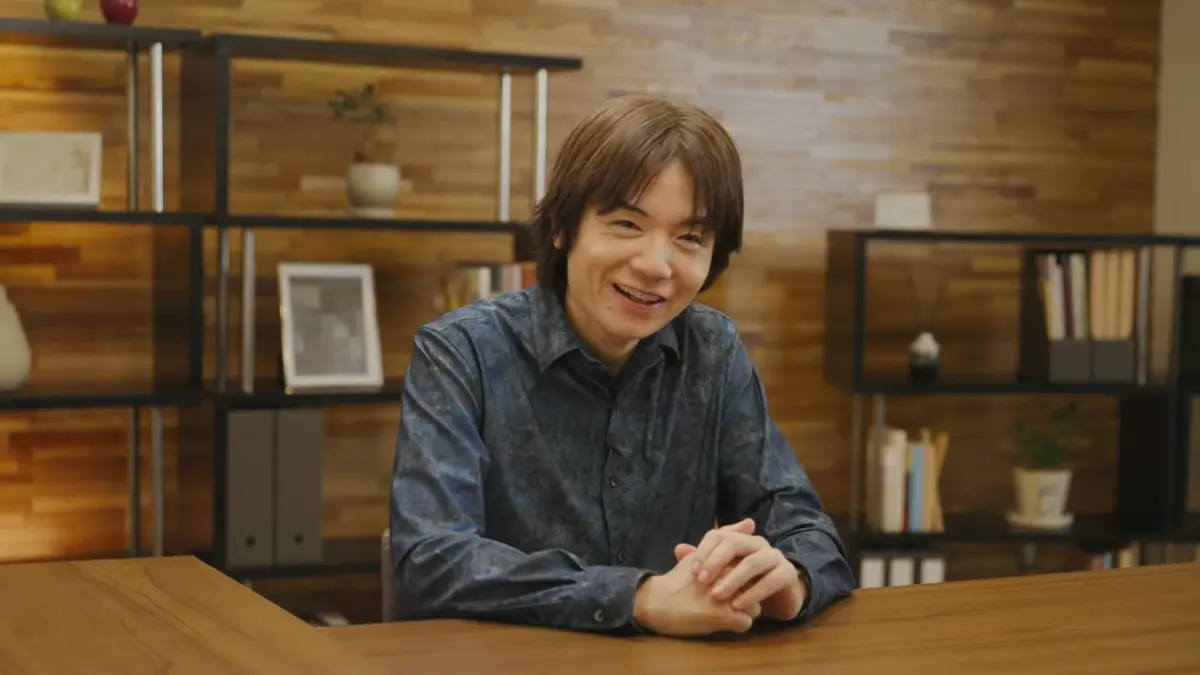
Even within the Japanese development community, opinions are fragmented. Masahiro Sakurai, the creator of Kirby and the director of the Super Smash Bros. series, recently expressed a more pessimistic view than Miyamoto. Sakurai warned that the proliferation of generative AI could lead to a "surge of unoriginal and unprofitable games," suggesting that while the tech can mimic the aesthetics of a successful title, it cannot innovate the underlying mechanics that make a game truly engaging.
Nintendo’s Corporate Stance on Artificial Intelligence
While Nintendo is often perceived as a traditionalist company, its leadership has not completely closed the door on AI. During a recent shareholder Q&A, Nintendo President Shuntaro Furukawa acknowledged the potential of the technology but emphasized that it would not be used at the expense of the company’s creative integrity. Furukawa noted that Nintendo has decades of experience in integrating various technologies, but the primary goal remains delivering "value that cannot be created through technology alone."
This stance was echoed by Doug Bowser, President of Nintendo of America, who assured consumers last year that the "human touch" would remain the defining characteristic of Nintendo’s software. "We still believe that what makes our games special is our developers, their artistic capabilities, their insight into how people play," Bowser remarked.
Financially, Nintendo is in a unique position to maintain this philosophy. With a cash reserve estimated at over $11 billion and a hardware-software ecosystem that does not rely on the high-fidelity graphical "arms race" pursued by Sony and Microsoft, the company is less pressured to use AI as a cost-cutting measure for hyper-realistic asset generation.
Chronology of the Generative AI Surge in Gaming
The debate surrounding AI in games has intensified rapidly over the last 24 months, following several key milestones:
- Late 2022: The public release of Stable Diffusion and Midjourney sparks concerns among concept artists about unauthorized data scraping and job security.
- Early 2023: Ubisoft announces "Ghostwriter," the first major implementation of LLMs (Large Language Models) for narrative design in AAA development.
- Mid 2023: The SAG-AFTRA strikes in Hollywood bring the issue of AI-generated voices and likenesses to the forefront of the gaming industry, leading to prolonged negotiations between voice actors and game publishers.
- Late 2023: Microsoft and Inworld AI announce a partnership to integrate generative AI into the Xbox developer toolkit, signaling a platform-level commitment to the tech.
- Mid 2024: Shigeru Miyamoto and other veteran developers begin to offer a "middle path" philosophy, viewing AI as a tool for "labor assistance" rather than "creative replacement."
Fact-Based Analysis: The Implications of Miyamoto’s Philosophy
Miyamoto’s comments highlight a burgeoning divide between "procedural efficiency" and "curated design." In technical terms, generative AI excels at filling "noise"—creating vast terrains, background textures, or thousands of lines of incidental dialogue. However, Nintendo’s most successful titles, such as The Legend of Zelda: Breath of the Wild, are celebrated for their "hand-placed" feel, where every mountain and treasure chest is positioned to evoke a specific psychological response from the player.
The data suggests that while AI can reduce the "labor" Miyamoto mentions, it struggles with "game feel"—the intangible quality of responsiveness and balance. A study by the International Game Developers Association (IGDA) found that while 49% of developers are already using AI tools in some capacity, 60% express significant concern about the technology’s impact on job stability and the "soul" of game design.
By positioning AI as an "assistant for labor," Miyamoto is advocating for a workflow where the human designer remains the final arbiter of quality. This approach suggests that the future of game development may not be a binary choice between human and machine, but rather a spectrum of integration. For Nintendo, the priority remains the "intent" of the creator, ensuring that the technology serves the vision, rather than the vision being limited by the capabilities of the technology.
As Miyamoto prepares to receive the Order of Culture, his words serve as a reminder that the video game industry’s greatest assets have historically been its thinkers, not just its tools. Whether the rest of the industry follows Nintendo’s lead or continues toward full-scale AI automation remains the defining question of the current console generation.