Garick Elordi
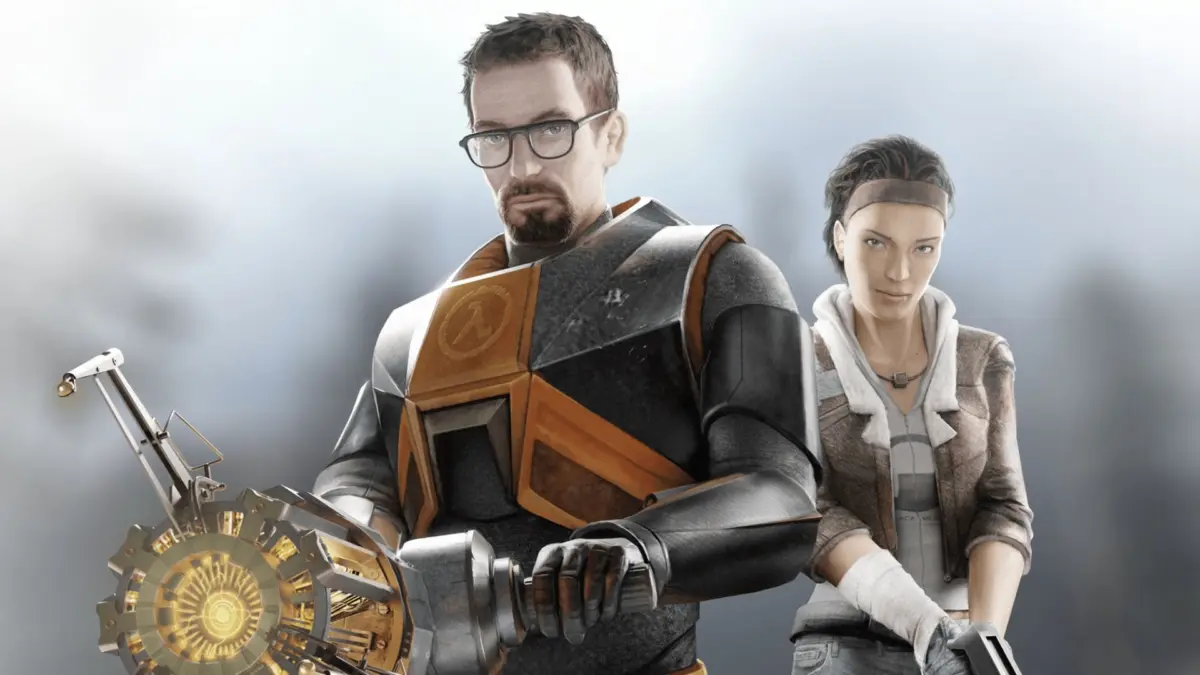
The long-standing silence surrounding the development of a potential successor to the Half-Life franchise was briefly interrupted during a recent industry event, sparking renewed interest in one of the most anticipated unannounced projects in software history. During a technical Q&A panel at GameSoundCon, a conference dedicated to video game audio and music, Valve music designer Mike Morasky made a public reference to "HLX," a codename that has been linked by dataminers and industry insiders to a new, non-VR Half-Life project. The slip occurred while Morasky was discussing the implementation of High Dynamic Range (HDR) audio and lighting systems across Valve’s current internal projects.
While discussing the evolution of Valve’s proprietary Source 2 engine, Morasky noted that different projects utilize distinct versions of the technology to suit their specific artistic and technical needs. "Deadlock has their own version of HDR," Morasky stated, referring to Valve’s recently revealed hero-shooter. "HLX has its own version, and so on and so forth." The developer appeared to pause immediately after the mention of the codename, trailing off as the weight of the disclosure became apparent to those in attendance. David Feise, a veteran sound designer at Valve seated next to Morasky, was observed leaning over to offer a quiet, seemingly sarcastic "nice work," further fueling the perception that the mention of "HLX" was an unauthorized breach of company confidentiality.
A Legacy of Anticipation and Development Delays
The Half-Life franchise has remained in a state of relative stasis for nearly two decades. The release of Half-Life 2: Episode Two in October 2007 concluded with a cliffhanger that has yet to be resolved in a traditional desktop environment. Originally, Valve intended to conclude the story arc with Half-Life 2: Episode Three, which was publicly discussed by Valve leadership, including co-founder Gabe Newell, as part of a planned trilogy. However, development on Episode Three eventually stalled and was quietly abandoned by 2009.
In the years following, Valve’s internal focus shifted toward the development of the Source 2 engine and the transition of the company into a service-oriented platform with the explosive growth of Steam. According to "The Final Hours of Half-Life: Alyx," an interactive documentary by Geoff Keighley, Valve attempted to develop a full-scale Half-Life 3 between 2013 and 2014. This project was reportedly designed to feature procedurally generated levels to increase replayability, but it was ultimately scrapped because the Source 2 engine was not sufficiently mature to support the game’s ambitious scope.
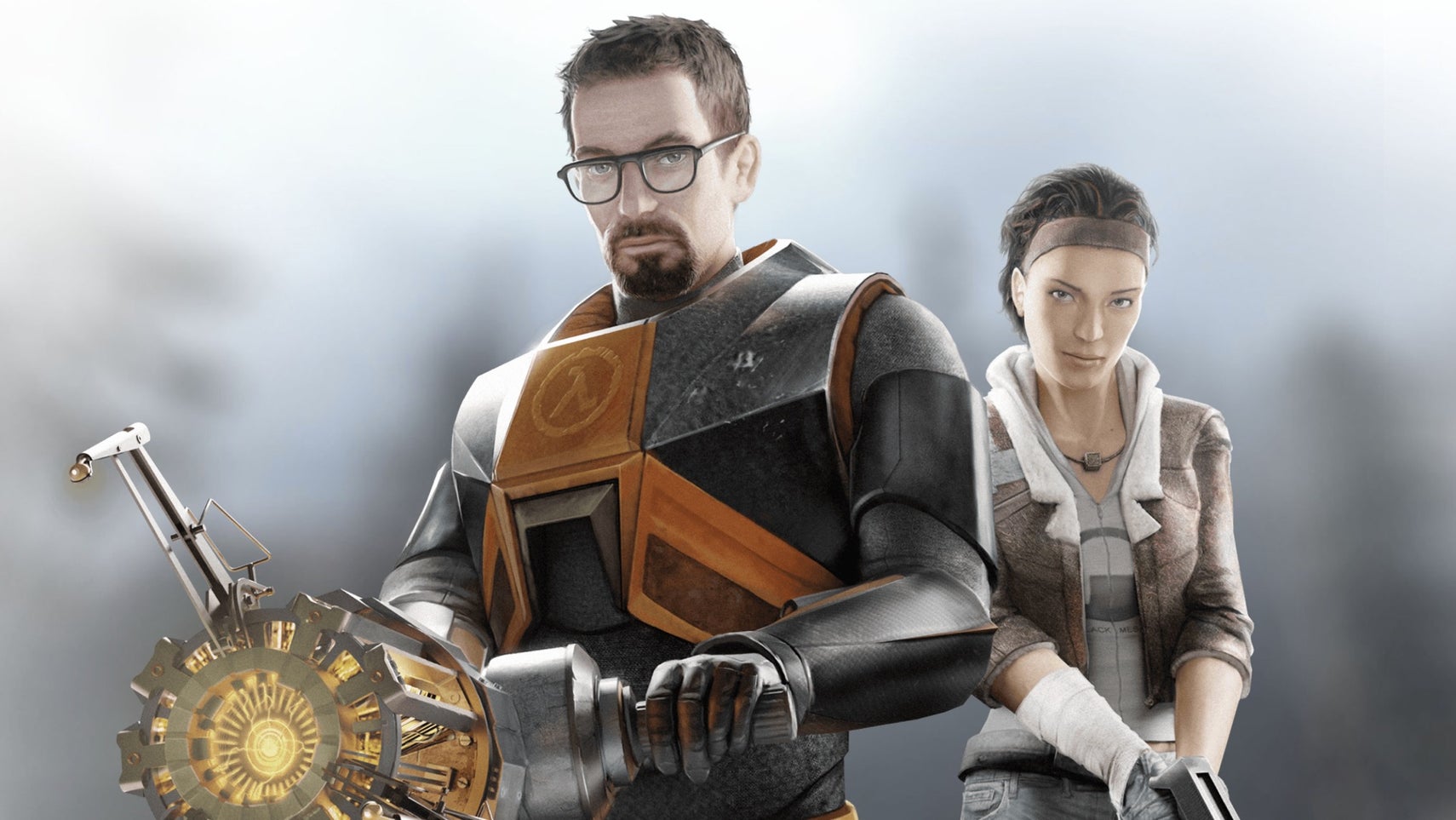
The franchise saw a brief but significant revival in 2020 with the release of Half-Life: Alyx, a flagship Virtual Reality (VR) title. While Alyx was a prequel to Half-Life 2, its ending significantly altered the series’ timeline, effectively retconning the conclusion of Episode Two and providing a narrative bridge for a potential future sequel. This narrative shift, combined with the technical success of Alyx, reignited expectations that Valve was finally ready to return to the series’ primary protagonist, Gordon Freeman.
The Chronology of the HLX Codename
The specific designation "HLX" first surfaced in 2021 through the efforts of dataminers who monitor Valve’s frequent software updates for Dota 2, Counter-Strike 2, and the Steam Deck’s operating system. These enthusiasts discovered strings of code referencing "HLX" alongside mentions of "Xen-like" environments, gravity-based mechanics, and complex NPC behaviors that appeared distinct from the VR-specific code used in Half-Life: Alyx.
In August 2024, the rumors gained further momentum when voice actor Natasha Chandel’s personal website listed a credit for a project titled "Project White Sands" under the developer Valve. The name "White Sands" is a geographic location in New Mexico, home to a major military testing range, which fans quickly identified as a thematic link to the Black Mesa Research Facility in the original Half-Life games.
Shortly thereafter, Tyler McVicker, an independent reporter who has accurately leaked Valve internal developments for over a decade, released findings suggesting that "HLX" is a "fully-fledged, non-VR Half-Life game." McVicker’s analysis of datamined files indicated that the project features a revamped "HEV suit" (the iconic protective gear worn by Gordon Freeman) and a new system for voxel-based destruction. According to McVicker, the project has reached a stage where it is "playable end-to-end," a milestone in game development that suggests the core structure of the game is complete, even if polishing and asset creation are ongoing.
Technical Implications of the GameSoundCon Disclosure
The context of Mike Morasky’s slip-up provides important clues regarding the technical ambitions of HLX. By comparing the HDR implementation of Deadlock to that of HLX, Morasky confirmed that HLX is being developed on a contemporary branch of the Source 2 engine. In game development, HDR (High Dynamic Range) typically refers to rendering techniques that allow for a wider range of luminosity, but in the context of audio—Morasky’s specialty—it refers to a dynamic mixing system that ensures high-priority sounds (such as explosions or dialogue) remain clear and impactful by automatically adjusting the volume of background noise.
This suggests that HLX is being positioned as a premier AAA production intended to showcase the latest capabilities of Valve’s hardware and software ecosystem. Historically, Valve has used the Half-Life series as a vehicle for technological breakthroughs: the original Half-Life revolutionized narrative integration in first-person shooters, while Half-Life 2 set new standards for physics-based gameplay and facial animation. If HLX is indeed Half-Life 3, it is expected to serve a similar role, potentially demonstrating advanced AI systems or new physics interactions that utilize the processing power of modern PCs and the Steam Deck.
Industry Context and Valve’s Development Philosophy
Valve’s approach to game development is notoriously non-linear. The company operates under a flat management structure where employees are encouraged to move between projects that interest them. This "cabal" system has led to the cancellation of numerous projects over the years, as internal momentum can shift rapidly.

The current landscape at Valve is dominated by the success of the Steam Deck and the development of Deadlock, a 6v6 competitive shooter that has already garnered a massive player base despite being in a closed "invite-only" testing phase. The fact that a senior music designer like Morasky is actively working on the audio systems for HLX suggests that the project has reached a level of internal stability that previous iterations of Half-Life 3 lacked. Music and sound design are typically finalized in the later stages of production, indicating that HLX may be further along in development than the general public realized.
Broader Impact and Community Reaction
The accidental mention of HLX has had an immediate impact on the Valve community and the broader gaming industry. On social media platforms and gaming forums, the reaction has been a mixture of cautious optimism and skepticism born from nearly two decades of rumors. The "Half-Life 3 Confirmed" meme, which has circulated for years as a parody of over-analyzing minor coincidences, has seen a resurgence as fans weigh the credibility of a direct mention by a staff member against the company’s history of silence.
From a business perspective, a new Half-Life title would serve as a powerful tool for Valve to further solidify the Steam ecosystem. While Valve is already the dominant player in PC gaming distribution, a flagship title could be used to push adoption of new hardware, such as a potential "Steam Deck 2" or a new high-end VR headset, should the game support hybrid playstyles.
Despite the excitement, Valve has issued no official comment regarding the GameSoundCon incident or the status of the HLX project. The company’s standard operating procedure remains "no comment" on unannounced titles, a policy intended to prevent the disappointment that followed the premature announcement of Half-Life 2: Episode Three.
As 2024 draws to a close, the gaming industry remains focused on Valve’s next moves. Whether HLX is the mythical Half-Life 3 or a different project set within the same universe, the slip-up at GameSoundCon has provided the most concrete evidence in years that the world of Gordon Freeman is still a central part of Valve’s future roadmap. For a franchise that has spent nineteen years in the shadows, even a single accidental acronym is enough to suggest that the "ceaseless clamour" for a conclusion to the story may finally be answered.