Sonny Valindra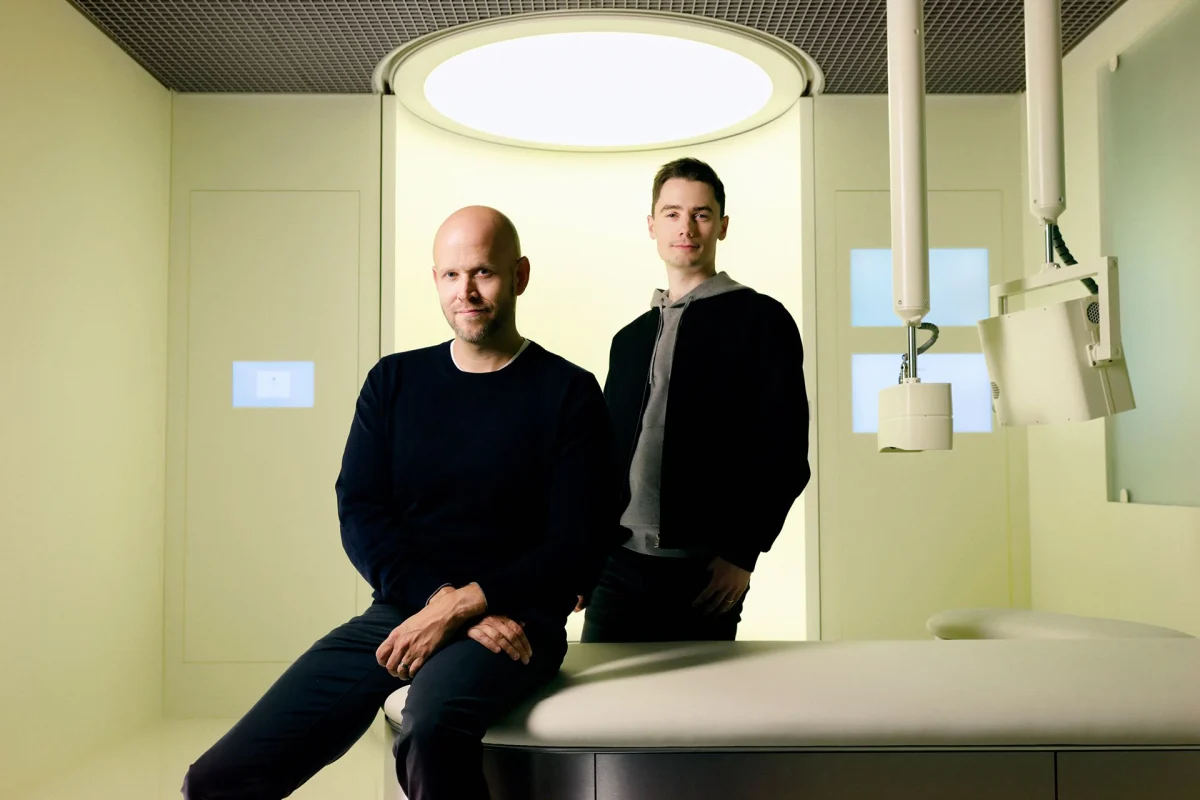
The burgeoning field of preventative healthcare has captured the attention of significant investors, with Spotify founder Daniel Ek’s Neko Health recently securing a substantial $700 million in funding. This massive capital infusion is earmarked for the development of a business centered around comprehensive body scanning technologies. Neko Health is not alone in this ambitious pursuit; other innovative companies like Midjourney, which is actively developing its own body scanner, and Function Health, a preventative health platform that has also attracted considerable investment, are charting similar courses. The substantial financial backing these ventures are receiving underscores a growing conviction among investors that a new paradigm in healthcare, focused on proactive well-being, is on the horizon. This burgeoning trend warrants a closer examination of the underlying drivers, potential impacts, and the technological hurdles that must be overcome for this vision of preventative health to become a widespread reality.
The Rise of Proactive Health and the Role of Body Scanning
For decades, the healthcare system has largely operated on a reactive model, addressing illnesses and conditions after they have manifested. However, a paradigm shift is underway, driven by advancements in technology, increasing consumer awareness of health and wellness, and a growing desire for personalized health management. Preventative healthcare aims to identify potential health risks before they become serious problems, thereby improving long-term health outcomes and potentially reducing the overall burden on healthcare systems.
Body scanning technologies represent a key enabler of this shift. By providing detailed internal visualizations and data points, these systems can offer unprecedented insights into an individual’s physiological state. This allows for the early detection of anomalies, the monitoring of chronic conditions, and the personalization of health interventions. The appeal for consumers lies in the promise of greater control over their health, the potential to avoid debilitating diseases, and the ability to optimize their well-being.
Neko Health’s Ambitious Vision and Market Landscape
Daniel Ek’s Neko Health is at the forefront of this movement. The company’s reported $700 million raise indicates a strong belief in its ability to translate advanced scanning capabilities into a viable and scalable consumer-facing health service. While the specifics of Neko Health’s technology remain under wraps, the company’s stated goal is to build a business around a new form of preventative healthcare, suggesting a comprehensive approach that goes beyond simple diagnostics.
The competitive landscape is heating up. Midjourney, known for its generative AI art tools, is also venturing into medical technology with the development of its own body scanner. This diversification highlights the potential for AI and machine learning expertise to be applied to health diagnostics and preventative care. Function Health, another significant player, has secured substantial capital to build out its preventative health platform. These companies, along with Neko Health, are not just developing technologies; they are aiming to create ecosystems for proactive health management.
Investor Confidence: Why the Big Bet on Preventative Health?
The significant capital being poured into this sector is not without reason. Several factors contribute to investor optimism:
- Demographic Shifts and Aging Populations: As global populations age, the demand for healthcare services, particularly those focused on managing chronic conditions and promoting longevity, is expected to surge. Preventative care offers a way to mitigate the long-term costs associated with an aging populace.
- Technological Advancements: Innovations in medical imaging, artificial intelligence, wearable sensors, and data analytics are making it possible to gather and interpret health data with unprecedented accuracy and detail. These technologies are the bedrock upon which companies like Neko Health are building their offerings.
- Consumer Demand for Personalization and Control: Modern consumers are increasingly seeking personalized experiences and greater control over their lives, including their health. The ability to understand one’s own body at a granular level and to receive tailored health advice resonates strongly with this trend.
- Economic Efficiency: Proponents of preventative healthcare argue that it can be more cost-effective in the long run than treating established diseases. Early detection and intervention can prevent the need for expensive, complex treatments, hospitalizations, and long-term care. Studies have consistently shown a positive return on investment for preventative health programs. For instance, research published in the Journal of Occupational and Environmental Medicine has indicated that workplace wellness programs can yield significant cost savings through reduced healthcare expenditures and absenteeism.
- Data-Driven Insights: The ability to collect vast amounts of health data from individuals through body scanning and other means opens up opportunities for groundbreaking research, the development of more effective treatments, and the creation of highly personalized health interventions.
A Deeper Dive into the Technology and its Integration
The success of Neko Health and its peers hinges on several critical technological and operational factors. The accuracy and safety of body scanning technologies are paramount. While the exact methods employed by these companies are proprietary, they likely involve advanced imaging techniques such as MRI, CT scans, or potentially novel non-ionizing radiation-based approaches, combined with sophisticated AI algorithms for image processing and anomaly detection.
Timeline of Advancements in Health Scanning:
- Early 20th Century: Development of X-ray technology, revolutionizing internal imaging but with limited detail and significant radiation concerns.
- Mid-20th Century: Emergence of Ultrasound, offering a safer, non-invasive imaging method, primarily used for soft tissues and prenatal care.
- Late 20th Century: Introduction of CT (Computed Tomography) and MRI (Magnetic Resonance Imaging) scans, providing highly detailed cross-sectional images of the body, becoming indispensable diagnostic tools.
- Early 21st Century: Advancements in AI and machine learning begin to be integrated into image analysis, improving accuracy and speed of diagnosis. Development of low-dose CT scans and functional MRI techniques.
- Present Day: Focus shifts towards miniaturization, increased accessibility, AI-powered predictive analytics, and the integration of scanning data with other health metrics (wearables, genetic data) for a holistic preventative approach. Companies like Neko Health are building on these foundations to create consumer-centric, potentially more frequent, scanning solutions.
The challenge for these companies is not just in developing the technology itself, but in making it accessible, affordable, and integrated into the broader healthcare system. Currently, advanced medical imaging is often confined to clinical settings and requires a physician’s referral. For body scanning to become a routine part of preventative healthcare, it needs to overcome regulatory hurdles, gain widespread acceptance from both consumers and healthcare providers, and demonstrate clear clinical utility and cost-effectiveness.
Expert Perspectives and the Path Forward
Dominic-Madori Davis, host of TechCrunch’s Equity podcast, engaged in a discussion with Farooq Abbasi, founder and general partner of Preface Ventures and an investor in Neko Health. This conversation offered valuable insights into the competitive landscape and the future of consumer health startups. Abbasi’s perspective as an investor in Neko Health provides a unique vantage point on the strategic thinking and market opportunities driving such significant investments.
The discussion likely delved into how Neko Health differentiates itself from other consumer health startups and the specific value proposition it offers. Furthermore, the conversation would have addressed the crucial question: "What needs to happen for body scanning to become part of the broader healthcare system?" This involves navigating complex issues such as:
- Regulatory Approval and Standardization: Ensuring that these scanning technologies meet rigorous safety and efficacy standards set by health authorities like the FDA. Establishing clear guidelines and benchmarks for their use in preventative care is essential.
- Clinical Validation and Evidence Generation: Demonstrating through robust clinical trials and real-world data that these scans can accurately predict health risks and that interventions based on this data lead to improved outcomes.
- Integration with Existing Healthcare Infrastructure: Developing seamless ways for scanning data to be shared with and utilized by physicians and other healthcare providers. This may involve the development of interoperable electronic health record systems and secure data-sharing protocols.
- Affordability and Accessibility: Making these technologies accessible to a broad segment of the population, not just those who can afford premium services. This could involve insurance coverage, tiered service models, or innovative financing options.
- Ethical Considerations and Data Privacy: Addressing concerns related to the collection and use of highly sensitive personal health data. Robust data security measures and transparent privacy policies are critical for building consumer trust.
Broader Implications and the Future of Health Management
The success of Neko Health and its competitors could usher in a transformative era for healthcare. If body scanning becomes a routine preventative measure, it could lead to:
- A Significant Reduction in Chronic Disease Burden: By identifying predispositions and early signs of diseases like cancer, heart disease, and diabetes, interventions can be implemented much earlier, potentially preventing or delaying their onset and severity.
- Highly Personalized Medicine: With detailed individual health data, treatments and lifestyle recommendations can be tailored to an individual’s unique genetic makeup, physiological state, and risk factors, leading to more effective and efficient care.
- Empowered Consumers: Individuals will have a deeper understanding of their own bodies, enabling them to make more informed decisions about their health and well-being.
- Shifts in Healthcare Delivery Models: The focus may shift from hospital-centric care to more distributed, technology-enabled preventative health services.
- Economic Opportunities: The growth of this sector will create new jobs in technology development, data science, healthcare services, and related fields.
However, the path forward is not without its challenges. The ethical implications of widespread body scanning, including potential for misuse of data and the psychological impact of receiving predictive health information, must be carefully considered. Furthermore, ensuring equitable access to these technologies will be crucial to avoid exacerbating existing health disparities.
The substantial investment in companies like Neko Health, Midjourney, and Function Health signals a profound belief in the potential of preventative healthcare. As these companies continue to develop and refine their technologies, the coming years will be critical in determining whether body scanning transitions from a novel concept to an integral component of mainstream healthcare, fundamentally reshaping how we approach health and wellness. The journey ahead will require not only technological innovation but also a concerted effort to build trust, ensure accessibility, and navigate the complex ethical and regulatory landscape.