Galang Taruna
The South Korean tech giant, Samsung, continues to dominate the global smartphone market with one of the most extensive and diverse product portfolios available. From cutting-edge foldables to budget-friendly entry-level devices, Samsung’s Galaxy brand caters to nearly every consumer need and price point. This in-depth analysis, based on extensive testing and market observations for 2026, offers a detailed perspective on the current Galaxy range, identifying key models and offering insights into their performance, innovations, and overall value proposition.
Samsung’s Enduring Legacy and Strategic Pillars
For decades, Samsung smartphones have been benchmarks in the mobile industry, consistently ranking among the top-performing devices in various reviews. The secret to their sustained success lies in a combination of reliable technical specifications, particularly in photography, and the exceptional quality of One UI, Samsung’s proprietary Android-based interface. A significant advantage for the manufacturer is its commitment to extended software update policies, ensuring the longevity and security of its devices for years after purchase. This strategic approach reinforces Samsung’s position not only as an innovator but also as a provider of durable and user-friendly technology.

As of 2026, Samsung’s smartphone strategy is structured around three primary Galaxy series: the S series for premium flagship experiences, the A series targeting the mid-range and entry-level segments, and the Z series, which spearheads the foldable smartphone revolution. Each series is meticulously crafted to address specific market demands, yet all benefit from Samsung’s core strengths in display technology, software optimization, and hardware integration.
The Pinnacle of Innovation: Samsung Galaxy S Series

The Galaxy S series represents Samsung’s iconic flagship line, showcasing the brand’s most advanced technologies and design philosophies. These devices consistently deliver a high-end smartphone experience, setting industry standards for performance and innovation.
Galaxy S26 Ultra: Redefining Privacy and Performance
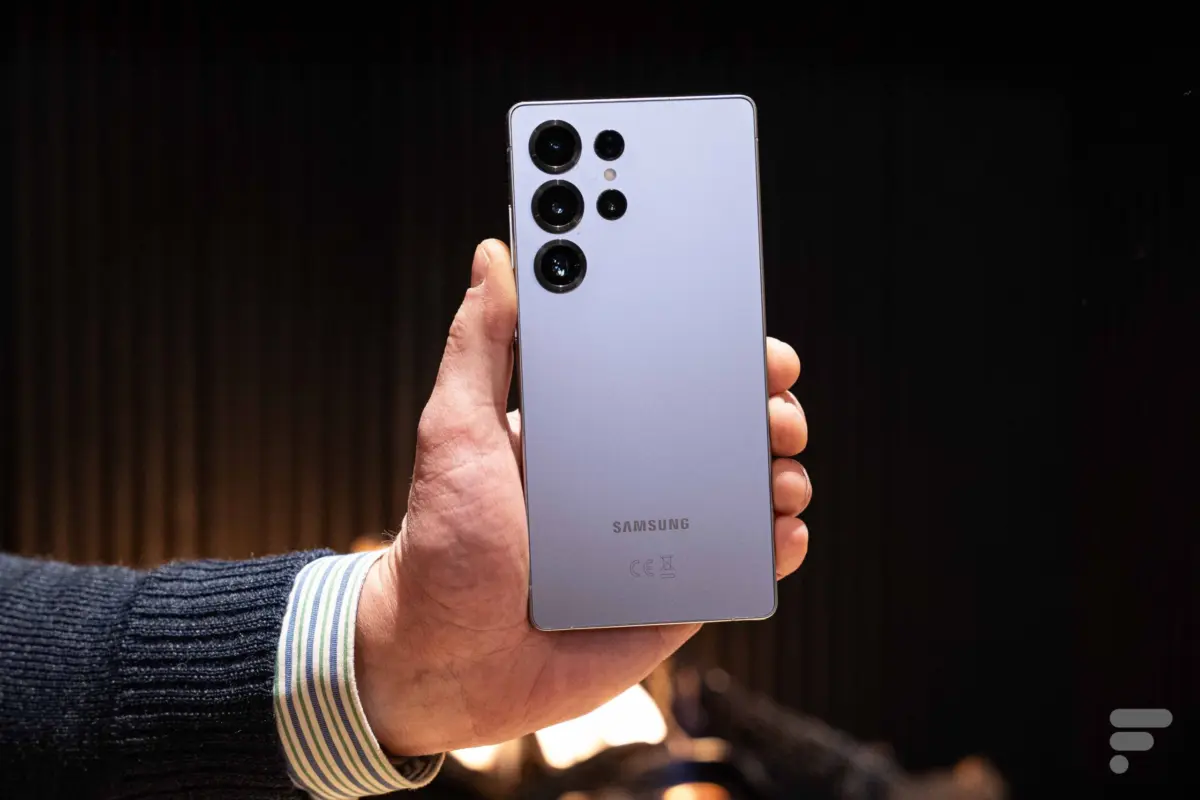
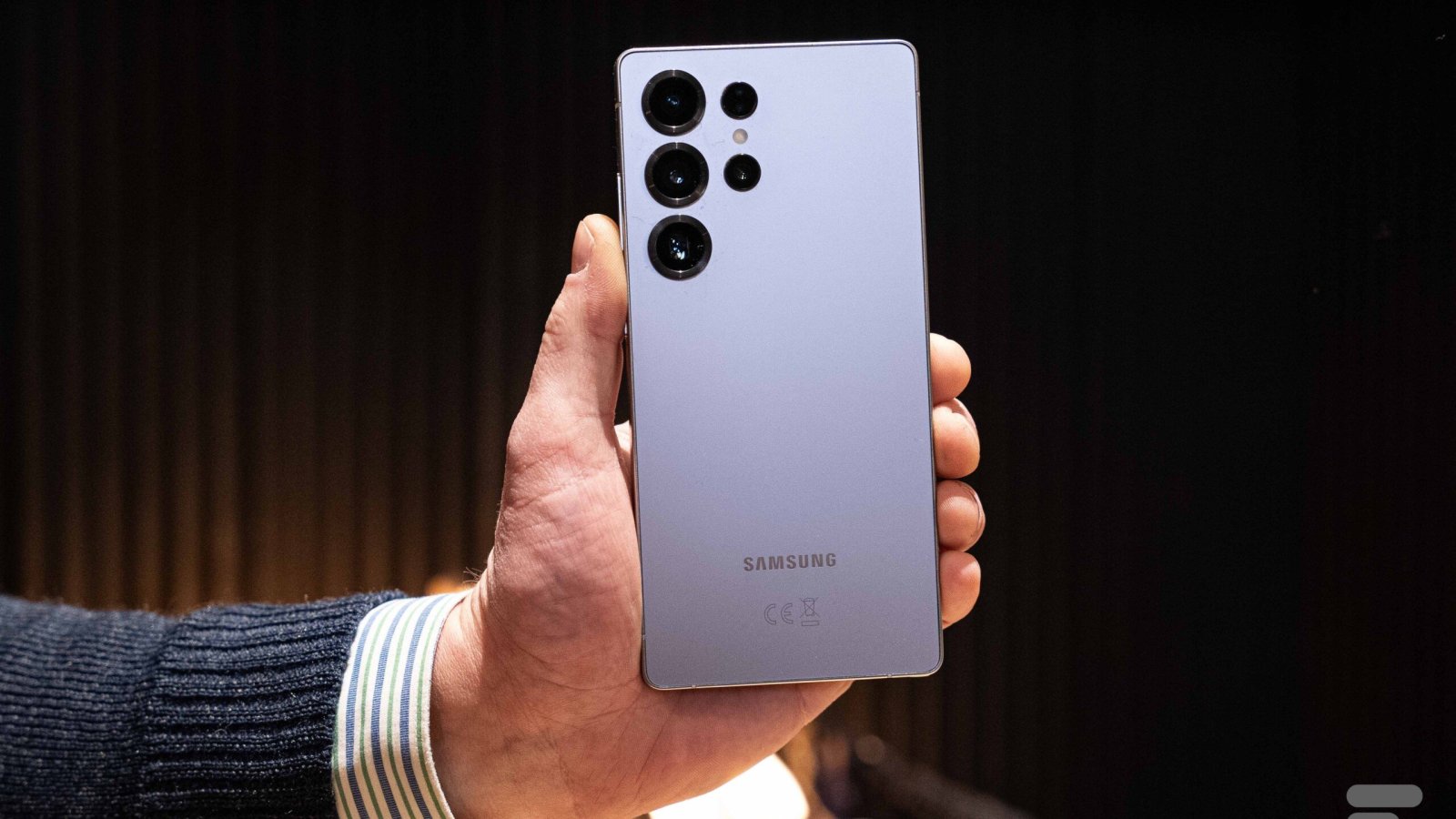
The Galaxy S26 Ultra stands as a testament to Samsung’s engineering prowess, embodying a concentrated blend of the company’s most sophisticated features. A major hardware innovation distinguishing this model is its "confidential display" technology. This integrated, adjustable, and intelligent filter within the screen effectively safeguards user privacy from prying eyes, eliminating the need for third-party accessories. This technical achievement, coupled with Samsung’s consistently exemplary anti-reflective coating, provides a unique viewing experience, although some analyses indicate that color fidelity in SDR mode could benefit from greater precision.

In terms of design, Samsung has opted for a refined aesthetic with rounded corners and a noticeable slimming down, with the device now weighing 214 grams. This design choice significantly enhances the device’s ergonomics and in-hand feel. While the One UI 8.5 interface remains a benchmark for fluidity and intelligent software, boosted by advanced AI functions like "Now Nudge," some market observers note a sense of incremental progress rather than groundbreaking leaps. The camera system, while highly versatile and featuring impressive video stabilization, faces increasing pressure from aggressive competition from Chinese manufacturers who are rapidly advancing their imaging capabilities. Furthermore, the absence of Qi2 magnetic charging compatibility is a notable omission, especially given that competitors like Apple and Google have already integrated this feature. In summary, the Galaxy S26 Ultra is an excellent device, but some critics suggest it might lack the "spark of madness" needed to fully justify its "Ultra" designation in a rapidly evolving market.
Galaxy S26: Iteration Amidst Intensifying Competition
The Galaxy S26 largely embraces a strategy of continuity. The new Exynos 2600 processor, a keenly anticipated component, has yielded mixed results. While it ensures seamless daily operation and fluid performance, it continues to struggle to consistently outperform Qualcomm’s offerings, particularly suffering from thermal management issues that throttle performance during demanding gaming sessions. Visually, the smartphone undergoes minimal evolution, even expanding by a millimeter to accommodate a 6.3-inch display.

The screen itself is a highlight, boasting exceptional brightness, reaching up to 2560 nits in HDR content. However, color accuracy is a concern, with noticeable deviations in vibrant hues and an overly warm temperature profile. On the photography front, Samsung has largely recycled the hardware from the S25. While the results remain robust and the phone maintains its versatility, partly thanks to efficient AI processing, the lack of material innovation becomes apparent when pushing the zoom capabilities or in low-light conditions.
One UI 8.5 remains a core strength, backed by an impressive seven years of software updates, a commitment that enhances the device’s long-term value. However, a significant point of contention is its starting price of €999. Analysts indicate that Samsung appears to have been unable to contain the inflation of component costs, a factor that could impact its competitiveness in the premium segment against rivals offering potentially better value.

Galaxy S25: A Solid Foundation from 2025
The Samsung Galaxy S25, launched in 2025, represented a strong offering for its year. While not revolutionary, it introduced refined adjustments that significantly improved the user experience. This model featured a beautiful 6.1-inch OLED display with a 120 Hz LTPO refresh rate. Laboratory tests revealed a peak brightness of 2460 cd/m² in HDR mode, delivering vibrant and clear visuals. For optimal display performance, the "Vivid" mode was recommended by experts.
A key differentiator for the Galaxy S25 was its software, with One UI enhanced by advanced AI capabilities. These functionalities offered numerous daily conveniences and productivity aids. Crucially, the smartphone was powered by a Snapdragon 8 Elite chip, providing consistent high performance and excellent heat dissipation, ensuring a smooth and responsive experience even under heavy load. The S25’s camera system was generally well-regarded, offering good overall photo quality. However, some modes exhibited minor approximations, preventing it from achieving perfection. Battery life was sufficient for a full day of use, but the charging speed, capped at 25W, was identified as a significant weakness, especially for a device priced at €899.

Galaxy S25 FE: Premium Features, Accessible Price Point
The Samsung Galaxy S25 FE (Fan Edition) positioned itself as a more affordable alternative to the Galaxy S25