George Chandra Eka
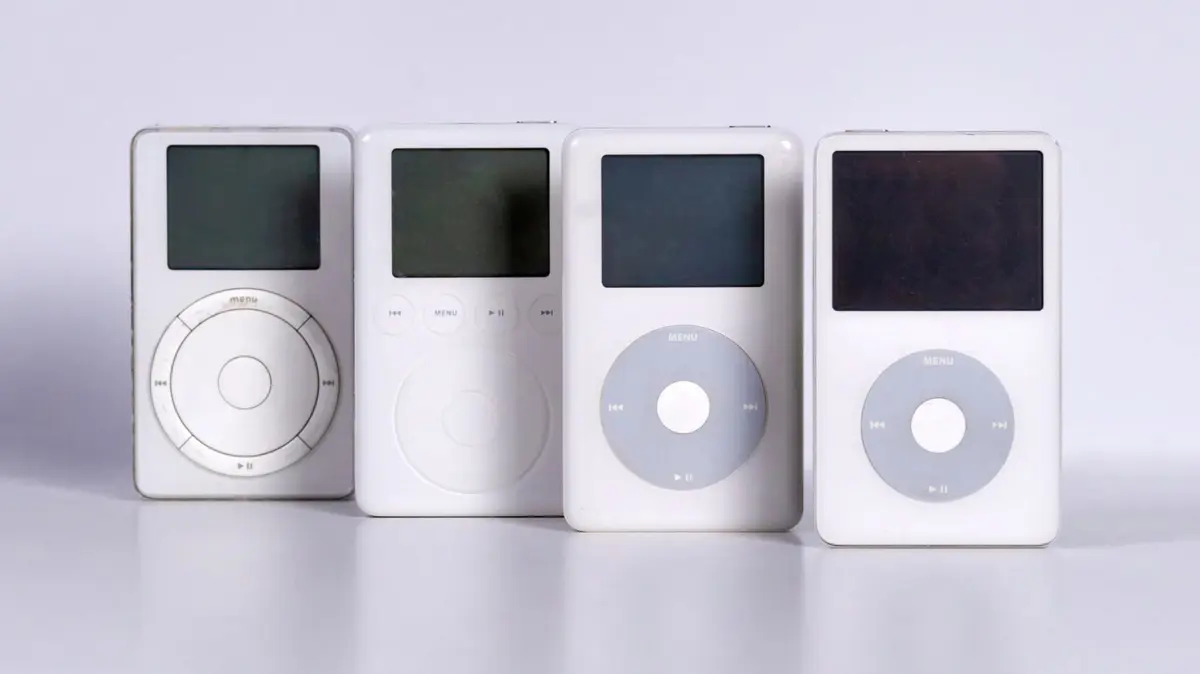
A dedicated community of technology enthusiasts and a burgeoning "retro-tech" movement are giving Apple’s iconic iPod a profound second life, far beyond what its original creators ever envisioned. At the forefront of this revival is the "Sprout Pi Mainboard," a groundbreaking crowdsourced project emanating from a London-based studio, which aims to fundamentally transform vintage iPods by embedding them with modern capabilities such as Bluetooth, Wi-Fi connectivity, and direct access to streaming services like Spotify and Apple Music. This ambitious endeavor moves beyond conventional modifications, proposing a complete replacement of the iPod’s original logic board while meticulously preserving its cherished aesthetic and tactile user interface, including the click wheel and display. The project’s launch video, having rapidly garnered over a million views on YouTube, stands as a testament to the enduring appeal and deep-seated nostalgia associated with the iPod, signaling a significant market for such innovative retrofitting.
The Enduring Legacy of the iPod: A Look Back at a Cultural Phenomenon
The iPod, first introduced by Apple in October 2001, quickly revolutionized portable music consumption, forever changing the way individuals interacted with their personal music libraries. Its sleek design, intuitive click wheel interface, and "1,000 songs in your pocket" marketing slogan captivated millions, cementing its place as a cultural icon. Over the years, Apple iterated on the device, introducing various models such as the iPod Mini, iPod Nano, iPod Shuffle, and the touch-screen enabled iPod Touch. Each generation brought new features, slimmer profiles, and increased storage, but the core appeal remained: a dedicated device for music.
However, as smartphones became ubiquitous, integrating music playback alongside communication, internet browsing, and myriad other functions, the standalone music player’s relevance began to wane. Apple progressively phased out the iPod line, discontinuing the beloved iPod Classic in 2014, followed by the iPod Nano and Shuffle in 2017, and finally, the last remaining model, the iPod Touch, in May 2022. This marked the official end of an era for Apple, which had by then fully transitioned its focus to its highly successful iPhone ecosystem and the Apple Music streaming service.
Despite its official demise, the iPod’s spirit never truly faded. The 25th anniversary of the iPod, celebrated in October 2026, saw Apple offer a subtle, nostalgic nod in the form of an interactive virtual iPod hidden on an Apple Music 404 page – a quiet acknowledgment of its profound legacy. Yet, for many dedicated fans, the product’s cessation was not an end but an invitation to innovate. A vibrant subculture of "iPod modders" emerged, driven by a desire to keep these devices alive, adapting them to contemporary standards where possible, and celebrating their unique design and user experience. This community’s sustained activity laid the groundwork for more radical innovations like the Sprout Pi Mainboard.
From Restoration to Revolution: The Evolution of iPod Modding
Historically, iPod modifications primarily focused on enhancing the device’s original capabilities or replacing aging components. The most common modifications include:
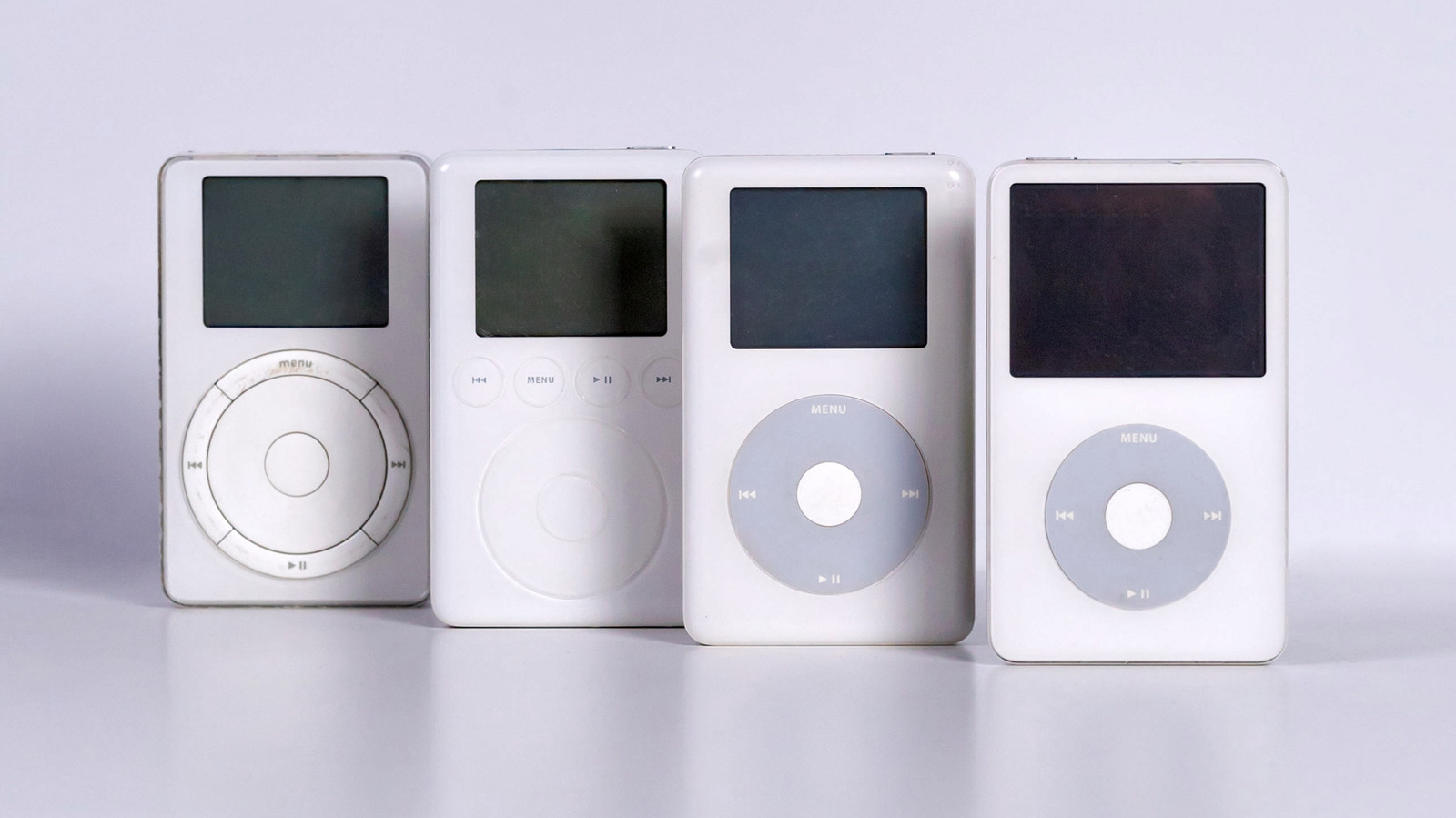
- Storage Upgrades: Swapping out the notoriously fragile and slow mechanical hard drives (found in iPod Classic models) for modern, more durable, and faster flash storage solutions, typically using SD cards or CompactFlash cards via specialized adapters like iFlash. This dramatically improved reliability and battery life.
- Battery Replacements: Installing larger capacity batteries to extend playback time, a necessity given the degradation of original batteries over time.
- Cosmetic Enhancements: Replacing scratched screens, worn click wheels, or damaged cases with new or custom parts, often in unique colors or materials.
- Software Alternatives: Installing open-source firmware like Rockbox, which offered advanced features such as lossless audio codec support, custom themes, games, and file management capabilities, significantly expanding the iPod’s functionality beyond Apple’s original software, albeit still primarily for local file playback.
While these traditional mods breathed new life into old hardware, they were inherently limited by the original iPod’s core architecture. The underlying logic board, with its vintage chipset and lack of wireless communication modules, meant that features like Bluetooth audio, Wi-Fi connectivity, or direct streaming from online services remained out of reach. Users were still bound by the cumbersome process of syncing music files via a computer and iTunes (or Finder on newer macOS versions), and restricted to wired headphones.
The Sprout Pi Mainboard project represents a paradigm shift in iPod modding. Instead of merely upgrading components around the existing core, Sprout proposes to replace that core entirely. This is akin to performing a brain transplant on the device. By designing a new logic board that physically fits within the existing iPod chassis, the project seeks to integrate a modern System-on-Chip (SoC) capable of supporting contemporary wireless protocols and software environments. This approach promises to unlock a new dimension of functionality, transforming a vintage MP3 player into a sophisticated, internet-connected media device while retaining its iconic form factor. The project’s creators articulate a vision where the nostalgic appeal of the click wheel meets the convenience of modern streaming, creating a unique proposition for discerning music lovers.
Unpacking the Sprout Mod: Features and Technical Ambitions
The Sprout Pi Mainboard is engineered to bridge the gap between retro charm and modern utility. Its most compelling features include:
- Integrated Wireless Connectivity: The inclusion of Bluetooth allows for seamless pairing with wireless headphones, AirPods, and Bluetooth speakers, liberating users from tangled wires. Wi-Fi capability opens up a world of online services, most notably direct music streaming.
- Streaming Service Integration: A primary draw of the Sprout project is its promise of native support for popular streaming platforms like Spotify and Apple Music. This means users could theoretically browse, select, and stream music directly from their iPod, a feature previously exclusive to the iPod Touch and modern smartphones. AirPlay support is also mentioned, allowing the iPod to stream audio to compatible devices.
- High-Fidelity Audio: The new logic board is designed to incorporate a hi-fi Digital-to-Analog Converter (DAC). This component is crucial for audiophiles, promising superior sound quality and the ability to play lossless audio formats with greater fidelity than the original iPod hardware, making it a compelling option for those who prioritize audio quality.
- Expanded Storage Capacity: While traditional mods allowed for significant storage increases, Sprout takes it a step further by integrating a microSD card slot capable of supporting up to 2TB of storage. This massive capacity ensures that even the most extensive personal music libraries, particularly those composed of high-resolution lossless files, can be stored locally, providing a robust offline playback option.
- Modern Charging Standard: The shift to USB-C charging addresses a long-standing pain point for iPod owners. The original 30-pin dock connector is obsolete, making charging and data transfer inconvenient with modern devices. USB-C offers universal compatibility and faster charging, aligning the retrofitted iPod with contemporary tech standards.
- Custom Operating System: While the Sprout board runs a completely new software environment, its interface is meticulously crafted to mimic the beloved aesthetic and navigation of the original iPod’s operating system. This dedication to visual and interactive fidelity is crucial for maintaining the nostalgic appeal, ensuring that the experience feels familiar yet powerfully enhanced.
The project differentiates itself by offering two distinct versions of the logic board: one focused solely on local audio playback with enhanced features, and another that includes full Wi-Fi support for streaming applications and AirPlay. This tiered approach could cater to different user needs and budgets, offering flexibility for those primarily interested in a modernized offline player versus a fully connected device.
Compatibility Challenges and Project Status
Despite its ambitious goals, the Sprout Pi Mainboard project currently faces limitations regarding device compatibility. The initial iteration of the logic board is designed to fit specific classic iPod models: the 1st and 2nd-generation iPod Mini, and the 3rd and 4th-generation iPods. Notably absent from this list are several highly popular models, including the 5th, 6th, and 7th-generation iPod Classics (often considered the pinnacle of the "classic" line due to their larger screens and video playback capabilities), as well as the various iPod Nano models and the original iPods with color screens.
This limited compatibility stems from various factors, including the internal physical dimensions of different iPod models, variations in screen connectors, button layouts, and power requirements. Adapting a universal logic board to the diverse array of iPod form factors presents significant engineering challenges. The creators have acknowledged these limitations, and while future expansions may be possible, for now, prospective modders must ensure they possess one of the supported vintage models.
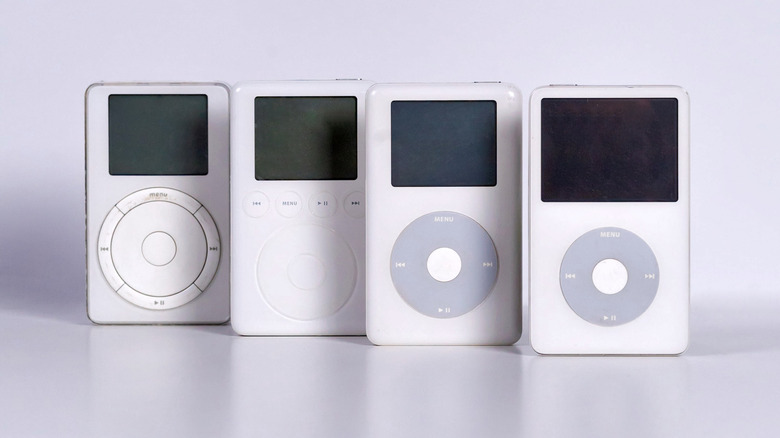
Furthermore, it is critical to note that many of the project’s most exciting features, particularly those related to streaming apps and AirPlay, are explicitly stated as "still under development." This common caveat in crowdfunding projects advises potential backers to approach with a degree of caution. Investing in a product based on future promises carries inherent risks, including potential delays, feature alterations, or even the possibility that certain functionalities may not be fully realized as initially envisioned.
As of the latest updates, the Crowd Supply campaign for the Sprout Pi Mainboard has not yet officially launched. Consequently, crucial details such as pricing, estimated availability, and the full scope of the crowdfunding goals remain undisclosed. Interested individuals are encouraged to subscribe for updates on the project page to stay informed. A significant prerequisite for engaging with this project is that users must provide their own vintage iPod. Depending on the desired model, acquiring a pristine or even functional unit can be an expensive endeavor, with certain generations of iPods fetching premium prices in the secondary market due to their rarity and collector appeal. This additional cost factor needs to be considered alongside the price of the Sprout kit itself.
Comparatively, some later iPod models, such as certain iPod Touch generations and the final iPod Nano (released in 2012), did incorporate Bluetooth and Wi-Fi. However, even these devices face obsolescence in the context of modern streaming. Most current streaming applications require newer versions of iOS than what these older devices can support. For instance, the 7th-generation iPod Touch, the last iPod model Apple sold before discontinuing the line, can only update to iOS 15, which increasingly struggles to run the latest versions of many popular apps. The final iPod Nano, while having Bluetooth, could not install apps at all. This highlights the unique value proposition of Sprout: it aims to bring current streaming capabilities to truly classic iPods, preserving their original operating paradigm.
Broader Implications: Nostalgia, Sustainability, and the Future of Retro Tech
The Sprout Pi Mainboard project, and the broader iPod modding scene it represents, is more than just a niche hobby; it reflects several significant trends in contemporary technology culture:
- The Nostalgia Economy: There is a palpable and growing appetite for retro technology, often driven by nostalgia for simpler times or a desire for distinct user experiences. This trend is evident in the resurgence of vinyl records, the popularity of retro gaming consoles, and even the renewed interest in "dumb phones" or flip phones for digital detox. The iPod, with its iconic click wheel and dedicated music function, perfectly fits into this desire for a focused, distraction-free experience that modern smartphones, with their endless notifications and apps, often cannot provide.
- Sustainability and the Circular Economy: Giving old devices a new lease on life aligns with principles of environmental sustainability. By upgrading and reusing existing hardware, the project contributes to reducing electronic waste (e-waste) and extending the lifespan of products that might otherwise end up in landfills. This resonates with a growing consumer consciousness about the environmental impact of rapid technological obsolescence.
- DIY Culture and User Empowerment: The modding community embodies a strong DIY ethos, empowering users to understand, modify, and ultimately control their technology. In an era where many consumer electronics are increasingly sealed, proprietary, and difficult to repair or modify, projects like Sprout champion the right to repair and the freedom to customize hardware. This fosters innovation from the ground up, outside traditional corporate frameworks.
- Challenging Planned Obsolescence: By proving that older hardware can be adapted to modern standards, the Sprout project subtly challenges the concept of planned obsolescence, demonstrating that the functional lifespan of devices can be significantly extended with clever engineering and community effort.
- A Niche for Dedicated Devices: The success of the iPod modding scene underscores a continued demand for dedicated devices. While smartphones are incredibly versatile, some users still prefer a singular device optimized for a specific task, such as playing music. This allows for a more focused and immersive experience, free from the distractions of calls, texts, and social media. This market niche is also served by high-end Digital Audio Players (DAPs), but these often come with a premium price tag and lack the nostalgic appeal of a classic iPod.
Challenges, Risks, and the Road Ahead
While the promise of a modernized classic iPod is exciting, the Sprout Pi Mainboard project, like any ambitious crowdsourced endeavor, faces several challenges and potential risks:
- Crowdfunding Execution Risk: As the project has not yet launched its crowdfunding campaign, the usual risks associated with such initiatives apply. These include delays in development and manufacturing, unforeseen technical hurdles, cost overruns, and the possibility that the final product may not fully meet the initial promises. Backers would need to weigh these risks carefully.
- Technical Installation Complexity: Replacing a logic board is a delicate operation that requires significant technical skill, specialized tools, and a steady hand. It is not a casual DIY project for the average user. This could limit the project’s accessibility to a smaller segment of technically proficient enthusiasts, or necessitate professional installation services, adding to the overall cost.
- Long-Term Software Support: The longevity and continued appeal of the Sprout-modified iPod will heavily depend on ongoing software development, including bug fixes, security updates, and compatibility with evolving streaming service APIs. The project’s ability to maintain a robust and responsive software ecosystem post-launch will be critical.
- Cost-Effectiveness: The combined cost of acquiring a compatible vintage iPod (which can range from $50 to several hundred dollars depending on condition and model) plus the price of the Sprout Pi Mainboard kit, potentially tools, and professional installation, could make the total investment substantial. This raises questions about its cost-effectiveness compared to simply buying a modern, dedicated DAP or using a smartphone.
- Intellectual Property and Licensing: While hardware modifications for personal use are generally permissible, integrating third-party streaming services and developing a custom operating system requires careful navigation of intellectual property rights and potential licensing agreements. The project would need to ensure its implementation of streaming services adheres to their respective terms of service.
In conclusion, the Sprout Pi Mainboard project represents a fascinating intersection of technological innovation, cultural nostalgia, and community-driven development. It offers a compelling vision for extending the life and relevance of a beloved piece of technology, transforming a relic of the past into a highly capable device for the present. For those who cherish the tactile experience of the click wheel, the dedicated nature of a music player, and the iconic design of the iPod, this project offers a unique and powerful bridge to the modern streaming era. While challenges remain, the sheer enthusiasm and ingenuity driving the Sprout initiative underscore the enduring power of iconic design and the limitless potential of a passionate user base to redefine the boundaries of technological obsolescence.