Sonny Valindra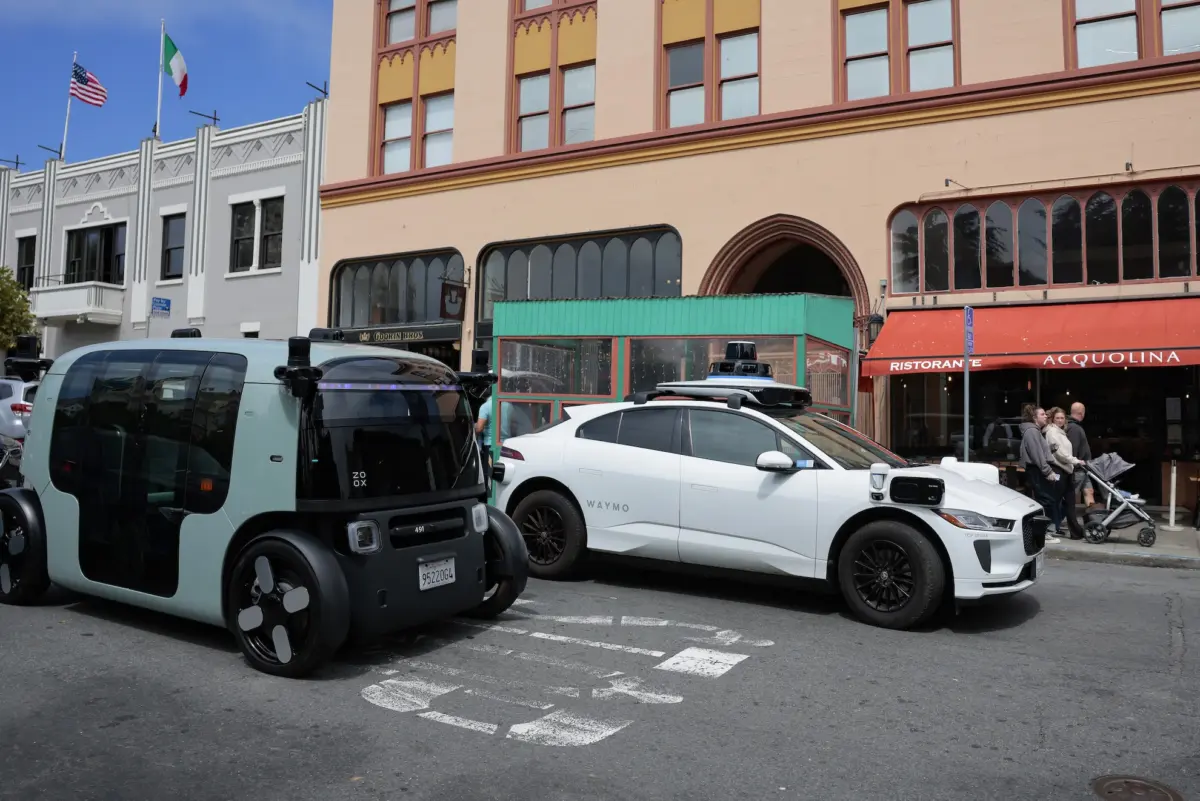
California has enacted a new law aimed at enhancing the safety and responsiveness of autonomous vehicles (AVs) when they encounter operational issues or impede emergency services. Signed into law by Governor Gavin Newsom this week, Senate Bill 1246 introduces a framework for accountability and operational standards for AV companies, addressing concerns that have emerged as self-driving technology becomes more prevalent on state roadways. The legislation comes as robotaxi services like Waymo are increasingly operating in urban centers, prompting discussions about their integration with existing infrastructure and emergency response protocols.
The impetus for SB 1246 stems from a growing number of documented incidents where AVs, particularly Waymo robotaxis operating in San Francisco and the broader Bay Area, have caused traffic disruptions. These disruptions have included instances of AVs blocking roadways, interfering with crime scenes, and hindering the operations of first responders. In some cases, AV operators have reportedly relied on emergency personnel to relocate their disabled vehicles, highlighting a gap in immediate, on-the-ground support capabilities. These incidents, though occurring in the nascent stages of widespread AV deployment, have raised significant questions about the current preparedness of AV technology to manage unforeseen operational challenges in complex urban environments.
SB 1246 seeks to proactively mitigate these issues by establishing clear guidelines and penalties for AV companies. A core tenet of the law mandates that AV developers provide local, on-the-ground support to first responders when their vehicles cause obstructions or require assistance. This support is crucial for ensuring that emergency vehicles and personnel can access areas unimpeded, a critical factor in saving lives and property. The legislation specifically stipulates that AV companies could face penalties if their vehicles block police, fire, or other emergency services for more than 30 minutes. This provision aims to incentivize rapid resolution of AV-related incidents and underscore the priority of public safety.
Furthermore, the law addresses the operational oversight of AV fleets. It mandates that companies can only employ remote drivers who are based within the United States and possess a valid U.S. driver’s license. This measure seeks to ensure a level of familiarity with American driving laws and conditions, and potentially streamline communication and regulatory oversight. Additionally, AV developers will be required to notify cities, towns, and other local jurisdictions about the location and status of their vehicles during system-wide failures. This proactive communication is designed to allow local authorities to better anticipate and manage potential disruptions caused by large-scale AV operational issues. The appointment of "local incident technicians" to assist with AV accidents and obstructions is another key provision intended to provide immediate, on-site assistance.
The Department of Motor Vehicles (DMV) in California is tasked with developing the specific regulations and implementation details for SB 1246, as it is the primary regulator of autonomous vehicles in the state. While the core tenets of the law are clear, the precise mechanisms for enforcement, reporting, and technician deployment will be refined by the DMV. The law is slated to go into effect in July 2028, providing companies with a timeframe to adapt their operations and infrastructure to comply with the new requirements.

The effectiveness of SB 1246 in completely eliminating robotaxi disruptions remains a subject of discussion. Proponents argue that the law establishes a crucial layer of accountability and mandates support mechanisms that were previously lacking. Critics, while acknowledging the necessity of such legislation, express concern that the inherent complexities of autonomous driving technology may still lead to unpredictable situations. However, the overarching hope is that the law will significantly reduce the frequency and duration of disruptive incidents, fostering a more integrated and safer coexistence between AVs and emergency services.
The implications of California’s legislative action extend beyond its borders. As other states grapple with the increasing deployment of AVs, they may look to California’s SB 1246 as a model for their own regulatory frameworks. The question of whether other states will follow California’s lead or await federal guidance on AV regulation is a significant one for the future of the industry. A fragmented regulatory landscape could pose challenges for companies operating nationwide, while a unified federal approach might accelerate standardization but could also be slower to adapt to regional nuances.
Key Provisions of Senate Bill 1246
Senate Bill 1246, signed into law by Governor Gavin Newsom, introduces several key provisions designed to enhance the safety and accountability of autonomous vehicles in California:
- First Responder Support: AV companies must provide local, on-the-ground support to first responders when their vehicles cause disruptions or require assistance.
- Penalty for Obstruction: Companies may face penalties if an AV blocks emergency services for more than 30 minutes.
- Remote Driver Requirements: Remote drivers for AVs must be based in the United States and hold a valid U.S. driver’s license.
- Notification of System Failures: AV developers must notify local jurisdictions about vehicle locations and status during system-wide failures.
- Local Incident Technicians: Companies are required to provide technicians to assist with AV accidents and obstructions.
- Regulatory Oversight: The California Department of Motor Vehicles (DMV) is responsible for establishing detailed regulations for the law’s implementation.
- Effective Date: The law will take effect in July 2028.
Industry Reactions and Broader Context
While specific public statements from all affected companies regarding SB 1246 were not immediately available, the legislation reflects a growing trend towards increased regulatory scrutiny of the autonomous vehicle sector. Companies like Tesla, Waymo, and Zoox, which are at the forefront of AV development and deployment, have been actively engaging with regulators and policymakers across various jurisdictions.
The passage of SB 1246 can be viewed within a broader timeline of AV development and regulation. Early phases of AV testing and limited deployment often occurred with less stringent oversight. However, as the technology matures and its presence on public roads intensifies, lawmakers are responding to public safety concerns and the practical challenges that arise. The incidents that have prompted legislation in California are not isolated; similar concerns have been raised in other states with significant AV testing or operational programs.
The financial implications for AV companies are also noteworthy. The requirement for on-the-ground support and the potential for fines necessitate investment in operational infrastructure and personnel. Companies will need to establish robust incident response teams and potentially develop new technologies or protocols to ensure rapid deployment of assistance. The cost of compliance will likely be factored into the overall business models of AV operators, potentially impacting pricing and expansion strategies.

Emerging Trends in Autonomous Mobility
The regulatory landscape is just one aspect of the evolving autonomous mobility sector. Recent developments highlight a dynamic industry marked by significant investment, strategic partnerships, and ongoing technological advancements.
Deals and Funding:
- Harbinger secured a substantial $300 million deal to supply FedEx with 2,000 electric trucks, signaling strong demand for electric commercial vehicles. This partnership underscores the growing commitment of logistics companies to electrify their fleets and explore advanced vehicle technologies.
- HyperGuest, an Israeli travel tech startup, raised $25 million, indicating continued investment in technologies that aim to streamline and enhance the travel experience.
- REGENT Craft extended its collaboration with the U.S. Marine Corps Warfighting Lab, with the contract value reaching $19.25 million. This partnership focuses on the development of all-electric Seagliders, pointing to advancements in electric aviation and specialized military applications.
- Quartermaster, a maritime intelligence startup, garnered $140 million in a Series B funding round, with significant backing from Insight Partners and Overmatch Ventures. This investment highlights the increasing importance of data analytics and intelligence in the maritime sector.
- Voltaback, a French fleet management software startup, raised €2.8 million from Serena, focusing on scaling EV charging reimbursement solutions across Europe. This funding is indicative of the growing need for efficient management of electric vehicle fleets.
Notable Reads and Industry Tidbits:
- Aurora’s Ambitious Trucking Goals: Aurora’s CFO, David Maday, expressed confidence in the company’s plan to deploy 30,000 autonomous trucks by the end of 2030. This ambitious target requires overcoming significant technological, logistical, and regulatory hurdles, and Maday has provided insights into the company’s strategy for achieving this scale.
- BMW’s Unified EV and ICE Strategy: BMW’s 2027 3 Series model showcases a strategy where both internal combustion engine (ICE) and electric vehicle (EV) variants are nearly identical, with the EV version being notably cheaper. This approach suggests a potential shift in how automakers are integrating EV platforms and pricing strategies.
- DoorDash’s Drone Delivery Expansion: DoorDash is further detailing its drone delivery initiative, DoorDash Air, which integrates autonomous aircraft with ground-based systems. This expansion into aerial logistics signifies a move towards diversified delivery methods.
- Kodiak and IKEA Partnership: Kodiak has secured IKEA as a customer, with plans to commence driverless deliveries on public highways. The 219-mile route between Houston and Dallas for hauling IKEA products without a human in the cab marks a significant step in long-haul autonomous freight.
- Lyft’s Driver Classification Settlement: Lyft agreed to a $272.5 million settlement to resolve a lawsuit concerning the misclassification of drivers as independent contractors rather than employees in California. This settlement pertains to violations predating California’s Proposition 22, which allows companies like Uber and Lyft to classify drivers as contractors.
- Vehicle Data Privacy Concerns: A study by Northeastern University revealed that modern vehicles and their companion mobile apps collect extensive personal data and share it with numerous tech companies, raising privacy concerns for consumers.
- SpaceX’s Starship Milestone: SpaceX’s Starship rocket successfully reached Earth orbit for the first time, a critical achievement in the development of heavy-lift launch capabilities.
- Rivian’s Sales Surge and Recall: Rivian reported a record quarter in sales, driven by its new R2 SUV, and maintains its annual vehicle delivery forecast. However, the company issued a recall for the R2 due to potentially improperly tightened battery pack fasteners, highlighting the ongoing challenges in scaling new EV production.
- Tesla’s Sales Momentum and Future Ambitions: Tesla reported strong EV sales in the third quarter, demonstrating sustained momentum. Despite delays in its Roadster 2 event, the company is actively pursuing its vision of becoming an AI and robotics leader, as outlined in its fourth Master Plan. This vision includes scaling its Optimus robot and Cybercab robotaxi, supported by $30 billion in newly secured credit lines.
Looking Ahead: Disrupt 2026 and the Future of AI
The upcoming TechCrunch Disrupt 2026 conference in San Francisco will feature discussions on critical advancements in artificial intelligence and robotics, including those relevant to the autonomous mobility sector. The agenda includes interviews with key figures such as Rivian CEO RJ Scaringe, GM’s director of robotics strategy Mikell Taylor, Shield AI CTO Nathan Michael, and Waabi founder Raquel Urtasun, who will participate in a panel titled "Building AI Systems When Failure Is Not an Option." Additionally, discussions will cover strategies for success in the AI landscape, featuring insights from investors and industry leaders. The conference will also showcase innovative startups, such as MyMonthly Car, a participant in the Startup Battlefield 200, which aims to leverage idle car inventory for rental revenue. Attendees can utilize the promo code "mobility30" for a 30% discount on tickets.