Galang Taruna

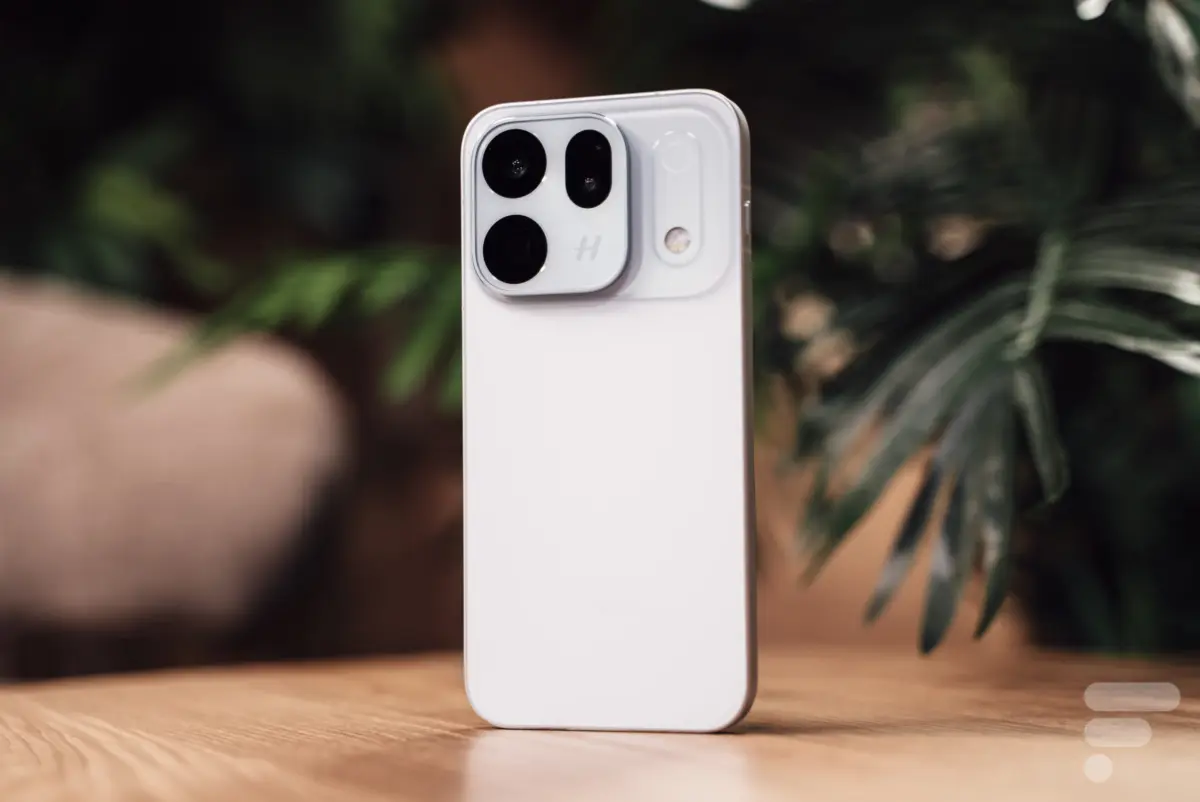
Elvis Zahou, CEO of Oppo Europe, has asserted that consumers under the age of 35, particularly those within Gen Z, are increasingly basing their high-end smartphone purchasing decisions on comprehensive product tests, genuine user reviews, and sophisticated responses generated by artificial intelligence, rather than succumbing to traditional advertising campaigns. This strategic insight comes as Oppo recently launched its latest flagship devices, the Find X10 and Find X10 Pro Max, on October 21, marking a significant push into the fiercely competitive premium segment of the European market. These new models, priced upwards of €1,000, with the Find X10 Pro Max approaching the €2,000 mark, directly challenge established giants like Apple and Samsung, whose devices, such as the iPhone 18 Pro Max, occupy similar price tiers.
Navigating the Premium Segment: Oppo’s Bold Pricing Strategy
The introduction of the Find X10 and Find X10 Pro Max at such elevated price points reflects Oppo’s unwavering commitment to the high-end market despite pervasive inflationary pressures impacting the global technology sector. The Find X10 Pro Max, at €1,800, positions itself in direct competition with top-tier offerings, underscoring Oppo’s ambition to be perceived as a premium brand offering comparable value. Elvis Zahou articulated Oppo’s philosophy by stating, "Oppo has not opted for the choice made by certain brands that release a new generation without a real hardware or software update, or even by reducing certain configurations to limit price increases." He further emphasized, "Faced with rising costs, every new generation we release must imperatively bring a major improvement in experience compared to the previous one […]. The price must ultimately reflect the value." This declaration signals a clear rejection of incremental updates or cost-cutting measures that might compromise user experience, asserting that innovation and superior performance justify the premium price tag.
In an industry where component costs, research and development expenditures, and supply chain complexities continue to drive up manufacturing expenses, maintaining such a stance is challenging. Oppo’s strategy suggests a belief that consumers in the premium segment are willing to pay more for tangible advancements and a superior overall experience, rather than settling for marginal improvements. This approach is particularly critical for a brand that, unlike Apple or Samsung, does not yet possess the same level of entrenched brand loyalty or market dominance in the high-end European segment.
The Evolving Consumer: Gen Z’s Influence on High-End Choices
Oppo’s strategic focus is sharply aimed at the 18-35 age demographic, with a particular emphasis on Gen Z. An internal study cited by Elvis Zahou reveals that this age group constitutes over half of all high-end smartphone users, making their purchasing behaviors and preferences paramount for any brand aspiring to succeed in this segment. Oppo has identified three primary expectations from this discerning audience: exceptional photography capabilities, seamless integration of artificial intelligence, and features that promote overall well-being.
Gen Z, as digital natives, has grown up in an era saturated with information and advertising. This constant exposure has cultivated a deep-seated skepticism towards traditional marketing messages. They are adept at discerning authenticity from hyperbole, and their trust is more readily placed in peer recommendations, independent reviews, and objective data rather than polished corporate campaigns. For this demographic, a smartphone is not merely a communication device but an indispensable tool for content creation, social expression, and personal organization. Superior camera systems are essential for capturing and sharing high-quality visuals on social media platforms, while advanced AI functionalities promise enhanced personalization, efficiency, and predictive capabilities. The focus on "well-being" features could encompass anything from digital detox tools and screen time management to advanced health monitoring integrations, reflecting a growing consumer awareness of the impact of technology on mental and physical health.
Beyond Billboards: The Power of Authenticity, Reviews, and AI
Elvis Zahou’s assertion that "Today, all users say: ‘I no longer believe in advertising’" encapsulates a profound shift in consumer psychology. He elaborates on what consumers do trust: "What do they believe in? Product tests, authentic user shares, and comments under those shares. All of this is based on the real satisfaction provided by the product, and that is an area where Oppo has an advantage." This insight underscores the critical importance of user-generated content, influencer marketing (when perceived as authentic), and comprehensive technical reviews from reputable sources.
For a challenger brand like Oppo, this paradigm shift represents both a necessity and an opportunity. In a European market where Apple and Samsung collectively command approximately 95% of the premium segment, Oppo aims to establish itself as a credible "third option." This duopoly, according to Zahou, suggests a "lack of competition" and a clear consumer need for alternative choices that genuinely innovate. While the established leaders often leverage vast advertising budgets and extensive physical retail presence, Oppo is betting on the power of product excellence and digital word-of-mouth. The company claims to possess a "very high" Net Promoter Score (NPS), a widely recognized metric that measures customer loyalty and the willingness of customers to recommend a company’s products or services to others. A high NPS is indicative of strong customer satisfaction and is a powerful driver of organic growth through recommendations, aligning perfectly with Oppo’s strategy to capitalize on authentic user endorsements.
Artificial Intelligence as a Strategic Ally
A particularly intriguing aspect of Oppo’s strategy is its reliance on artificial intelligence as an impartial arbiter of product quality. Zahou notes that young Europeans are increasingly turning to AI assistants to query which smartphones offer the best photographic capabilities or other performance metrics. He highlights the perceived neutrality of AI: "A tool like AI does not look at the value of your brand, it does not care about your distribution or retail barriers; it only looks at the intrinsic experience and competitiveness of the product. Every time a user queries AI, our product ranks in the top 3."
This statement, while dependent on the specific AI assistant and the phrasing of the query, points to a potentially disruptive force in consumer decision-making. AI models, when designed to be objective, can aggregate vast amounts of data from tests, reviews, and user feedback, presenting recommendations based purely on performance metrics rather than brand recognition or advertising spend. An arXiv study published in June 2026 supports this notion, suggesting that while AI assistants might initially favor established brands, a product with demonstrably superior ratings or performance can easily surpass them in recommendations. For Oppo, this represents a unique advantage, allowing their products to compete on merit directly against industry titans, bypassing traditional marketing channels where Apple and Samsung hold overwhelming sway. The future of product discovery, especially for technologically savvy generations, may increasingly be mediated by AI, transforming the competitive landscape.
Expanding Market Reach: Financial Accessibility and Ecosystem Integration
Beyond leveraging digital credibility and AI, Oppo is also addressing the practicalities of making high-end smartphones accessible to a broader audience. The company is actively collaborating with mobile network operators, a crucial channel for premium device sales in Europe, often through bundled plans and subsidies. Furthermore, Oppo is emphasizing installment payment options, a proven sales strategy that has enabled Apple and Samsung to move their most expensive models by breaking down the cost into manageable monthly payments. This financial flexibility is vital for consumers considering a significant investment in a smartphone, particularly in an economic climate where discretionary spending is carefully considered.
In a strategic move to consolidate its market position and capture a wider user base, Oppo is also actively targeting former customers of OnePlus. Following shifts in OnePlus’s European strategy, which saw a reduction in its independent presence and a closer integration with Oppo, a segment of loyal OnePlus users may be seeking alternatives. Oppo is proactively engaging these customers by offering incentives such as discounts and even a free wireless charger for those who link their OnePlus account to an Oppo account. This initiative aims to seamlessly transition users from a sister brand, capitalizing on brand familiarity and a shared technological heritage, thereby mitigating potential customer churn and bolstering Oppo’s premium segment penetration.
Oppo’s Ambitious Growth Trajectory in Europe
Oppo’s efforts appear to be yielding tangible results. The company reports that the share of its Find series in European sales quadrupled between 2025 and 2026, indicating a strong positive reception for its premium offerings. Building on this momentum, Oppo has set an ambitious goal to double Find series sales in 2027. This aggressive growth target underscores the company’s confidence in its product portfolio and its differentiated market strategy. The success of the Find series is critical for Oppo’s long-term aspirations in Europe, as it signifies not only increased revenue but also enhanced brand perception and a stronger foothold in the highly lucrative premium segment. The ability to attract and retain high-value customers who are willing to invest in top-tier devices is a testament to the effectiveness of Oppo’s focus on innovation, user experience, and a marketing approach that resonates with modern consumers.
Broader Market Implications and The Future of Smartphone Marketing
The strategic pivot articulated by Elvis Zahou carries significant implications for the broader smartphone industry and the future of marketing. If consumer trust in traditional advertising continues to erode, and reliance on authentic reviews, user-generated content, and AI-driven recommendations becomes the norm, then all brands, including the dominant players, will need to fundamentally reassess their engagement strategies. This shift could democratize the market to some extent, allowing brands with genuinely superior products to gain traction even without the colossal marketing budgets of their established rivals.
For Apple and Samsung, the implications are profound. While their brand loyalty and ecosystem lock-in are formidable, an increasing reliance on objective performance metrics and peer validation could challenge their long-held dominance. They may need to invest more heavily in fostering genuine community engagement, facilitating transparent user feedback, and ensuring their products consistently outperform competitors in independent tests and AI evaluations. The market concentration, with 95% of the premium segment held by two players, could also invite closer scrutiny from regulatory bodies if challenger brands continue to highlight the lack of robust competition.
Oppo’s strategy highlights the increasing importance of product excellence as the ultimate marketing tool. In an era of abundant information, consumers are empowered to make informed decisions, prioritizing intrinsic product value over persuasive advertising. This trend is likely to drive further innovation across the industry, as brands strive to develop devices that not only meet but exceed the demanding expectations of a digitally savvy and discerning consumer base. The battle for the premium smartphone market in Europe, as evidenced by Oppo’s aggressive and insightful approach, is shifting from a contest of marketing budgets to a competition of authentic value and verifiable performance.