Vera Intan Clara
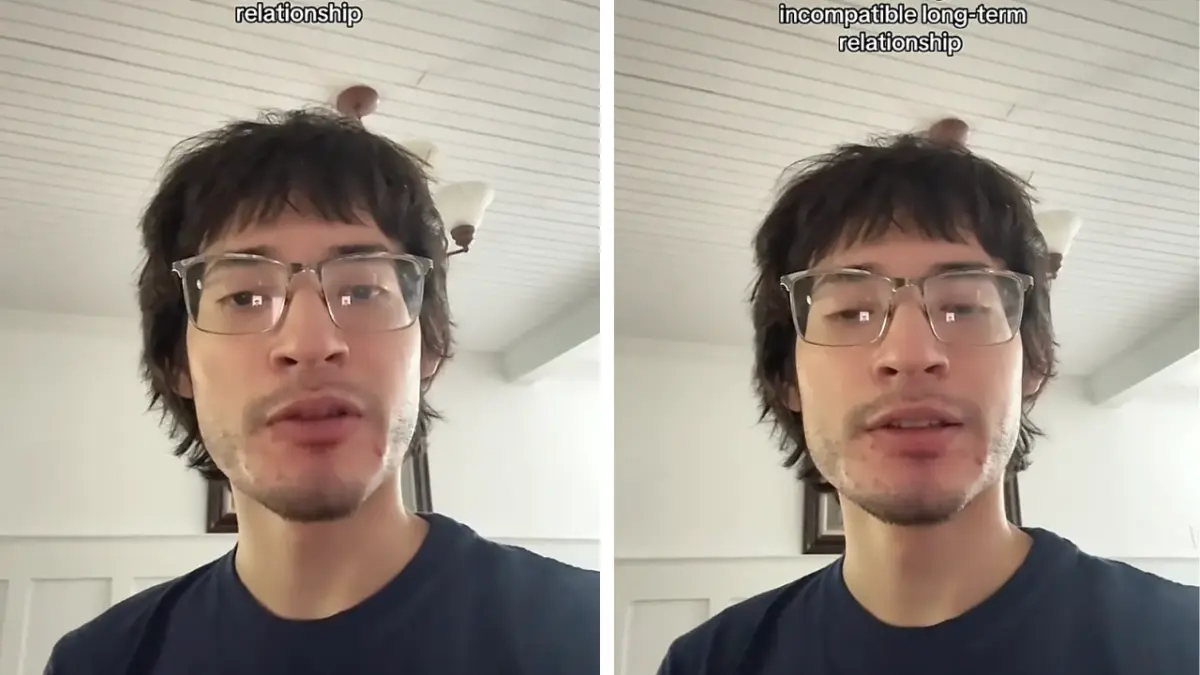
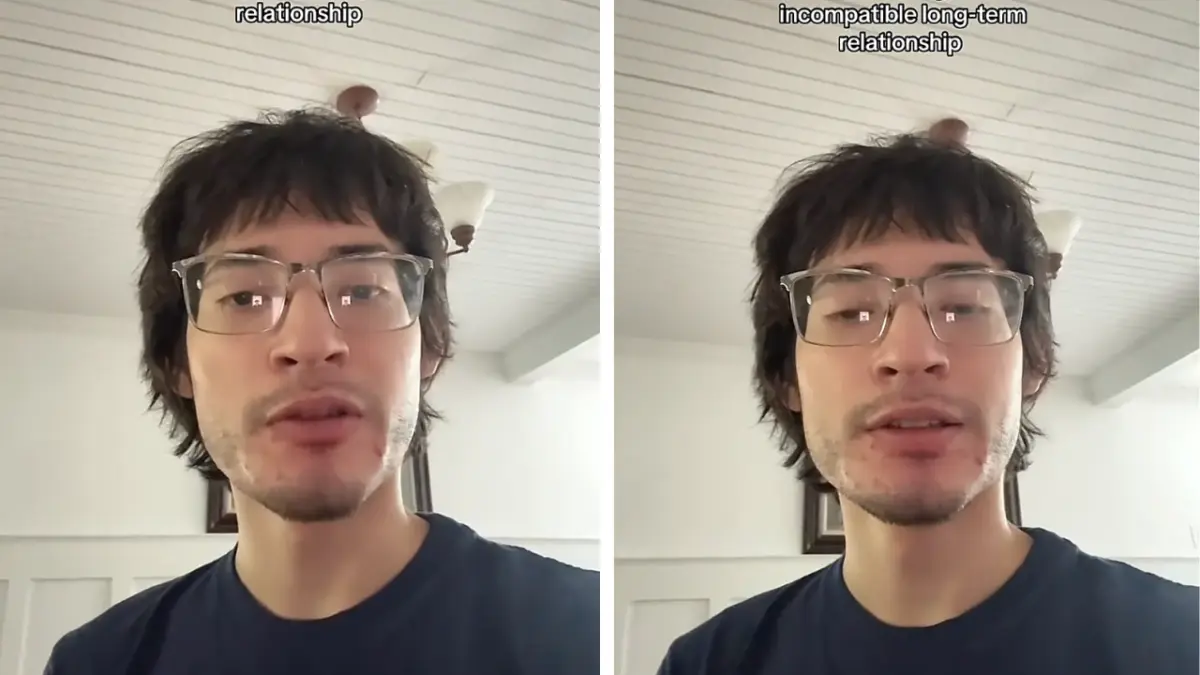
A recent viral TikTok video has sparked widespread conversation about the often-overlooked phenomenon of loving, yet ultimately incompatible, relationships, resonating with hundreds of thousands of viewers globally. The video, posted by user Caleb under the handle @palladiumpaladin, details his personal struggle with ending a deeply affectionate long-term relationship due to fundamental incompatibilities. This candid account, which garnered over 219,000 views and 198 comments at the time of publication, underscores a profound emotional challenge many individuals face: the realization that intense love alone cannot sustain a partnership when core differences persist. Caleb’s experience, while personal, serves as a poignant illustration of a universal relationship dilemma, prompting a broader examination of compatibility, personal evolution within partnerships, and the psychological impact of such separations.
The Genesis of a Viral Conversation: Caleb’s Account
Caleb initiated his video by acknowledging the inherent difficulty of his situation: "I wanted to talk about my experience trying to move on from a really beautiful and loving relationship that ultimately ended because of incompatibility." He highlighted that this scenario is far from unique, particularly prevalent in first long-term relationships where individuals are often navigating the complexities of deep emotional connection for the first time. The initial stages of any relationship, he posited, are frequently characterized by intense chemistry and a mutual eagerness to explore each other’s personalities and lives. This period, while exhilarating, can inadvertently mask underlying differences as both partners are often in a state of heightened openness and willingness to adapt.
However, as relationships mature and evolve beyond the initial honeymoon phase, the true nature of incompatibility begins to surface. Caleb eloquently described this as a "double-edged sword," where the very passage of time that deepens love and connection simultaneously illuminates growing discrepancies. "I feel like after you’ve been together for a good amount of time, that’s when incompatibility really begins to show itself," he explained. As partners integrate their lives, making space for each other in daily routines, long-term plans, and personal aspirations, the foundational cracks can become increasingly apparent. These adjustments, initially made out of love and a desire to merge lives, can inadvertently lead to a slow erosion of individual identity.
The Erosion of Self: A Consequence of Persistent Adjustment
Caleb’s narrative powerfully articulated the subtle yet profound impact of continuous adaptation within a relationship. He argued that to circumvent fundamental incompatibilities, individuals might unconsciously begin to compromise their core selves, shaping their behaviors, beliefs, and even aspirations to better align with their partner’s. This process, while seemingly a testament to love and commitment, can lead to a disorienting loss of self. "The incompatibility is there because you’ve essentially become a person that circumvents that incompatibility by circumventing who you really are," Caleb stated. The consequence of this self-subversion is a relationship sustained by two individuals who have diverged from their authentic selves, making genuine connection increasingly difficult.
The aftermath of such a breakup, Caleb emphasized, is particularly challenging. The person one became to accommodate a now-absent partner may struggle to function independently, having lost touch with their original identity and self-sufficiency. This post-breakup identity crisis adds another layer of complexity to the grieving process, extending beyond the loss of the partner to the rediscovery of one’s authentic self.
Broader Context: Understanding Relationship Incompatibility
The concept of incompatibility, as discussed by Caleb, is a well-documented phenomenon in relationship psychology. It extends beyond superficial differences in hobbies or preferences, delving into core values, life goals, communication styles, emotional needs, and fundamental approaches to life. While some differences can be complementary and enriching, others create persistent friction that, over time, can become insurmountable, regardless of the love shared.
Research indicates that incompatibility is a significant factor in relationship dissolution, often cited alongside infidelity and lack of commitment. A 2013 study published in the Journal of Divorce & Remarriage, for instance, found that fundamental differences in personality and values were frequently reported reasons for divorce. Similarly, a broader analysis by the American Psychological Association suggests that communication problems, which often stem from incompatible communication styles or underlying needs, are among the leading causes of relationship distress and breakup.
The Chronology of Unveiling Incompatibility
The emergence of incompatibility typically follows a predictable, albeit often agonizing, timeline within a relationship:
- Initial Attraction and Chemistry (The "Honeymoon Phase"): This stage is characterized by intense emotional and physical connection. Partners focus on similarities, overlook minor differences, and project idealized versions onto each other. The brain’s reward system is highly active, often masking potential long-term issues.
- Deeper Connection and Integration: As the relationship progresses, partners begin to integrate their lives, sharing more intimate details, spending significant time together, and making joint decisions. This phase starts to reveal routine habits, lifestyle preferences, and approaches to conflict resolution. Minor incompatibilities might surface but are often dismissed as manageable.
- The "Power Struggle" or Reality Check: After several months or a few years, the initial idealization fades. Partners begin to see each other more realistically, and their individual needs and desires become more prominent. This is where fundamental differences in core values, financial habits, family aspirations, or personal growth trajectories can become more pronounced. What was once charming quirkiness might now be perceived as an intractable problem.
- Persistent Friction and Adaptation: If core incompatibilities are not addressed effectively, they manifest as recurring arguments, unresolved conflicts, or a sense of emotional distance. Partners may attempt to adapt excessively, leading to the "loss of self" described by Caleb, or one partner might feel consistently unheard or undervalued. This stage can last for years, sustained by love, shared history, or a fear of being alone.
- The Breaking Point: Eventually, the cumulative weight of unaddressed incompatibility, coupled with the emotional toll of constant adjustment or conflict, leads to a realization that the relationship, despite the love, cannot sustainably meet both partners’ needs. This often culminates in separation, a decision that is particularly painful precisely because love remains, but viability does not.
Expert Insights: Navigating the Complexities
Relationship psychologists and therapists frequently encounter couples grappling with incompatibility. Dr. John Gottman, a renowned relationship researcher, emphasizes the importance of shared values and life philosophies, distinguishing them from solvable problems. He posits that while couples will inevitably have perpetual problems, fundamental differences in how partners view the world, their dreams, and their purpose can be far more destructive than mere disagreements over chores.
Experts suggest that true compatibility is not about finding someone identical to oneself, but rather someone whose differences are complementary or manageable, and with whom one shares fundamental respect, trust, and a similar vision for the future. Dr. Sue Johnson, creator of Emotionally Focused Therapy, highlights the need for secure attachment and responsive emotional connection. When core needs for security, comfort, and understanding are consistently unmet due to incompatible emotional expression or processing, even loving relationships can crumble.
Moreover, the emphasis on self-awareness is crucial. Therapists often guide individuals to understand their own core values, needs, and boundaries before entering or deepening a relationship. This self-knowledge can serve as a compass, helping to identify potential incompatibilities early on and preventing the profound loss of self Caleb described.
The Digital Echo Chamber: Viewers Relate and Validate
Caleb’s video quickly became a rallying point for others who had experienced similar heartbreaks. The comments section transformed into a shared space of validation and mutual understanding, highlighting the universality of his experience.
One user articulated a practical indicator: "A good way to know if you’re incompatible is if you’re arguing about the same things over and over." This observation points to recurring unresolved conflicts as a key symptom of underlying fundamental differences. Another viewer shared, "Came out of a relationship like this! She’s a wonderful person but some fundamentals that made us clash too much." These statements reinforce the painful paradox: a partner can be objectively wonderful, yet still not be the right fit.
The sentiment "He was a good person, just not the right person for me" resonated deeply with many, including one user who recounted their marriage ending due to unrecognized incompatibility, even after couples therapy. This collective outpouring underscores that the experience of loving someone you’re incompatible with is a pervasive, yet often underexplored, aspect of human relationships. Social media platforms like TikTok have provided an invaluable forum for destigmatizing these complex emotions, allowing individuals to share their vulnerabilities and find solace in shared experiences. This digital communal sharing fosters a sense of not being alone in a deeply personal struggle, contributing to a broader societal conversation about the nuances of love and partnership.
Broader Societal Implications and Evolving Relationship Paradigms
The increasing openness about relationship incompatibility, fueled by platforms like TikTok, reflects a broader shift in societal attitudes towards relationships and marriage. There’s a growing emphasis on individual fulfillment, authenticity, and personal growth within partnerships, rather than merely adhering to traditional expectations. This contemporary perspective, while potentially leading to more discerning choices, can also contribute to a higher rate of relationship dissolution if individuals are unwilling or unable to compromise on fundamental issues.
The implications extend to mental health. Navigating the end of a loving but incompatible relationship can lead to significant psychological distress, including grief, identity confusion, anxiety, and depression. Support systems, both personal and professional, become crucial during this period of transition and self-discovery. The public discourse initiated by videos like Caleb’s helps normalize these struggles, encouraging individuals to seek help and process their emotions in healthy ways.
Furthermore, the conversation challenges the simplistic notion that love conquers all. While love is undoubtedly a powerful force, it is increasingly recognized as one component among many necessary for a sustainable, healthy partnership. Compatibility, mutual respect, shared values, effective communication, and individual growth are equally vital pillars. As individuals become more self-aware and articulate about their needs and desires, the landscape of relationships continues to evolve, pushing for deeper introspection and more intentional choices in partnership. This ongoing dialogue on social media serves as a public reflection of these complex, evolving human experiences, offering both catharsis and collective wisdom.
The Daily Dot was unable to independently verify the personal experiences shared by TikTok creator @palladiumpaladin, which are based on his account in the video, but acknowledges the widespread resonance of the themes discussed.