Garick Elordi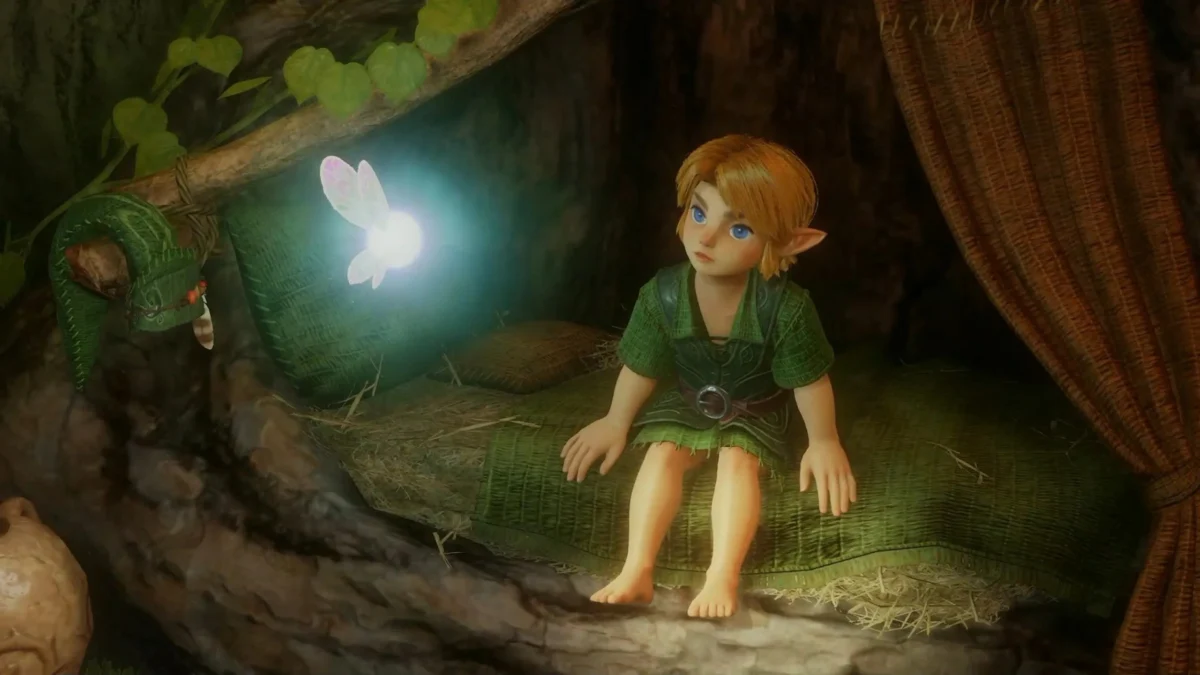
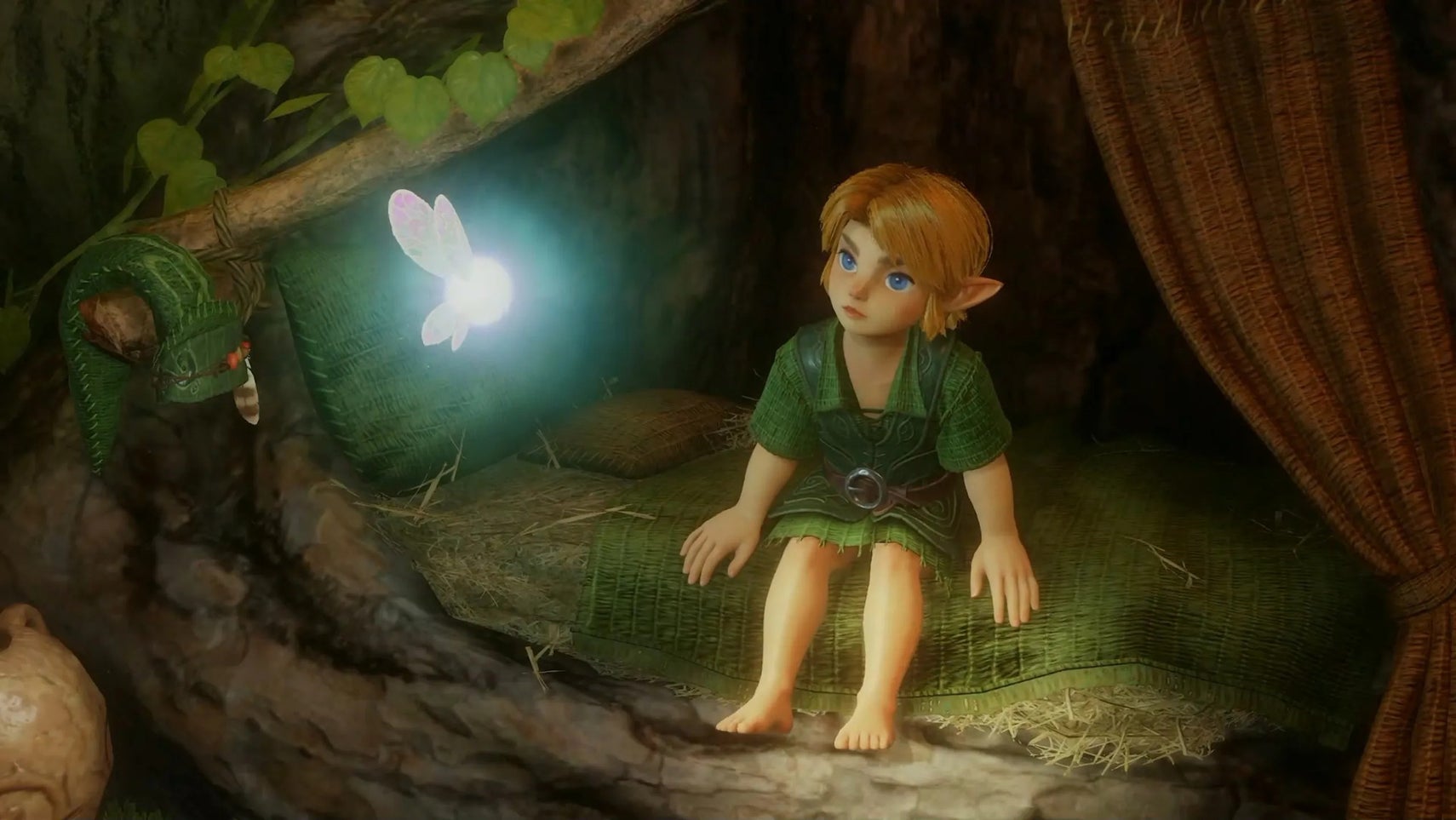
Nintendo has officially announced a comprehensive remake of The Legend of Zelda: Ocarina of Time, scheduled for release on November 5, 2026. The revelation served as the centerpiece of a dedicated Nintendo Direct broadcast celebrating the 40th anniversary of the Legend of Zelda franchise. Developed for the company’s next-generation hardware, the Nintendo Switch 2, the project represents a foundational reimagining of the 1998 Nintendo 64 classic, blending high-fidelity modern technology with the specific mechanical DNA that defined the original title. During the presentation, long-time series producer Eiji Aonuma provided an extensive gameplay demonstration, showcasing the title’s transition to a new engine while detailing several significant departures from the original’s control scheme and presentation style.
A Technical Reimagining on Next-Generation Hardware
The Ocarina of Time remake is being built from the ground up on a proprietary new engine designed to leverage the increased processing power of the Nintendo Switch 2. While the original game was limited by the hardware constraints of the late 1990s, the new version introduces real-time global illumination and a dynamic day-night cycle that persists across all environments, including interior locations and dungeons. This marks a significant technical shift; in the original 1998 release, time progression was often paused during town visits or while inside specific structures to preserve memory.
Despite the move toward modern hardware, Nintendo has made a deliberate creative choice to retain loading screens between major zones. Aonuma explained that this decision was made to preserve the specific pacing and "rhythmic feel" of the original Hyrule. By maintaining these transitions, the developers aim to evoke the same sense of scale and geographic distinction that players experienced decades ago, even as the assets themselves have been upgraded to 4K resolution with modern texture mapping and particle effects.
Mechanical Innovations and Traversal
Perhaps the most significant mechanical change revealed during the Direct is the introduction of a manual jump button. In the original Ocarina of Time and its 2011 3DS remake, Link utilized an "auto-jump" system where the character would leap from ledges automatically based on momentum. The 2026 remake grants players full control over Link’s verticality, a move that necessitates a complete retooling of the game’s platforming puzzles and environmental geometry.
In addition to manual jumping, Link’s traversal suite has been expanded to include a dedicated dash mechanic, allowing for faster navigation across the vast stretches of Hyrule Field. The swimming mechanics have also seen a total overhaul; players can now dive and maneuver underwater with a degree of fluidity more reminiscent of modern action-adventure titles. To streamline the experience, the user interface has been redesigned to allow for single-button item swapping. This addresses a long-standing critique of the original game’s "Water Temple," where players were frequently required to pause the game to equip or remove the Iron Boots. In the remake, these transitions are handled seamlessly through a quick-access menu.
Narrative Presentation and Voice Acting
In a departure from franchise tradition, Nintendo confirmed that the Ocarina of Time remake will feature fully voiced cutscenes. While the series has experimented with voice acting in Breath of the Wild and Tears of the Kingdom, this remake marks the first time that the iconic dialogue of characters like Princess Zelda, Ganondorf, and Sheik will be performed by a professional vocal cast in the context of the Ocarina of Time storyline. Link, however, is expected to remain a "silent protagonist," communicating through traditional grunts and physical expressions, a decision intended to maintain the player’s immersion as the central character.
The audio experience is further bolstered by a complete re-recording of the legendary Koji Kondo soundtrack. The presentation highlighted that while the melodies remain identical to the original compositions, they have been orchestrated to take advantage of high-fidelity spatial audio. Nintendo also announced that the remake’s theme and select tracks will be integrated into the recently launched Nintendo Music mobile platform, allowing fans to stream the updated arrangements.
Expanded World and New Features
While the remake remains a "largely faithful" recreation, the developers have expanded certain key areas of the map. Hyrule Castle Town, which was previously composed of static pre-rendered backgrounds in the 1964 version, is now a fully realized 3D environment. New districts and previously inaccessible alleyways have been added, providing more opportunities for NPC interaction and side-quest discovery.
Nintendo also showcased a unique integration of the Switch 2’s hardware features regarding the use of the Ocarina of Time instrument itself. In addition to traditional button inputs, players can opt to use the console’s microphone to hum, whistle, or sing the notes of the game’s various songs—such as "Epona’s Song" or the "Song of Storms." This optional feature is designed to enhance the diegetic connection between the player and the game world.
The Zelda Notes Ecosystem and Amiibo Support
To accompany the game’s launch, Nintendo is releasing the "Zelda Notes" companion app. This integrated software allows players to document their journey through high-resolution screenshots and a digital journal. The app includes a "mini-quest" system where players can earn points by discovering specific landmarks or hidden secrets, which can then be redeemed for Nintendo Switch Online rewards. The app also features a music creation suite based on the ocarina mechanics and a lore-based quiz for dedicated fans.
The 40th-anniversary celebration also includes the release of two new Amiibo figures specifically designed for the remake. These figures—representing Young Link and Adult Link in their new engine aesthetics—will unlock exclusive in-game masks. While the functional details of these masks were not fully disclosed, they are expected to mirror the mask-trading subquest mechanics found in the original game, potentially offering new cosmetic or gameplay-altering effects.
Historical Context and Franchise Impact
The original Legend of Zelda: Ocarina of Time is widely regarded as one of the most influential video games in history. Upon its release in November 1998, it set the standard for 3D action-adventure games, introducing innovations such as the Z-targeting system and context-sensitive buttons. It remains the highest-rated game of all time on review aggregator Metacritic, holding a score of 99/100.
The decision to remake the title for the 40th anniversary follows a pattern of Nintendo revitalizing its most successful intellectual properties for new hardware generations. Previous iterations include the 2011 remake for the Nintendo 3DS, which updated the graphics and added stereoscopic 3D support, and the game’s inclusion in various "Virtual Console" and "Nintendo Switch Online" libraries. However, the 2026 remake is the first time the game has undergone a full-scale architectural rebuild of this magnitude.
Market Analysis and Industry Reaction
Industry analysts suggest that the Ocarina of Time remake will be a critical "system seller" for the Nintendo Switch 2. By aligning the release with the 40th anniversary of the franchise, Nintendo is leveraging four decades of brand loyalty to drive hardware adoption. The inclusion of modern features like voice acting and manual jumping indicates a strategy to appeal to younger audiences who may find the original’s 1998 mechanics dated, while the "faithful" recreation and intentional loading screens serve as a nod to the nostalgia of the original player base.
Early reactions from the gaming community have been focused on the balance between preservation and modernization. The choice to maintain loading screens has sparked debate among technical enthusiasts, with some praising the commitment to the original’s atmosphere and others questioning the necessity of such transitions on high-speed solid-state drive (SSD) hardware. Nevertheless, the consensus among analysts is that the project represents Nintendo’s most ambitious remake to date, potentially setting a new benchmark for how legacy titles are handled in the modern era.
Chronology of Development and Release
- February 1986: The Legend of Zelda debuts on the Famicom Disk System in Japan.
- November 1998: The Legend of Zelda: Ocarina of Time launches on the Nintendo 64.
- June 2011: Ocarina of Time 3D is released for the Nintendo 3DS.
- September 2026: Nintendo holds the 40th Anniversary Direct, officially unveiling the remake.
- November 5, 2026: Scheduled global release date for the Ocarina of Time remake on Nintendo Switch 2.
As the November release date approaches, Nintendo is expected to provide further details regarding the voice cast, the specific functionality of the new amiibos, and whether any additional content—such as the "Master Quest" difficulty tier—will be included in the base package. For now, the Ocarina of Time remake stands as the definitive celebration of the franchise’s 40-year history, promising to bridge the gap between the revolutionary past of the Nintendo 64 and the high-performance future of the Nintendo Switch 2.