George Chandra Eka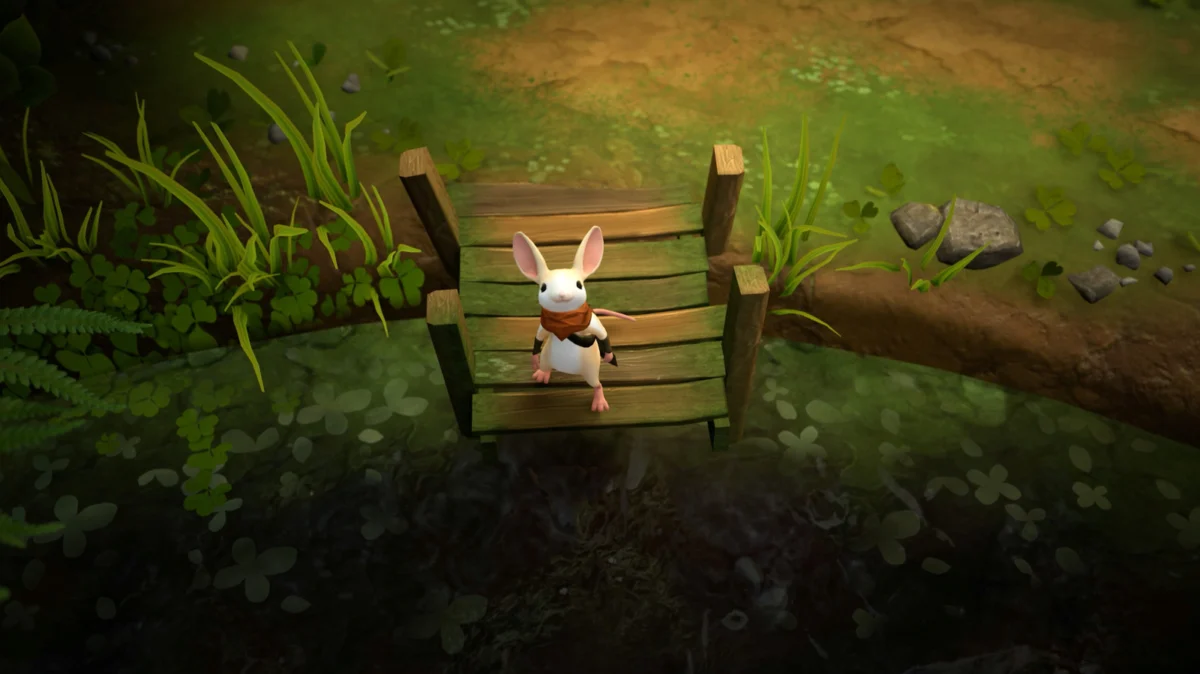
Polyarc, the acclaimed Seattle-based studio responsible for the beloved virtual reality titles Moss and Moss: Book II, has announced its closure, marking a significant and somber moment for the VR gaming community. The news, disseminated via a poignant post on the studio’s official LinkedIn page, confirms the cessation of active development and the winding down of operations after nearly twelve years in the industry. This closure has immediately impacted at least 29 staff members, who are now actively seeking new employment opportunities, as indicated by a "reverse recruiting sheet" shared alongside the announcement. The studio’s farewell message expressed gratitude for the journey and the privilege of bringing "surprise and delight" to players, acknowledging that their work is now complete.
The closure of Polyarc casts a spotlight on the inherent volatility and evolving challenges within the virtual reality development sector, even for studios that have achieved critical and commercial success within the niche market. Polyarc’s Moss series was widely celebrated for its innovative gameplay, compelling narrative, and the enchanting world it presented, earning a reputation as a cornerstone of premium VR experiences across multiple platforms.
The Genesis and Triumph of Polyarc: A VR Pioneer
Founded in 2015 by a team of industry veterans with extensive experience from companies like Bungie and Microsoft, Polyarc emerged with a clear vision: to create immersive, character-driven experiences specifically tailored for the nascent virtual reality medium. At a time when VR was still largely experimental and dominated by tech demos, Polyarc aimed to deliver fully-fledged, narrative-rich games that could captivate audiences beyond the initial novelty of the technology.
Their flagship title, Moss, launched in February 2018 for the original PlayStation VR (PSVR), quickly establishing itself as a benchmark for VR game design. Players were introduced to Quill, an intrepid mouse protagonist, in a unique third-person action-adventure platformer that ingeniously integrated the player as a benevolent spirit, or "Reader," within the game world. This innovative camera system allowed players to physically peer around diorama-like environments, manipulating parts of the world to aid Quill, fostering an unparalleled sense of connection and presence. The game’s whimsical art style, enchanting soundtrack, and heartwarming story resonated deeply with critics and players alike, earning numerous accolades and solidifying Polyarc’s reputation as a leading VR developer. Moss was not merely a good VR game; it was hailed as a compelling argument for the artistic and interactive potential of the medium itself.
Following its initial success on PSVR, Moss was strategically ported to other burgeoning VR platforms, including the Oculus Quest (now Meta Quest) as a launch title. This multi-platform approach was crucial in expanding its reach and establishing it as a "must-play" title for new VR headset owners, significantly contributing to its commercial viability within the still-growing VR market.
Expanding the Narrative: Moss: Book II and Beyond
The critical acclaim and commercial success of Moss paved the way for a highly anticipated sequel. Moss: Book II, released in March 2022, built upon the foundation of its predecessor, offering a richer narrative, expanded combat mechanics, and more intricate puzzles. It continued Quill’s journey with the same charm and innovative VR interaction that defined the first game, further cementing the series’ status as a hallmark of quality in VR gaming. Like its predecessor, Moss: Book II embraced a multi-platform release strategy, launching on PSVR, followed by releases on Meta Quest, SteamVR, and Pico headsets, ensuring broad accessibility across the fragmented VR ecosystem.
Polyarc’s commitment to innovation and adapting to new hardware was further demonstrated by their foray into the Apple Vision Pro market with Glassbreakers. This multiplayer strategy title represented a departure from the single-player narrative focus of the Moss series, showcasing the studio’s willingness to explore diverse genres and utilize cutting-edge technology. The development and release of Glassbreakers on a brand-new, high-profile platform like the Apple Vision Pro highlighted Polyarc’s technical prowess and their ambition to remain at the forefront of spatial computing entertainment.
The Unseen Battle: Venturing Beyond VR with Moss: The Forgotten Relic
In a strategic move to potentially broaden their audience and diversify revenue streams, Polyarc made a notable pivot in May 2024 with the release of Moss: The Forgotten Relic. This ambitious project aimed to reimagine the beloved Moss series for traditional, non-VR gaming consoles, collecting both Moss and Moss: Book II into a single package and adapting the unique VR gameplay for a standard screen. The decision to release a non-VR version was indicative of a broader industry trend where VR developers, facing the inherent limitations of a niche market, explore avenues to reach a wider player base. It sought to leverage the established brand recognition of Moss and introduce Quill’s enchanting world to millions of players who had not yet adopted VR technology.
While the critical reception for Moss: The Forgotten Relic was generally positive, maintaining much of the charm and quality of the VR originals, its commercial performance remains undisclosed. It is now evident, in hindsight, that this strategic expansion was ultimately insufficient to counteract the accumulating financial pressures and market headwinds that Polyarc was experiencing. The attempt to bridge the gap between VR and traditional gaming underscores the significant challenge many VR-centric studios face in achieving sustainable growth solely within the virtual reality market.
A Shifting Landscape: Economic Headwinds and Meta’s Pivot
Polyarc’s closure is not an isolated incident but rather a stark indicator of the broader challenges confronting the VR gaming industry. The ecosystem, while showing consistent technological advancements and increasing adoption rates, has yet to achieve the mainstream penetration and consistent revenue generation seen in traditional gaming markets. This has led to a challenging investment climate for premium VR content, which often requires substantial development budgets but caters to a comparatively smaller audience.

A significant factor contributing to the current instability is the strategic reorientation by major industry players. Meta, a dominant force in the VR hardware market with its Quest line of headsets, began a notable "pivot away from the metaverse" towards artificial intelligence (AI) products at the start of 2024. This strategic shift has had profound repercussions across the VR development landscape. Meta not only initiated significant layoffs within its own VR divisions but also closed several of its internal VR studios, including Ready at Dawn (creators of Lone Echo and Echo VR), and restructured others.
This macro-level shift by a key platform holder sends a clear signal to investors and independent developers: the appetite for funding new, ambitious VR projects, particularly those focused purely on the "metaverse" concept, has diminished. For independent studios like Polyarc, securing new investment or publisher deals for VR-exclusive titles likely became exceedingly difficult in this altered climate. Even studios with proven track records and critically acclaimed IP found themselves struggling to justify the high costs of VR development against projected returns in an increasingly cautious market.
The cost of developing high-fidelity VR experiences is substantial, often comparable to or exceeding that of traditional console games, due to specialized hardware requirements, optimization complexities, and the need for innovative interaction design. However, the addressable market for premium VR titles remains smaller than that for traditional games. This creates a challenging economic equation, where even a critically successful VR game might not generate enough revenue to sustain a large development team through multiple projects.
The Immediate Aftermath and Human Cost
The announcement of Polyarc’s closure arrived with the immediate and unfortunate consequence of job losses. The "reverse recruiting sheet" shared alongside the LinkedIn post serves as a tangible representation of the human impact, listing at least 29 former staff members across various disciplines – including design, engineering, art, production, and QA – who are now seeking new opportunities. This transparent approach, while heartbreaking, highlights the solidarity within the industry and the collective effort to support affected individuals. It underscores the fragility of careers in specialized gaming sectors when market conditions turn unfavorable.
The studio’s final message on LinkedIn conveyed a sense of pride and camaraderie, reflecting on nearly 12 years of "joyous rollercoaster of emotions" and expressing gratitude to both their team and their players. This tone of dignified resignation, rather than bitterness, speaks volumes about the passion and dedication that characterized Polyarc’s culture.
Broader Implications for the VR Industry and Narrative Gaming
The closure of Polyarc is more than just the end of one studio; it serves as a potent case study and a cautionary tale for the broader VR development community. It raises critical questions about the long-term sustainability of independent studios focusing on premium, narrative-driven VR experiences.
- Investment Climate: The event is likely to further chill the investment climate for VR-exclusive content, especially for projects without strong ties to major platform holders or established IP. Investors may become even more risk-averse, favoring projects with clear paths to monetization, broader cross-platform appeal (including non-VR versions from the outset), or those aligned with evolving platform strategies (e.g., Apple’s mixed reality focus).
- The Fate of Narrative VR: Polyarc excelled at crafting intimate, story-driven experiences that utilized VR’s unique strengths for immersion and presence. Their closure could signal a challenging future for other studios attempting similar ambitious, narrative-focused VR titles, particularly if market pressures push development towards more casual, multiplayer, or utility-focused applications.
- Platform Dependence: The reliance on specific VR platforms and their strategic shifts (e.g., Meta’s pivot) highlights the vulnerability of developers. While multi-platform releases help mitigate this, significant changes by a dominant player can still have ripple effects across the entire ecosystem.
- Talent Mobility: The availability of experienced VR developers, now seeking new roles, presents both a challenge and an opportunity. While it’s a loss for the studios, this talent pool could invigorate other projects or even new ventures, provided funding is available.
- The Quest for Mainstream: The fact that even a beloved and critically successful IP like Moss could not guarantee Polyarc’s longevity reinforces the ongoing struggle for VR to achieve mainstream adoption and consistent profitability. The industry continues to grapple with hardware costs, accessibility, and the "killer app" dilemma.
Despite these challenges, the legacy of Polyarc and the Moss series remains indelible. The studio’s commitment to quality, innovation, and storytelling set a high bar for VR game development. Their games demonstrated the profound emotional connection possible within virtual worlds and inspired a generation of VR enthusiasts and developers.
An Enduring Legacy and Continued Accessibility
Even with the studio’s closure, Polyarc’s catalog of games remains available for purchase and play across various platforms. Moss and Moss: Book II continue to be regarded as essential titles for anyone with a VR headset, offering timeless adventures that exemplify the best of what the medium has to offer. Glassbreakers on the Apple Vision Pro also remains accessible for early adopters of Apple’s spatial computing device.
The ongoing availability of these titles ensures that Polyarc’s creative contributions will continue to be experienced and appreciated by new players for years to come. Their games serve as a testament to the talent and dedication of the team, and a reminder of the power of immersive storytelling in virtual reality. For those who have yet to embark on Quill’s journey, the opportunity to do so remains, offering a glimpse into the innovative spirit that defined Polyarc.
In conclusion, Polyarc’s closure is a poignant reminder of the economic realities and inherent challenges within the cutting-edge but still-maturing virtual reality industry. It underscores the critical need for sustainable business models, diversified revenue streams, and a supportive ecosystem for independent developers striving to push the boundaries of immersive entertainment. While the studio itself may be gone, the enchanting worlds and unforgettable experiences they created will undoubtedly endure as a cherished part of VR gaming history.