Vera Intan Clara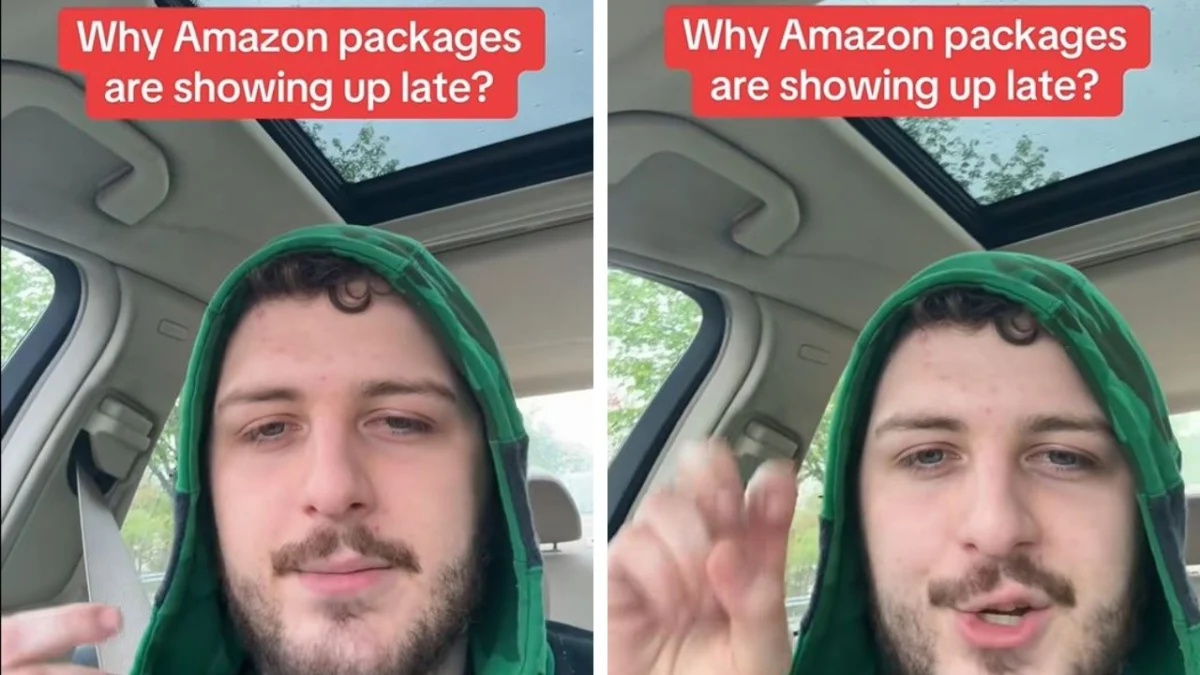
In a development that captured significant attention in May 2026, a former Amazon warehouse worker, known by his TikTok handle @foxwithavengeance, publicly alleged that he continued to be scheduled for shifts for more than two weeks after he had formally quit his position. The video, which detailed his experience and critique of Amazon’s operational and human resources systems, rapidly gained traction, amassing over 46,000 views and 635 comments shortly after its publication. This incident has reignited discussions surrounding Amazon’s high employee turnover rates, the efficacy of its digital HR platforms, and the broader implications for both its vast workforce and its global customer base.
The former associate’s claims offer a vivid, if unverified, glimpse into the intricate and often impersonal mechanisms governing employment at one of the world’s largest e-commerce giants. His account paints a picture of a system that, despite its technological sophistication, may struggle to adapt to the realities of a dynamic workforce, particularly in the critical area of employee departures.
The Allegation Unfolds: A Mid-Shift Departure and Lingering Schedules
According to the TikToker’s narrative, his departure from Amazon was unequivocal. He recounted a mid-shift resignation where he "literally handed them my badge, said I hate this place, I’m never coming back," before walking out. This direct, albeit informal, declaration of his intent to leave seemed, in his view, unambiguous. Yet, in the ensuing weeks, his name allegedly continued to appear on the scheduling system, indicating an active employment status despite his physical absence and verbal resignation. This discrepancy forms the crux of his grievance, suggesting a disconnect between on-the-ground events and the digital records that dictate operational planning.
The TikToker further elaborated on the perceived operational consequences of this alleged oversight. He argued that Amazon warehouses operate under strict caps on nightly overstaffing, a policy likely designed to optimize efficiency and control labor costs. Within this framework, he claimed that his individual absence resulted in an estimated reduction of approximately 500 packages processed each night. This figure, while not independently verifiable, serves to highlight the perceived impact of even a single worker’s absence within Amazon’s high-volume logistics network. He attributed this processing deficit to management’s alleged choice not to immediately fill his vacated slot, a practice he believed was likely replicated for other recent departures, leading to cumulative operational strain.
Echoes from the Workforce: Shared Experiences and Systemic Glitches
The TikToker’s video resonated deeply with viewers, drawing a flood of comments from individuals who shared their own experiences with Amazon’s employment and resignation systems. These anecdotes collectively suggest that the issue of employees remaining "active" in the system post-resignation might not be an isolated incident but rather a recurring challenge within Amazon’s vast HR infrastructure.
One commenter vividly illustrated the tangible impact of potential staffing or logistical issues, questioning why their package had traveled "7 hours in the wrong direction when the starting location was 2 hours from my house." This frustration underscores how perceived internal inefficiencies can directly translate into a diminished customer experience, affecting trust and satisfaction.
Perhaps more strikingly, another commenter described a bureaucratic entanglement stretching back years. They claimed to have quit Amazon in 2017 but remained listed as an active employee for an astonishing nine years, with a system counter reflecting continuous employment. "Nobody had explained why," they wrote, highlighting a profound lack of clarity and potential for systemic inertia in updating employee records, particularly for those who may have departed without adhering to every formal digital protocol. These collective testimonies, while anecdotal, paint a picture of a system that, for some, struggles with the fundamental administrative task of accurately tracking employee status.
Behind the Screens: Amazon’s A to Z App and Resignation Protocols
A key element in understanding these alleged discrepancies lies in Amazon’s official employee platform: the A to Z app. According to career site CLIMB, the A to Z app serves as the primary digital gateway for hourly associates to manage various aspects of their employment, including submitting a formal resignation. The app is designed to streamline HR processes, allowing associates to log in, select a resignation option, and complete the process without requiring direct interaction with a manager. This digital-first approach offers convenience and privacy but also places the onus squarely on the departing employee to navigate and complete the formal process through the app.
Indeed, a commenter on @foxwithavengeance’s video offered an explanation for the continued scheduling, stating, "So the reason for that is because genuinely your suppose to use the AtoZ app [sic]." This perspective emphasizes the company’s presumed reliance on the app as the definitive channel for official resignations, implying that departures not formalized through this digital portal might not be immediately recognized or processed by the automated scheduling systems. Whether Amazon maintains an official policy of continuing to schedule employees who have physically departed but not formally resigned via the app remains unclear, as this specific aspect was not addressed in the original TikTok video.
The Scale of Operations: Staffing and Logistics at Amazon
To contextualize these claims, it is essential to consider the immense scale of Amazon’s operations. As of early 2026, Amazon’s global workforce reportedly exceeded 1.5 million employees, with a significant portion dedicated to its vast network of fulfillment and sortation centers worldwide. The company operates hundreds of these facilities, each a beehive of activity processing millions of packages daily to meet the ever-increasing demands of e-commerce.
The logistics involved in scheduling and managing such a massive, dynamic workforce are inherently complex. Amazon utilizes sophisticated algorithms and data analytics to optimize staffing levels, aiming to match labor supply precisely with predicted demand for package processing, sorting, and loading. This precision is crucial for maintaining the efficiency that underpins its competitive advantage, particularly the rapid delivery times promised by its Prime membership service. The "cap on nightly overstaffing" mentioned by the TikToker is likely a manifestation of this data-driven approach, designed to minimize idle time and maximize productivity, thereby directly impacting operating costs.
The Turnover Conundrum: A Broader Industry Challenge
Amazon’s workforce management strategies have long been a subject of scrutiny, particularly concerning its employee turnover rates. Numerous reports and studies over the past decade have highlighted what many describe as exceptionally high attrition within Amazon’s hourly workforce. Industry analysts and labor advocates have frequently cited annual turnover rates for Amazon warehouse workers that can exceed 100%, sometimes reaching as high as 150% in some facilities. This figure implies that, on average, a significant portion, if not all, of a facility’s workforce may turn over within a single year.
Factors contributing to this high turnover are often cited as the demanding physical nature of the work, strict productivity quotas, limited opportunities for advancement, and a perception of inadequate work-life balance. While Amazon has publicly stated its commitment to improving employee experience and has invested in various initiatives, managing such a high volume of entries and exits presents an ongoing operational challenge. High turnover places immense pressure on HR systems, recruitment, and training departments, potentially leading to the very kind of scheduling and record-keeping discrepancies alleged by @foxwithavengeance. When employees depart en masse, ensuring every record is updated promptly and accurately becomes a gargantuan task, even with advanced digital tools.
Operational Implications: From Warehouse Floor to Customer Doorstep
The alleged phenomenon of unfilled slots due to unacknowledged departures carries significant operational implications. If the TikToker’s estimate of 500 fewer packages processed per night due to his absence is indicative of a broader trend, the cumulative effect across multiple facilities and numerous unreplaced workers could be substantial. Such understaffing can lead to:
- Increased Workload and Burnout: Remaining employees may be forced to pick up the slack, leading to increased pressure, longer hours, and a higher risk of burnout or injury, potentially exacerbating the cycle of turnover.
- Processing Bottlenecks: Fewer hands on deck directly translate to slower processing times within the warehouse, creating bottlenecks that ripple through the entire supply chain.
- Delivery Delays: Ultimately, these internal delays can manifest as later delivery times for customers, directly impacting the core promise of Amazon’s e-commerce model.
- Misrouted Packages: As evidenced by the commenter whose package went "7 hours in the wrong direction," an overburdened or understaffed system can be more prone to errors in sorting and routing, further compounding customer frustration.
Amazon’s Business Model and Customer Expectations
The TikToker’s critique extends beyond internal HR issues to Amazon’s core business philosophy. He claimed that Prime members would "keep paying regardless of delays," which, in his view, left the company with "little financial pressure to fix short staffing." This assertion touches upon a critical aspect of Amazon’s market dominance: its formidable customer loyalty, particularly among Prime subscribers.
Prime membership, which offers benefits like expedited shipping, streaming services, and exclusive deals, creates a sticky ecosystem that incentivizes continued engagement. Customers, having paid an annual fee, often prioritize the convenience and speed promised by Prime. While occasional delays might be tolerated, a persistent pattern of late deliveries could, over time, erode this loyalty and potentially lead to a reevaluation of membership value. However, the sheer breadth of Prime’s offerings and the competitive landscape of e-commerce mean that many customers might perceive the benefits as outweighing intermittent service issues, thus dampening the immediate financial pressure on Amazon to address staffing concerns through methods like higher wages or improved working conditions. The TikToker’s argument suggests that, from Amazon’s perspective, the cost of customer inconvenience is currently lower than the cost of significantly altering its labor model.
The Call to Action: Consumer Influence and Market Dynamics
In response to his perceived systemic issues, the TikToker offered a direct call to action for frustrated shoppers: "return to buying from physical stores." He concluded his video by stating that the amount someone pays for a membership "doesn’t matter if the company keeps failing to replace workers who leave." This plea attempts to shift the burden of influence from internal labor advocacy to consumer purchasing power.
The effectiveness of such a consumer boycott or shift in purchasing habits is debatable. While individual choices can collectively exert pressure, the convenience and competitive pricing offered by Amazon remain powerful attractants for millions of consumers. Moreover, the infrastructure of physical retail has undergone significant changes, and many former brick-and-mortar strongholds have either adapted to e-commerce or ceased operations. Nevertheless, the TikToker’s message highlights a growing sentiment among some consumers who are increasingly mindful of the ethical and social implications of their purchasing decisions.
Expert Perspectives and Broader Context
Labor economists and supply chain experts frequently discuss the delicate balance between operational efficiency and employee welfare in large-scale logistics operations. Experts often point out that while highly optimized, lean staffing models can drive down costs, they also introduce vulnerabilities. Unexpected absenteeism, high turnover, or systemic HR glitches can quickly lead to cascading failures, impacting productivity and service quality. The claims made by @foxwithavengeance align with broader critiques that Amazon’s relentless pursuit of efficiency sometimes comes at the expense of robust HR support and employee retention.
From a technological standpoint, the reliance on self-service digital platforms like the A to Z app, while innovative, also presents challenges. While empowering employees to manage their own HR needs, it assumes universal digital literacy and adherence to specific protocols. For those who might simply walk off a job or lack the means or knowledge to navigate a formal app-based resignation, the system may inadvertently create a bureaucratic limbo, as illustrated by the commenter who remained "active" for nine years.
Company Response and Looking Ahead
While Amazon has not issued a direct statement regarding this specific TikTok video or the claims made by @foxwithavengeance, the company’s public stance consistently emphasizes its commitment to its employees and its customers. Amazon typically highlights its competitive wages, comprehensive benefits, and career advancement opportunities. Regarding HR processes, Amazon would likely reiterate the importance of utilizing official channels, such as the A to Z app, for formal employment actions like resignation to ensure accurate record-keeping and smooth transitions.
The incident involving @foxwithavengeance serves as a poignant reminder of the ongoing dialogue surrounding labor practices in the e-commerce sector. As technology continues to reshape the nature of work, the challenge for companies like Amazon lies in balancing unprecedented scale and technological sophistication with the fundamental human element of its workforce. The experiences shared on platforms like TikTok are increasingly shaping public perception and contributing to broader discussions among consumers, policymakers, and labor organizations about worker rights, corporate accountability, and the future of labor in the digital age. The resolution of such alleged systemic issues will be crucial not only for Amazon’s operational integrity but also for its long-term reputation as both an employer and a service provider in an increasingly transparent world.