admin
admin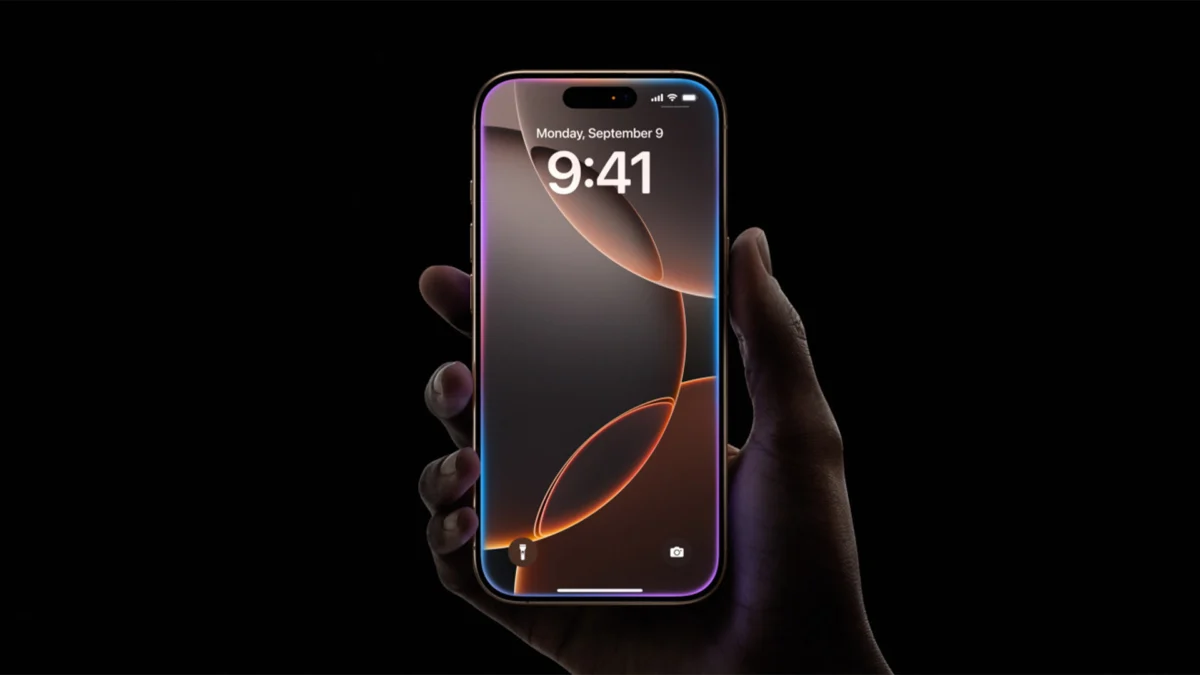
Apple Inc. is reportedly engaging in aggressive price negotiations with its primary display suppliers, Samsung Display and LG Display, seeking a significant 20 percent reduction in the cost of OLED panels for the upcoming iPhone 18 Pro Max. According to industry reports from Seoul-based publication The Elec, the Cupertino-based technology giant has set a target price of approximately $70 for the high-end M16 OLED panels. Internal projections suggest that through volume commitments and manufacturing efficiencies, the final cost could potentially drop as low as $66.50 per unit. This strategic move comes as Apple faces unprecedented cost pressures across its entire hardware supply chain, driven by a phenomenon industry analysts have dubbed "chipflation"—the rising cost of semiconductors, memory, and advanced fabrication processes.
The Economic Drivers Behind Supply Chain Pressure
The decision to squeeze margins from long-term partners Samsung and LG is not an isolated tactical move but a necessary component of Apple’s broader strategy to maintain its industry-leading gross margins. For several years, the display has been one of the most expensive individual components in the iPhone’s Bill of Materials (BoM). However, the landscape of component costs is shifting toward the internal processing units and memory architecture.
With the iPhone 18 series, Apple is expected to transition to the A20 Pro chipset, which will be the company’s first processor manufactured using TSMC’s cutting-edge 2nm (nanometer) process. Preliminary estimates suggest the cost of a single A20 Pro wafer and the subsequent die yield could push the per-unit cost of the SoC (System on Chip) to roughly $280. This represents an 80 percent increase over the current generation of silicon. When combined with the soaring prices of DRAM (Dynamic Random Access Memory) and NAND flash storage—driven by global demand for AI-capable hardware—Apple is looking at a potential $300 increase in the total BoM for the iPhone 18 Pro Max compared to its predecessors.
A Chronology of iPhone Display Costs
To understand the magnitude of the requested 20 percent discount, it is essential to look at the historical pricing trajectory of Apple’s flagship displays. For the iPhone 16 Pro Max, the high-performance OLED panels were estimated to cost Apple upwards of $100 per unit. This was due to the introduction of thinner bezels and improved brightness levels which required higher manufacturing precision.
By the iPhone 17 Pro Max cycle, Apple managed to bring the average cost down to approximately $80 through yield improvements and the maturation of the supply line. The current proposal for the iPhone 18 Pro Max to reach a $66.50 to $70 range signifies a record low for a "Pro Max" tier display, especially considering the technological advancement of the material set involved.
- iPhone 16 Pro Max: >$100 (Peak cost for high-brightness LTPO panels)
- iPhone 17 Pro Max: ~$80 (Stabilized production and diversified sourcing)
- iPhone 18 Pro Max (Target): $66.50 – $70 (Aggressive negotiation to offset 2nm chip costs)
Technical Specifications of the M16 OLED Material Set
The displays in question are not older technology being sold at a discount; rather, they are the latest M16 OLED panels developed by Samsung Display. These panels utilize a sophisticated "material set"—the specific combination of organic layers that produce light and color. The M16 generation is engineered to provide several key advantages over the previous M14 and M15 sets:
- Luminous Efficiency: The M16 set requires less power to achieve higher nit levels (brightness), which is critical for maintaining battery life as the A20 Pro chip consumes more energy during intensive AI tasks.
- Extended Lifespan: Improvements in the blue fluorescent material and the overall stack stability help mitigate "burn-in" and color shifting over the life of the device.
- Color Accuracy: The M16 set offers a wider color gamut and better saturation characteristics, essential for Apple’s ProMotion and "Pro" branding.
Despite the technical superiority of the M16 panels, Apple’s leverage remains its massive order volume. Samsung and LG are reportedly considering the discount because the iPhone 18 Pro Max is expected to be the highest-selling individual model in the lineup. The sheer scale of production allows the suppliers to amortize their research and development costs across tens of millions of units, maintaining profitability even at a lower per-unit price point.
The Burden of 2nm Fabrication and Memory Volatility
The primary catalyst for Apple’s austerity measures in the display department is the astronomical cost of 2nm semiconductor fabrication. As TSMC moves toward its N2 node, the complexity of lithography increases. The use of High-NA (High Numerical Aperture) Extreme Ultraviolet (EUV) machines, which cost upwards of $350 million each, has forced foundries to pass those costs onto their primary customers.

Simultaneously, the memory market is experiencing a significant "DRAM crisis." The rise of generative AI and high-performance computing has diverted much of the global production capacity of Samsung, SK Hynix, and Micron toward HBM (High Bandwidth Memory). This has created a supply vacuum for mobile-grade LPDDR5X and LPDDR6 RAM, causing prices to spike. For an iPhone 18 Pro Max with 1TB of storage, the NAND flash component alone is estimated to exceed $250 per unit.
By reducing the display cost from $80 to $66, Apple saves roughly $14 per device. While this seems small relative to a $300 BoM increase, when multiplied by an estimated 50 million Pro Max units, it represents a $700 million saving that can be reinvested into subsidizing the transition to 2nm silicon.
Strategic Implications for the Supply Chain
Apple’s aggressive negotiation tactics have broader implications for the global electronics supply chain. Historically, when Apple demands a price cut, it forces suppliers to innovate in manufacturing processes to maintain their own margins. For Samsung and LG, this may involve increasing the automation of their OLED "back-end" processes or finding more cost-effective ways to source the rare earth materials required for organic light-emitting diodes.
However, this pressure also highlights the vulnerability of the "premium" supplier tier. If Samsung and LG cannot meet Apple’s price targets, Apple has shown a willingness to pivot toward secondary suppliers like BOE (Beijing Oriental Electronics). While BOE has struggled with yield rates for the "Pro" series LTPO (Low-Temperature Polycrystalline Oxide) panels in the past, Apple’s continued investment in the Chinese manufacturer serves as a constant threat to the South Korean duopoly, providing Apple with additional bargaining power.
Industry Reactions and Market Outlook
While neither Apple, Samsung, nor LG has issued official statements regarding these private contract negotiations, industry analysts suggest that the suppliers have little choice but to comply. "Apple is the only customer in the world that can guarantee a volume of 80 to 90 million high-end OLED panels a year for a single product family," noted one senior analyst tracking the display market. "For Samsung Display, losing the iPhone contract or seeing a reduction in their share of the Pro Max orders would be catastrophic for their quarterly earnings."
Market observers also point out that this cost-saving measure might be the only way Apple can avoid a significant retail price hike for the iPhone 18 Pro Max. If the BoM increases by $300 and Apple does not find savings elsewhere, the starting price of the flagship could theoretically jump from $1,199 to $1,499 to maintain current profit margins—a move that could dampen consumer demand in an already saturated smartphone market.
Conclusion and Future Outlook
The negotiation for a $70 M16 OLED panel represents a critical juncture in Apple’s hardware roadmap. As the company prepares for the most expensive internal upgrade in the iPhone’s history with the move to 2nm architecture, the display—once the crowning jewel of the device’s cost structure—has become a tool for financial mitigation.
The success of the iPhone 18 Pro Max will likely depend on Apple’s ability to balance these soaring component costs against the consumer’s willingness to pay. By securing a 20 percent discount on displays today, Apple is effectively banking on its supply chain mastery to fund the technological breakthroughs of tomorrow. As production schedules for the iPhone 18 series begin to solidify in the coming quarters, the industry will be watching closely to see if Samsung and LG can meet these stringent price targets without compromising the quality that has come to define the iPhone’s visual experience.