Garick Elordi
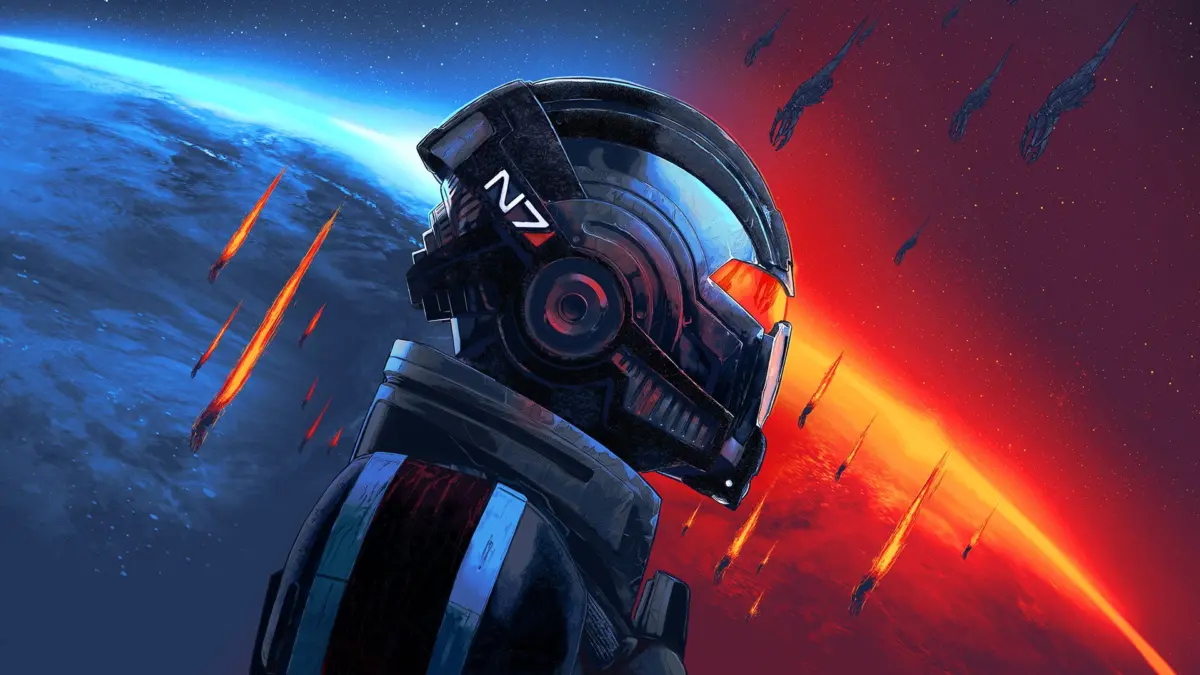
A digital petition calling for the preservation and continued development of the Mass Effect franchise has surpassed 187,000 signatures, signaling a massive groundswell of support from the global gaming community following the sudden closure of BioWare by Electronic Arts. The petition, launched by fan Joe Smith on the platform Change.org, emerged in the wake of a tumultuous week for the video game industry, which saw the shuttering of one of its most storied development houses and the reported cancellation of the next entry in the sci-fi saga, tentatively titled Mass Effect Universe. While the petition does not explicitly demand the reversal of BioWare’s closure, it presents a firm ultimatum to Electronic Arts: either commit to the high-standard development of the intellectual property through adequate funding and staffing or license the Mass Effect brand to an external studio capable of maintaining its narrative legacy.
The movement gained rapid momentum after Electronic Arts (EA) confirmed a series of sweeping layoffs and studio closures that effectively ended BioWare’s decades-long tenure as a titan of the role-playing game (RPG) genre. These cuts, which analysts had anticipated following a reported $55 billion leveraged buyout of EA involving Saudi Arabian investment interests, have sent shockwaves through the industry. The petition serves as a formal expression of grief and advocacy for a franchise that has, according to its creators, transcended the boundaries of typical entertainment to become a cornerstone of modern interactive storytelling.
The Catalyst: BioWare’s Closure and the Mass Effect Universe Leak
The immediate trigger for the fan outcry was the announcement earlier this week that BioWare, the developer responsible for the original Mass Effect trilogy, Dragon Age, and Star Wars: Knights of the Old Republic, would be closed. This decision by EA followed months of internal restructuring and financial pressure. The closure was made more poignant by the subsequent leak of an internal trailer for a project known as Mass Effect Universe. Although initially dismissed by some as a fabrication, BioWare officials later confirmed the trailer’s authenticity, admitting it represented a project that has now been permanently shelved.
Details regarding the cancelled game emerged further through a prominent content creator known as Dantics, who claimed to have served on the "Mass Effect Community Council." According to Dantics, the council had been granted early access to development builds and concept art, providing feedback to the developers to ensure the new title met the expectations of long-term fans. The revelation that a functional, feedback-driven project was in the works before being abruptly terminated has fueled the intensity of the petition. Fans argue that the progress made on Mass Effect Universe represents a significant investment of creative labor that should not be discarded due to corporate realignment.
Chronology of a Crisis: From Legendary Success to Studio Dissolution
To understand the current state of the franchise, one must look at the timeline of the last several years, which saw both a resurgence in popularity and a decline in institutional stability.
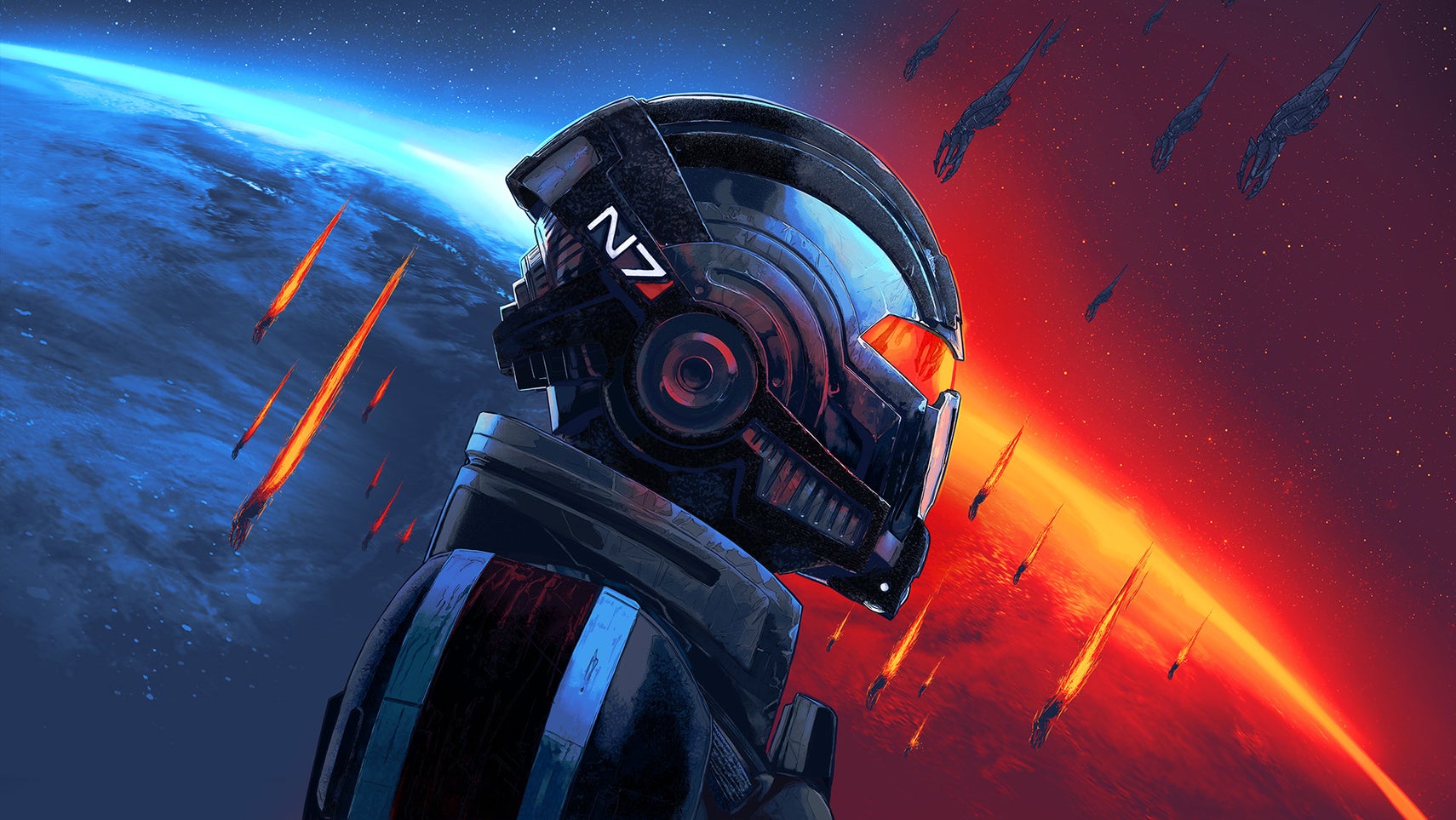
- May 2021: EA and BioWare release the Mass Effect Legendary Edition. The remastered trilogy is a massive commercial and critical success, proving that there is still a significant global market for the adventures of Commander Shepard and the Milky Way galaxy.
- November 2021 – 2023: On "N7 Day" (an annual fan celebration), BioWare teases the next chapter of Mass Effect with cryptic posters and short audio clips, suggesting a return to the series’ roots.
- Early 2024: Reports surface regarding a $55 billion leveraged buyout involving Saudi Arabian private equity. Financial experts begin warning of "streamlining" measures and potential studio closures to service debt or maximize profit margins.
- Mid-2024: EA announces a series of job cuts across its portfolio, affecting Respawn Entertainment, Maxis, Full Circle, and EA Motive.
- This Week: EA officially announces the closure of BioWare. The "Mass Effect Universe" trailer leaks online, and the subsequent petition to save the IP is launched.
The speed at which the studio moved from the high of the Legendary Edition to total dissolution has left many industry observers questioning EA’s long-term strategy regarding narrative-driven, single-player experiences.
Financial Context and the Impact of Global Investment
The backdrop of this crisis is heavily influenced by the shifting landscape of global finance in the gaming sector. The mention of a $55 billion leveraged buyout involving Saudi Arabian interests highlights a period of intense consolidation within the industry. Such large-scale acquisitions often necessitate aggressive cost-cutting measures to satisfy investors and balance sheets.
In the case of EA, the "ripple effect" of these financial decisions has been felt across multiple high-profile studios. Respawn Entertainment, the developer behind Apex Legends and the Star Wars Jedi series, reportedly saw the cancellation of a highly anticipated first-person shooter set in the Star Wars universe. Maxis, the stewards of The Sims, and EA Motive, which recently found success with the Dead Space remake, have also faced significant headcount reductions. However, the total closure of BioWare represents the most drastic step taken by EA to date, as it involves the complete elimination of a brand that was once synonymous with the RPG genre.
Fan Demands and the Licensing Alternative
The Change.org petition articulates a dual-pathway for EA to rectify the situation. The first option is a renewed internal commitment. The petition states that the Mass Effect franchise requires "proper funding, adequate staffing, and time allocation" to maintain the "high standards" for which it is known. This reflects a common criticism of EA’s management of BioWare in recent years, where projects like Mass Effect: Andromeda and Anthem were seen as suffering from rushed development cycles and a lack of clear creative direction.
The second, and perhaps more pragmatic, option proposed by the fans is the licensing of the Mass Effect IP to a third-party studio. This is not without precedent in the industry. Sony’s Spider-Man games are developed by Insomniac (prior to their acquisition), and various Star Wars titles have been handled by a rotating cast of studios. By licensing Mass Effect to a developer with a proven track record in narrative RPGs—such as Larian Studios or Obsidian Entertainment—EA could retain ownership of the lucrative IP while allowing a more focused team to handle the creative execution.
The petition emphasizes that fans have "invested thousands of hours" into the series, forming "deep connections" with its characters. For these players, Mass Effect is not just a product, but a "community that advocates for choice, individuality, and shared adventure."

Industry Reactions and the Future of Narrative RPGs
The closure of BioWare has elicited a wave of sympathy and concern from developers across the world. Many industry veterans have taken to social media to express their dismay, noting that BioWare’s design philosophy influenced an entire generation of game designers. The loss of such a studio is seen by many as a blow to the "diversity of narrative-driven games as a whole."
From an analytical perspective, the cancellation of Mass Effect Universe and the closure of BioWare suggest a potential pivot by EA away from high-budget, single-player RPGs in favor of "live service" models that offer recurring revenue. However, the success of titles like Baldur’s Gate 3 has recently proven that there is a massive, untapped demand for deep, choice-based narrative experiences. The 187,000 signatures on the "Save Mass Effect" petition serve as empirical data for EA’s stakeholders, demonstrating that the audience for Mass Effect is not only present but highly engaged and organized.
Conclusion: A Franchise at a Crossroads
As the petition continues to garner thousands of signatures every hour, the ball remains in Electronic Arts’ court. The company currently faces a choice between letting one of the most prestigious brands in gaming history lie dormant or finding a new way to bring the Mass Effect universe to life. For the fans who have spent over a decade following the exploits of the Normandy’s crew, the cessation of development is considered a "devastating prospect."
The petition’s success has ensured that the fate of Mass Effect is no longer a quiet corporate matter but a public conversation about the value of artistic legacy versus quarterly earnings. Whether through a new internal team or an external licensing agreement, the 187,000 signatories are demanding that the stars do not go dark on the Mass Effect universe just yet. With the industry watching closely, EA’s next move will likely define its reputation among core gamers for years to come.