Galang Taruna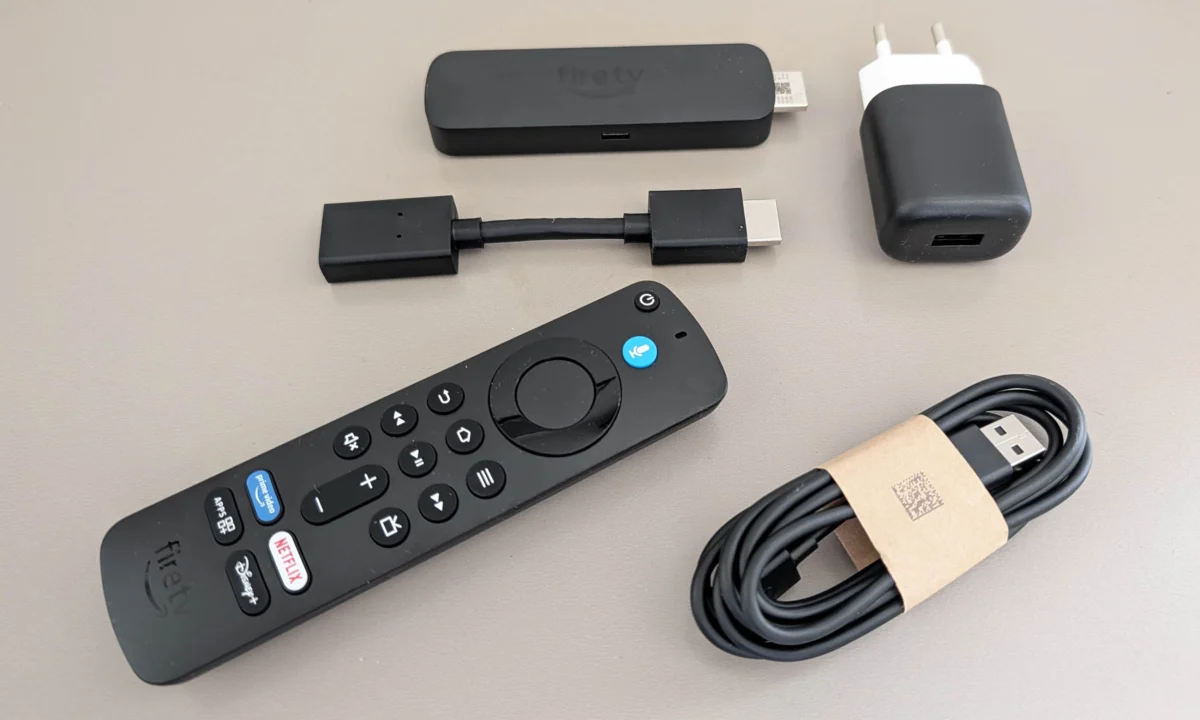
In a significant market adjustment, Amazon, the world’s largest e-commerce platform, has recently implemented substantial price increases across its extensive portfolio of own-brand hardware. These adjustments, which affect popular devices such as Kindle e-readers, Echo smart speakers, Fire TV streaming sticks, and Eero mesh Wi-Fi routers, are attributed to an "important increase in component costs," according to a company spokesperson cited by the media outlet Fortune. The move reflects a broader industry struggle against persistent supply chain disruptions and escalating raw material expenses, particularly concerning memory components like RAM.
The Price Hikes Unveiled
The impact of these price revisions is notable across Amazon’s diverse product ecosystem. For instance, the Echo Dot, a cornerstone of Amazon’s smart home offerings, now carries a recommended retail price of €89.99, a substantial jump from its previous €64.99. This represents an increase of approximately 38%. Similarly, the Echo Show 11, a more advanced smart display, has seen its price rise by €30, moving from €239.99 to €269.99.
Amazon’s popular e-readers have not been spared either, with the Kindle Paperwhite experiencing a significant surge from €169 to €224. Even the more budget-friendly Fire TV Stick has seen its price increase from €44.99 to €64.99, while its 4K counterpart moved from €69.99 to €84.99. The company’s Eero mesh routers, critical for home connectivity, have also witnessed an average increase of around €50 across their models. This comprehensive price adjustment underscores a strategic shift by Amazon to recalibrate its device pricing in response to market pressures.
Amazon’s Strategic Veil: Promotions and Perception
Despite the official price increases, Amazon has employed a shrewd promotional strategy to mitigate the immediate impact on consumer perception. Many of the affected devices are currently being offered with discounts ranging from 20% to 40%. Crucially, these discounts are often calculated against a "crossed-out price" that corresponds to the lowest price offered in the preceding 30 days, which, in many cases, predates the actual price hike. This tactic effectively masks the true extent of the increase, making the products appear more affordable than they would if consumers were directly confronted with the new, higher base prices.
The real price adjustment is typically only discernible by observing the "recommended retail price," often displayed in smaller print on the product page. This approach allows Amazon to maintain a competitive appearance while subtly passing on increased costs to consumers. A spokesperson for Amazon stated that the company "absorbed costs for as long as possible" before implementing this "price readjustment," emphasizing their commitment to "continue to produce accessible products through promotions" throughout the year. This strategy aims to manage consumer expectations and maintain sales momentum, particularly during peak shopping seasons.
The Broader Economic Context: A Crisis of Components
The underlying cause for Amazon’s price adjustments is deeply rooted in the global economic landscape, specifically the persistent and pervasive semiconductor shortage and the ongoing "RAM crisis." The demand for memory components (RAM) has surged dramatically over the past few years, driven by several interconnected factors. The acceleration of digital transformation, fueled by the COVID-19 pandemic, led to an unprecedented demand for personal computing devices, servers, and data center infrastructure as remote work, online education, and digital entertainment became commonplace.
Simultaneously, the rapid expansion of emerging technologies such as Artificial Intelligence (AI), 5G networks, and the Internet of Things (IoT) has placed immense pressure on the supply of high-performance memory. These technologies require vast quantities of specialized RAM, creating a bottleneck in the supply chain. Manufacturing capacity for semiconductors, particularly advanced nodes, has struggled to keep pace with this exponential demand. Geopolitical tensions, trade disputes, and natural disasters (such as factory fires or power outages in key manufacturing regions) have further exacerbated these supply constraints, leading to significant increases in production costs and longer lead times for components.
The broader inflationary environment, characterized by rising energy costs, labor expenses, and transportation fees, has also contributed to the overall increase in the cost of goods. Companies across various sectors have been forced to absorb these rising costs or pass them on to consumers. Amazon’s decision to increase prices for its hardware devices is, therefore, not an isolated incident but rather a reflection of these widespread economic pressures affecting the entire tech industry.
Amazon’s Dual Role: The Cloud and AI Connection
Intriguingly, Amazon itself plays a significant, albeit indirect, role in exacerbating the very component crisis that necessitates its price hikes. The company is not only an e-commerce giant but also a dominant force in cloud computing through Amazon Web Services (AWS) and a major investor in Artificial Intelligence (AI) research and development. Both AWS and Amazon’s AI initiatives are voracious consumers of high-performance memory and processing units.
The massive expansion of AWS’s data centers globally, designed to support an ever-growing array of cloud services for businesses worldwide, requires colossal amounts of RAM. Similarly, the computational demands of AI development, including machine learning model training and inference, necessitate state-of-the-art memory components in vast quantities. These two sectors, largely driven by Amazon’s strategic investments, effectively "siphon off" a substantial portion of the available memory supply on the market, driving up demand and, consequently, prices for these critical components.
While the e-commerce division that sells consumer devices and the AWS/AI branches operate as distinct entities within Amazon’s corporate structure, they ultimately fall under the same leadership. Andy Jassy, the CEO of Amazon, oversees both. It is the same leadership that has pledged to invest an astonishing $220 billion in data center infrastructure this year alone, further highlighting Amazon’s deep commitment to cloud and AI expansion. This internal dynamic creates a unique situation where Amazon’s strategic growth in one area directly contributes to cost pressures in another, ultimately impacting the end consumer through higher device prices. This "self-inflicted wound," as some analysts might describe it, underscores the complex interplay within a diversified tech conglomerate.
Corporate Justification and Consumer Impact
Amazon’s official stance emphasizes that these price adjustments were a last resort after "absorbing costs for as long as possible." This narrative seeks to frame the increases as a necessary response to external market conditions rather than a proactive measure to boost profits. However, for consumers, the implications are clear: a higher barrier to entry for Amazon’s ecosystem of smart devices. While the promotional strategy temporarily softens the blow, the underlying increase in recommended retail prices indicates a long-term shift in Amazon’s pricing structure for its hardware.
This could lead to several consumer impacts. Some loyal customers might feel disgruntled, perceiving the hidden nature of the price increases as a lack of transparency. New customers might find the initial cost of entry higher, potentially leading them to explore alternative smart device ecosystems. The "accessible pricing" Amazon claims to uphold through promotions might become more elusive outside of specific sales events, making devices less affordable on average. Moreover, in an era where consumers are increasingly sensitive to discretionary spending due to inflationary pressures, these price hikes could influence purchasing decisions.
Industry Reactions and Market Trends
While Amazon is a market leader, its actions are often indicative of broader industry trends. It is highly probable that other technology companies manufacturing consumer electronics are facing similar cost pressures for components, logistics, and labor. Amazon’s decision to raise prices, even while attempting to mask them with promotions, could set a precedent for other companies to follow suit. Competitors in the smart speaker, e-reader, and streaming device markets may find themselves compelled to adjust their own pricing to maintain profitability, potentially leading to a widespread increase in tech gadget prices across the board.
The move also highlights the increasing challenge for companies to balance technological innovation with affordability in a volatile global economy. The reliance on complex global supply chains for critical components means that even the largest and most resourceful companies are vulnerable to disruptions and price fluctuations. This situation could accelerate trends towards greater vertical integration in the tech industry, where companies attempt to control more aspects of their supply chain to mitigate external risks, or it could foster greater regionalization of manufacturing.
Looking Ahead: The Future of Tech Pricing
The long-term outlook for tech device pricing remains uncertain. While the immediate RAM crisis might eventually subside as manufacturing capacity expands and demand stabilizes, the underlying forces of global inflation, geopolitical instability, and the relentless demand for high-performance computing from AI and cloud services are likely to persist. This suggests that the era of continuously decreasing or stable prices for consumer electronics, particularly for devices incorporating advanced components, might be drawing to a close.
Consumers may need to adjust their expectations, anticipating that flagship tech devices will continue to command premium prices, and even more accessible options will see gradual increases. Companies like Amazon will likely continue to employ sophisticated pricing strategies, utilizing promotions and dynamic pricing models to manage sales volumes and consumer perception while adapting to evolving cost structures. The current price adjustments by Amazon serve as a stark reminder of the intricate economic forces shaping the technology market and the growing cost of the digital convenience that has become an integral part of modern life. The industry’s ability to innovate while navigating these economic headwinds will define the landscape of consumer technology in the coming years.