Clarissa Hana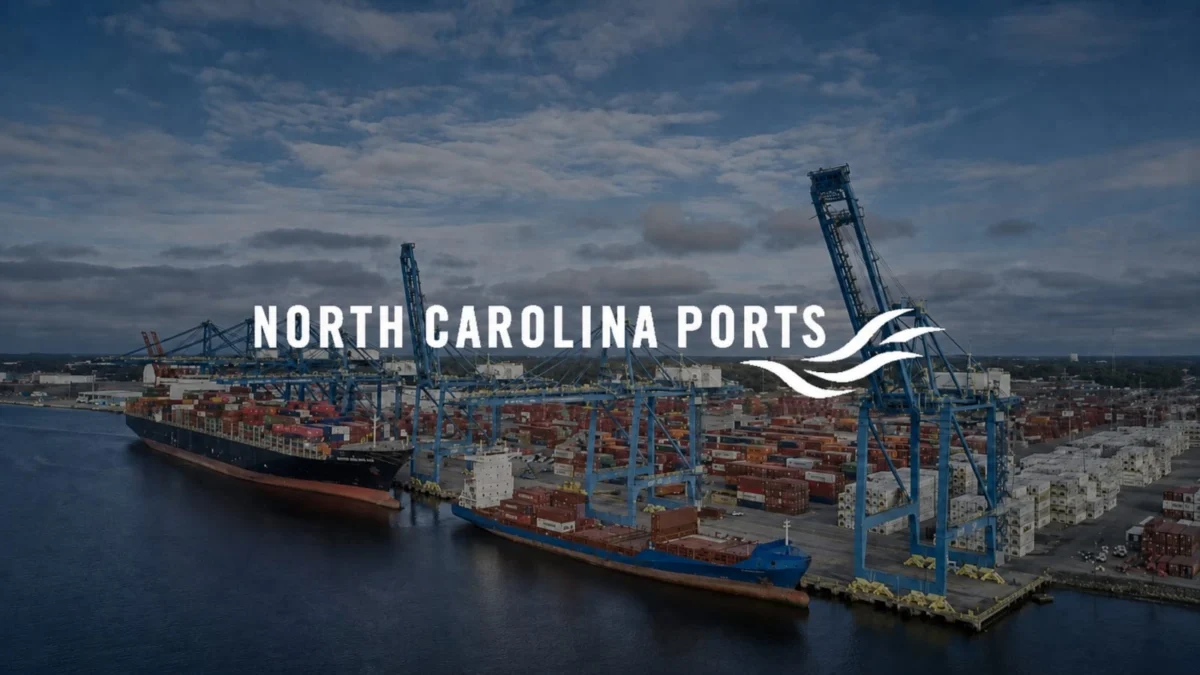
The North Carolina Ports Authority (NCPA) has confirmed a substantial cyberattack that significantly disrupted its information technology systems and consequently slowed operations across its key maritime and inland facilities. The incident, first detected on August 4th and with recovery efforts commencing on the morning of August 5th, impacted the Port of Wilmington, the Port of Morehead City, and the Charlotte Inland Port. These three locations represent crucial nodes in the state’s and region’s supply chain infrastructure, handling a vast array of cargo and facilitating significant economic activity.
Chronology of Disruption
The cyberattack’s presence was reportedly identified on Saturday, August 4th. In response to the detected breach, the North Carolina Ports Authority promptly initiated its pre-established cybersecurity contingency plan. This plan likely involves isolating affected systems, assessing the scope of the intrusion, and mobilizing internal and potentially external cybersecurity resources for remediation.
By the morning of Sunday, August 5th, the authority began its recovery operations. However, the immediate impact of the attack was a system-wide outage that forced the physical gates at all three port facilities to remain open. This measure, while intended to maintain some level of access, led to considerable delays for truckers and other logistics operators attempting to enter or exit the ports. The operational slowdown affected the normal flow of goods, creating bottlenecks and impacting the predictability of cargo movements.
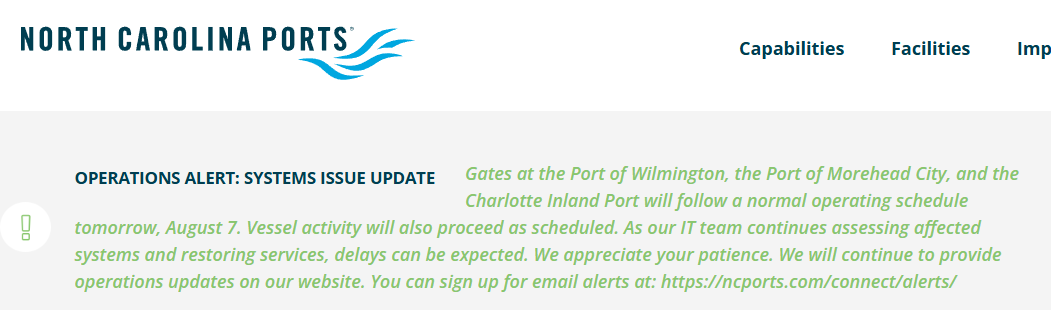
The NCPA’s latest public notification, issued on August 6th, indicated that while operations were "gradually returning to normal," delays were still anticipated as the IT team continued its assessment and restoration efforts. A significant update provided on August 7th stated that the gates at the Port of Wilmington, Port of Morehead City, and Charlotte Inland Port would resume their normal operating schedules. Vessel activity was also slated to proceed as planned. Despite these assurances of returning normalcy, the authority reiterated that ongoing system assessments and service restorations meant that delays could still occur, underscoring the complex and lingering effects of such a sophisticated cyber intrusion.
Scope of Impacted Facilities and Cargo
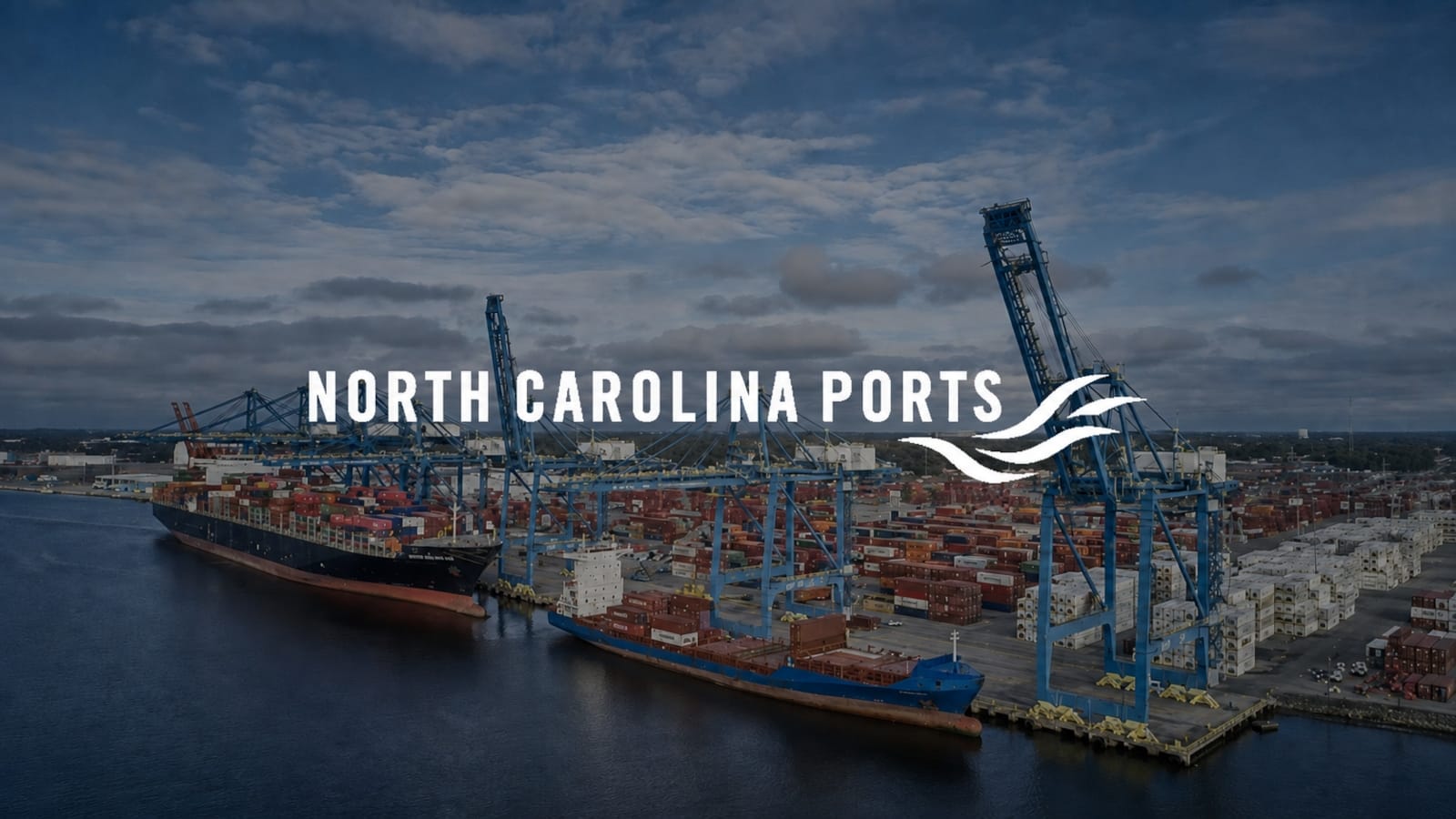
The North Carolina Ports Authority manages a vital network of logistics hubs. The Port of Wilmington, the most significant of these facilities, serves as the state’s primary deepwater seaport. It boasts nine berths and a substantial annual container capacity of 600,000 TEUs (twenty-foot equivalent units). This facility alone handles an average of 5,000 container gate moves per week, illustrating the sheer volume of daily operations that were potentially compromised.
Complementing the Port of Wilmington, the Port of Morehead City is another principal commercial deepwater seaport. Together, Wilmington and Morehead City are responsible for processing approximately 4.4 million short tons of bulk and breakbulk cargo annually. This cargo encompasses a wide range of commodities, including agricultural products, machinery, project cargo, and more, highlighting their critical role in regional and international trade.
The Charlotte Inland Port, a more recent addition to the NCPA’s network, functions as a strategic hub connecting the western part of the state to the coastal ports. This inland facility plays a crucial role in extending the reach of maritime trade inland, facilitating the efficient movement of goods through intermodal transportation. The disruption at these three facilities, therefore, sent ripple effects through a broad segment of North Carolina’s economy and its supply chain partners.
The Nature of the Cyberattack
As of the latest reports, the North Carolina Ports Authority has not attributed the cyberattack to any specific threat actor. This lack of attribution is not uncommon in the immediate aftermath of such incidents, as investigations into the origin and perpetrators can be lengthy and complex. Similarly, the authority has not disclosed whether any sensitive data was compromised or exfiltrated during the attack. This information is often withheld during the initial stages of an investigation to avoid tipping off attackers or causing undue alarm among stakeholders.
The incident’s nature, leading to a "systems-wide outage," suggests a potentially comprehensive intrusion. Such outages can result from various attack vectors, including ransomware, denial-of-service (DoS) attacks, or the compromise of critical network infrastructure. The disruption to gate operations and the general slowdown in port activities point towards an attack that targeted operational technology (OT) systems or critical IT infrastructure directly supporting these functions.

The fact that the NCPA activated its cybersecurity contingency plan indicates a degree of preparedness. However, the severity of the disruption underscores the evolving sophistication of cyber threats targeting critical infrastructure, including ports and maritime operations. These facilities are increasingly attractive targets due to their essential role in global commerce and the potential for significant economic and operational disruption.
Broader Implications and Industry Vulnerabilities
The cyberattack on North Carolina Ports is a stark reminder of the escalating threat landscape facing the maritime and logistics industries. Ports, by their very nature, are complex ecosystems involving numerous interconnected systems, diverse stakeholders, and a constant flow of information. This complexity, while enabling efficient operations, also presents a broad attack surface for malicious actors.
The reliance on digital systems for everything from gate operations and vessel scheduling to cargo tracking and administrative functions makes ports vulnerable to disruptions that can have far-reaching consequences. A successful cyberattack can lead to:
- Economic Losses: Delays in cargo handling translate into increased costs for businesses, potentially impacting consumer prices. Businesses relying on just-in-time inventory management can face significant disruptions.
- Supply Chain Disruptions: The ripple effect can extend beyond the immediate port operations, impacting manufacturers, retailers, and consumers throughout the supply chain. A single port’s disruption can affect the availability of goods across entire regions.
- Reputational Damage: Incidents of this nature can erode confidence among shipping lines, cargo owners, and other partners, potentially leading them to seek more secure or reliable alternatives.
- National Security Concerns: For ports handling critical goods or involved in national defense logistics, cyberattacks can pose significant national security risks.
The maritime sector has been increasingly targeted by cyber threats in recent years. High-profile incidents have demonstrated the vulnerability of shipping companies, port authorities, and other maritime organizations. These attacks often aim to extort ransoms, disrupt operations for competitive advantage, or even engage in espionage.
Industry experts have consistently warned about the need for robust cybersecurity measures, including regular vulnerability assessments, employee training, incident response planning, and the implementation of advanced security technologies. The North Carolina Ports Authority’s response, including the activation of its contingency plan, highlights the importance of such proactive measures. However, the ongoing recovery and anticipated delays underscore the challenges in fully mitigating the impact of sophisticated cyber intrusions.
Official Statements and Ongoing Recovery
The North Carolina Ports Authority has maintained a degree of transparency throughout the incident, providing updates via its official website. The statements emphasize a phased approach to recovery, acknowledging the ongoing work required to restore full functionality. The authority’s communication strategy appears focused on informing stakeholders about the current status, managing expectations regarding delays, and assuring them of the efforts being made to return to normal operations.
The decision to keep gates open, despite system outages, suggests a balancing act between security and operational continuity. While this may have allowed some level of activity to continue, it also potentially exposed systems to further compromise if not managed carefully.
The lack of immediate attribution from the NCPA is a common practice in cybersecurity investigations. The process of identifying threat actors often involves collaboration with federal agencies, such as the FBI and the Cybersecurity and Infrastructure Security Agency (CISA), as well as international partners. Such investigations can take considerable time and require careful evidence gathering.
BleepingComputer, the source of the initial report, contacted the North Carolina Ports Authority for further details but had not received a response by the time of publication. This indicates that the authority is likely engaged in a focused recovery effort and may be limiting external communications to essential updates.
As of the latest information, the Port of Wilmington, Port of Morehead City, and Charlotte Inland Port are working towards a full return to normal operations. The focus remains on restoring affected systems, ensuring the integrity of data, and safeguarding against future attacks. The incident serves as a critical case study for other port authorities and critical infrastructure operators, reinforcing the need for continuous vigilance and investment in cybersecurity defenses in an increasingly interconnected digital world. The resilience of these vital economic arteries depends on their ability to withstand and recover from such sophisticated threats.