admin
admin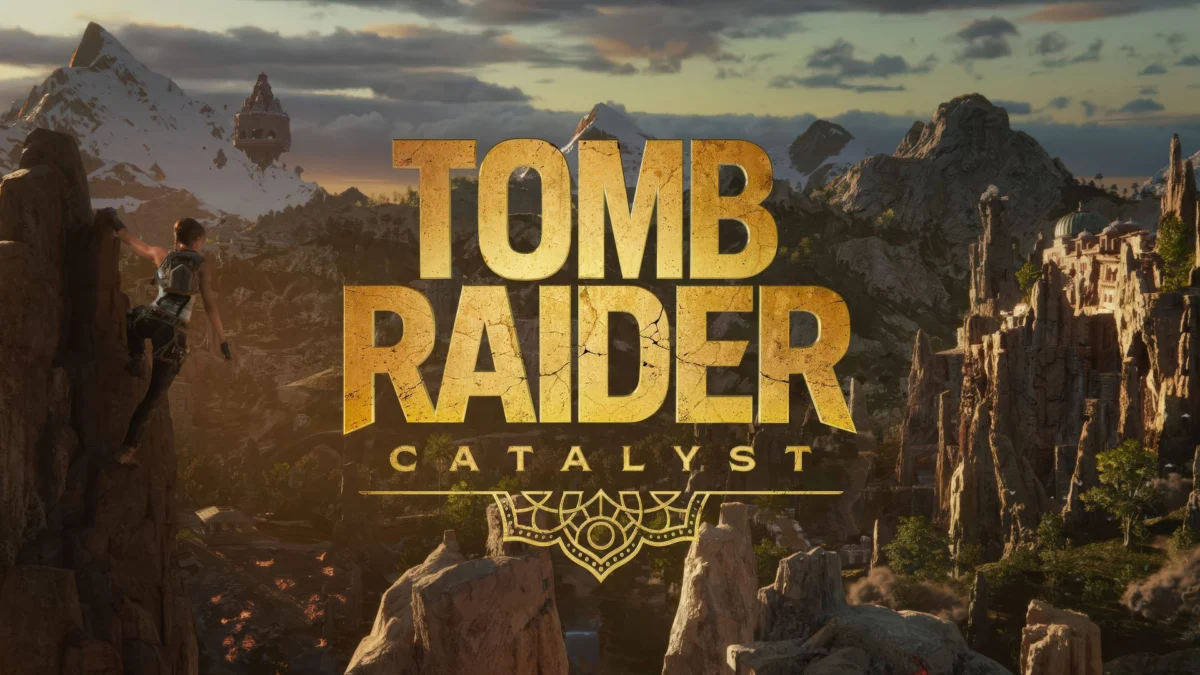
In a wide-ranging interview with The Games Business, Jeff Gattis, the newly appointed head of Amazon Gaming, provided critical updates on the production timeline of the Tomb Raider franchise while detailing a significant pivot in how Amazon intends to deliver interactive entertainment to its global audience. The executive confirmed that Tomb Raider Catalyst, the highly anticipated next chapter in Lara Croft’s journey, has been officially rescheduled for a 2028 release. This adjustment follows a cascade of delays within the franchise’s roadmap, specifically involving the series’ foundational remake, Legacy of Atlantis.
The confirmation of the delay marks a notable shift in the release cadence originally established during The Game Awards 2025. At that event, Amazon and developer Crystal Dynamics unveiled a dual-pronged strategy for the franchise: a modern remake of the original 1996 title, titled Legacy of Atlantis, followed by a brand-new narrative entry, Tomb Raider Catalyst. Initially, Legacy of Atlantis was slated for a 2026 launch, with Catalyst intended to follow in 2027. However, after Legacy of Atlantis was pushed to February 12, 2027, industry analysts began speculating that the subsequent title would require more breathing room. Gattis has now solidified those expectations, placing Catalyst firmly in the 2028 window.
The Revised Roadmap for the Tomb Raider Franchise
The Tomb Raider intellectual property remains a cornerstone of Amazon’s gaming ambitions. Following the acquisition of the publishing rights and the broader collaboration with Crystal Dynamics, Amazon has positioned Lara Croft as a flagship character for its growing ecosystem. The delay of Tomb Raider Catalyst to 2028 is framed not merely as a setback, but as a strategic alignment to ensure each title receives adequate development time and marketing focus.
"Obviously, we’ve announced the two Tomb Raider titles," Gattis stated during the interview. "Legacy of Atlantis comes out February 12 of next year [2027], and then we’ll follow on in 2028 with Tomb Raider Catalyst." This timeline suggests that Amazon is opting for a "one major release per year" cadence for its marquee franchises, allowing Legacy of Atlantis to establish a renewed foundation for the character before the narrative continues in Catalyst.
The development of these titles represents a significant investment for Amazon Games. Since the 2022 agreement between Amazon Games and Crystal Dynamics, the goal has been to create a "single, unified Tomb Raider timeline" that bridges the events of the original Core Design games with the Survivor trilogy developed by Crystal Dynamics and Eidos-Montréal. This ambitious narrative undertaking, combined with the technical requirements of Unreal Engine 5, has likely contributed to the extended development cycles.
Strategic Integration of Luna and Prime Video
Beyond individual game titles, Gattis detailed a broader organizational shift toward cloud gaming accessibility. Amazon has begun integrating its Luna cloud gaming service directly into the Prime Video application, a move designed to lower the barrier to entry for casual and "mid-core" gamers. As of this week, Prime members using Fire TV devices in the United States and the United Kingdom can access high-fidelity titles—including Hogwarts Legacy, EA Sports FC 26, and Indiana Jones and the Great Circle—without leaving the Prime Video interface.
This integration is a central pillar of Gattis’s vision for Luna. By placing gaming alongside movies and television series, Amazon aims to normalize cloud gaming as a standard form of home entertainment. Gattis noted that the goal is to build a content portfolio so robust that the platform becomes synonymous with specific high-value franchises.
"I think we ultimately want to build an identity with Luna where we have a content portfolio that resonates with people," Gattis explained. "Where they think, ‘Oh gosh, that’s the place that has Tomb Raider and maybe they have Bond and they have these other things.’ And I think that takes time, obviously, to go build. But I think for us to be the platform we want to be and the one we believe we can be, you have to have some original content."
The Economics of Gaming: Hardware Costs and the "RAM Crisis"
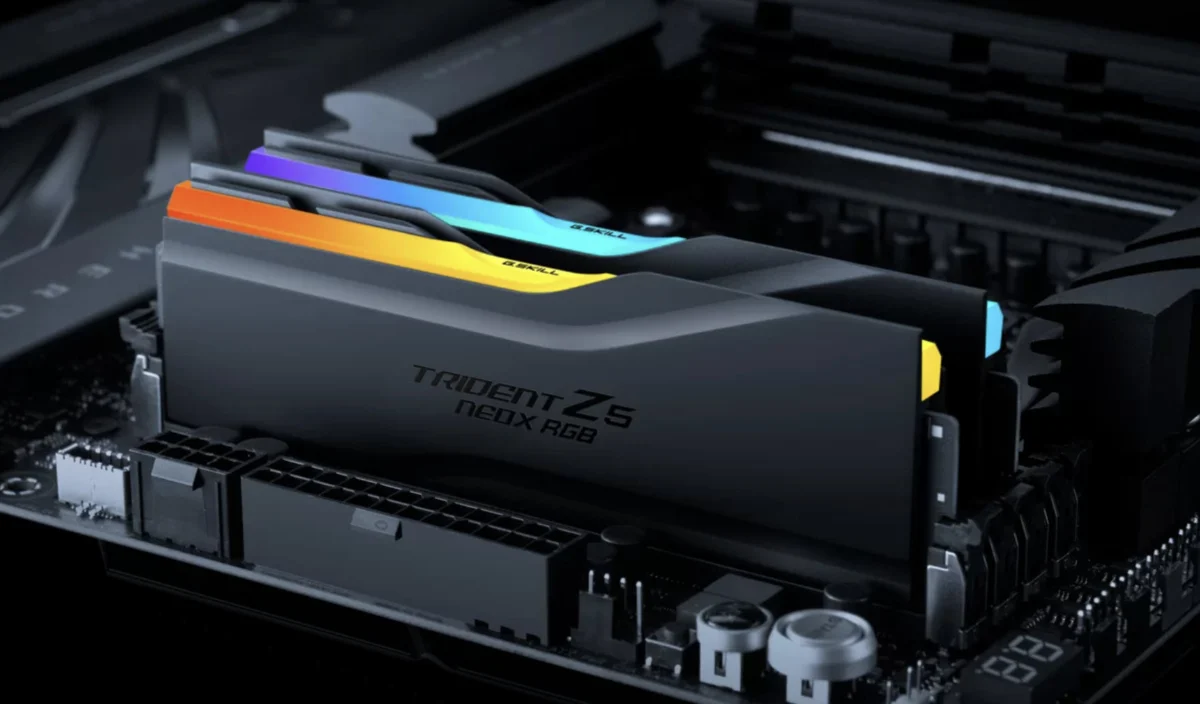
One of the most provocative segments of the interview involved Gattis’s analysis of the current state of gaming hardware. He argued that the rising costs of traditional consoles and PC components are creating a "perfect storm" that may finally drive mass adoption of cloud services. Gattis pointed to the "RAM crisis"—a global shortage and price volatility of memory components—as a primary driver of increased manufacturing costs for the next generation of consoles.
Industry reports suggest that the "Gen 10" consoles, the successors to the PlayStation 5 and Xbox Series X/S, could face unprecedented pricing challenges. Gattis noted that rumors within the industry suggest initial launch prices for these machines could exceed $1,000. He also cited the recent pricing of high-end Steam Machines, which have opened at similar price points, as evidence that the "inexpensive console" era may be coming to an end.

"Consoles, for the most part, have been relatively inexpensive until now," Gattis remarked. "But we hear rumors about consoles because of the RAM crisis, you know, pushing up well over $1,000 in Gen 10. So, I do think you get to a point at which a lot more people will be in the consideration set for a cloud gaming solution just because of the sheer cost of buying dedicated hardware."
This economic reality positions Luna not as a direct "console killer," but as a pragmatic alternative for a market that is increasingly being priced out of dedicated hardware. By leveraging its existing server infrastructure and the ubiquity of Fire TV and Prime Video, Amazon hopes to capture the segment of the market that desires AAA gaming experiences but is unwilling or unable to invest four figures in a single-purpose device.
Leveraging MGM Intellectual Property and the Future of 007
The acquisition of MGM by Amazon for $8.5 billion in 2022 has provided Amazon Games with a massive repository of intellectual property. Gattis hinted at various "AAA things" currently in discussion, specifically mentioning the potential of the James Bond (007) franchise.
In a separate but related development, Gattis appeared to confirm that IO Interactive—the studio behind the modern Hitman trilogy—is slated to work on a sequel to 007 First Light. This project aligns with Amazon’s strategy of pairing high-profile IP with established, prestige developers. The mention of Bond in the context of Luna’s identity further suggests that Amazon views the 007 franchise as a key driver for its gaming ecosystem, much like Tomb Raider.
The synergy between Amazon’s film and television production (Amazon MGM Studios) and its gaming division is becoming increasingly apparent. The success of the Fallout television series on Prime Video, which led to a massive resurgence in players for the Fallout games, serves as a blueprint for how Amazon intends to manage its IP. By coordinating the release of Tomb Raider games with the upcoming Tomb Raider live-action series (produced by Phoebe Waller-Bridge for Prime Video), Amazon is attempting to create a cross-media flywheel that sustains interest in its franchises over several years.
Industry Implications and Market Analysis
The delay of Tomb Raider Catalyst and the emphasis on cloud gaming reflect broader trends in the 2024–2025 gaming industry. The "COVID-19 bump" in gaming revenue has stabilized, leading to a period of consolidation and strategic re-evaluation across the sector. Many major publishers have moved away from aggressive release schedules in favor of longer development cycles aimed at ensuring "hit" status for their AAA titles.
For Amazon, the 2028 release of Catalyst provides a significant window to refine the Luna technology. While previous cloud gaming efforts, most notably Google Stadia, failed to gain traction due to a lack of compelling exclusive content and a confusing business model, Amazon is taking a different approach. By bundling Luna access with Prime memberships and integrating it into an existing entertainment app, they are removing the friction that plagued earlier cloud attempts.
Furthermore, the "RAM crisis" mentioned by Gattis is a factor being watched closely by hardware manufacturers like Sony and Microsoft. The increasing demand for high-bandwidth memory (HBM) driven by the AI boom has squeezed the supply available for consumer electronics. If Gattis’s predictions regarding $1,000 consoles prove accurate, the gaming landscape of the late 2020s could be bifurcated between a high-end enthusiast market and a cloud-based mass market.
Conclusion: A Long-Term Play for Gaming Dominance
Jeff Gattis’s remarks clarify Amazon’s long-term trajectory. The company is no longer just a distributor of games through its Prime Gaming perks; it is positioning itself as a developer, a publisher, and a platform holder. The delays of Legacy of Atlantis to 2027 and Tomb Raider Catalyst to 2028 suggest a commitment to quality over speed, a lesson likely learned from the mixed reception of earlier internal projects like Crucible.
As Amazon prepares for the launch of its Tomb Raider titles, the success of these games will be the ultimate litmus test for its "original content" strategy. If Amazon can successfully transition Lara Croft into a new era while simultaneously making Luna a household name via Prime Video, it will have secured a unique and powerful position in the entertainment hierarchy. For now, fans of the series will have to wait until February 2027 for their first taste of the new era of Tomb Raider, with the full realization of Crystal Dynamics’ vision arriving a year later in 2028.