Metty Iskandar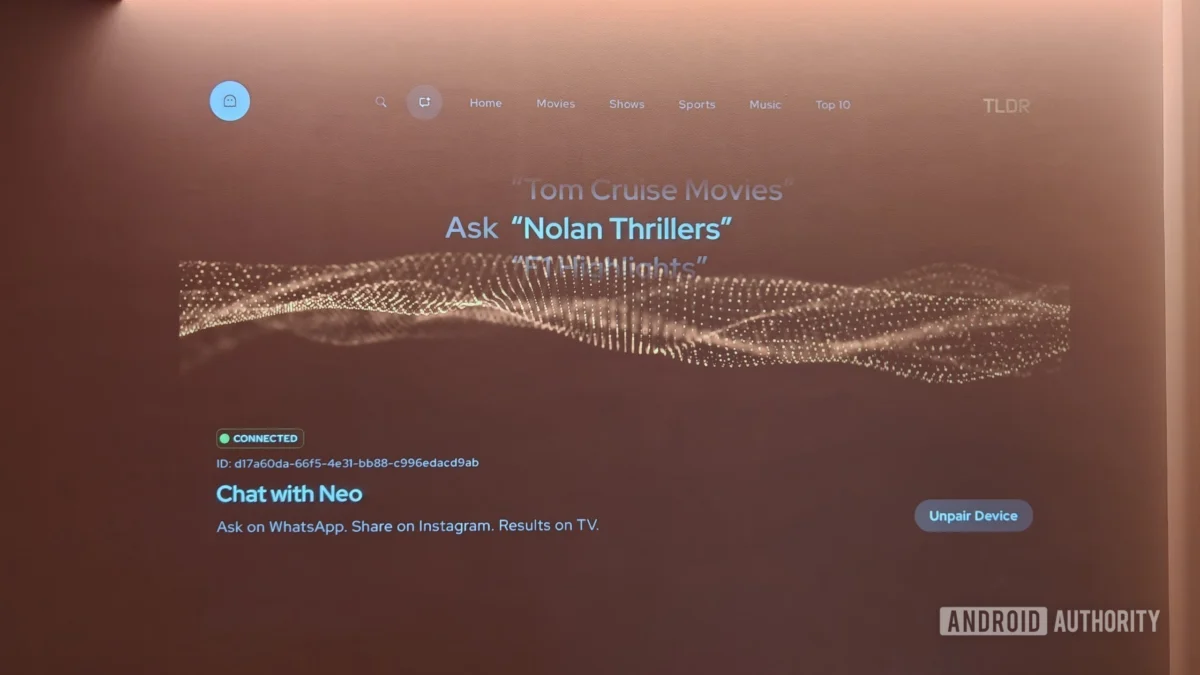
The persistent challenge of selecting what to watch on streaming platforms, often dubbed "doomscrolling," has become a ubiquitous experience for consumers worldwide. Despite an ever-expanding library of content on services like Netflix, the paradox of choice frequently leads to decision paralysis, transforming a supposed leisure activity into a tedious endeavor. This frustration stems from a fundamental flaw in current smart TV interfaces: their inability to intuitively understand user preferences and facilitate seamless discovery. Addressing this gap is Project Neo, an experimental AI agent developed by Indian hardware innovator Lumio, which leverages familiar communication channels like WhatsApp and Instagram to bridge the divide between content discovery and television viewing.
In a significant development for the smart TV ecosystem, Lumio’s Project Neo is poised to redefine how users interact with their entertainment devices. By integrating an AI agent directly with Google TV via popular messaging and social media apps, Project Neo offers a streamlined approach to content selection. Early testing indicates that this conversational, smartphone-centric method could be the missing piece in the smart TV experience, representing one of the most practical applications of artificial intelligence in recent memory.
The Inadequacy of Current Smart TV Content Discovery
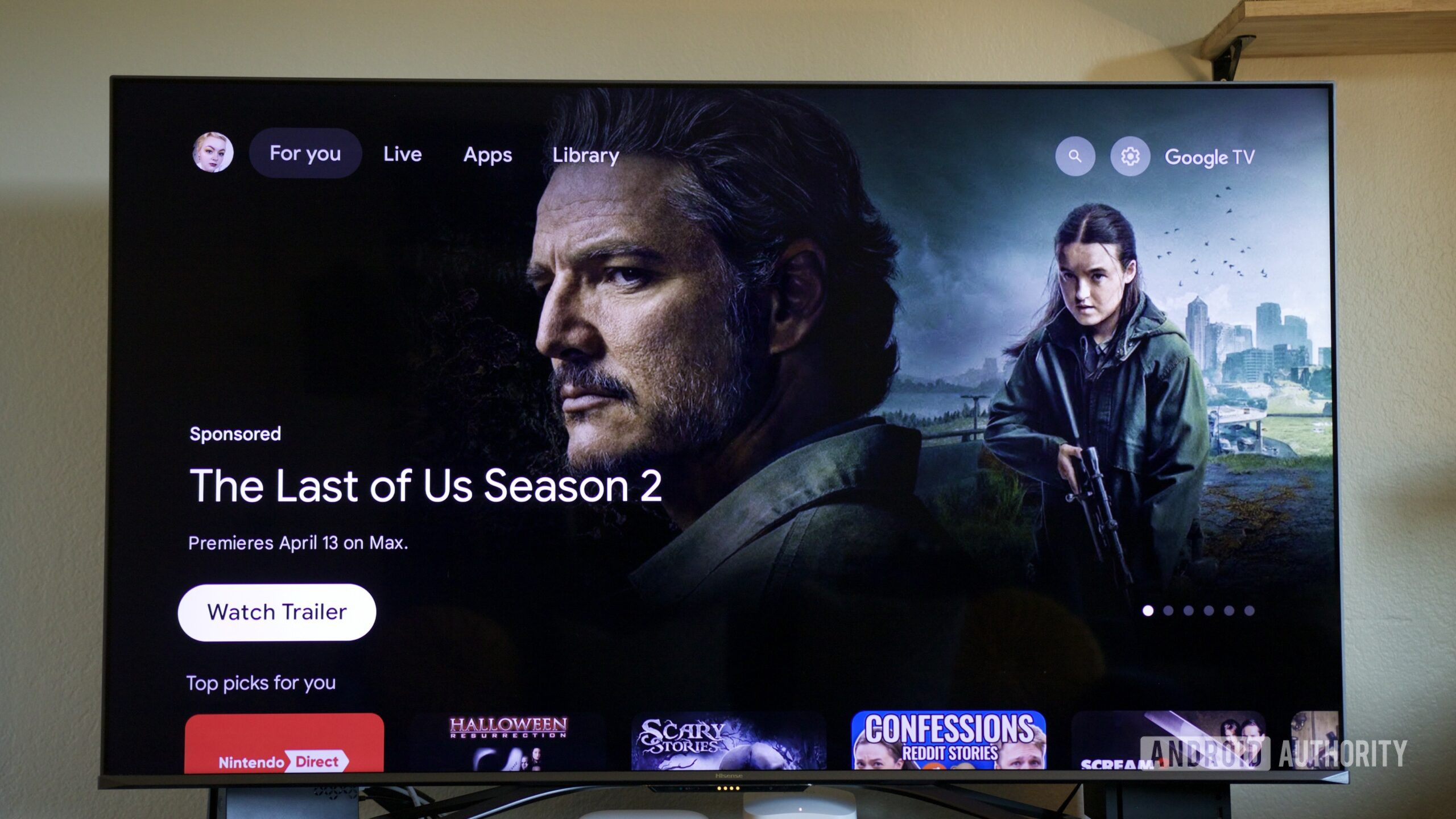
The current landscape of smart TV platforms is plagued by an inefficient content discovery model. For years, users have been subjected to dense grids of promotional tiles, unsolicited auto-playing trailers, and cumbersome navigation using outdated remote controls. This approach, designed primarily to maximize user engagement time within the platform itself, often fails to account for how people actually discover content in their daily lives – through social media, online forums, and peer recommendations.
The disconnect between mobile-first discovery habits and the television viewing experience creates friction. For instance, receiving a movie recommendation via text message necessitates remembering the title, identifying the correct streaming service, physically retrieving the remote, navigating to the specific app, and then manually entering the movie’s title or relying on often-unreliable voice search functions. While voice assistants like Google Assistant can alleviate some of this burden, their performance has historically been inconsistent, frequently failing to interpret commands accurately.
Furthermore, existing smart TV interfaces often rely on broad genre classifications, which can lack the nuance required for sophisticated content appreciation. A masterpiece of folk horror like "Midsommar," for example, shares more thematic and stylistic commonalities with classic films like "The Wicker Man" than with the generic "schlock horror" often presented on streaming services. This lack of granular understanding means that users are often presented with recommendations that miss the mark, exacerbating the feeling of being overwhelmed by choice.
Project Neo: A Conversational Approach to Content Discovery
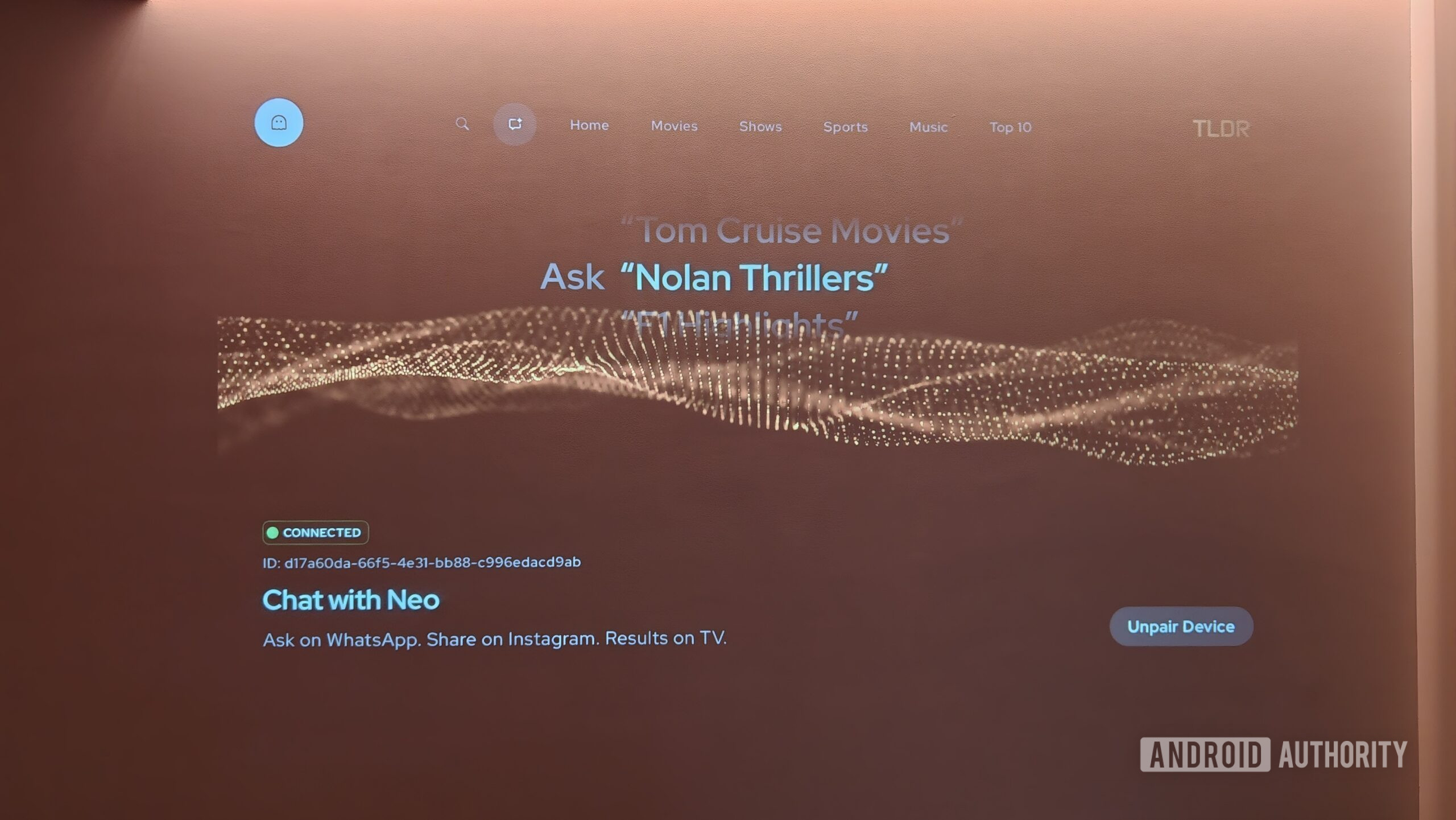
Project Neo fundamentally shifts the paradigm by bringing the content discovery process back to the smartphone, utilizing an interface that is already deeply familiar to users. The system operates through a companion app, dubbed TLDR, installed on the television. This app facilitates a straightforward QR code-based pairing process, linking a WhatsApp chatbot to the user’s account. Once connected, users can interact with the AI agent via text or voice commands, transforming their smartphone into a conversational input device for their television.
This integration is lauded for its simplicity and user-centric design. Project Neo eliminates the need for users to download additional apps on their phones or switch between multiple interfaces. The core principle is to meet users where they already are – on their smartphones. The process is designed to be seamless: a user can simply type the name of a desired piece of content, and TLDR will display it on the screen. A tap on the thumbnail will then launch the movie or show, provided the user is subscribed to the relevant streaming service. Even if the content is not available on a subscribed service, TLDR will still provide comprehensive metadata, including striking visual assets like posters and banner images, a concise synopsis, and cast details.
AI-Powered Recommendations That Resonate
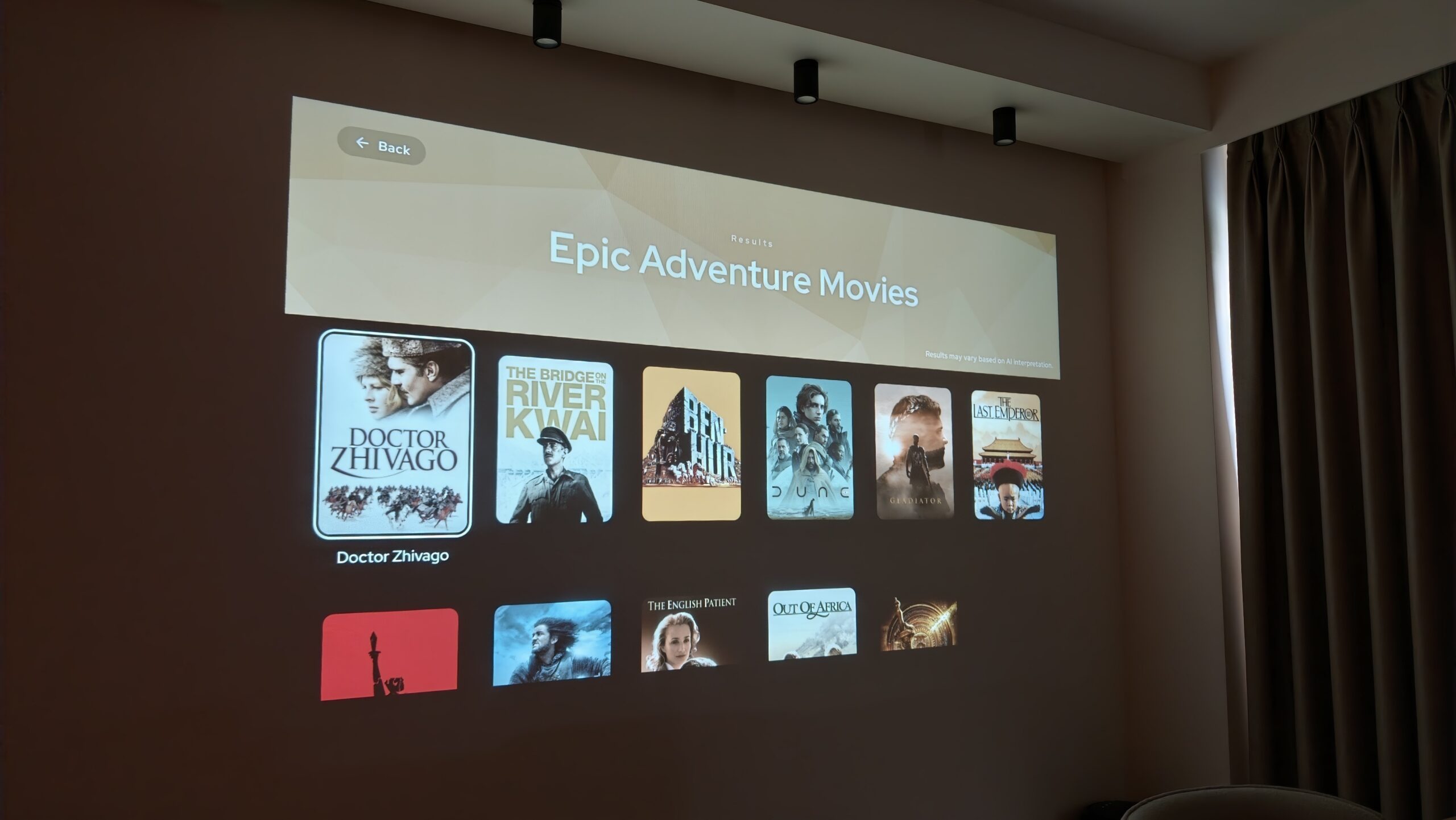
Beyond its function as a content launcher, Project Neo incorporates a sophisticated recommendation engine powered by artificial intelligence. During initial testing, the AI demonstrated a remarkable ability to understand nuanced requests. For instance, when asked for films similar to the epic historical drama "Lawrence of Arabia," Project Neo accurately suggested titles like "Ben-Hur" and "The Last Emperor." This suggests a deeper level of content analysis beyond simple genre matching, delving into thematic, stylistic, and historical parallels.
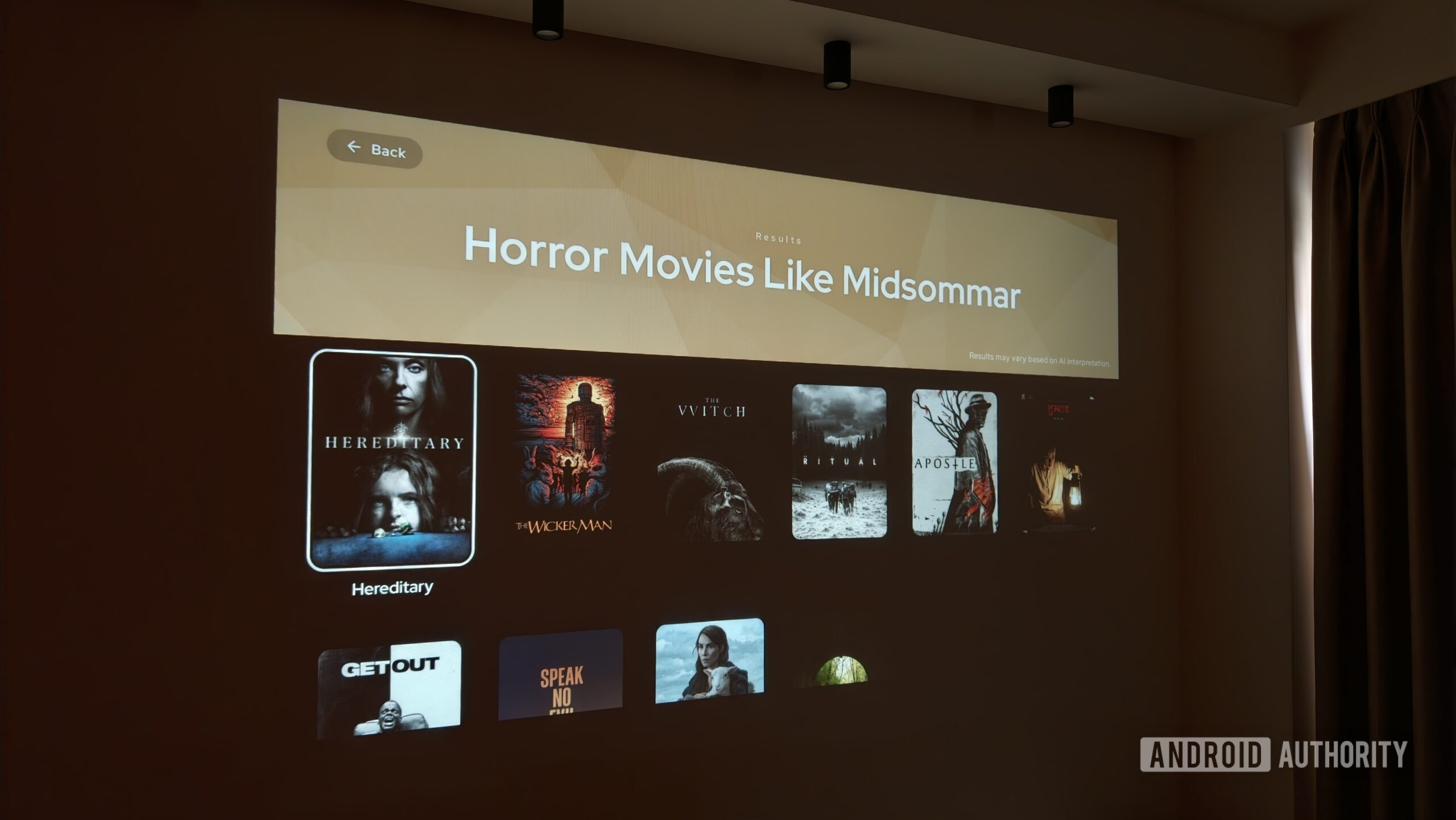
The user experience with Project Neo is designed to be fluid and intuitive. Users can engage with the WhatsApp bot using natural language, including slang and abbreviations, mirroring conversations with a friend. The AI can process a wide range of requests, from general queries about trending movies to highly specific searches for niche genres, such as "a non-obvious, neo-noir crime thriller from the ’90s with high ratings and featuring at least one Oscar-nominated actor." The system has proven capable of delivering accurate recommendations, even allowing for follow-up queries, such as filtering results by runtime (e.g., "filter out movies longer than 90 minutes").
For users who prefer voice interaction, Project Neo also supports voice notes. The AI can process these audio commands just as effectively as text-based inputs. The scope of its functionality extends beyond movies to include music videos and sports scores. While sports score requests can display highlight reels and title cards on the TV, direct integration into live game streams is not yet available.
Bridging the Social Media Discovery Gap
A significant innovation of Project Neo lies in its ability to integrate social media into the television experience, addressing another critical disconnect in modern entertainment consumption. A substantial portion of content discovery today occurs on platforms like Instagram. Users often save interesting content, such as movie trailers or clips, into their Instagram collections, only to forget about them when it’s time to watch something.
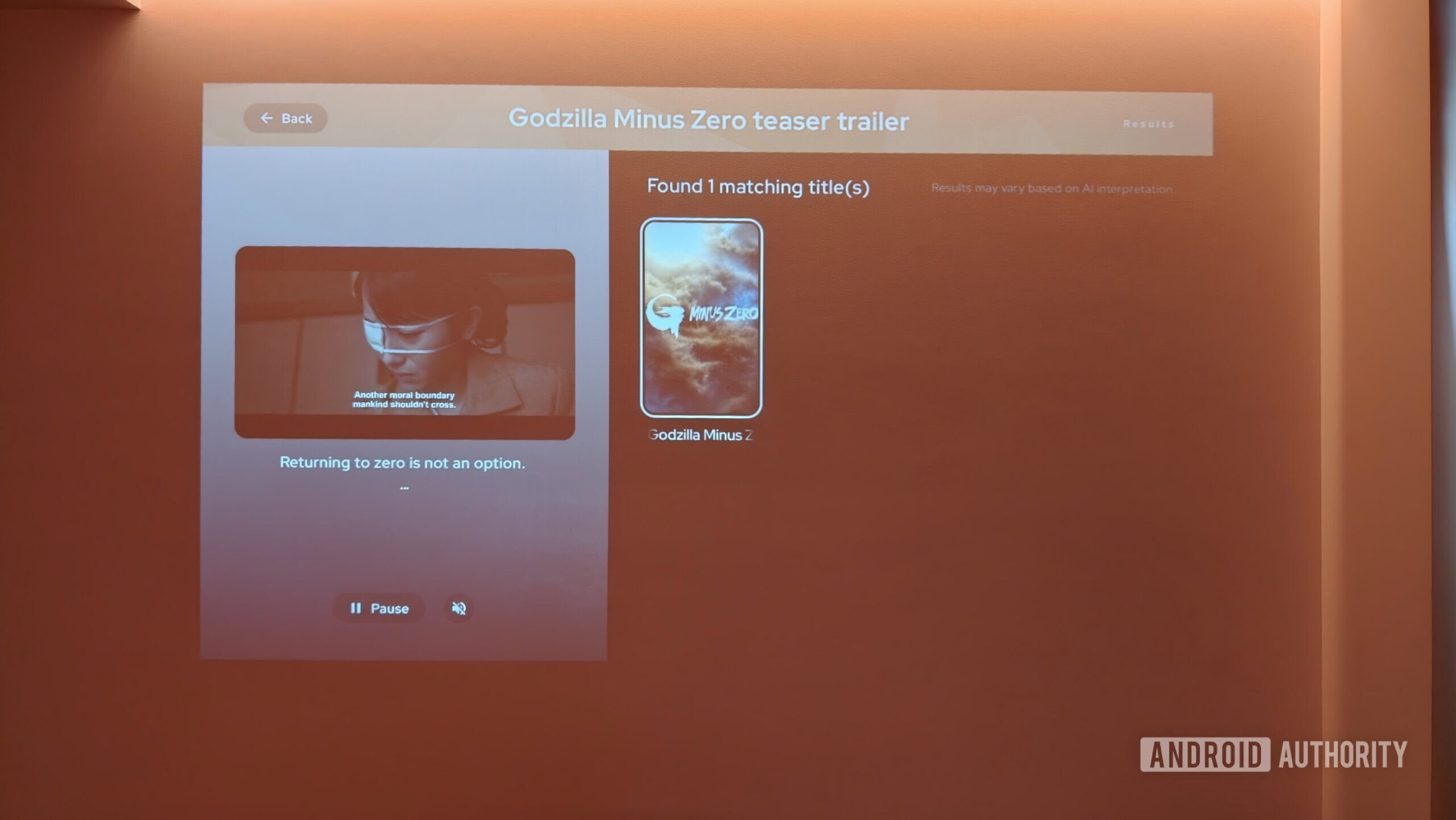
Project Neo allows users to link their Instagram accounts, enabling the AI to parse forwarded images or reels and display the associated content directly on the TV. Testing with a trailer for "Godzilla Minus One" demonstrated the system’s capability not only to play the trailer but also to present a relevant movie card for adding to a watchlist.
This feature extends to sharing short-form video content. Previously, sharing a funny social media clip on a larger screen would involve searching for it on YouTube or screen mirroring the phone, which can be awkward and interruptive. With Project Neo, users can simply forward an Instagram Reel to the bot, and it will play directly on the TV, offering a more seamless and polished social sharing experience.
An Ambitious Glimpse into the Future of Home Entertainment
Despite its promising features, Project Neo is currently an early-stage beta product and exhibits certain limitations. Its ability to launch videos is dependent on the availability of deep links within various applications, and not all apps are fully supported. This is partly due to the restricted nature of Google TV’s app ecosystem, presenting a notable constraint. In some instances, users may still need to manually initiate the playback of recommended content.
The AI-powered bot can also experience occasional slowdowns, leading to user uncertainty about whether the system is responding. While not a constant issue, these delays have been observed during testing.
Furthermore, the TLDR companion app is currently exclusive to Lumio televisions and projectors. While this strategy likely aims to enhance the value proposition of Lumio’s hardware, it represents a potential missed opportunity. Wider availability through the Google Play Store could attract users of competing devices to the Lumio ecosystem.
The most significant factor is the impending arrival of Google’s own AI integration. Gemini for TV is anticipated to offer a similar AI-powered experience across a broad range of televisions. However, a definitive timeline for its widespread release remains unclear. Crucially, Project Neo’s innovative use of familiar chat interfaces like WhatsApp and Instagram offers a distinct advantage, a feature not currently emphasized in Gemini for TV’s known capabilities. This conversational approach is a significant innovation that could benefit the broader smart TV ecosystem.
Google’s Playbook for the Next Generation of Smart TVs
The underlying philosophy of Project Neo aligns precisely with the evolutionary direction Google TV should be pursuing. Google possesses the essential components and the extensive reach required to implement such an integrated experience natively, far beyond the capabilities of a startup. Preliminary insights into Gemini for TV suggest that Google is indeed working on similar AI-driven functionalities.
However, the native integration of a conversational, smartphone-linked AI discovery engine, complete with social media connectivity, would represent a true paradigm shift for Google TV. Such a native solution would bypass the deep-linking challenges that currently affect Project Neo and similar applications. This would enable the AI not only to locate content but also to initiate playback instantly across any available service, effectively rendering the physical remote and the often-underperforming voice-based controls obsolete.
Project Neo serves as compelling evidence that natural language processing and the ubiquitous smartphone keyboard are the ultimate tools for content discovery. As the industry transitions to the next generation of Google TV, Google should undoubtedly embrace and build upon this innovative approach, prioritizing a user experience that is both intelligent and intuitively accessible. The future of smart TV interfaces is clearly conversational and deeply integrated with users’ existing digital lives.