Metty Iskandar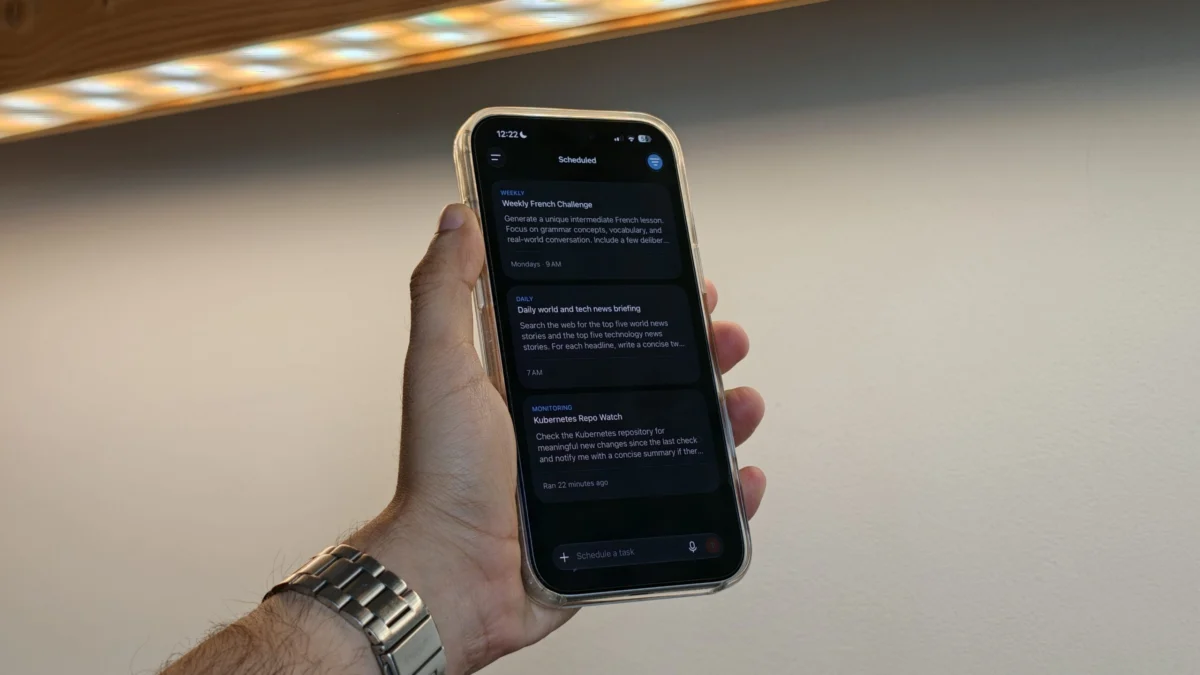
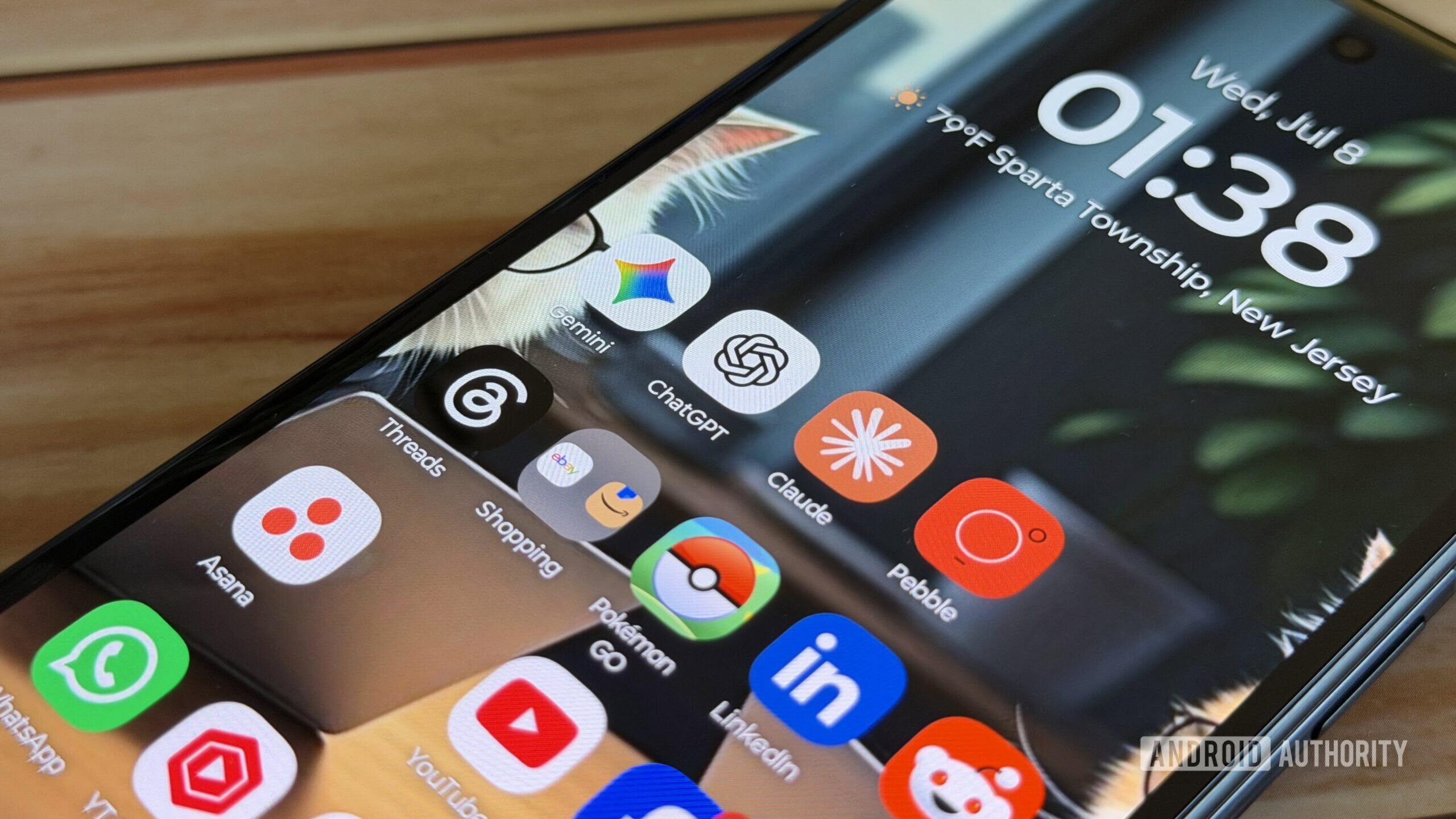
The artificial intelligence landscape is witnessing a fierce competition, with Google’s Gemini emerging as a formidable contender against the long-standing champion, ChatGPT. While Gemini boasts impressive versatility, lauded as the “Swiss Army knife of the AI world,” and benefits from deep integration within the Google ecosystem, particularly Android, it is still struggling to dethrone ChatGPT in terms of consistent usability and overall response quality. This analysis delves into the critical areas where Gemini falls short, despite its rapid development and ambitious feature set, and examines the reasons why many users, including seasoned AI enthusiasts, continue to favor ChatGPT for their daily AI interactions.
Google’s Gemini, powered by advanced AI models, has demonstrated remarkable progress since its inception. Its availability across multiple platforms and its seamless integration with Android devices offer unique functionalities not yet replicated by its competitors. This integration allows Gemini to perform tasks that leverage real-time data and device-specific features, presenting a compelling value proposition for Android users. However, the sheer momentum and first-mover advantage of OpenAI’s ChatGPT have solidified its position as the de facto standard for many AI applications. This enduring lead is not solely due to its initial launch but is sustained by its consistent performance in delivering high-quality, reliable outputs, even as newer models enter the fray.
The author’s extensive use of both Gemini and ChatGPT highlights a nuanced reality: while Gemini offers innovative capabilities, its current performance issues prevent a complete migration for many. Even with access to premium Gemini features, the persistent need for a separate ChatGPT subscription underscores Gemini’s perceived immaturity in critical aspects of user interaction and task execution. This article explores these specific shortcomings, providing a detailed comparison of the user experience and functional efficacy of both leading AI chatbots.
The Challenge of Complex Instruction Following
One of the most significant hurdles for Gemini in its quest to rival ChatGPT is its inconsistent ability to follow complex instructions. Users have reported instances where Gemini appears to overlook or ignore parts of multi-step prompts, even within structured environments like Notebooks designed to aggregate information from various conversations. This issue has been observed in both single-chat contexts and across broader data consolidation efforts. For example, when attempting to use Gemini as a comprehensive expense manager, the AI repeatedly failed to adhere to specified operational guidelines, leading to frustration and a lack of trust in its execution.
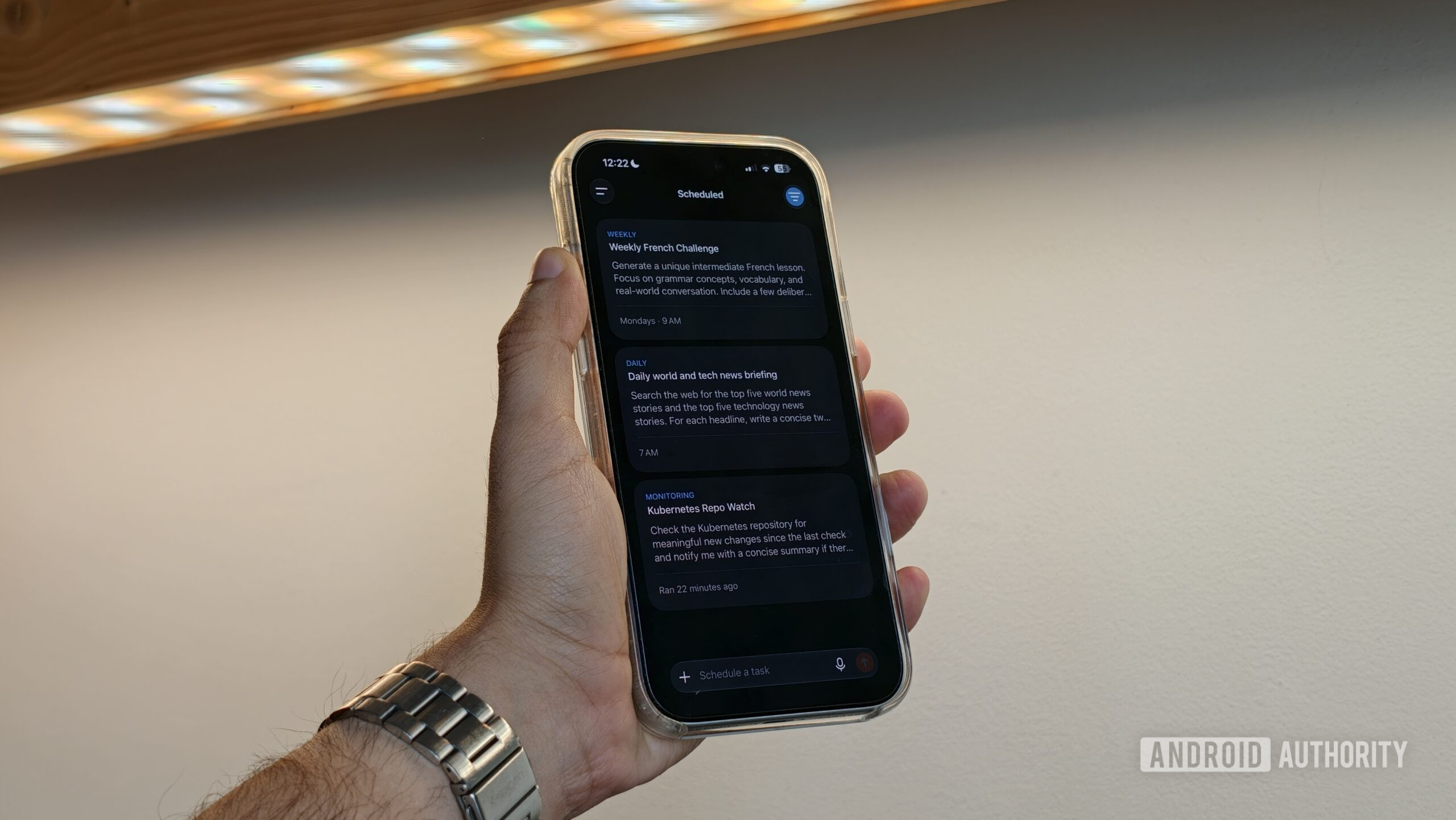
The scheduled tasks feature within Gemini has also experienced significant reliability issues, with users reporting complete failures to execute scheduled commands. Despite repeated attempts to restart or manually enable these schedules, the functionality has remained broken for some users over extended periods. These glitches suggest that Gemini, while feature-rich, may still be in a developmental phase requiring further refinement and bug fixing to achieve the reliability expected of a production-ready AI assistant.
In contrast, ChatGPT has cultivated a reputation for robust and consistent performance over several years. This long-standing track record of dependability makes it challenging for Gemini to overcome user hesitancy when faced with such operational inconsistencies. The expectation is that a mature AI product should perform reliably, and Gemini’s current performance in these areas falls short of that benchmark, prompting users to maintain their existing subscriptions to more established platforms.
The Unquantifiable Value of Conversational History
Beyond technical performance, the established conversational history with an AI chatbot plays a crucial role in user retention and loyalty. For users who have extensively utilized ChatGPT for an extended period, the platform holds a wealth of personal context, insights, and intentionally shared information accumulated over hundreds, if not thousands, of interactions. This deep reservoir of personal history is not merely a collection of past queries but represents a personalized knowledge base that significantly enhances the AI’s ability to provide relevant and context-aware responses.
Gemini, despite its advanced "Personal Intelligence" capabilities facilitated by the broader Google ecosystem, has not yet managed to replicate this depth of personalized context for its users. While Google has introduced tools to import chat histories and personal data from other AI chatbots, the perceived reliability issues with Gemini have deterred many from undertaking a complete migration. The risk of losing valuable historical data or encountering new performance problems often outweighs the potential benefits of switching, especially when the existing tool, ChatGPT, performs adequately.
The author’s personal experience illustrates this point: the instinctive use of ChatGPT for AI-related queries, driven by its embedded history and familiarity, highlights a behavioral pattern that Gemini must actively disrupt. This ingrained user habit underscores the significant challenge Gemini faces in convincing users to abandon a deeply integrated and personalized AI companion for a newer, albeit feature-rich, alternative that has yet to build that same level of trust and historical depth.
Image Generation: A Gap in Creative Output
While Gemini, particularly with its "Nano Banana" capabilities, has shown promise in image generation and editing, its output quality often lags behind that of ChatGPT’s latest offerings. Users have noted discrepancies in color accuracy, even when specific hex codes are provided, and a tendency for images to appear either overly dull or excessively bright after simple editing tasks. This inconsistency in visual output can be particularly frustrating for users who rely on AI for creative projects or professional design work.
ChatGPT’s recently released image generation models have demonstrated a superior ability to adhere to user instructions and maintain color consistency throughout iterative editing processes. Although Gemini might offer faster image generation speeds, the visibly superior and more consistent output from ChatGPT often justifies the additional waiting time. This qualitative difference in creative output is a significant factor for users prioritizing aesthetic quality and precise execution in their AI-generated visuals.

The implications for creative industries and digital content creation are substantial. As AI tools become integral to workflows, the accuracy and aesthetic appeal of generated images directly impact productivity and the final product. Gemini’s current limitations in this domain position ChatGPT as a more reliable partner for visual content creation, potentially influencing adoption rates among artists, designers, and marketers.
The Irony of Web Search Inadequacy
Given Google’s long-standing dominance in web search, it is somewhat ironic that Gemini, a Google product, has not yet established itself as the premier AI tool for real-time web information retrieval. Users often turn to AI chatbots for morning news digests, summaries of industry trends, and quick overviews of specific topics. In this capacity, Gemini has been observed to miss crucial details or overlook significant information that ChatGPT consistently captures.
The author’s daily workflow, which involves tasking both AI models with summarizing tech news from specific websites, reveals a persistent gap in Gemini’s ability to comprehensively gather and present information. Despite explicit prompts for detailed summaries, including minor technological updates, Gemini frequently falls short, omitting key data points that ChatGPT reliably identifies. This deficiency is particularly noteworthy for a product developed by the company that essentially built the modern internet search engine.
The effectiveness of an AI chatbot in real-time web search has broad implications for research, content curation, and staying informed. Gemini’s shortcomings in this area limit its utility for users who depend on up-to-the-minute information. The seamless integration of search capabilities within a conversational AI is a critical feature, and Gemini’s current performance suggests a need for further development in its ability to effectively parse and synthesize the vast amount of information available online.

Ecosystem Lock-in: A Double-Edged Sword
Gemini’s integration within the Google ecosystem offers significant advantages for users already invested in Google’s suite of services, including Gmail, Docs, and Keep. Its ability to assist with productivity tasks and even plan travel through Google Flights and Hotels demonstrates its potential as a cohesive personal assistant. Furthermore, Google’s development of its own video generation and editing tools indicates a comprehensive approach to AI-powered content creation.
However, this deep integration also creates a form of ecosystem lock-in, limiting Gemini’s interoperability with non-Google applications. This is a stark contrast to ChatGPT, which has successfully forged connections with a wide array of third-party services. ChatGPT’s ability to interact with platforms like Spotify, Apple Music, Expedia, Skyscanner, DoorDash, and Uber provides users with a more versatile and integrated experience, catering to a broader range of daily needs and preferences.
The author’s particular appreciation for ChatGPT’s integration with Canva, a popular image editing tool, exemplifies the value of cross-platform compatibility. The ability to prompt ChatGPT to generate and edit content directly within a familiar creative environment streamlines workflows and enhances user efficiency. This openness and extensibility are key differentiators that Gemini has yet to fully match.
The implications of this ecosystem strategy are significant for user adoption. While Gemini may appeal to dedicated Google users, its limited interoperability might hinder its appeal to a wider audience that relies on a diverse set of digital tools. The ability of an AI to seamlessly integrate with and enhance the functionality of various applications, rather than being confined to a single vendor’s ecosystem, is increasingly becoming a critical factor in user choice.
The Path Forward: Building Trust and Habit
The analysis of Gemini’s current standing against ChatGPT reveals a landscape where technological advancement must be coupled with consistent performance and user trust. While Gemini possesses innovative features and the backing of a tech giant, it faces the challenge of overcoming established user habits and proving its reliability. The author’s concluding observation that ChatGPT is an "instinctive" choice, with chatgpt.com being the automatic destination for AI-related queries, underscores the deep entrenchment of OpenAI’s platform in user behavior.
For Gemini to achieve broader adoption and potentially surpass its competitors, it must address its current performance shortcomings. This includes enhancing its ability to follow complex instructions, ensuring the consistent functionality of its features, improving the quality and reliability of its image generation, and demonstrating a more robust capability in real-time web search. Furthermore, expanding its interoperability with a wider range of third-party applications will be crucial in appealing to a diverse user base.
The AI market is dynamic, with continuous innovation from all major players. Google’s commitment to developing Gemini suggests a long-term strategy, and the rapid pace of its advancements is undeniable. However, building user trust and shifting ingrained habits is a gradual process. Gemini’s future success will depend not only on its technological prowess but also on its ability to consistently deliver a reliable, high-quality user experience that can rival, and ultimately surpass, the established dominance of its closest competitors. The ongoing competition between these AI giants promises to shape the future of digital interaction and productivity for years to come.