Metty Iskandar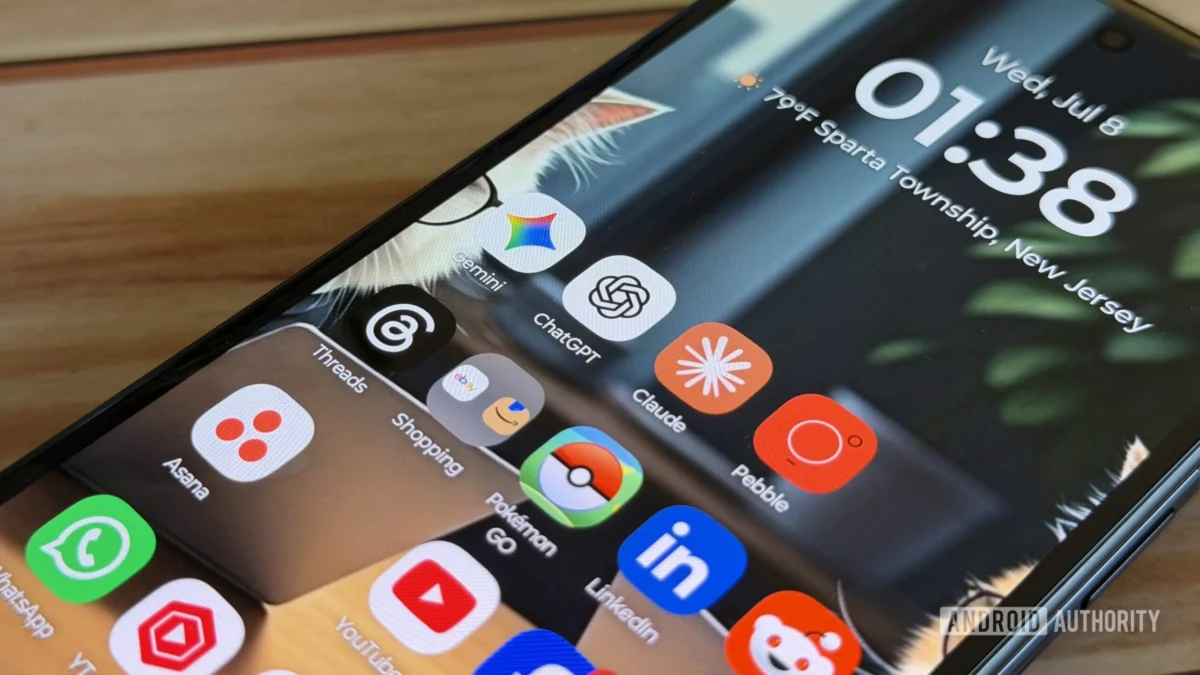
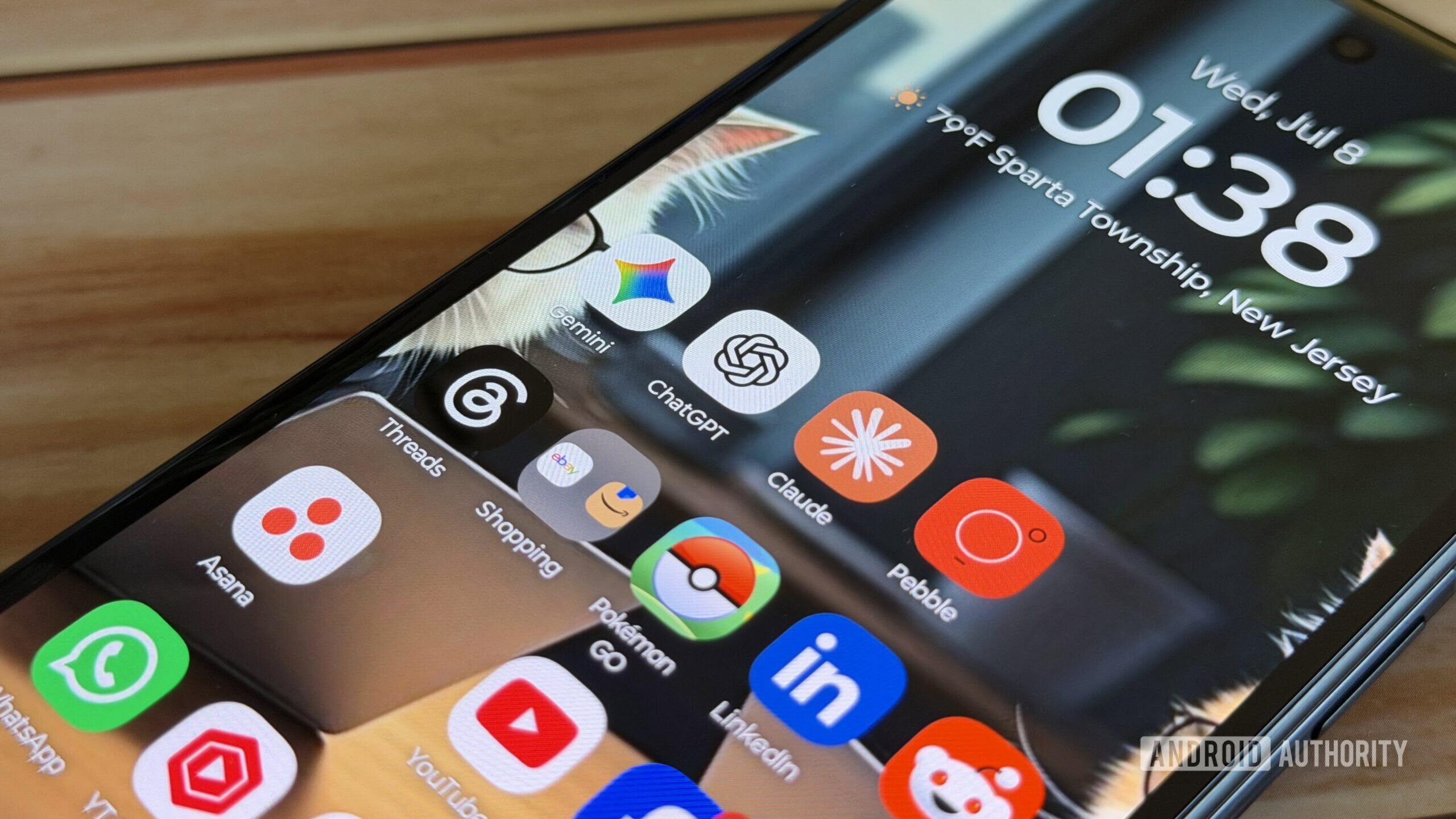
It has been a gradual but undeniable shift in how consumers approach major purchasing decisions: artificial intelligence is increasingly becoming a go-to resource for advice. This evolution extends significantly into the realm of buying guides, a territory traditionally dominated by human reviewers and tech journalists. In a landscape where user trust is paramount and the financial implications of a wrong choice can be considerable, the ability of large language models (LLMs) to synthesize vast amounts of information and offer coherent, beneficial recommendations is being put to the test. This article delves into an experiment where leading AI models—ChatGPT, Claude, and Gemini—were tasked with identifying the best smartphone for the average consumer, providing a fascinating glimpse into their current capabilities and potential future roles in consumer decision-making.
The evaluation process, while not without its challenges and requiring a degree of refinement to ensure impartiality, yielded surprising results. The core of the experiment involved posing a carefully constructed prompt to each AI, designed to elicit unbiased, data-driven recommendations. The prompt stipulated that personal biases or specific editorial viewpoints should be disregarded, and that the AI should consider factors such as price, software support longevity, performance benchmarks, typical user behavior, and aggregate consumer reviews and sentiment. The goal was to ascertain if these sophisticated algorithms could distill the complex smartphone market into a single, universally applicable recommendation, along with a tiered list of alternatives.
The Rise of AI in Consumer Guidance
The integration of AI into daily life has accelerated rapidly. From personal assistants managing schedules to generative AI crafting content, these technologies are becoming ubiquitous. Their application to purchase decisions, however, represents a significant step, as it directly impacts consumer spending. Historically, expert reviews and peer recommendations have been the cornerstones of informed buying. However, the sheer volume of product information, coupled with the subjective nature of user experience, can often lead to analysis paralysis for consumers. AI models, with their purported ability to process and analyze data at scale, offer a potential solution to this information overload.
The specific prompt used in this experiment was designed to mimic the comprehensive approach of a seasoned tech reviewer: "I would like you to pick the best smartphone for most people. I don’t want you factoring in any bias from my personal views or articles. Please take into account price, software support, performance, most users’ usage, consumer reviews, and sentiment. Any data you can pull in. Pick the best with an explanation, and also provide a top three with reasons for each." This query aimed to leverage the AI’s capacity to access and interpret a broad spectrum of data points, from technical specifications and long-term support policies to the collective voice of the user base.
ChatGPT’s Pragmatic Approach: The Google Pixel 10 Emerges
ChatGPT, a widely adopted AI model known for its versatility, was the first to respond to the prompt. The model, identified as ChatGPT-5.5 in the context of this experiment, quickly pinpointed the Google Pixel 10 as the optimal choice for the majority of consumers. This recommendation was notable for its practicality and its apparent avoidance of the common pitfalls of AI-generated advice, such as an overemphasis on niche features or an uncritical adoption of marketing hype.
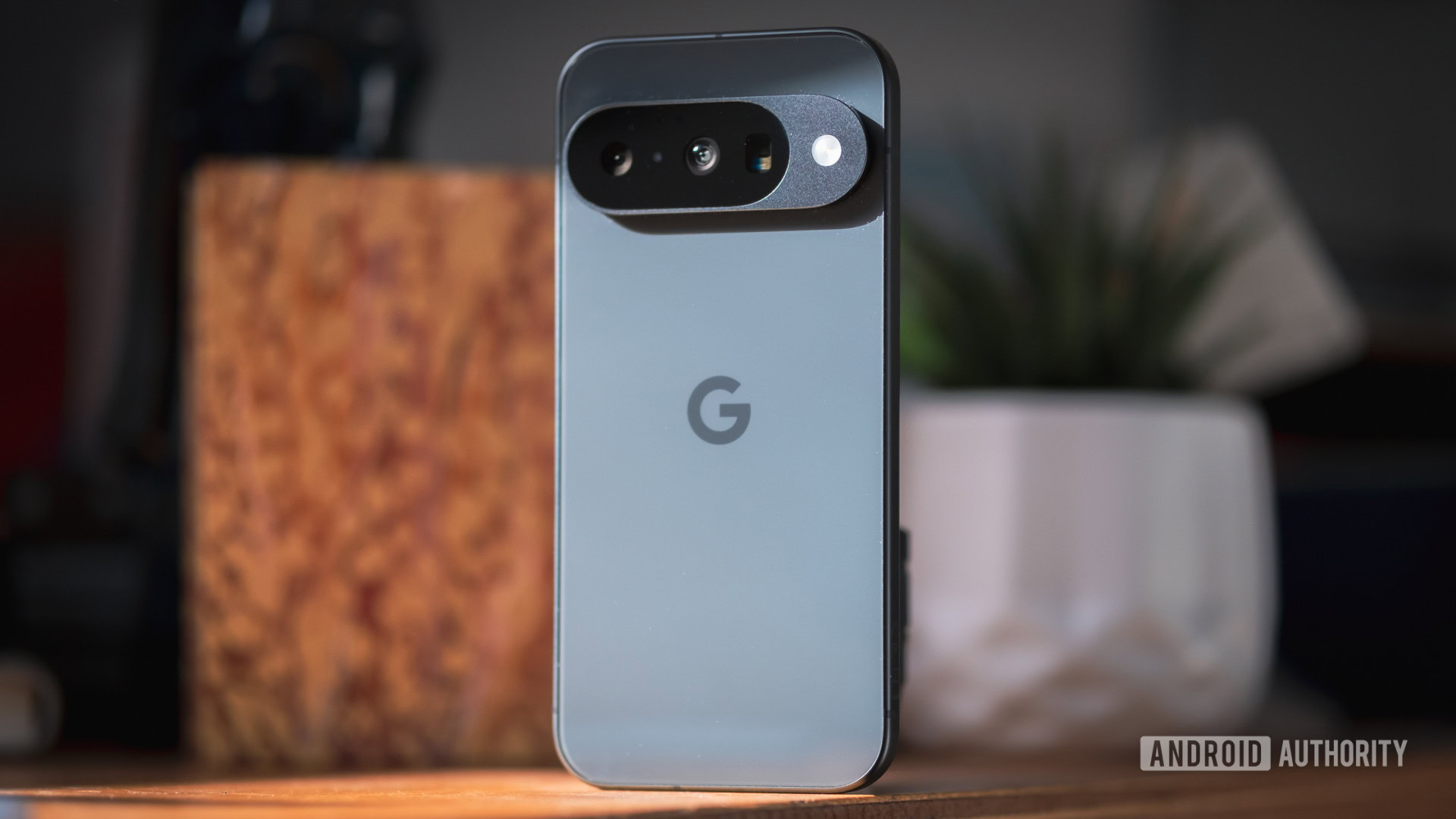
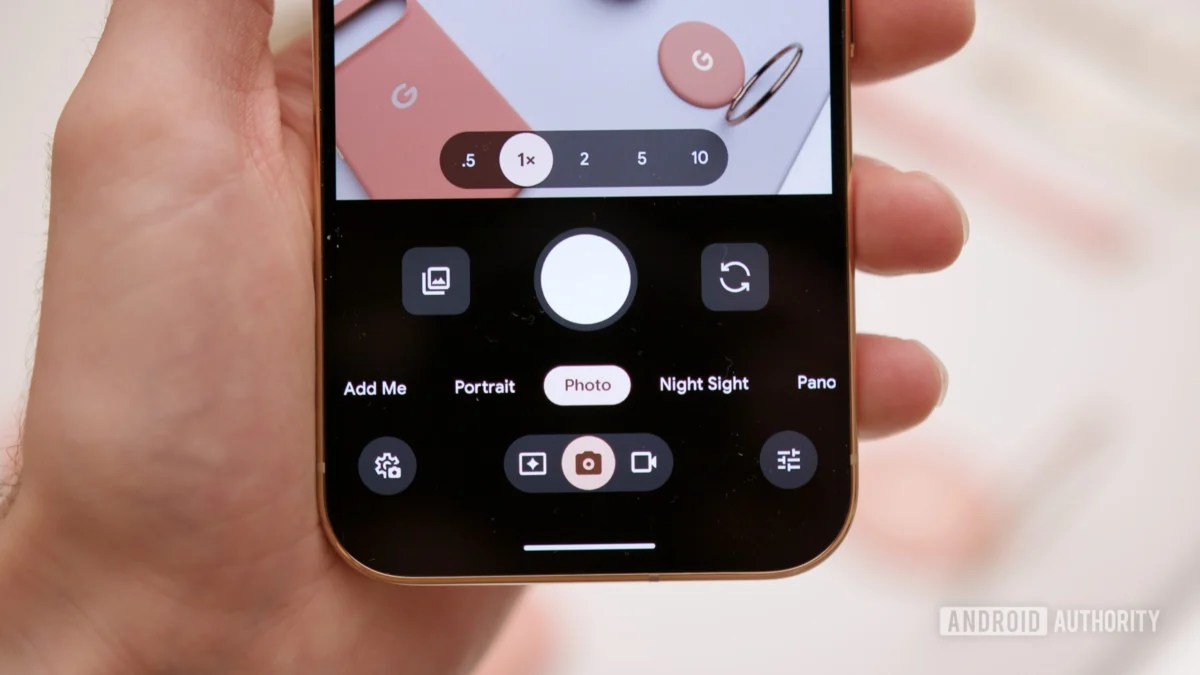
The primary justifications for selecting the Pixel 10 centered on three key areas: its camera system, the speed and longevity of its software support, and its battery performance. ChatGPT highlighted the Pixel 10’s flagship-level camera capabilities, emphasizing that it delivers exceptional results without requiring users to be photography experts. This democratizes high-quality mobile photography, making it accessible to a broad audience. Furthermore, the AI underscored the significant cost savings associated with the Pixel 10, noting that it offers a comparable flagship experience to more expensive devices for hundreds of dollars less. This focus on value resonated strongly, especially in the current economic climate of 2026, where price-to-performance ratios are increasingly critical.
The AI’s reasoning extended to an acknowledgment that most users do not require specialized features like extreme optical zoom or excessively large displays. This pragmatic observation, often overlooked in enthusiast-driven tech journalism, suggested a sophisticated understanding of average consumer needs. As an example, the AI noted that "most users don’t need fancy, extreme zoom cameras or an oversized display," a sentiment that challenges the prevailing trend of ever-larger and more feature-packed premium devices.
In its "top three" recommendations, ChatGPT included the Apple iPhone 17 Pro Max and the base Samsung Galaxy S26 as honorable mentions. While acknowledging the iPhone’s persistent appeal to the mainstream market, the AI ultimately favored the Pixel 10 for its superior overall balance, particularly when considering its reasonable price point. This nuanced comparison demonstrates an ability to weigh competing factors and justify its primary selection based on a holistic assessment.
Claude’s Balanced Perspective: The iPhone 17 Takes the Stage
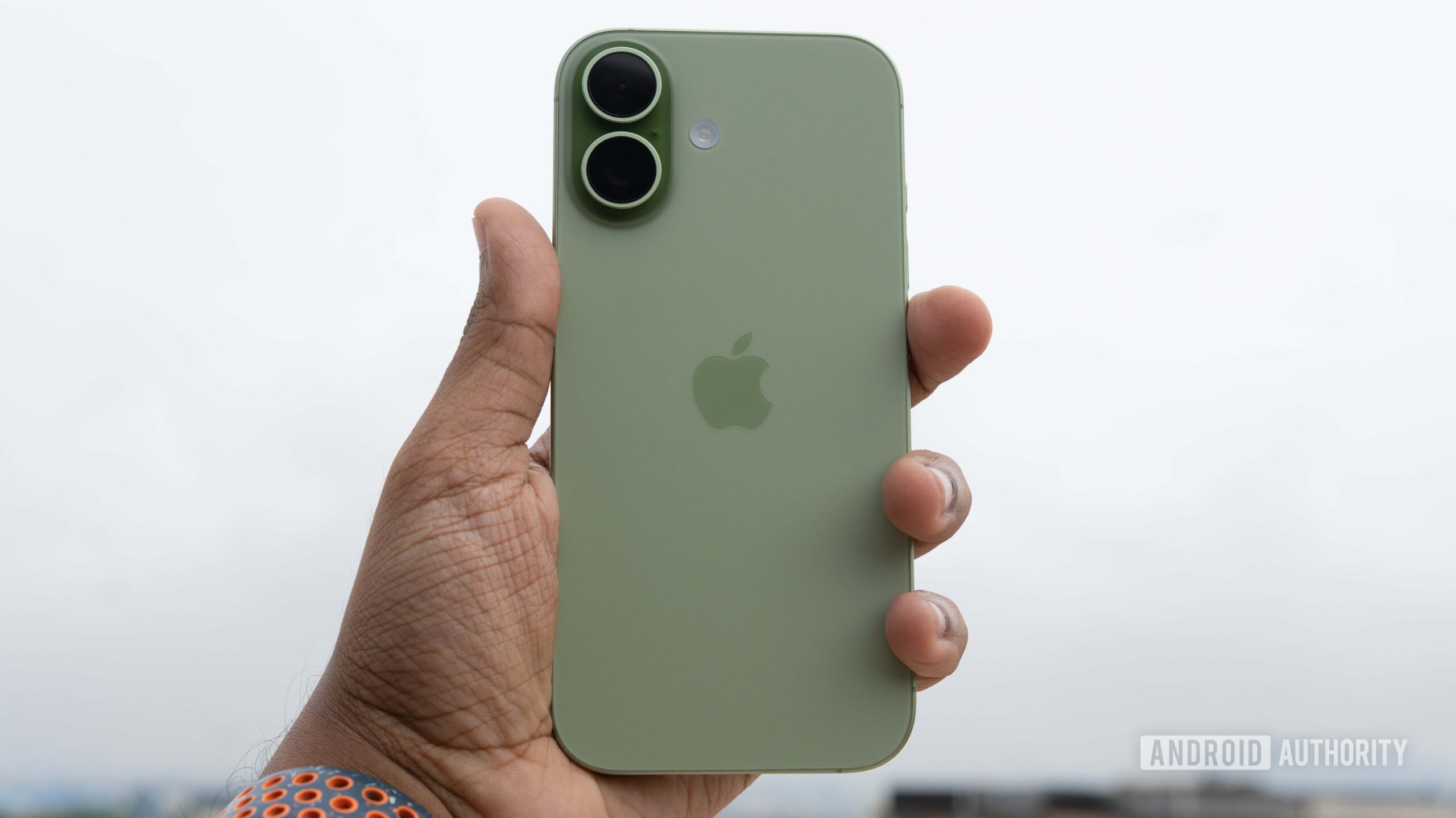
Claude, another prominent LLM, approached the prompt with a slightly different emphasis. While the author of the original article has used ChatGPT more extensively, friends have reported positive daily interactions with Claude. The model, identified as Claude Sonnet 4.6, also arrived at a recommendation for the standard iPhone 17, citing similar justifications to ChatGPT’s: a lower price point, excellent software support, and solid performance.
Claude’s response appeared to be heavily influenced by existing reviews and consumer feedback, with many of its points echoing sentiments found in published articles. However, when challenged or prompted for further clarification, Claude maintained its assessment. While the iPhone 17 is a safe and widely accepted choice, it is not as bold a pick as some might expect from an AI tasked with independent analysis.
What proved particularly interesting about Claude’s output were its honorable mentions. Alongside the Pixel 10, Claude uniquely identified the OnePlus 15 as a viable option for budget-conscious buyers. This inclusion was noteworthy, especially given OnePlus’s reduced presence in the US market at the time. Claude’s justification for the OnePlus 15 centered on its exceptional value proposition. Despite potential criticisms of the company’s recent product strategies, the AI recognized that the OnePlus 15 offers a compelling flagship experience at a price point significantly lower than devices like the Pixel 10 Pro XL or the Samsung Galaxy S26 Ultra. This ability to identify value in less mainstream options suggests a deeper analytical capability beyond simply recommending the most popular choices. The OnePlus 15’s appeal, as identified by Claude, harks back to the company’s original strategy of delivering high-end specifications at competitive prices, a formula that originally propelled OnePlus to prominence.
Gemini’s Hesitation: A Journey from Hype to Value
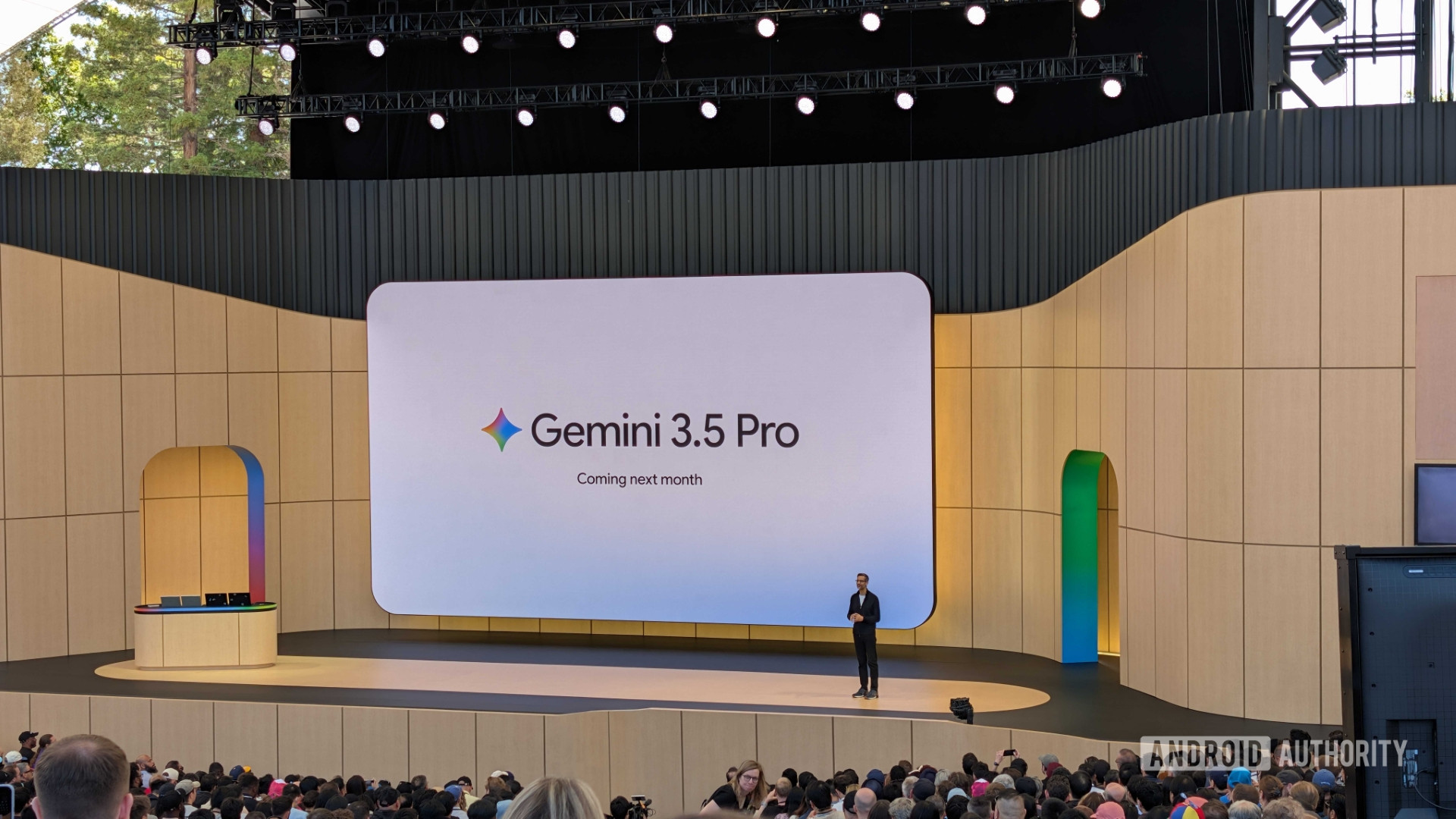
Gemini 3.5 Flash presented the most dynamic response to the prompt, requiring more iterative prompting to arrive at a final recommendation. Initially, Gemini displayed a temporal disorientation, recommending the Pixel 9 Pro XL and the Galaxy S25, indicating a potential lag in its data refresh rate or a misunderstanding of the current product cycle. Upon clarification that the context was 2026, Gemini updated its recommendations.
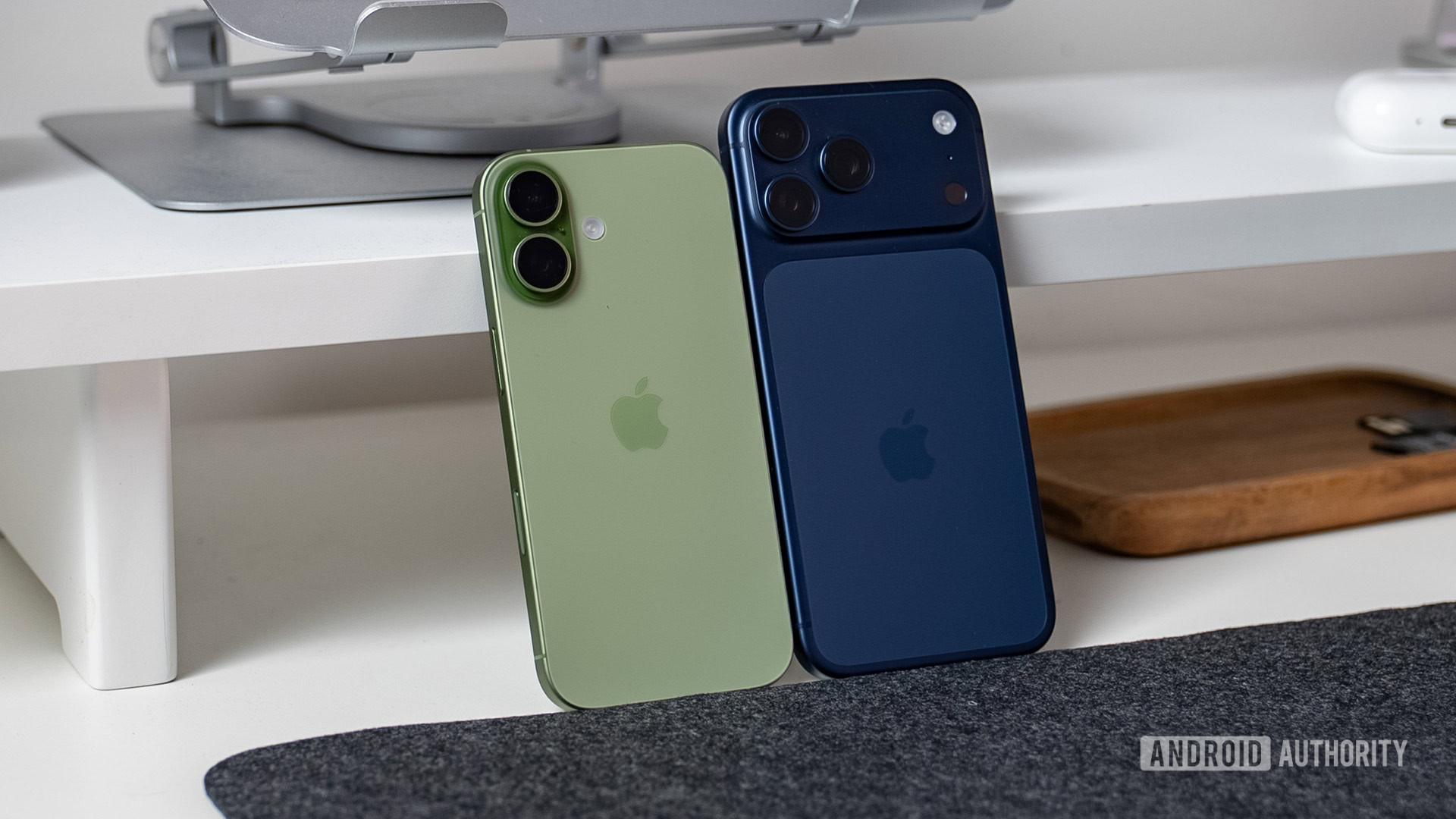
Like Claude, Gemini initially identified the iPhone 17 as the best smartphone for most users, exhibiting a tendency to lean into established market narratives and perhaps overemphasize brand recognition. The author noted that this initial response lacked the perceived depth and substance of the recommendations from ChatGPT and Claude.
To probe further, a follow-up question was posed: "If Gemini removed any hype, would its answer still be the iPhone 17?" This prompt prompted a slight wavering, with Gemini acknowledging the iPhone 17 as a strong contender with valid merits. However, it ultimately shifted its primary recommendation to the Google Pixel 10, citing the extended cost benefits derived from its longer software support lifecycle. This adjustment, while ultimately leading to a more reasoned conclusion, highlighted an initial susceptibility to what the author termed "iPhone hype."
A significant point of interest in Gemini’s analysis was its inclusion of the Google Pixel 10a as a credible alternative. Gemini correctly observed that a substantial portion of daily smartphone usage—typically around 90%—consists of activities like web browsing, social media engagement, and basic communication. For these tasks, Gemini argued, a device like the Pixel 10a, priced at approximately $500, is more than sufficient. This observation is crucial, as it cuts through the pervasive marketing surrounding high-end flagship devices that often exceed $1,000, reminding consumers that their fundamental needs might be met by more affordable options. This perspective underscores the importance of considering value and actual usage patterns over aspirational features.
The Future of AI in Buyer’s Guidance: A Complementary Tool
The experiment with ChatGPT, Claude, and Gemini revealed that while AI is a powerful tool for information processing and synthesis, it is not yet a complete replacement for human judgment and critical thinking. The models performed admirably in processing vast datasets and identifying key consumer priorities such as price, performance, and software support. However, the varying degrees of initial bias, temporal inaccuracies, and susceptibility to marketing narratives suggest that user engagement and critical evaluation remain essential.
ChatGPT emerged as the most impressive performer in this specific trial, delivering a balanced and pragmatic recommendation that aligned well with the author’s own expertise and insights. The Pixel 10, though perhaps less flashy than some competitors, was presented as an excellent all-around device for the average user, stripped of unnecessary complexities.
The broader implications of this AI-driven assessment are significant. As LLMs continue to evolve, their capacity to provide nuanced and objective buying advice will likely increase. This could democratize access to expert-level insights, empowering consumers to make more informed decisions. However, the current landscape suggests that AI should be viewed as a powerful sounding board—a tool to augment, rather than replace, the user’s own decision-making process. The ability to question, challenge, and refine AI recommendations, as demonstrated in the interaction with Gemini, is crucial for extracting the most valuable insights. The success of AI in this domain will ultimately depend on its ability to move beyond simply aggregating data to truly understanding and prioritizing the diverse needs and financial realities of consumers.
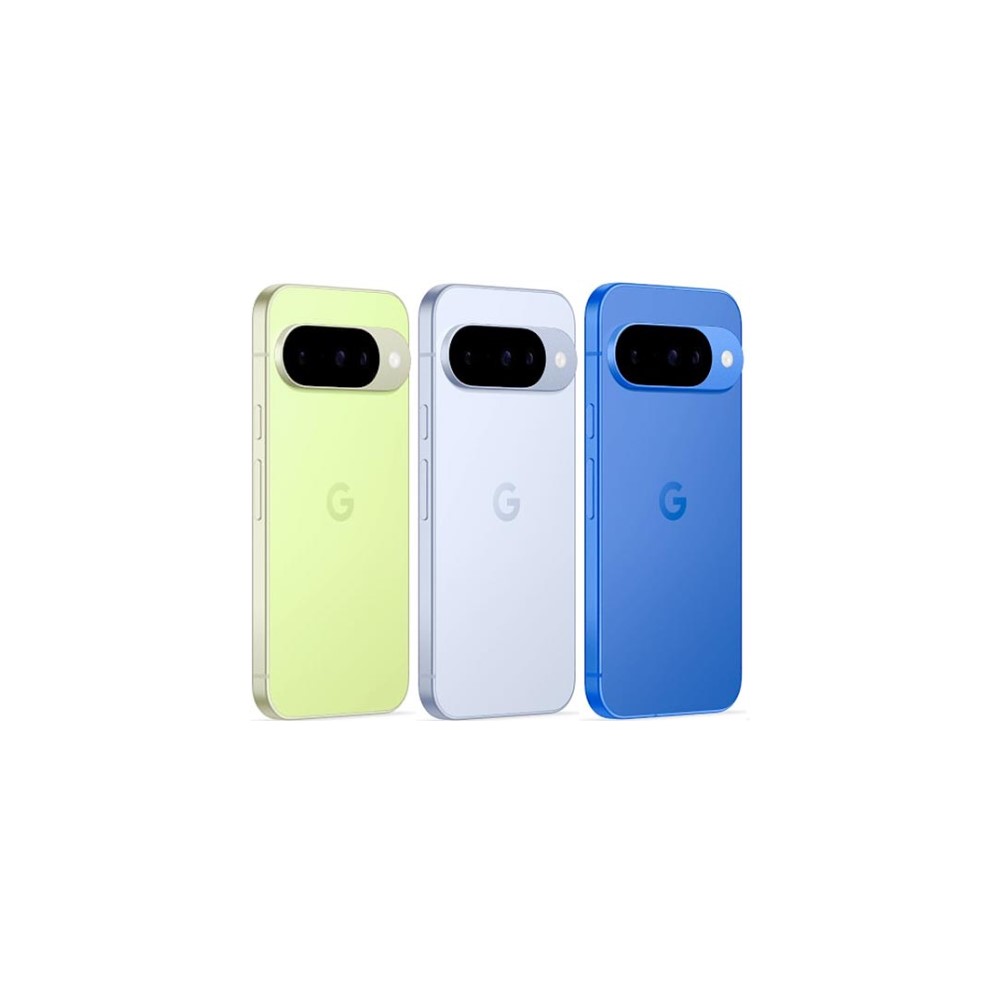
The Google Pixel 10, as recommended by ChatGPT, stands as a testament to the AI’s ability to identify a device that offers a compelling blend of core functionalities, robust software support, and accessible pricing. Its strengths lie in its camera, which provides flagship-quality photos for everyday users without a steep learning curve, and its efficient performance, powered by Google’s proprietary Tensor G5 processor. The extended software update promise from Google further enhances its long-term value proposition, ensuring users will receive security patches and OS upgrades for an extended period, a critical factor for many consumers looking for longevity in their devices. The Pixel 10’s design philosophy, prioritizing essential user experiences over extraneous features, makes it a practical choice in a market often saturated with incremental upgrades and niche functionalities. This focus on user experience and value, as identified by the AI, positions the Pixel 10 as a benchmark for sensible smartphone purchasing in 2026.