Metty Iskandar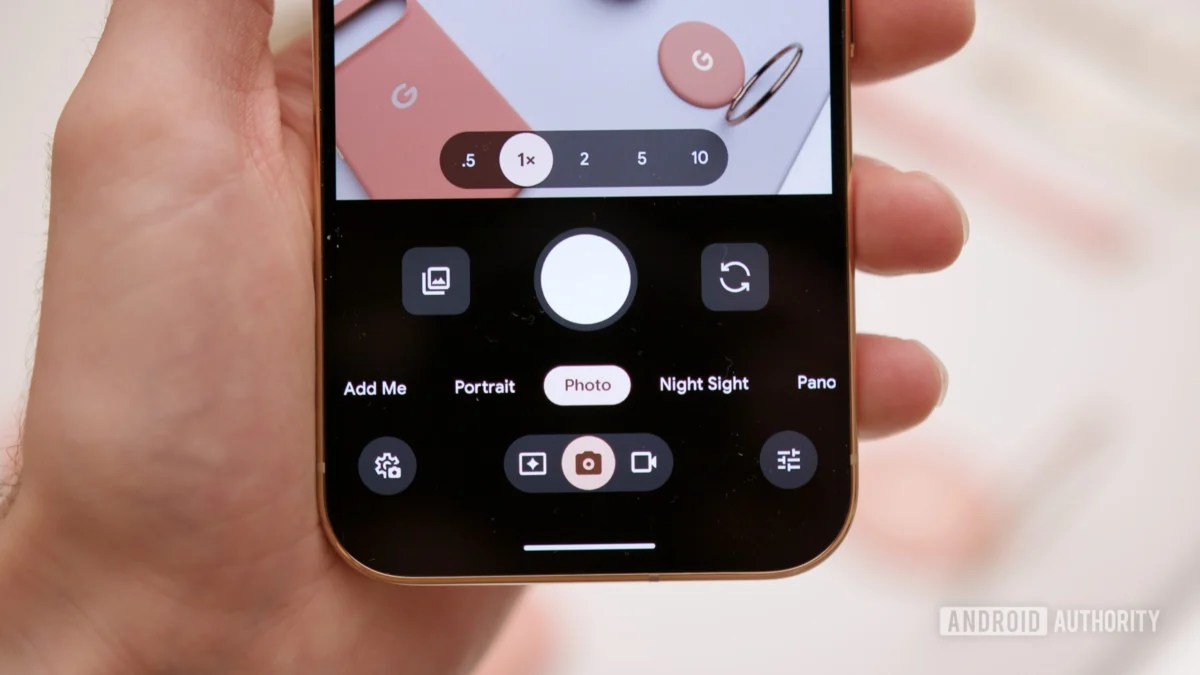
The burgeoning smartphone market continues to be dominated by two major operating systems: Google’s Android and Apple’s iOS. While both platforms offer robust ecosystems and a vast array of devices, the user experience and underlying philosophies can diverge significantly. This article undertakes a detailed comparison between two hypothetical flagship devices, the Google Pixel 11 and the Apple iPhone 17, drawing insights from a user’s extended experience with both platforms. The analysis aims to provide a comprehensive overview of key differentiators that might influence consumer choice, moving beyond superficial specifications to examine practical, everyday usability.
The Evolution of Flagship Smartphones: A Brief Context
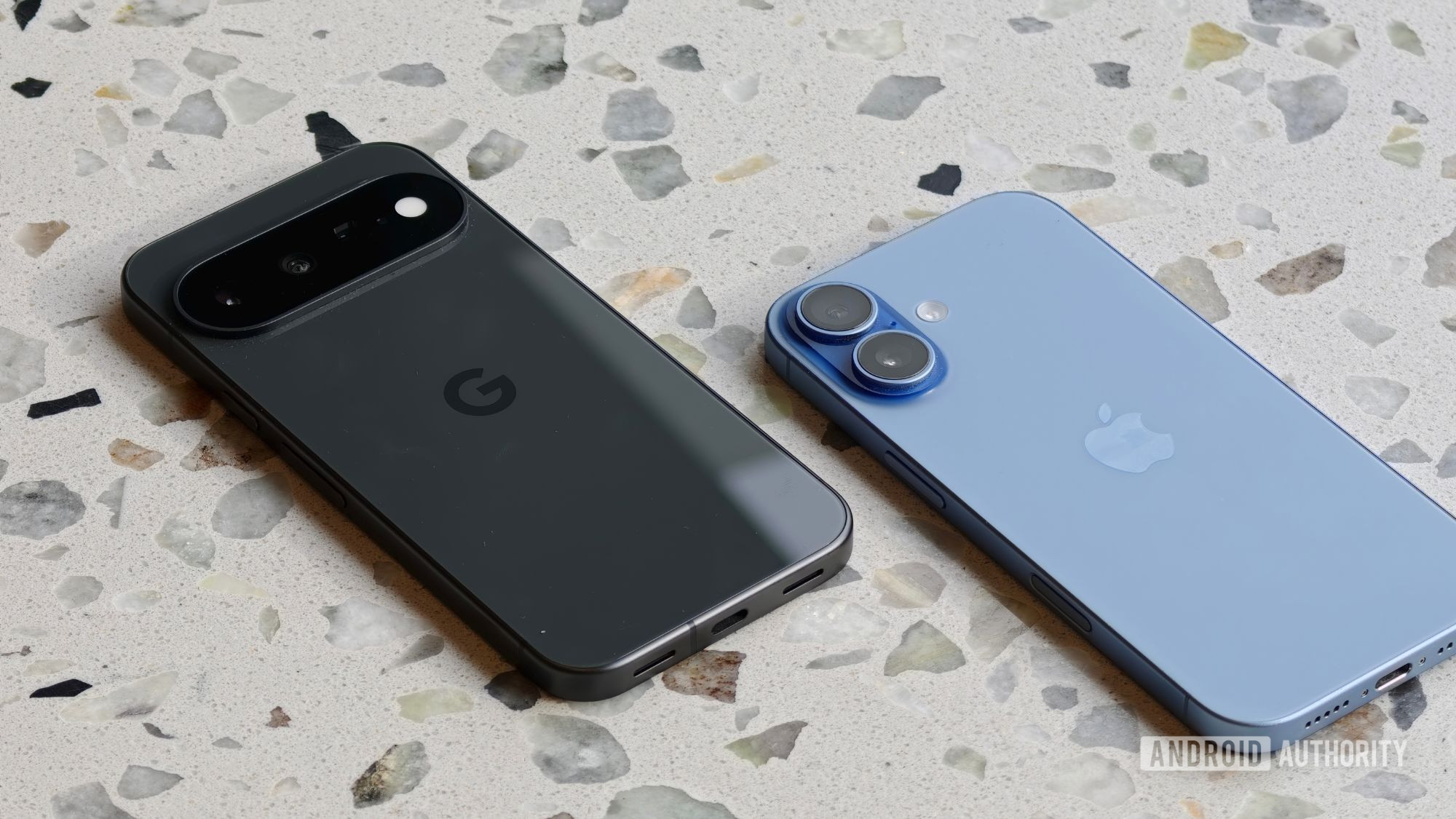
The landscape of premium smartphones has evolved dramatically over the past decade. Both Google and Apple have refined their flagship offerings, pushing boundaries in camera technology, artificial intelligence integration, and overall user interface design. The Pixel line, known for its computational photography and clean Android experience, has consistently aimed to challenge Apple’s tightly integrated iOS ecosystem. The iPhone, conversely, has maintained its reputation for seamless user experience, robust security, and strong hardware-software synergy. The hypothetical Pixel 11 and iPhone 17 represent potential future iterations of these established strategies, building upon their respective legacies.
Camera Capabilities: The Telephoto Advantage of the Pixel 11
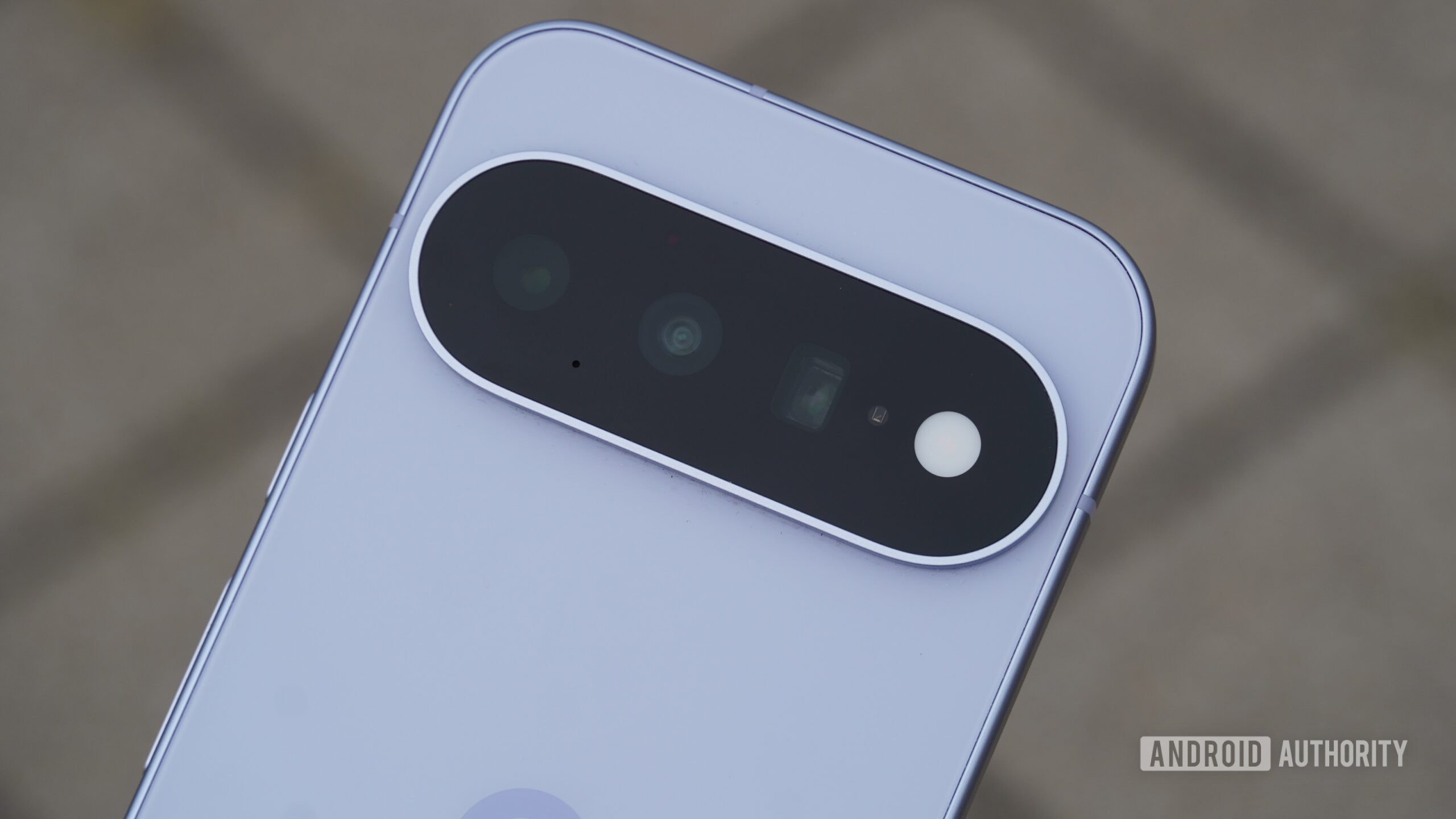
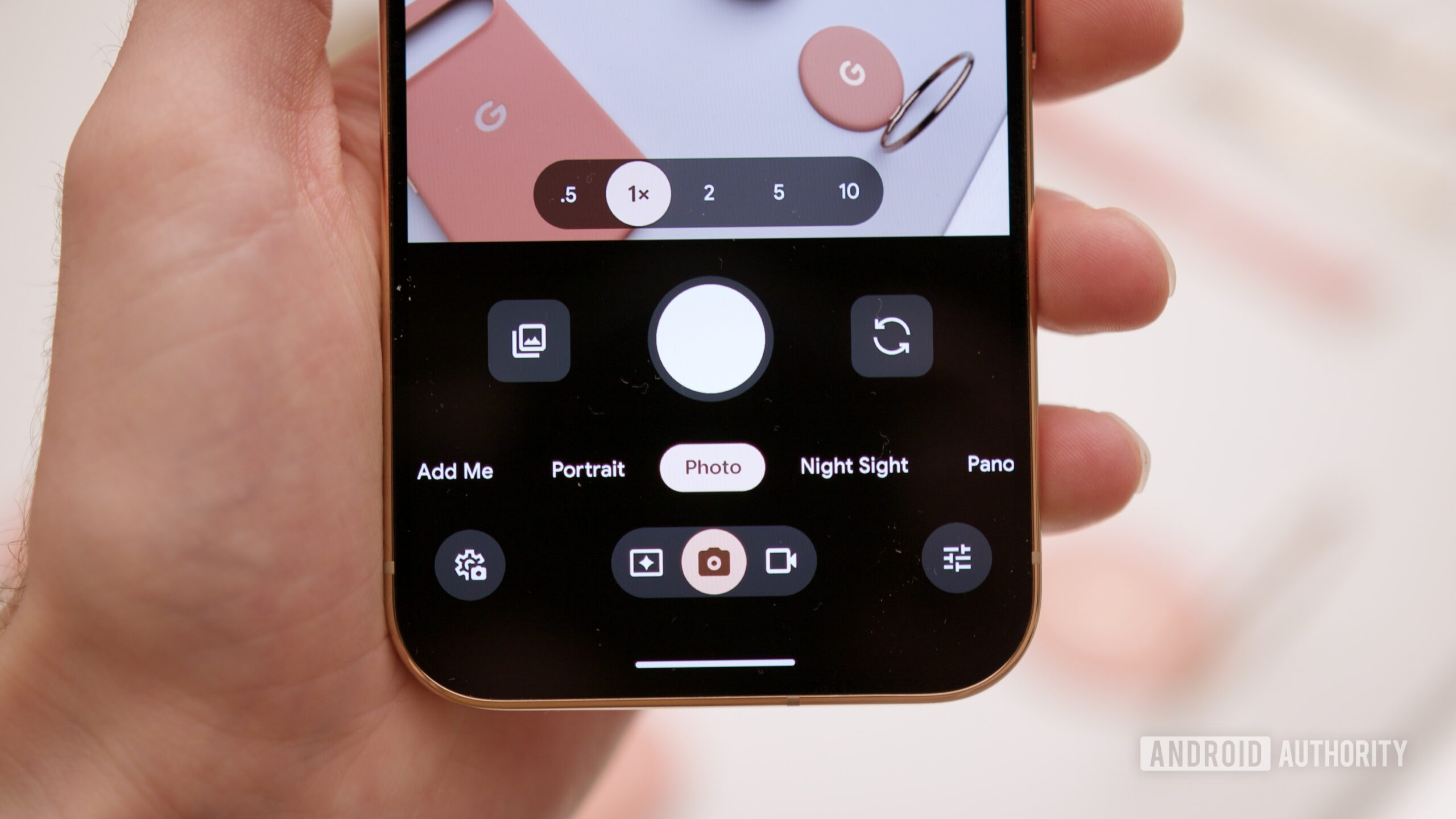
One of the most pronounced distinctions highlighted by users who have experience with both the hypothetical Pixel 11 and iPhone 17 lies in their camera systems, specifically the inclusion of a dedicated telephoto lens on the Pixel 11. The Pixel 11 is equipped with a 10.8MP telephoto sensor offering 5x optical zoom. This hardware capability provides a significant advantage in capturing distant subjects with greater detail and clarity compared to digital zoom solutions. In contrast, the iPhone 17, as described in the user’s experience, lacks a dedicated telephoto lens, relying on digital zoom or other computational methods for magnification.
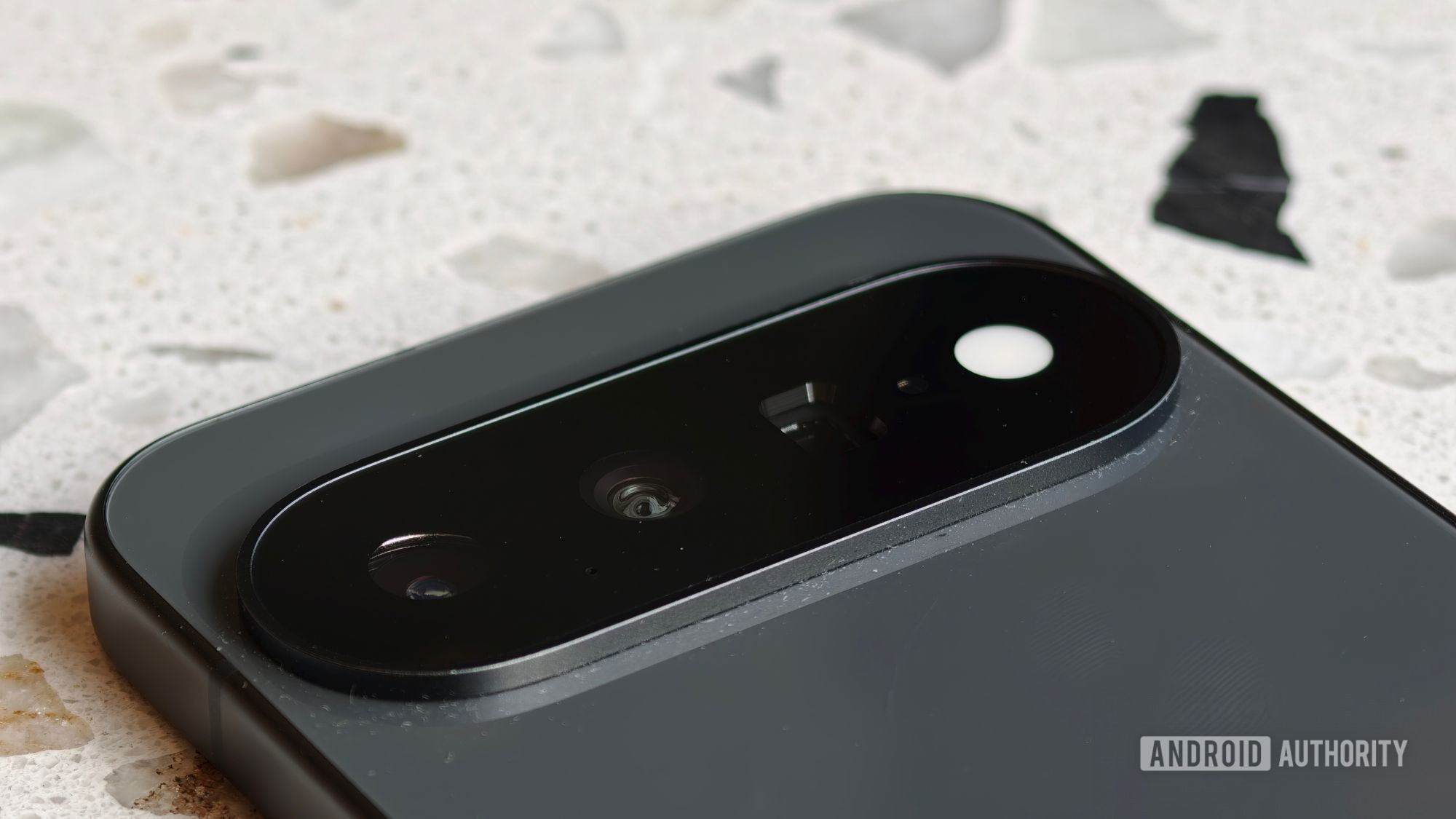
The practical implications of this hardware difference are substantial. Users report a marked increase in the frequency of utilizing the 5x zoom on the Pixel 11, transforming casual photography into a more versatile tool. The quality of images produced by this telephoto lens is lauded for its detail, natural color rendition, and minimal noise, even in challenging lighting conditions. This is particularly evident in portrait photography, where the Pixel 11’s ability to render fine details like hair and fur with remarkable definition contributes to aesthetically pleasing results.
Google’s general approach to color processing, characterized by a preference for natural tones rather than oversaturated hues, further enhances the Pixel 11’s photographic appeal. This means that a red object will appear as red, and greenery will retain its natural vibrancy, closely mirroring the user’s visual experience at the time of capture. While the iPhone 17’s camera system is acknowledged to produce high-quality images, the absence of optical zoom on the Pixel 11 allows for a more nuanced and flexible photographic experience, especially for users who value versatility in their mobile photography. The integration of advanced AI-powered editing tools further amplifies the Pixel 11’s camera prowess, offering features that can enhance photos post-capture.
Artificial Intelligence Integration: Gemini’s Ascendancy
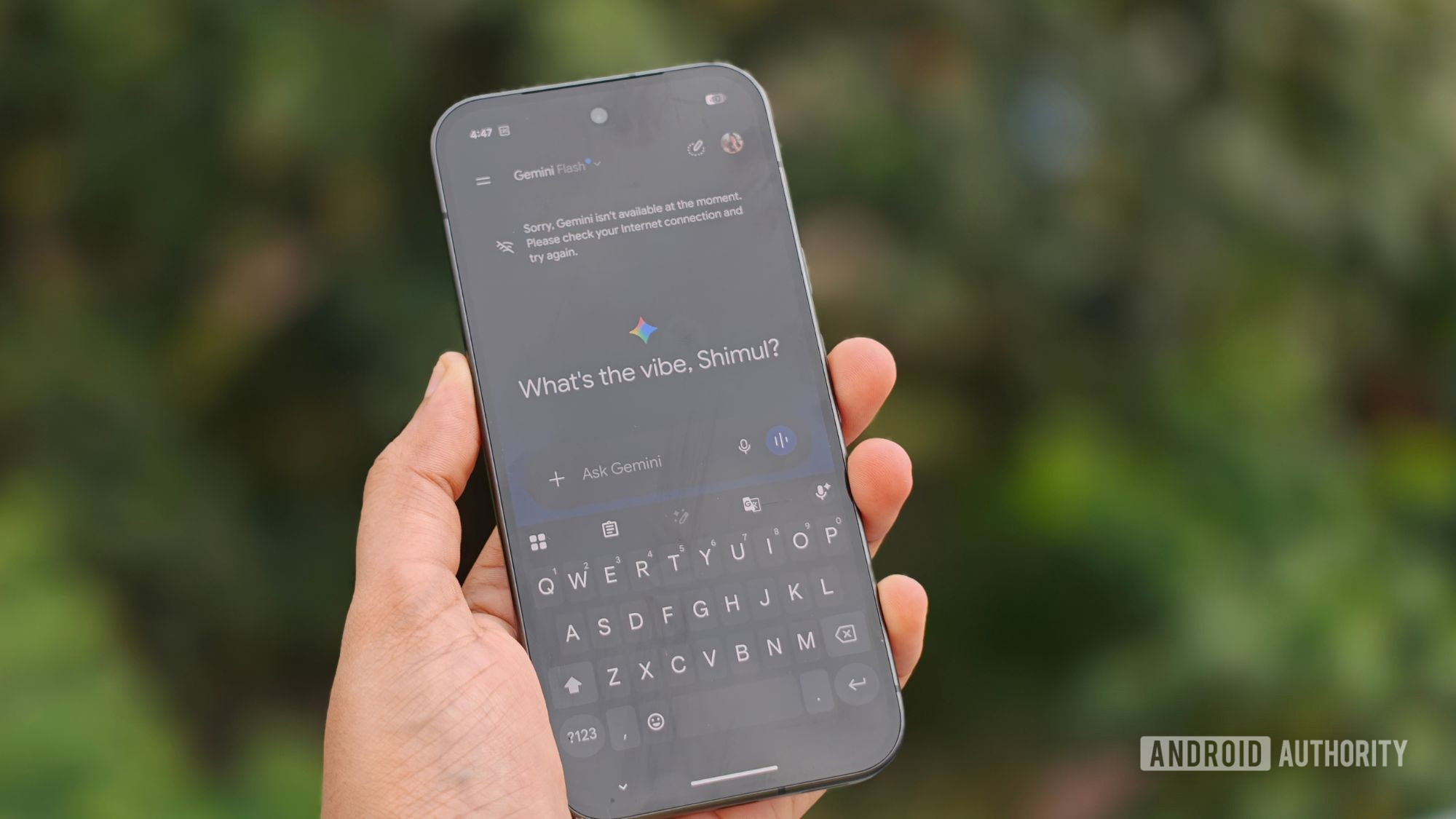
The integration of artificial intelligence (AI) into smartphones has become a defining characteristic of modern mobile technology. In the comparison between the Pixel 11 and the iPhone 17, Google’s Gemini AI assistant emerges as a key differentiator. While Apple’s Siri has served as a foundational voice assistant, its capabilities have historically been perceived as more limited, primarily focused on basic tasks like setting alarms and timers.
Gemini, on the other hand, demonstrates a broader range of functionalities and a deeper integration within the Google ecosystem. Its presence across various Google applications, including Search and Chrome, signifies a more pervasive AI experience. On Pixel devices, Gemini can function as the primary assistant, offering a more context-aware and capable interaction. The "Gemini Live" feature, which allows users to query the AI about their surroundings by simply pointing the camera, exemplifies this advanced integration. This eliminates the need for manual photo capture and description, streamlining the process of obtaining information.
The Pixel 11 further distinguishes itself with a suite of AI-driven features designed to enhance user experience. These include Camera Coach for framing assistance, Ask Photos for intuitive photo editing, and specialized tools like Add Me, Best Take, Zoom Enhance, and Magic Capture, all contributing to a more intelligent and user-friendly device. While not every AI feature may be utilized daily, their availability for specific tasks adds significant value. This approach to AI, focused on practical assistance and seamless integration, appears to resonate more strongly with users seeking tangible benefits from their smartphone’s intelligence. The continuous development and refinement of AI capabilities by Google suggest a strategic direction aimed at providing a more proactive and helpful digital companion.
Biometric Authentication: The Convenience of Fingerprint Sensors
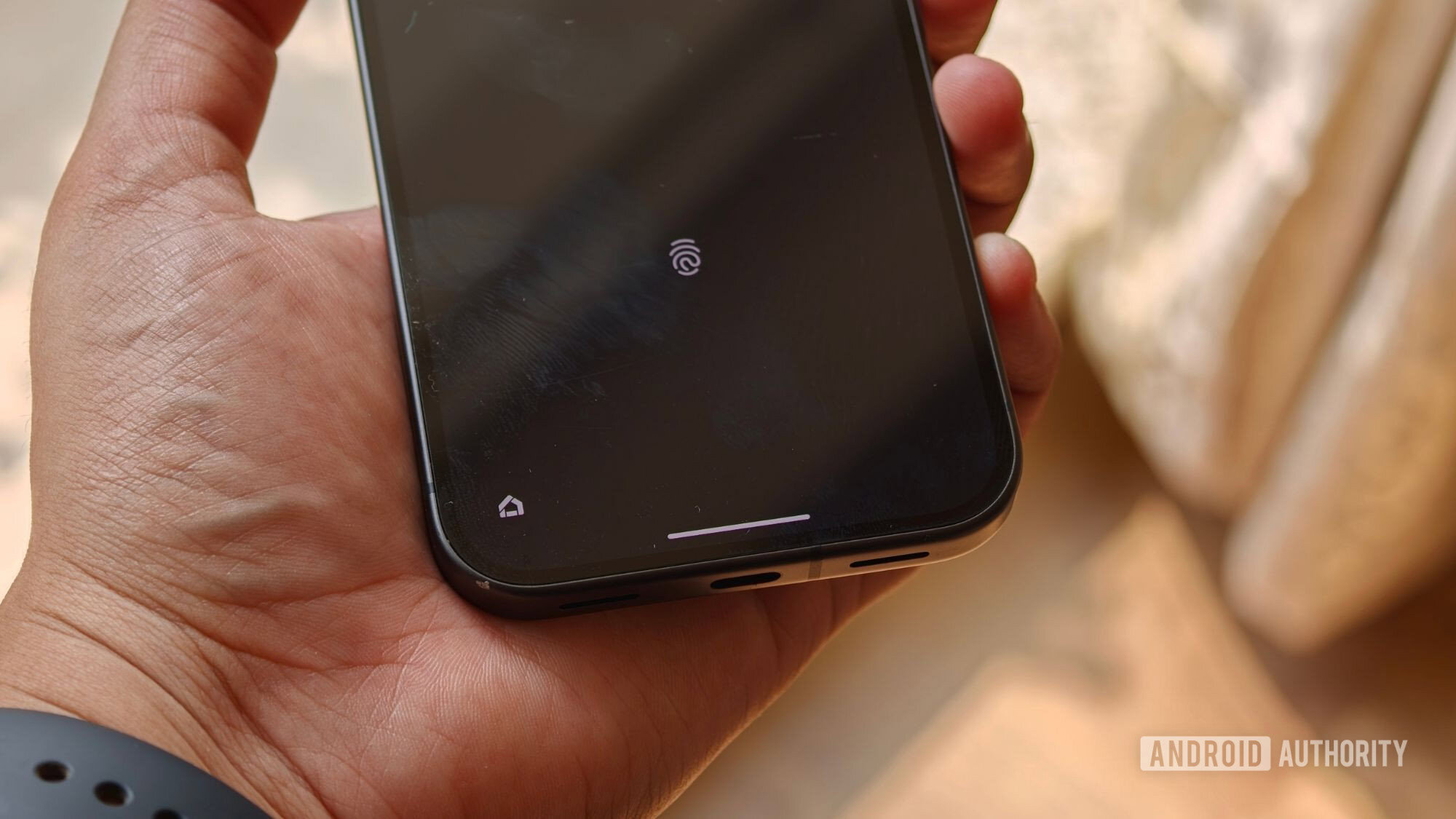
Biometric authentication methods have become standard on smartphones, with face recognition and fingerprint scanning being the most prevalent. The Pixel 11 offers both face unlock and an in-display fingerprint sensor, a combination that many users find particularly convenient. This dual-authentication approach caters to a wider range of usage scenarios. For instance, when the phone is placed on a desk, a quick tap on the screen with a registered finger allows for immediate unlocking and notification checking, without the need to lift the device or present one’s face. This is especially advantageous in situations where face unlock might be less effective, such as when wearing a mask.
The iPhone 17, in contrast, relies solely on Face ID or a passcode for authentication. While Face ID is generally reliable, the absence of a physical fingerprint sensor can be a point of contention for users who have grown accustomed to its speed and convenience in specific contexts. The ability to simply touch the screen to unlock the device offers a subtle but significant ease-of-use advantage. This preference for a fingerprint sensor, while subjective, highlights how seemingly minor hardware features can contribute to an overall superior user experience for certain individuals. The integration of both systems on the Pixel 11 provides a more comprehensive and adaptable approach to device security and accessibility.
Operating System Philosophy: The Freedom of Android
The fundamental difference between the Pixel 11 (running Android) and the iPhone 17 (running iOS) lies in their underlying operating system philosophies. Android, as exemplified by the Pixel 11’s experience, offers a greater degree of user customization and freedom. This includes the ability to change default applications, employ third-party launchers to alter the home screen’s appearance and functionality, manage notifications with granular control, and tweak various system settings to personalize the device’s behavior.
This flexibility is a cornerstone of the Android experience for many users. While not all users will extensively customize their devices, the knowledge that such options are available provides a sense of ownership and control. The Pixel 11, in particular, strikes a balance by offering this freedom within a clean and intuitive Android interface. It avoids excessive bloatware or intrusive advertisements, presenting a streamlined user experience that is both powerful and accessible. This approach ensures that users can tailor their device to their specific needs and preferences without being overwhelmed by complexity.
Apple’s iOS, while praised for its simplicity and security, operates under a more closed system. This approach prioritizes consistency and ease of use across all Apple devices but offers less latitude for deep customization. The implication of this is that users who value the ability to extensively personalize their smartphone’s look and feel may find the Android ecosystem, and specifically the Pixel experience, more appealing. The extended software support offered by Google, with up to seven years of OS, security, and Pixel Drop updates, further enhances the long-term value proposition of the Pixel 11, ensuring sustained functionality and security over an extended period.
File Management: The Practicality of Android’s Approach
File management is a crucial aspect of smartphone usability that can often be overlooked. The user’s experience with the hypothetical iPhone 17 highlights a perceived complexity and occasional frustration with its Files app. Tasks such as downloading, locating, and relocating files can sometimes feel convoluted, leading to a less seamless workflow. This contrasts with the Pixel 11’s approach to file management, which is generally regarded as more straightforward and intuitive.
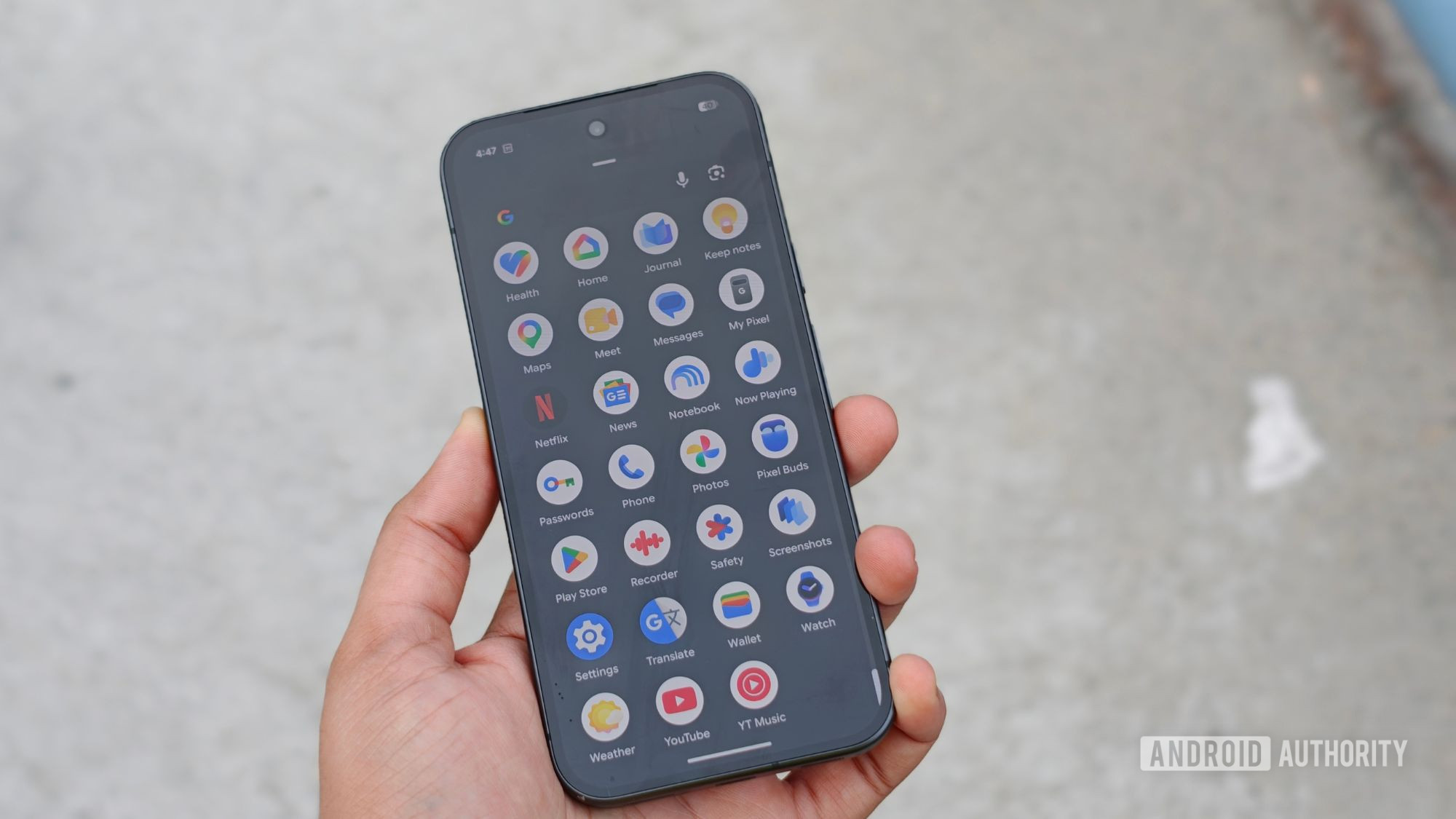
On the Pixel 11, managing files, documents, and downloads typically involves a more direct and less cumbersome process. Users can more easily track where downloaded items are stored, move files between different folders, connect external storage devices, and share content across applications without encountering significant friction. This enhanced usability is particularly beneficial for individuals who frequently work with various file types or transfer data between different applications and services.
The integration of Google’s suite of apps, such as Google Drive, Docs, and Calendar, further streamlines file management on the Pixel 11. These applications work harmoniously within the Android environment, allowing for easy access, modification, and sharing of documents and other files. This seamless integration reduces the cognitive load associated with file handling, making the overall user experience more efficient and less frustrating. For users who prioritize a functional and uncomplicated approach to managing their digital assets, the Pixel 11’s file management capabilities represent a significant advantage.
Conclusion: The Pixel 11’s Compelling Value Proposition
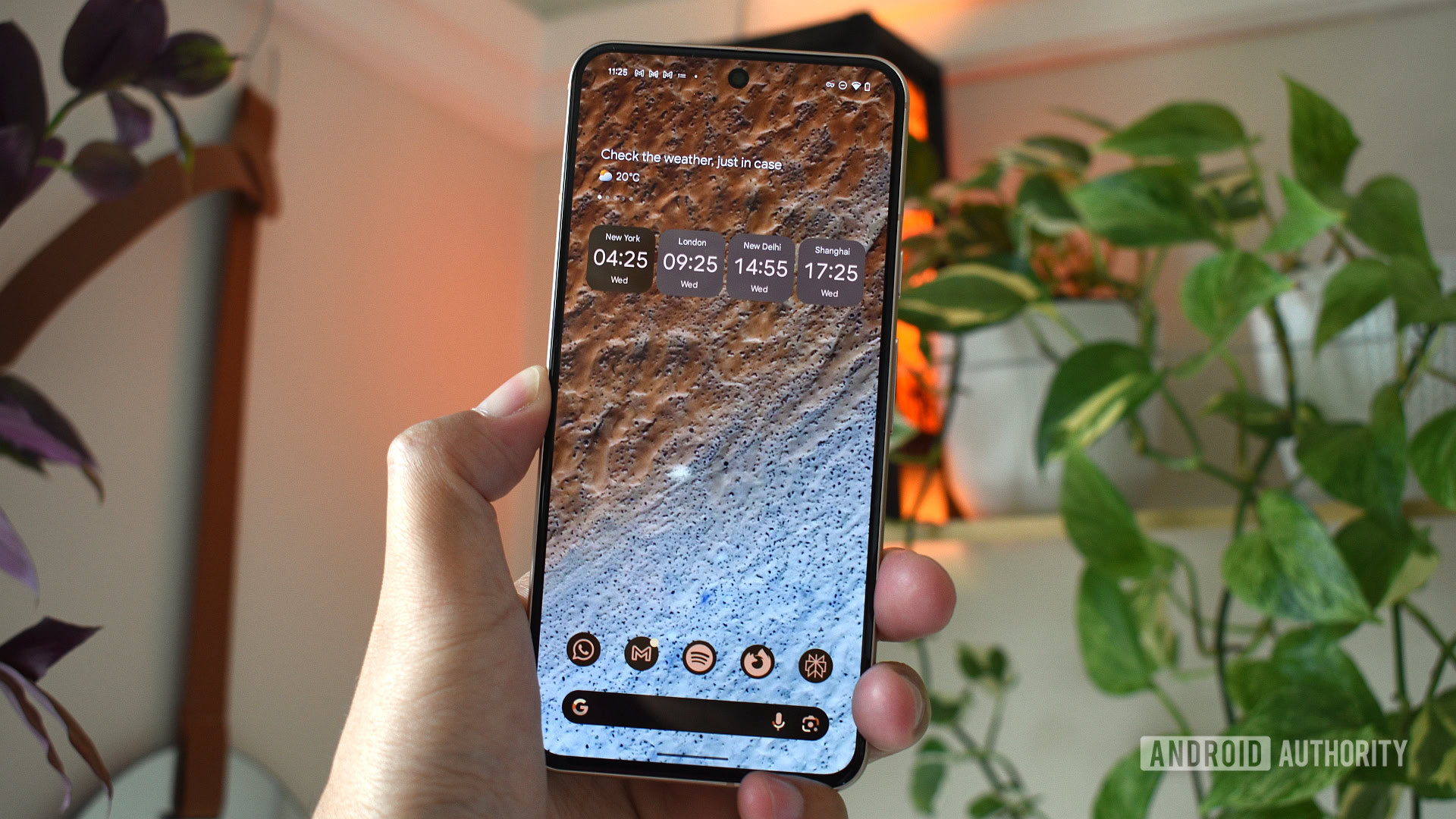
While both the hypothetical Google Pixel 11 and Apple iPhone 17 represent the pinnacle of their respective platform’s development, the comparative analysis reveals distinct advantages for the Pixel 11 in several key areas. The inclusion of a versatile 5x optical zoom telephoto lens, the advanced integration of Gemini AI, the convenience of dual biometric authentication, the freedom afforded by the Android operating system, and the user-friendly file management system collectively contribute to a highly compelling user experience.
The Pixel 11’s strength lies in its approachable design, making it accessible to a wide range of users, from tech novices to experienced enthusiasts. Simultaneously, it offers the depth of customization and control that many Android users have come to expect. This balance between simplicity and power, coupled with Google’s continued innovation in AI and camera technology, positions the Pixel 11 as a formidable contender in the premium smartphone market. The choice between these devices ultimately hinges on individual priorities, but the Pixel 11’s consistent focus on practical usability and user empowerment makes it a strong candidate for those seeking a highly adaptable and intelligent mobile companion.