Metty Iskandar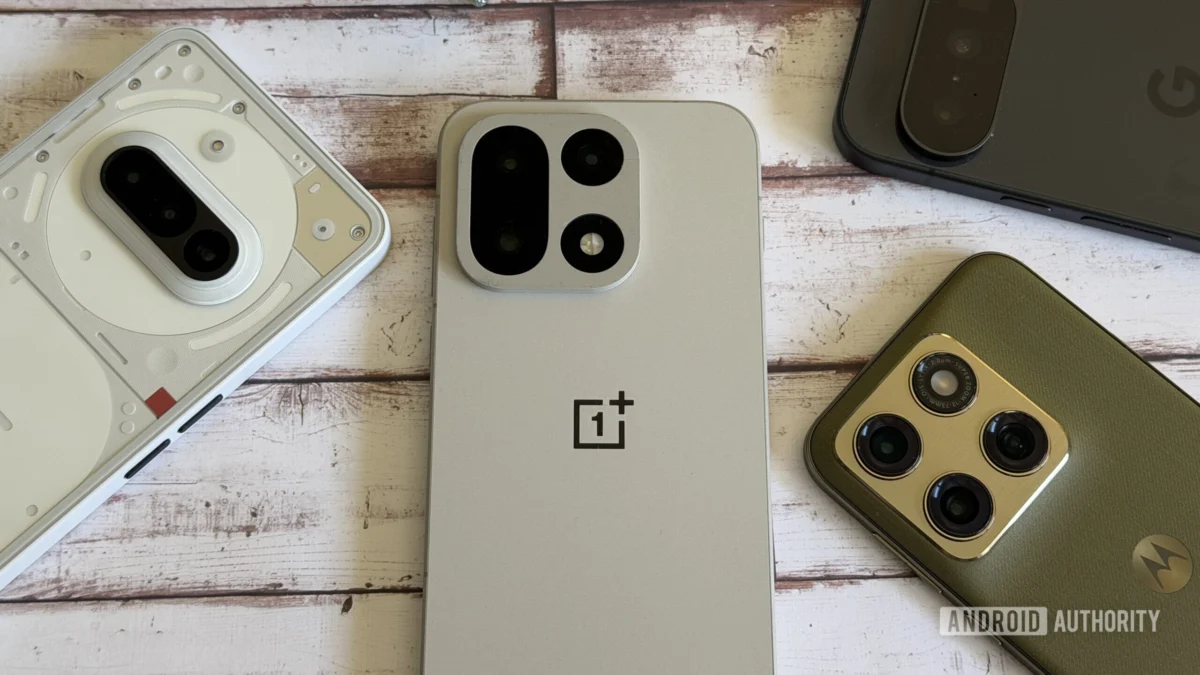
The Android smartphone market, particularly in North America, is largely dominated by two powerhouse brands: Samsung and Google. Their prominence is not solely due to their extensive marketing or broad availability, but also to their consistent software update support and the introduction of exclusive hardware and software features. While these two giants offer a compelling ecosystem, they are not without their oversights, leaving room for innovation that could benefit consumers across the wider Android landscape. This analysis delves into several key features currently absent or inadequately implemented in Samsung Galaxy and Google Pixel devices, exploring their potential impact and why their adoption could significantly enhance the user experience.
The Evolution of Charging Technology: A Need for Ultra-Fast Solutions
In the current smartphone era, fast charging has become a standard expectation, yet the definition of "fast" varies considerably across manufacturers and regions. In the United States, a noticeable conservatism prevails in charging speeds, even among flagship devices. Samsung’s top-tier offerings, such as the Galaxy S26 Ultra, currently support up to 60W charging. Similarly, Google’s Pixel 11 Pro series maxes out at 45W. While these represent improvements over previous generations, the charging times remain substantial. A full charge for the Galaxy S26 Ultra approximates an hour, while the Pixel 11 Pro requires nearly two hours. This pace lags considerably behind advancements seen in other markets.
Historically, both Samsung and Google were even slower to adopt faster charging technologies, sticking to significantly lower wattages for extended periods, even as competitors were pushing boundaries. This historical inertia highlights a potential area for growth.
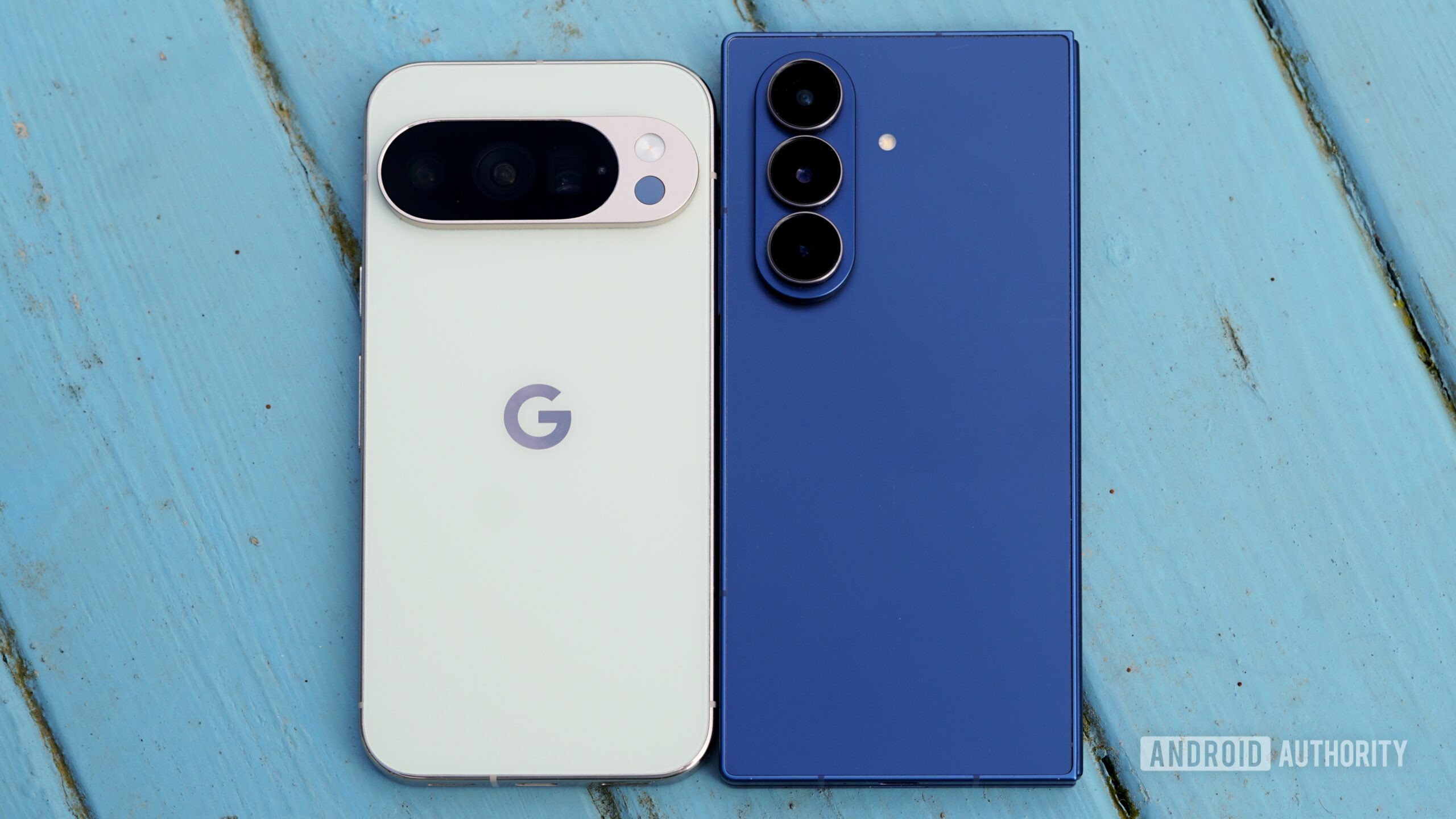
Globally, the charging landscape is far more dynamic. Brands like OnePlus, HUAWEI, Xiaomi, and OPPO have consistently introduced devices with significantly higher charging capabilities, some reaching 120W and beyond. For instance, the OnePlus 15, despite its eventual discontinuation, offered an impressive 80W charging solution that could fully replenish its battery in approximately 40 minutes. These ultra-fast charging solutions, while sometimes requiring proprietary chargers and potentially posing a greater initial strain on battery longevity, have become increasingly sophisticated and less detrimental to battery health over time.
The slower adoption of these technologies in the US market can be attributed to several factors, including regulatory considerations, the need for extensive testing to ensure safety and compatibility, and a strategic focus on other differentiating features. However, the tangible benefit of drastically reduced charging times—allowing users to quickly top up their devices during brief intervals—is a compelling argument for wider implementation. The implication for consumers is a more fluid mobile experience, minimizing the anxiety associated with low battery levels and reducing the dependence on prolonged charging sessions. As battery technology and charging protocols advance, the perceived risks associated with ultra-fast charging diminish, making it a feature ripe for consideration by leading Android manufacturers like Samsung and Google.
The Resurgence of IR Blasters: A Legacy Feature with Modern Utility
For a generation of Android users who experienced the early days of the platform, the presence of an Infrared (IR) blaster was a notable convenience. These small, often overlooked components transformed smartphones into universal remote controls, capable of operating a wide array of home entertainment devices and appliances. The author’s personal experience with a mid-range Android device featuring an IR blaster highlights its practicality, particularly in households where remote controls were prone to misplacement.
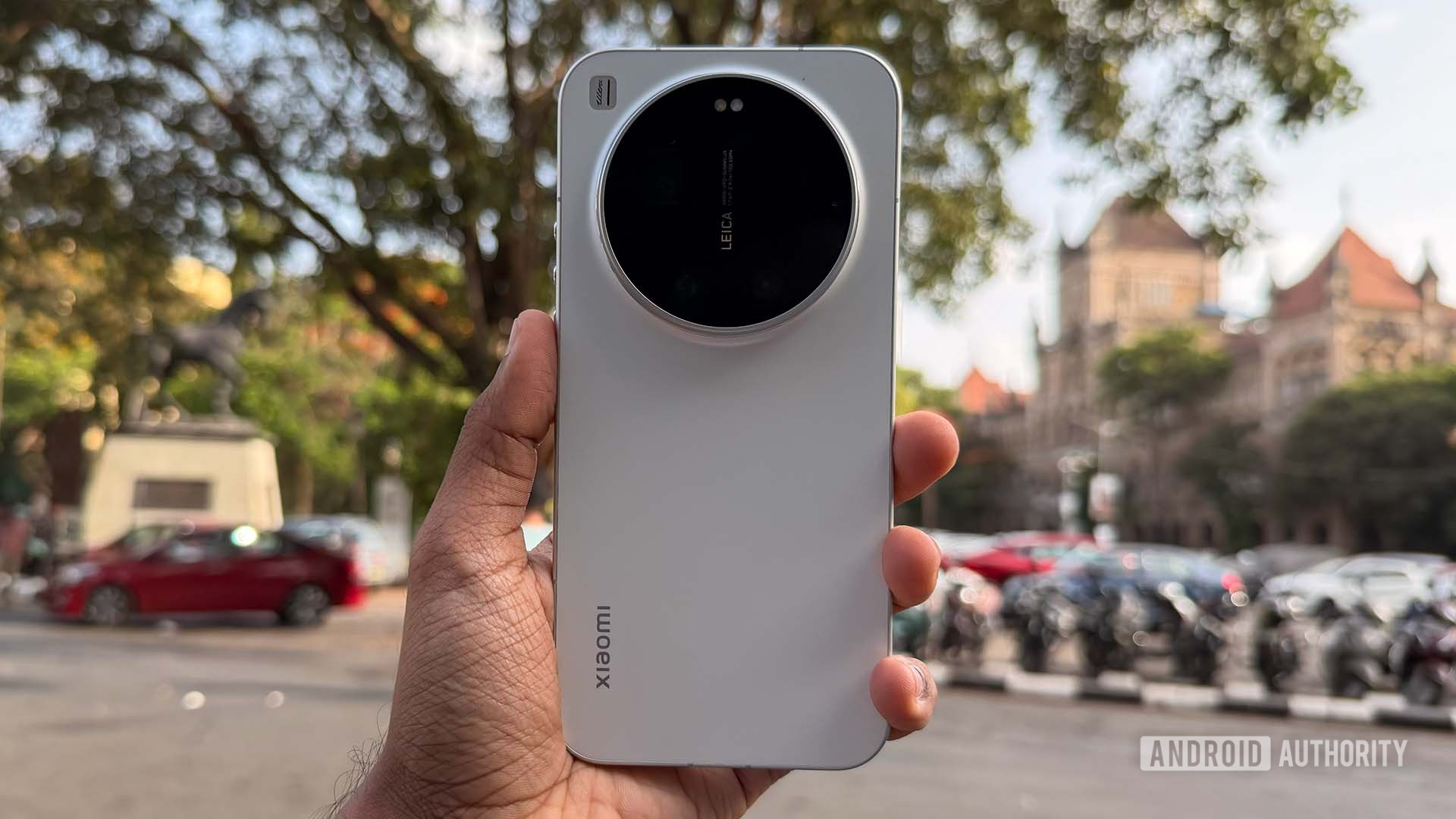
In 2026, devices equipped with IR blasters are typically niche imports or budget-oriented models. However, a few flagship-tier devices still offer this functionality. In markets like the US, the OnePlus 15 served as a notable exception, while in other regions, such as Europe, models like the Xiaomi 17 continue to incorporate this feature.
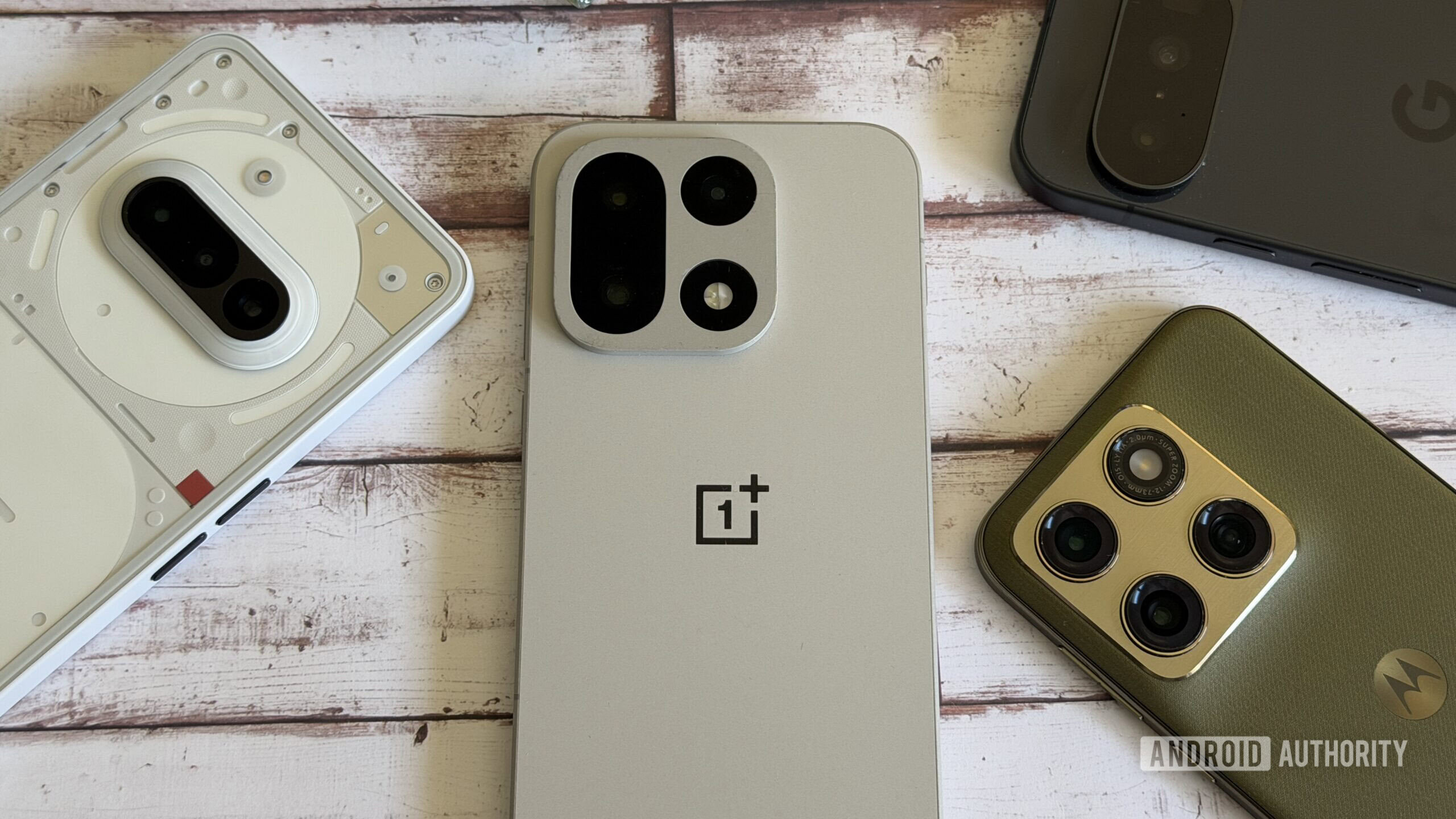
Despite their diminishing prevalence, IR blasters retain significant utility. Beyond controlling traditional televisions, sound systems, and media players, they are capable of managing air conditioning units and other appliances that utilize IR signals. While the ubiquity of smart home devices and app-controlled appliances might suggest a decline in the need for IR blasters, their direct, hardware-based control offers a reliable and accessible alternative, especially in situations where network connectivity is unstable or specific legacy devices are in use.
The integration of IR blasters, coupled with sophisticated companion apps, could offer a seamless experience, potentially eliminating the need for multiple physical remotes. For users with a diverse range of home electronics, an IR blaster-equipped smartphone could serve as a centralized control hub. The strategic advantage for manufacturers adopting this feature would be to cater to a segment of users who value this traditional functionality, thereby differentiating their devices in a crowded market. The implication is a more versatile and user-friendly device that bridges the gap between older and newer technologies.
Enhanced Privacy and Multitasking: The Power of Dual User Modes and App Cloning
The concept of managing multiple applications and user profiles on a smartphone has evolved significantly. While most Android applications are designed for single-user logins, necessitating constant logouts and logins for users managing multiple accounts, innovative solutions exist to address this. App cloning, a feature implemented to varying degrees by different manufacturers, aims to provide a workaround.
Samsung offers two primary methods for app cloning. The first, Secure Folder, allows users to clone almost any application within a highly secure, sandboxed environment. However, this approach comes with significant limitations. Cloned apps operate in isolation, with their own distinct storage that cannot access the main device’s gallery, downloads, or other user data. Furthermore, cloned apps often experience delayed notifications and are restricted from interacting with applications outside the Secure Folder, such as password managers or authenticator apps.
The second method, Dual Messenger, is more limited in scope, applying only to specific social media applications. While these features provide a semblance of app duplication, their restrictive nature means they fall short of the comprehensive utility offered by some competitors.
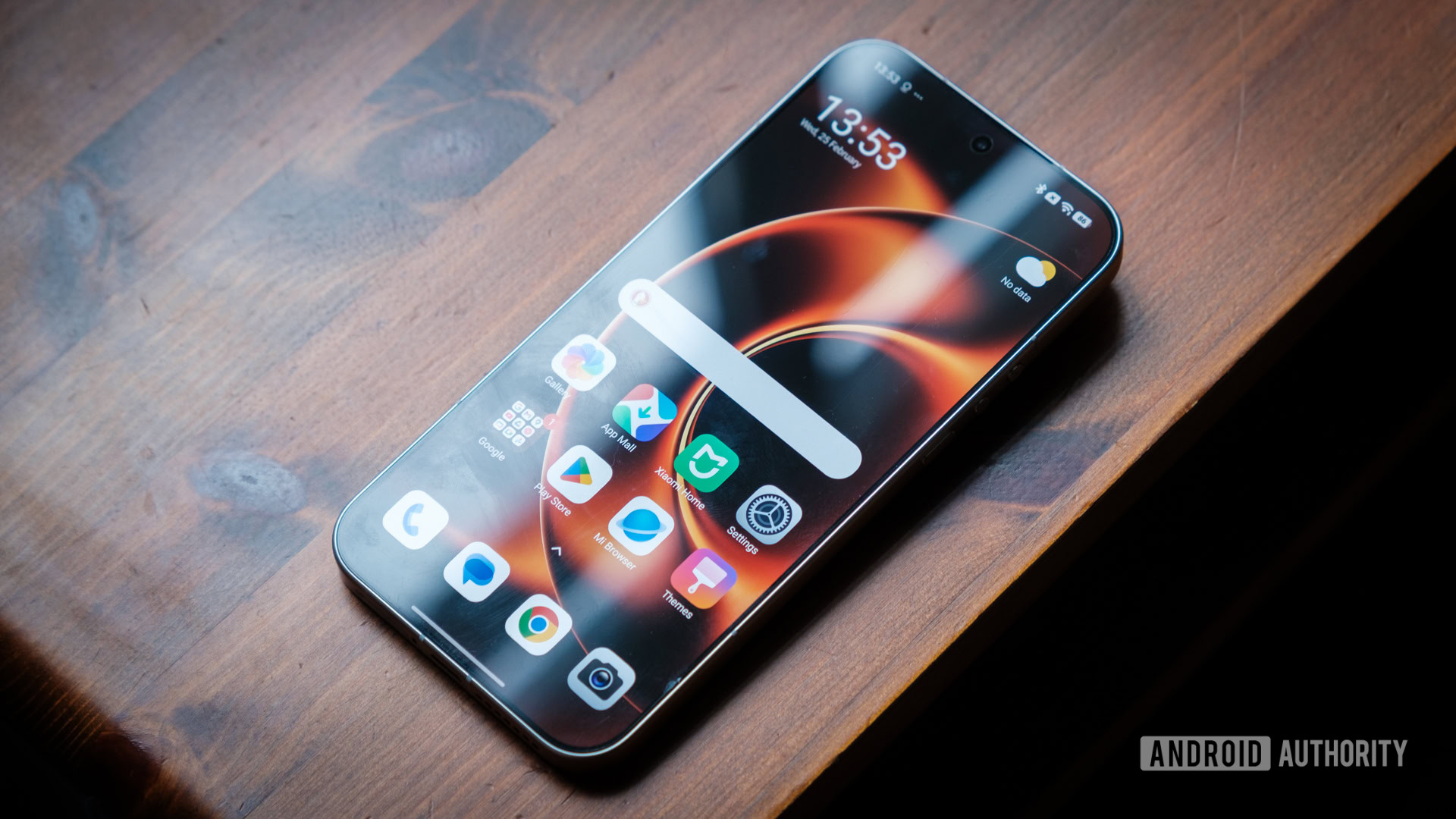
In contrast, Xiaomi’s "Second Space" feature offers a more robust and integrated solution. This functionality creates an entirely separate user profile at the operating system level. Instead of accessing cloned apps through a distinct folder, users are presented with a secondary lock screen, secured by a separate PIN or fingerprint authentication. This second space can be customized independently with its own set of applications, wallpapers, and system settings, effectively offering a parallel smartphone experience within a single device.
The benefits of Xiaomi’s approach are multifaceted. For users who wish to maintain separate personal and professional environments, or keep sensitive applications isolated, Second Space is particularly advantageous. Notifications function normally within the active second space, while remaining completely hidden from the primary profile when inactive. Crucially, applications within Second Space can interact seamlessly with system apps and other utilities, eliminating the isolation issues encountered with Samsung’s Secure Folder. This mirrors the multi-desktop functionality found in modern computer operating systems, providing a sophisticated level of user segmentation and privacy management. The adoption of such a feature by Samsung and Google could significantly enhance device versatility and address growing user demands for more granular control over their digital lives.
Gesture-Based Innovation: The Efficiency of Moto Actions
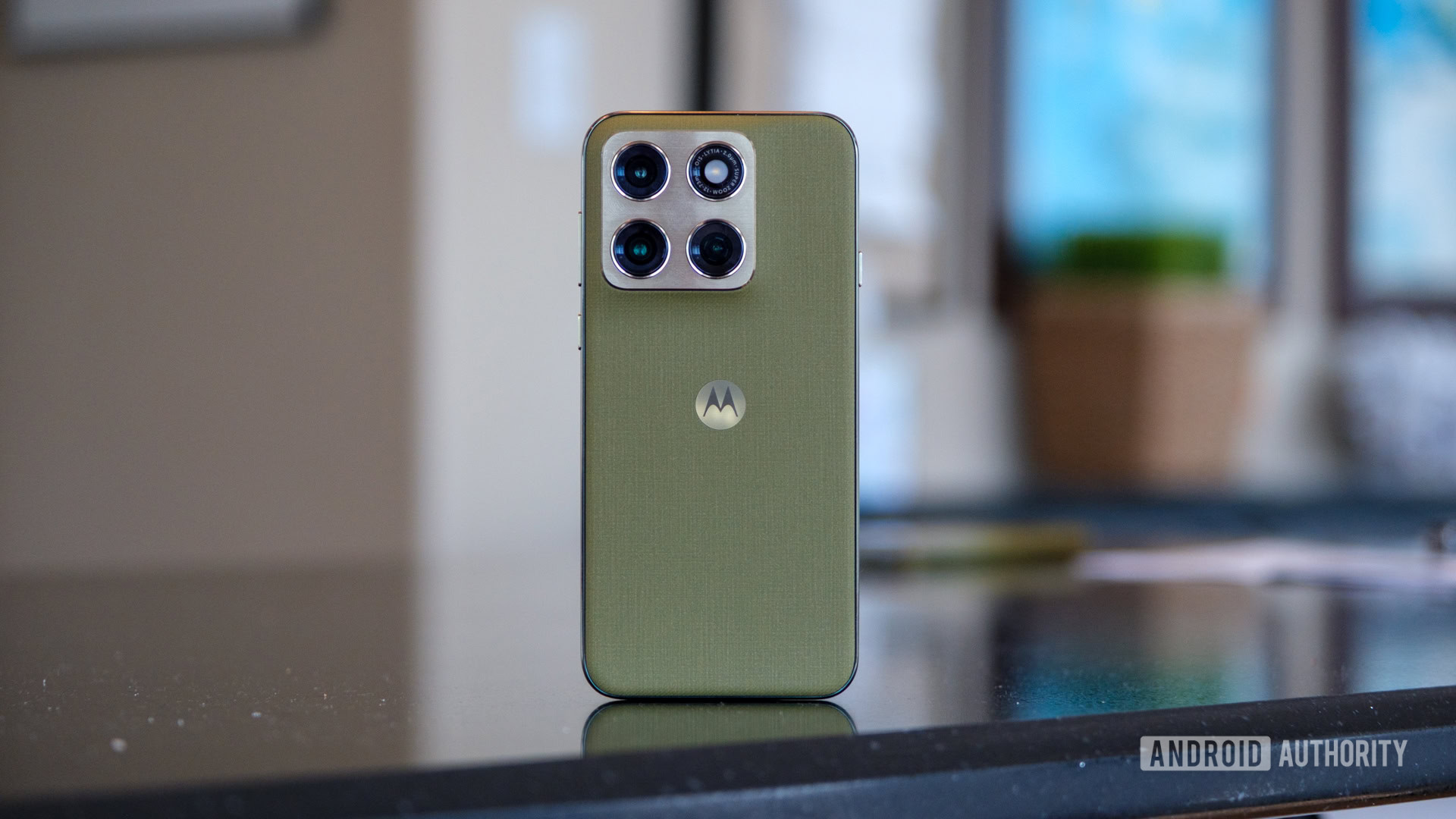
Gesture-based controls have become a staple in modern smartphone interfaces, offering quicker access to device functions. However, Motorola’s "Moto Actions" elevate this concept by leveraging hardware sensors for more intuitive and intricate gesture recognition. Unlike Pixel and Galaxy devices, which often rely on software or existing hardware buttons, Motorola employs dedicated sensors to detect nuanced movements like chopping and twisting motions.
This hardware-driven approach enables a range of unique gestures. A double wrist twist can launch the camera application, while a double karate chop motion activates the flashlight. Moto Actions also facilitates glanceable notifications, allowing users to view incoming messages and alerts without fully unlocking their devices. A significant advantage is the optimization for one-handed use, a critical consideration in today’s larger-screen smartphone environment.
Crucially, many of these gestures can be executed without waking the display, and in some instances, even with gloved hands or when the user’s hands are soiled. This level of hardware integration and contextual awareness provides a fluid and efficient user experience that surpasses the capabilities of gesture implementations reliant solely on software. For manufacturers like Samsung and Google, exploring similar hardware-accelerated gesture controls could unlock new levels of user interaction, enhancing convenience and reducing the friction associated with everyday smartphone tasks. The implication is a more responsive and adaptable device that anticipates user needs through intelligent motion detection.
Informative Visuals: The Appeal of Nothing’s Glyph System
In recent years, Google introduced the "HiLight" LED indicator on its Pixel devices, a feature designed to integrate with Gemini interactions and provide limited notifications for up to five top contacts through pulsing colors. However, this feature has been met with limited enthusiasm, primarily due to its restricted functionality and its perceived underdevelopment. Notably, a more sophisticated and visually engaging approach to notifications and user interaction already exists in the form of Nothing’s Glyph system.
Nothing’s Glyph system utilizes a circular dot-matrix display composed of LEDs, integrated into the rear of the device. Unlike Google’s focus on Gemini integration, the Glyph system aims to reduce screen time by providing essential information at a glance. It supports app-specific alerts, contact-based notifications, and even custom icons for contacts, including pixelated avatars. Additional functionalities include caller ID displays, camera countdown timers, and a range of "Glyph Toys."
These Glyph Toys offer unique micro-games and utilities that operate independently of the main display. Examples include a digital clock, battery indicator, stopwatch, and simple games like Magic 8 Ball or Rock, Paper, Scissors. This creative application of the LED matrix provides an engaging and novel way to interact with the device, offering both practical utility and entertainment value.
While the Glyph system is a distinctive feature that may not appeal to all users, its comprehensive implementation and creative applications set it apart from comparable features like Google’s HiLight. It represents a forward-thinking approach to notification management and device interaction, offering a visually appealing and functional alternative to traditional screen-based alerts. For Samsung and Google, adopting or developing a similar system could introduce a unique design element and a novel way for users to stay informed and engaged with their devices without constant screen interaction. The potential for such a feature to enhance device personality and user experience is significant.
Conclusion: A Path to Enhanced Android Experiences
The competitive landscape of the Android ecosystem is characterized by constant innovation. While Samsung and Google remain at the forefront, their current offerings, though robust, could be further enriched by integrating features that have proven successful in other corners of the market. Ultra-fast charging, the practical utility of IR blasters, the comprehensive privacy offered by dual user modes, the efficiency of advanced gesture controls, and the engaging visual feedback of systems like Nothing’s Glyph all represent significant opportunities for enhancement.
The adoption of such features by these dominant players would not only elevate their own product lines but also set new benchmarks for the entire Android platform. By looking beyond their immediate competitive circle and embracing well-executed functionalities from other manufacturers, Samsung and Google can continue to drive innovation and deliver a more versatile, convenient, and personalized experience for millions of Android users worldwide. The ongoing evolution of smartphone technology demands a willingness to integrate the best of what the diverse Android ecosystem has to offer, ensuring that consumers benefit from a continually improving and feature-rich mobile experience.