Evan Lee Salim
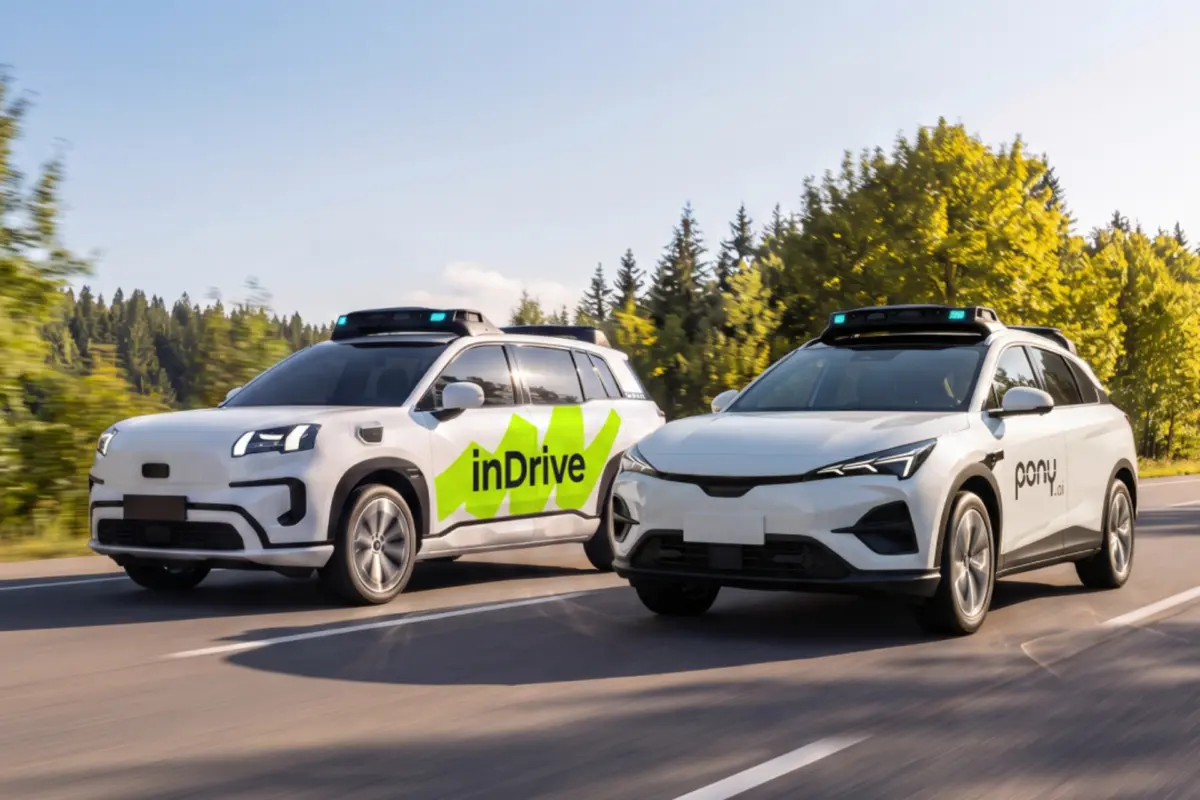
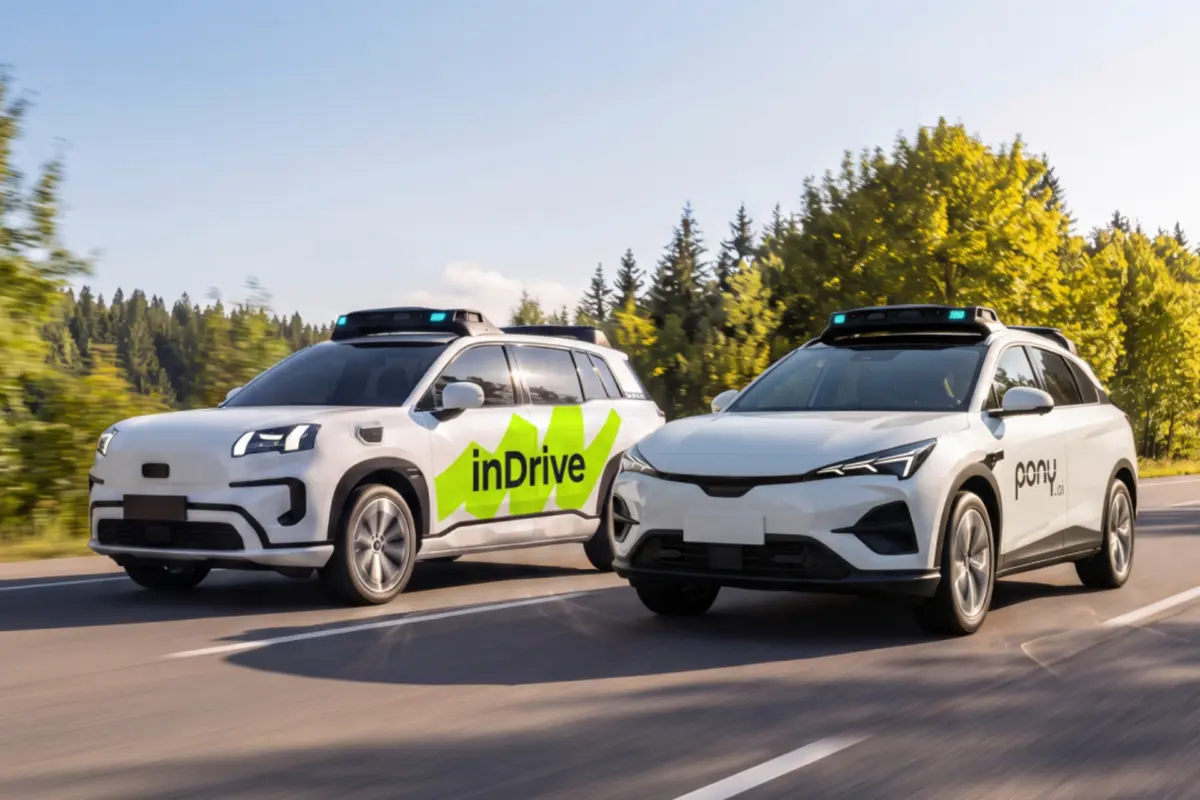
The global landscape of autonomous mobility is poised for a significant shift as ride-hailing innovator inDrive, in collaboration with Chinese autonomous driving firm Pony.ai and AI computing giant Nvidia, announced plans to commence testing of robotaxis in Kazakhstan by 2027. This ambitious initiative, formalized through a memorandum of understanding, aims to integrate Pony.ai’s cutting-edge self-driving technology onto inDrive’s unique platform, initially targeting Kazakhstan’s capital, Astana. The partnership underscores a burgeoning interest in expanding self-driving capabilities beyond the traditional epicenters of the United States and China, particularly into emerging markets where demand for efficient and affordable transportation solutions is high.
A Strategic Alliance for Autonomous Expansion
The tripartite agreement leverages the distinct strengths of each partner. Pony.ai, a leading developer of autonomous driving technology, will supply its advanced Gen-7 robotaxis, renowned for their sophisticated sensor suites and robust AI systems. These vehicles are designed to operate safely and reliably in diverse urban environments. inDrive, recognized for its innovative peer-to-peer fare negotiation model that prioritizes affordability, will integrate these robotaxis into its existing ride-hailing application, overseeing their operation within Kazakhstan. This allows inDrive to extend its core value proposition – accessible transportation – into the autonomous realm. Nvidia, a critical enabler of AI innovation, will provide the foundational artificial intelligence technology, including its comprehensive Hyperion platform and the Halos safety system. Hyperion offers a scalable, end-to-end platform for autonomous vehicle development, encompassing sensors, high-performance computing, and a full software stack, while Halos ensures robust safety validation and operational integrity.
Testing is slated to begin in the first half of 2027, with Astana serving as the initial proving ground. Yuri Misnik, CTO of inDrive, confirmed that these early trials would involve a safety operator present in the vehicle, a standard practice in the nascent stages of autonomous deployment. The ultimate objective, however, is to transition to fully driverless operations, offering a glimpse into a future where autonomous vehicles seamlessly integrate into urban transport networks. This phased approach allows for rigorous data collection, system refinement, and adaptation to local conditions before widespread deployment.
inDrive’s "Capital-Light" Approach to Autonomy
inDrive’s entry into the robotaxi market is characterized by a "capital-light" strategy, a principle that has underpinned its rapid global expansion in traditional ride-hailing. Unlike some industry players that pursue a heavily vertically integrated model, developing both the software and hardware for autonomous vehicles, inDrive opts for a partnership-centric approach. "Our approach is capital-light by design," stated Yuri Misnik. "We work with a range of partners in different markets, combining their expertise with ours to deliver a better customer experience." This strategy minimizes upfront investment and operational overhead, allowing inDrive to scale more rapidly and adapt to varying market dynamics. By collaborating with specialized technology providers like Pony.ai and Nvidia, inDrive can focus on its core strengths: platform management, user acquisition, and market penetration, while leveraging best-in-class autonomous driving capabilities.
This model is particularly pertinent in emerging markets, where cost-effectiveness is paramount. Traditional ride-hailing services in these regions are often priced competitively, making the economic viability of autonomous services a key consideration. Nvidia’s contributions are central to this cost-efficiency. Ali Kani, Nvidia’s vice president of automotive, highlighted how the Hyperion platform could significantly reduce the cost of developing robotaxis. By providing a ready-made foundation of sensors and computing technology, Hyperion eliminates the need for individual companies to build and integrate every component from scratch, streamlining development and accelerating time to market. Nvidia further supports this by offering its Alpamayo model and a suite of tools for generating synthetic data, which is crucial for testing autonomous driving systems across an exhaustive range of scenarios without the prohibitive costs and time associated with real-world testing alone. "Those savings are particularly relevant in emerging markets, where ride-hailing is already relatively affordable and autonomous services need to compete on cost," Kani emphasized. The announcement strategically coincided with Nvidia CEO Jensen Huang’s inaugural visit to Kazakhstan, underscoring the significance of this partnership and the region’s growing technological importance.
Kazakhstan: A Promising Testbed for Autonomous Innovation
Kazakhstan’s selection as a primary testing ground is not coincidental. The Central Asian nation has proactively positioned itself as a hub for technological innovation and has demonstrated a forward-thinking approach to regulating emerging technologies. Just last month, the Kazakh government announced its plans to launch autonomous taxi services in 2027, with initial trials slated for Astana and two other cities. Furthermore, it has already introduced a regulatory framework enabling the testing of autonomous vehicles on designated public roads. This supportive governmental stance provides a conducive environment for technology companies seeking to deploy and refine their autonomous solutions.
Beyond regulatory readiness, Astana presents a unique set of environmental challenges that make it an invaluable testing ground for robotaxis: its notoriously harsh winters. The city, with a population exceeding 1.7 million, experiences prolonged periods of snow, ice, and extremely low temperatures. These conditions pose significant hurdles for autonomous driving systems, affecting sensor performance (Lidar, radar, cameras can be obscured or lose efficacy), tire traction, and the ability of AI algorithms to accurately perceive and navigate dynamic road conditions. Traditional computer vision algorithms, often trained on data from milder climates, struggle with the reduced visibility and altered road markings prevalent in snowy environments. Success in Astana, therefore, would signify a major leap in the robustness and adaptability of autonomous technology, offering "valuable insights for expanding autonomous mobility to other locations facing similar challenges," as noted by inDrive founder and CEO Arsen Tomsky. This real-world validation in extreme weather could accelerate the global deployment of robotaxis in diverse climatic zones.
Pony.ai’s Global Ambitions and the Competitive Landscape
This partnership is a critical component of Pony.ai’s aggressive global expansion strategy. The Chinese autonomous driving firm has set an ambitious target to operate more than 3,500 robotaxis across over 20 cities worldwide by the end of 2026, a substantial increase from its fleet of 1,975 vehicles at the end of June. Its collaboration with inDrive in Kazakhstan follows closely on the heels of another high-profile announcement earlier this month: a partnership with Uber to test Pony.ai’s robotaxis in London. Uber has also initiated supervised autonomous rides in London with British startup Wayve, an investor-backed partner, and is actively pursuing collaborations with multiple robotaxi companies in various other markets, including the Middle East. These moves illustrate the intensifying global race among ride-hailing giants to integrate autonomous technology into their services, aiming to reduce operational costs, enhance safety, and scale their offerings.
The global robotaxi market is projected to grow significantly, with analysts estimating it could reach tens of billions of dollars within the next decade. Key players like Waymo (Google’s autonomous driving unit), Cruise (General Motors’ AV subsidiary), Mobileye (Intel), Baidu (Apollo Go), and AutoX are all vying for market share, primarily focusing on major urban centers in the U.S. and China. However, the inDrive-Pony.ai-Nvidia collaboration highlights a crucial trend: the diversification of autonomous vehicle deployment beyond these traditional markets. Emerging economies offer unique opportunities, including potentially more flexible regulatory environments, rapidly expanding urban populations, and a strong demand for innovative transportation solutions that can leapfrog legacy infrastructure.
Broader Implications and Future Outlook
The entry of robotaxis into Kazakhstan, spearheaded by this powerful alliance, carries significant implications across economic, technological, and societal dimensions. Economically, it promises to stimulate local economies through job creation in maintenance, technical support, and operational oversight, even as driver roles may evolve. It could also enhance urban mobility, particularly in a city like Astana, by providing more efficient, potentially safer, and ultimately more affordable transportation options. The reduction in traffic congestion and carbon emissions, should these robotaxis be electric, would also contribute positively to urban sustainability goals.
Technologically, the data gathered from operating robotaxis in Astana’s challenging winter conditions will be invaluable. This real-world experience will push the boundaries of current autonomous driving algorithms, leading to more robust and versatile systems capable of handling diverse environmental extremes. Such advancements are critical for the eventual widespread adoption of autonomous vehicles globally.
From a societal perspective, the introduction of robotaxis could transform how urban residents commute, access services, and interact with their city. It presents opportunities for increased accessibility for individuals who cannot drive, such as the elderly or those with disabilities. However, it also raises important questions about public acceptance, cybersecurity (given the networked nature of these vehicles), and the need for robust ethical frameworks to govern autonomous decision-making.
inDrive’s exploration of robotaxis is not confined to Kazakhstan. In December, the company signed a separate agreement with Saudi Arabia’s AI Driver to explore deploying autonomous vehicles powered by Chinese self-driving firm WeRide, starting with Riyadh. While a pilot was targeted for the first half of 2026, the status of testing remains undisclosed. This multi-market approach underscores inDrive’s commitment to exploring diverse avenues for autonomous mobility, guided by its principle of seeking "a favorable and collaborative regulatory environment to facilitate safe and sustainable testing on the roads," as stated by Misnik.
With operations spanning over 1,200 cities across 47 countries, and a strategic expansion beyond ride-hailing into delivery, intercity transportation, and financial services, inDrive is positioning itself as a comprehensive mobility and services provider. The successful deployment of robotaxis in Kazakhstan could serve as a blueprint for further autonomous expansions across its vast operational footprint, fundamentally reshaping urban transportation in emerging markets and cementing inDrive’s role as a key player in the future of mobility. The coming years will undoubtedly reveal the transformative impact of this ambitious collaboration on the global stage of autonomous technology.