George Chandra Eka
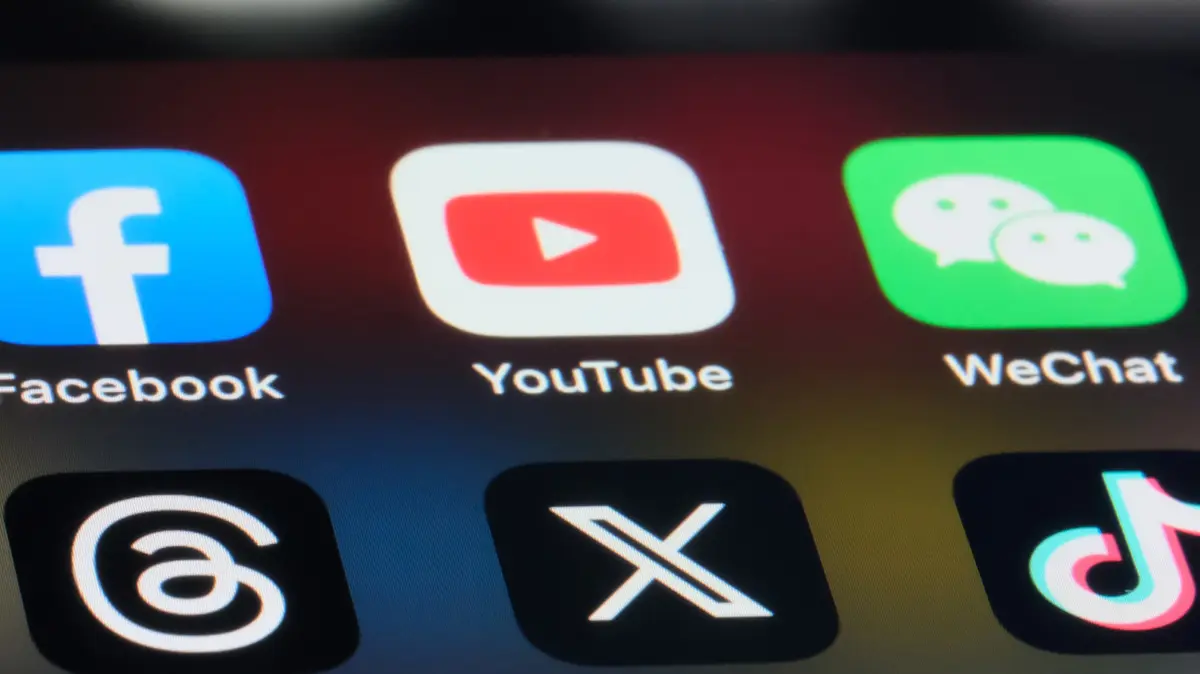
The Hellenic Parliament has officially passed a landmark law prohibiting children under the age of 15 from accessing social media platforms, a measure slated to come into effect on January 1, 2027. This legislative move, championed by Prime Minister Kyriakos Mitsotakis, positions Greece as one of the pioneering nations within the European Union to impose such stringent age-based restrictions on digital platforms. The comprehensive ban encompasses widely used services including TikTok, Instagram, Facebook, and X, mandating that these platforms implement robust and reliable age-verification protocols to ensure compliance.
Legislative Journey and Rationale
The journey towards this significant legislative change began earlier this year when Prime Minister Mitsotakis first publicly announced the government’s intention to regulate youth access to social media. Describing the bill as "difficult but necessary," Mitsotakis underscored the imperative for proactive governmental intervention in safeguarding the digital well-being of minors. The passage of the bill, achieved through the majority government despite opposition from minority parties, reflects a growing national and international concern over the pervasive influence of social media on children’s development, mental health, and social interactions.
Digital Governance and AI Minister Dimitris Papastergiou articulated the government’s stance, stating, "It would have been very easy to do absolutely nothing today and wait for the perfect European law. But the challenge is here. Children are sinking into the internet every day, and I believe a responsible government must do what it is obliged to do." This statement highlights a proactive approach, emphasizing that national action is crucial even as broader European frameworks are still evolving. The three-year lead time until the law’s effective date is intended to provide platforms ample opportunity to develop and integrate the necessary age-verification technologies and for the public to adapt to the new regulatory landscape.
The Age Verification Mechanism and Enforcement
A critical component of Greece’s new law is the requirement for social media platforms to implement "proportionate and reliable age-verification methods." This places a substantial technical and operational burden on companies, compelling them to innovate or adopt existing solutions capable of accurately confirming a user’s age without unduly compromising privacy. The legislation stipulates that non-compliance will result in fines levied under the European Union’s Digital Services Act (DSA), a comprehensive regulatory framework designed to create a safer and more accountable online environment. The DSA, which came into full effect for very large online platforms and search engines in August 2023, includes provisions for significant penalties, potentially reaching up to 6% of a company’s global annual turnover, for breaches of its obligations.
To further facilitate enforcement and provide a state-backed solution for parental oversight, the Greek government plans to introduce dedicated applications: "Kids Wallet" or "Gov.gr." These apps are designed to be paired with a child’s device, effectively blocking access to banned social media platforms. Minister Papastergiou emphasized that these state-backed applications prioritize user privacy by employing "age tokens." This technology aims to confirm an individual’s age with minimal disclosure of their personal data, addressing potential concerns about governmental data collection and surveillance. The concept of an "age token" typically involves a cryptographic proof that a user meets a certain age requirement without revealing their exact birthdate or other identifying information to the service provider, thereby striking a balance between verification and privacy.
Broader Context: The Global Debate on Youth and Social Media
Greece’s decision comes amidst a burgeoning global debate regarding the impact of social media on young people. Numerous studies and reports from child psychologists, pediatricians, and public health organizations have raised alarms about the detrimental effects of excessive social media use on adolescent mental health, cognitive development, and physical well-being. Research has consistently linked prolonged exposure to social media to increased rates of anxiety, depression, body image issues, cyberbullying, sleep disturbances, and diminished academic performance among young users.
For instance, a 2023 report by the U.S. Surgeon General highlighted a "profound risk of harm" to adolescent mental health from social media, citing evidence that platforms often expose children to harmful content, contribute to social comparison, and can disrupt crucial developmental stages. Data from organizations like UNICEF and the World Health Organization further corroborate these findings, indicating a global trend of declining mental health indicators among youth, with social media often implicated as a significant contributing factor. Concerns also extend to the addictive nature of algorithms, which are designed to maximize engagement, potentially leading to compulsive usage patterns among vulnerable adolescents. The exposure to inappropriate content, privacy risks, and the cultivation of unrealistic self-perception are additional issues fueling calls for greater regulation.
Greece’s Path to Digital Safeguards: A Timeline
This social media ban is not Greece’s first foray into regulating technology use among its youth. In 2024, the nation implemented a ban on mobile phones in schools, a measure aimed at reducing distractions in the classroom and fostering a more focused learning environment. This earlier initiative signaled a governmental commitment to addressing the challenges posed by ubiquitous digital devices in educational settings.
The chronology leading to the current social media ban includes:
- Early 2026: Prime Minister Kyriakos Mitsotakis publicly announces the government’s intention to ban social media for children under 15.
- October 2026: The Hellenic Parliament passes the bill, officially enacting the social media ban.
- January 1, 2027: The new law officially goes into effect, requiring platforms to enforce age verification and restricting access for children under 15.
These sequential actions demonstrate a clear, evolving strategy by the Greek government to establish a more protective digital environment for its younger citizens, moving from regulating device use in specific locations to controlling access to specific online platforms.
Reactions and Public Opinion
The passage of the bill, while supported by the ruling majority, faced opposition from Greece’s minority parties. While specific statements from these parties were not detailed, their concerns could logically revolve around issues such as governmental overreach, the practical difficulties of enforcement, potential impacts on digital literacy development, and the argument that parental responsibility should be the primary mechanism for regulating children’s online activities. Critics might also question the effectiveness of such bans, pointing to the potential for children to circumvent restrictions using VPNs or by misrepresenting their age. Concerns about the privacy implications of state-backed age verification apps, despite assurances of "age tokens," could also be a point of contention for civil liberties advocates.
Despite parliamentary opposition, opinion polls conducted within Greece indicate broad public support for the new social media ban among the adult population. This widespread endorsement suggests that many Greek parents and guardians share the government’s concerns about the potential harms of social media and welcome measures aimed at protecting their children. This public sentiment likely provided significant political impetus for the government to push through the legislation. Child advocacy groups and medical professionals are also likely to support the measure, viewing it as a crucial step in safeguarding youth mental health, while also stressing the need for complementary measures such as digital literacy education and parental guidance.
Challenges of Implementation
The successful implementation of Greece’s social media ban hinges on overcoming several significant challenges. The most prominent among these is the technical complexity of reliable age verification. Social media platforms currently employ a range of methods, from self-declaration to AI-powered facial analysis, but none are entirely foolproof. The legislation’s demand for "proportionate and reliable" methods implies a high bar for accuracy and privacy protection. Platforms will need to invest heavily in new technologies or partner with third-party age verification services. This is a global challenge, as demonstrated by Australia’s experience, where a similar social media ban for minors has faced considerable difficulties in effective age verification. The risk of children circumventing restrictions by using older siblings’ or parents’ accounts, or by falsifying their age, remains a persistent concern.
Furthermore, the integration and widespread adoption of the state-backed "Kids Wallet" or "Gov.gr" apps present their own set of hurdles. Ensuring user-friendliness, security, and interoperability across a diverse ecosystem of devices and platforms will be critical. While the concept of "age tokens" aims to mitigate privacy risks, any system requiring state involvement in verifying personal attributes for online access can raise concerns among privacy advocates and civil liberties organizations, even with data minimization techniques. The government will need to clearly communicate the security protocols and privacy safeguards embedded in these applications to build public trust.
Wider Implications: A European Precedent?
Greece’s bold move carries significant implications beyond its borders, particularly within the European Union. Prime Minister Mitsotakis has openly stated that his government’s "goal is to push the European Union in this direction as well." This ambition aligns with ongoing efforts within the European Commission to enhance online safety for children. The EU recently introduced the "EU Kids Act," a proposed legislative framework designed to address similar concerns. However, the EU Kids Act currently stipulates an outright ban on social media access only for children under 13, a lower age threshold than Greece’s 15-year limit.
Greece’s legislation could serve as a powerful precedent, encouraging other EU member states to consider stricter national regulations or pushing the European Commission to raise the age limit in its broader EU Kids Act. The Digital Services Act already empowers member states to take action against platforms that fail to protect minors, providing a legal foundation for such national initiatives. If Greece successfully implements and enforces its ban, demonstrating its effectiveness, it could embolden a harmonized, more restrictive approach across the continent. The European Union has historically been at the forefront of digital regulation, from data privacy (GDPR) to content moderation (DSA), and youth protection is increasingly becoming a central pillar of this regulatory agenda. The Greek example adds a new dimension to this evolving landscape, emphasizing the role of national governments in setting higher standards for child online safety.
The global landscape of social media regulation for minors is varied. Australia was among the first nations to introduce a full social media ban for children, though it has struggled with effective age verification. Other countries are exploring different models, such as mandatory digital literacy programs, parental control tools, and stricter content moderation guidelines. Greece’s approach, combining a direct ban with state-backed age verification and leveraging existing EU regulatory frameworks, presents a comprehensive model that will be closely watched by policymakers worldwide as they grapple with the complex challenge of balancing digital access with child protection.
Conclusion
Greece’s enactment of a social media ban for children under 15 marks a pivotal moment in the global effort to safeguard youth in the digital age. Driven by a recognition of the profound impacts of social media on young minds, the Greek government has taken a decisive step, setting a high bar for age verification and parental oversight. While the law’s implementation in 2027 will undoubtedly present technical, logistical, and privacy challenges, its success could serve as a powerful catalyst for similar, more stringent regulations across the European Union and beyond. The international community will keenly observe Greece’s journey, as it navigates the complex interplay of technological innovation, individual liberties, and the paramount responsibility of protecting the next generation.