Garick Elordi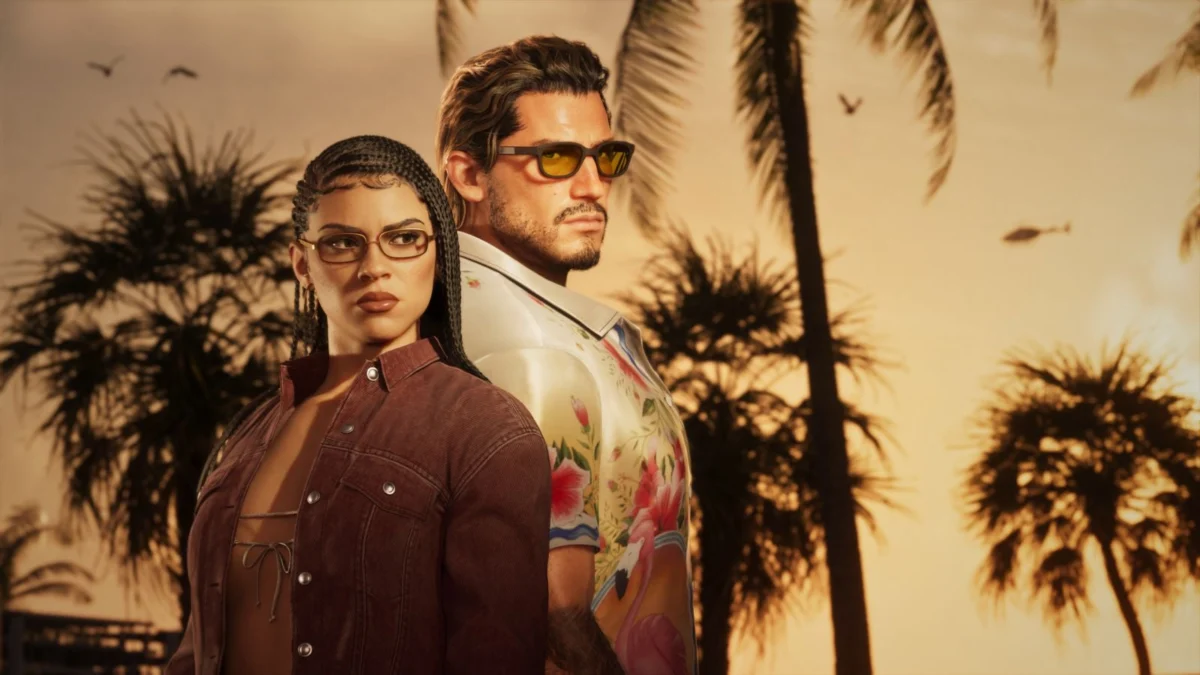
The landscape of interactive entertainment has been jolted once again by the unauthorized release of gameplay footage featuring Grand Theft Auto 6, the highly anticipated next installment in Rockstar Games’ flagship franchise. This latest breach, attributed to a group identifying itself as CyberLeek, follows a series of earlier disclosures that have plagued the developer during the final stages of the game’s production. The newly surfaced video provides an unfiltered look at the game’s mechanics, protagonist interactions, and the atmospheric rendering of Vice City, the fictionalized neon-soaked metropolis inspired by Miami. As the industry prepares for the game’s scheduled launch on November 19, this breach highlights the ongoing struggle between high-profile developers and decentralized groups seeking to leverage stolen data for various ideological and financial motives.
Detailed Breakdown of the Leaked Footage
The leaked video, which prominently features the CyberLeek watermark, focuses on one of the game’s two primary protagonists, a male character named Jason. In the opening sequence, Jason is seen navigating the streets of Vice City at night behind the wheel of a high-performance muscle car. The footage emphasizes the game’s updated driving physics, showing the vehicle reacting to high-speed maneuvers and collisions with a level of environmental destructiveness that surpasses previous entries in the series. The lighting engine is a particular point of interest, with ray-traced reflections from neon signs and streetlamps bouncing off the wet asphalt and the car’s metallic surfaces.
Transitioning from vehicular traversal to ground combat, the footage depicts Jason engaging in a violent confrontation with security personnel at a warehouse facility. This segment showcases several new or refined gameplay mechanics, including "slow-mo fight moves" that appear to be a tactical feature allowing players to manage multiple adversaries simultaneously. The protagonist is also shown utilizing a taser weapon, suggesting a broader range of non-lethal or tactical equipment compared to Grand Theft Auto V. Furthermore, the leak highlights expanded environmental interaction; the player character is seen smashing car windows to gain entry and using a sophisticated device to clone electronic keys, hinting at a more complex system for grand theft auto and infiltration missions.
The final portion of the gameplay leak shifts in tone from high-octane action to character-driven narrative. After a sequence involving a heavy-duty lorry, the footage cuts to a serene environment where Jason is seated on a small fishing boat. The scene captures the protagonist sharing a beer with an unidentified associate as the vessel bobs realistically on the water. This "slice-of-life" moment provides a glimpse into the game’s focus on character building and the technical prowess of the water simulation engine. However, industry analysts and the original reporting source note that the age of this footage remains unconfirmed. It is common for leaked builds to represent "work-in-progress" assets that may be months or even years old, meaning the final product released in November could feature significant visual and mechanical deviations.
The Motivations and Tactics of CyberLeek
The group responsible for the disclosure, CyberLeek, has framed its actions as a form of "hacktivism" aimed at influencing Rockstar Games’ distribution strategy. In statements shared across various social media platforms, the group claimed that the leaks are intended to pressure Rockstar Games into guaranteeing a physical disc release for Grand Theft Auto 6. This demand taps into a growing debate within the gaming community regarding digital-only releases and the long-term preservation of software. As major publishers increasingly pivot toward digital storefronts, a vocal segment of the consumer base has expressed concern over the loss of physical ownership and the ability to play games offline or resell them.

However, the group’s purported altruism has been met with significant skepticism. Alongside the gameplay footage, CyberLeek has been actively promoting various cryptocurrency ventures, directing viewers to investment platforms. This dual-pronged approach—combining high-profile data theft with financial solicitation—has led many to conclude that the "physical media" demand is merely a smokescreen for a sophisticated "pump-and-dump" or extortion scheme. CyberLeek has signaled that its campaign is far from over, stating that "2-4 more leaks" are scheduled for release in the coming days, potentially compromising more narrative secrets or technical data.
Consumer Rights and the "Stop Killing Games" Movement
The emergence of the CyberLeek footage has drawn a sharp response from "Stop Killing Games," a prominent consumer rights group dedicated to software preservation and the protection of digital purchases. While the group is often critical of the industry’s shift away from physical media, it has moved quickly to distance itself from the tactics employed by CyberLeek. In a public advisory, a representative for Stop Killing Games urged the public to refrain from engaging with the leakers financially.
"Do not send these people your money, no matter how much sympathy you may feel for their actions," the statement read. The organization emphasized that while the preservation of games on physical media is a legitimate concern, the use of stolen intellectual property and the promotion of cryptocurrency scams undermine the credibility of consumer advocacy. The group expressed concern that such high-profile leaks could actually embolden publishers to implement even more restrictive Digital Rights Management (DRM) systems in an attempt to protect their assets, thereby harming the very consumers the leakers claim to represent.
Rockstar Games and the History of Breaches
As of this writing, Rockstar Games and its parent company, Take-Two Interactive, have not issued a formal public statement regarding the latest CyberLeek footage. However, the company’s internal response is evident through the rapid removal of the footage from major hosting platforms. Following the standard protocol for intellectual property theft, Rockstar’s legal teams have been issuing DMCA (Digital Millennium Copyright Act) takedown notices to YouTube, X (formerly Twitter), and various community forums.
This incident is not the first time Rockstar Games has faced a catastrophic security breach. In September 2022, the company suffered one of the largest leaks in entertainment history when dozens of videos and thousands of lines of source code for Grand Theft Auto 6 were posted online. That breach was eventually traced to Arion Kurtaj, a member of the Lapsus$ hacking group, who was subsequently sentenced to an indefinite hospital order. The 2022 incident forced Rockstar to acknowledge the leak publicly, where they expressed "extreme disappointment" but maintained that the theft would not impact the game’s development timeline. The current situation with CyberLeek appears to be a continuation of this trend, highlighting the vulnerability of even the most secretive and well-guarded studios in the digital age.
Chronology of Recent Events
The timeline leading up to this latest leak suggests a coordinated effort to disrupt Rockstar’s meticulously planned marketing rollout:

- September 2022: The initial massive leak reveals the Vice City setting and the dual-protagonist system (Lucia and Jason).
- December 2023: Rockstar officially releases Trailer 1 after it was leaked hours early on social media.
- Early 2024: Rumors of a late 2025 release date are countered by internal reports suggesting a November 2024 launch window.
- Current Week: CyberLeek begins releasing short clips, culminating in the "Jason gameplay" video.
- Upcoming (One Week): Netflix is scheduled to host an "extended look" premiere of Grand Theft Auto 6, marking a landmark partnership between the streaming giant and Rockstar Games.
- November 19: The official global launch date for Grand Theft Auto 6.
Broader Industry Implications and Analysis
The persistent leaking of Grand Theft Auto 6 content raises critical questions about the future of game development and marketing. For a company like Rockstar, which relies heavily on the "shock and awe" of its official reveals, these unauthorized disclosures represent a significant loss of narrative and marketing control. The financial stakes are astronomical; Grand Theft Auto V has generated over $8 billion in revenue since 2013, and its successor is expected to be the most expensive and profitable entertainment product ever created.
From a technical standpoint, the leaks provide a rare look at the "RAGE" (Rockstar Advanced Game Engine) in its latest iteration. The ability to clone keys and use tactical gear suggests that GTA 6 will lean more heavily into "immersive sim" elements, where players have multiple ways to solve problems beyond simple gunplay. The slow-motion combat mechanics might indicate an evolution of the "Special Ability" system found in the previous game, potentially tied to the protagonists’ unique backgrounds.
Furthermore, the involvement of Netflix in the upcoming "extended look" premiere signals a shift in how blockbuster games are marketed. By utilizing a non-gaming platform to debut gameplay, Rockstar is attempting to reach a broader "prestige TV" audience, positioning GTA 6 not just as a game, but as a cultural event. The CyberLeek group’s attempts to overshadow this event with stolen footage demonstrate the disruptive power of digital extortion in the modern era.
As the industry moves toward the November 19 release date, the focus remains on whether Rockstar can maintain the integrity of its final reveal. While the leaks provide a tantalizing glimpse into the future of open-world gaming, they also serve as a stark reminder of the ethical and legal complexities surrounding the production of world-class digital art. For now, the gaming community remains divided between the desire for new information and the recognition that such leaks may ultimately harm the developers and the final quality of the experience.