Garick Elordi
The Evolution of Video Game Music in Live Spaces
The trajectory of video game music (VGM) from 8-bit synthesizers to full-scale symphonic scores has been a decades-long journey. However, its transition to the live stage gained significant momentum in the early 2010s. A pivotal moment occurred in 2013 with the debut of Final Symphony at the Barbican, featuring the London Symphony Orchestra. This performance, which showcased orchestrated suites from the Final Fantasy franchise, signaled a shift in how major musical institutions perceived gaming intellectual properties.
Conductors like Eckehard Stier have noted that these performances provide a stark contrast to traditional classical repertoires. While performances of Mozart or Bach typically demand a reserved and chaste audience, video game concerts invite a visceral, participatory atmosphere. It is now common to see attendees dressed in elaborate cosplay, ranging from Moogles to high-fantasy antagonists, creating a "refreshingly chaotic" environment that re-energizes the performers. Musicians have frequently reported that the passion of gaming audiences—characterized by standing ovations after every movement and audible emotional reactions—provides a level of engagement that is increasingly rare in traditional concert settings.

Economic Sustainability and Institutional Impact
The rise of VGM concerts arrives at a critical juncture for touring orchestras. According to data from 2024, music from film and television accounted for approximately 30 percent of a touring orchestra’s seasonal output. With the integration of high-profile gaming scores, industry analysts suggest this figure has grown significantly through 2026. These performances serve as an essential revenue stream, allowing orchestras, composers, and conductors to maintain their operations in an era where traditional funding for the arts has faced stagnation or decline.
This "solidarity through art" ensures that classical institutions remain relevant to younger demographics. For many attendees, a video game concert is their first exposure to a live orchestra. By leveraging the emotional connection players have with titles like The Last of Us, Elden Ring, or Final Fantasy, orchestras are effectively cultivating a new generation of patrons. The demand for these shows is not merely anecdotal; the rapid sell-out of the Royal Festival Hall for performances of Baldur’s Gate 3 and Hades music indicates a robust market that rivals major pop and rock tours.
Chronology of Recent Major Performances (2024–2026)
The mid-2020s have seen a surge in dedicated, single-franchise performances that highlight the depth of individual game scores.
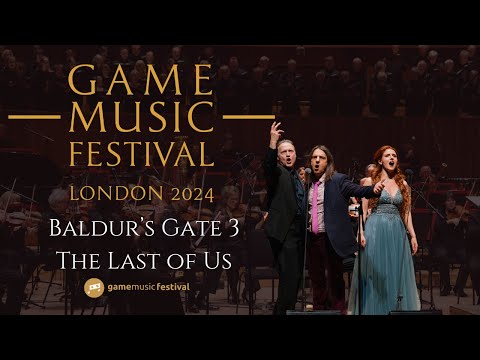
- The Baldur’s Gate 3 Victory Tour (2024): Following the game’s sweeping success at various award ceremonies, composer Borislav Slavov joined performers like Andrew Wincott and Mariya Anastasova for a series of sell-out shows. The inclusion of vocal performances, specifically "Raphael’s Final Act," transformed the orchestral setting into a theatrical event, blending operatic scale with rock-and-roll energy.
- The Soundtrack Festival and Elden Ring (2024-2025): Major venues like the Royal Albert Hall hosted dedicated suites for Elden Ring and Final Fantasy VII Rebirth. These events drew international crowds, with fans traveling from across Europe to witness the translation of FromSoftware’s haunting choral arrangements into a live environment.
- The Game Music Festival London (2026): This year’s festival showcased the diversity of the genre. The Infernal Symphony celebrated the anniversary of the Diablo series, featuring the "hauntingly beautiful" scores of Diablo IV. Simultaneously, the Hades concert brought the modern, "off-kilter" sounds of Supergiant Games to the forefront, featuring audio director Darren Korb and vocalists Erin Yvette and Ashley Barrett.
- Persona Grooves and Shoji Meguro: In a landmark event, legendary composer Shoji Meguro performed in London for the first time. By blending orchestral elements with jazz, rock, and J-pop influences from the Persona series, the concert demonstrated that VGM is not limited to traditional symphonic structures but can encompass a wide array of musical genres.
The Legitimacy of Video Game Scores as Standalone Art
A key driver behind the success of these concerts is the fact that video game music no longer lives exclusively within the digital confines of the game. Composers Stephen Barton and Gordy Haab, known for their work on the Star Wars Jedi series, have highlighted the massive digital footprint of game soundtracks. Millions of daily streams and extensive use in social media content on platforms like Instagram, TikTok, and Twitch have forced the broader record industry to acknowledge VGM as a legitimate and high-demand genre.
In professional circles—including major award shows and industry mixers—video game scores are now treated with the same respect as film scores. This is partly due to the iterative nature of modern game development. In the cases of Hades II and Baldur’s Gate 3, composers like Korb and Slavov were involved from the earliest stages of production. The music was developed alongside the game’s narrative and mechanics, resulting in a cohesive artistic vision where the score is fundamental to the experience rather than an afterthought. This deep integration resonates with fans, who seek out live performances to recapture the emotional weight of their gameplay experiences.
Community Building and the Nexus of Fandom
Beyond the music itself, these orchestral events serve as vital community hubs. For many franchises, there are few dedicated physical spaces for fans to congregate. While large-scale conventions like BlizzCon offer some opportunities, they often prioritize gameplay announcements over artistic celebration. Orchestral concerts fill this void, acting as a "nexus" where fans from around the world can meet.

The communal aspect is particularly strong for titles with "off-kilter" or indie origins. While blockbuster titles like Diablo draw large crowds, the sell-out success of Hades and Baldur’s Gate 3—games made outside the traditional "AAA" blockbuster model—suggests a shift in player loyalty. These concerts provide a platform for "the new guard" of game development, proving that artistic depth and character-driven storytelling can command the same cultural presence as long-running industry behemoths.
Human Creativity in the Age of Generative AI
The rise of live orchestral VGM also serves as a significant counter-movement to the proliferation of generative artificial intelligence in the arts. Industry professionals and fans alike have pointed to the live concert as a "quintessential celebration of human creativity and skill." The technical proficiency required to perform complex arrangements live, the emotional nuance provided by human vocalists, and the spontaneous energy of a conductor are elements that AI cannot replicate.
For composers like Borislav Slavov, who has actively campaigned for the recognition of game music alongside film, these live performances are a testament to the "artisanship, knowledge, and talent" inherent in the medium. The unity of a 60-piece orchestra and a choir performing a piece like "I Am Gonna Claw (Out Your Eyes and Drown You to Death)" from Hades II serves as a powerful reminder of the human element in digital entertainment.

Broader Implications and Future Outlook
The continued success of the Game Music Festival and similar initiatives suggests that the "symphonic game concert" is now a permanent fixture of the global cultural calendar. As the line between different forms of media continues to blur, the influence of video game music is expected to expand further into the mainstream.
The implications for the music industry are profound. Orchestras that once struggled to attract younger audiences have found a sustainable model for growth. Composers who were once confined to the "tech" sector of the entertainment industry are now being celebrated as modern maestros. Most importantly, the fans—who once enjoyed these scores in the isolation of their homes—now have a grand, public stage upon which to celebrate their passion. The transition of video game music from the console to the concert hall is more than a trend; it is the final recognition of the medium as a pillar of contemporary art.