admin
admin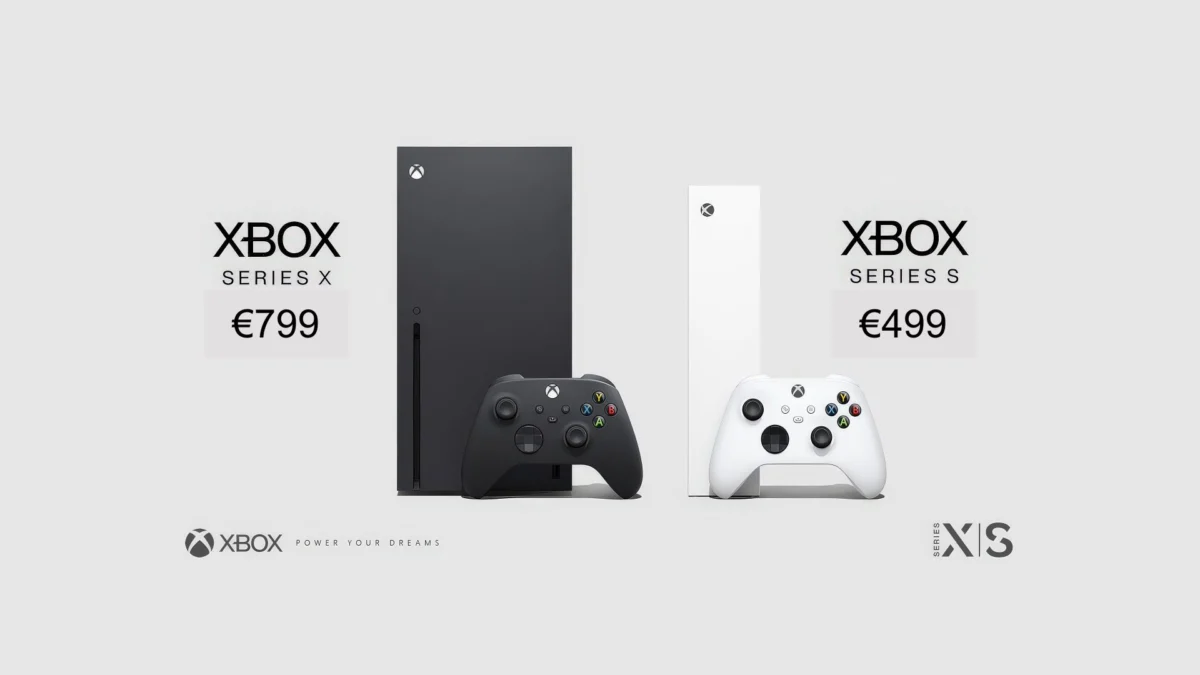
On August 1, 2026, Microsoft officially enacted a significant price restructuring for its Xbox Series X and Series S hardware across European and British markets, following through on a global strategy first signaled in late June. The price adjustments, which see some hardware SKUs increasing by as much as €200 or £170, mark a pivotal shift in the company’s hardware strategy. While Microsoft initially announced the price hikes on June 25, 2026, citing an ongoing crisis in the memory and storage component supply chain, the full extent of the regional increases remained undisclosed to European and UK consumers until they became effective at retail today.
This move comes at a critical juncture for the gaming industry, as manufacturers grapple with the rising costs of NAND flash memory and high-performance semi-conductors. However, the magnitude of the increase has surprised many industry analysts, particularly as the Xbox Series S—originally marketed as the most affordable entry point into the current console generation—has now moved into a price bracket formerly reserved for flagship hardware.
Detailed Breakdown of the New Pricing Structure
The revised pricing reflects a departure from the traditional console life cycle, where hardware typically becomes more affordable as the generation matures. Instead, the "component crisis" has forced Microsoft’s hand, leading to the following price points across the European Union and the United Kingdom:
European Union Pricing Adjustments
In the Eurozone, the price increases are uniform across the high-end models but particularly impactful for the entry-level Series S.
- Xbox Series S (512GB): Increased from €349.99 to €499.99 (a €150 increase).
- Xbox Series S (1TB): Increased from €399.99 to €599.99 (a €200 increase).
- Xbox Series X Digital (1TB): Increased from €549.99 to €749.99 (a €200 increase).
- Xbox Series X (1TB with Disc Drive): Increased from €599.99 to €799.99 (a €200 increase).
United Kingdom Pricing Adjustments
The UK market faces similar steep climbs, with the local currency increases exceeding the standard exchange rate conversions seen in the North American market.
- Xbox Series S (512GB): Increased from £299.99 to £429.99 (a £130 increase).
- Xbox Series S (1TB): Increased from £349.99 to £519.99 (a £170 increase).
- Xbox Series X Digital (1TB): Increased from £449.99 to £619.99 (a £170 increase).
- Xbox Series X (1TB with Disc Drive): Increased from £499.99 to £669.99 (a £170 increase).
While Microsoft’s June announcement suggested global increases of approximately $100 for 512GB systems and $150 for 1TB models, the European and UK figures represent a materially higher burden for consumers in those regions. Analysts suggest that these figures likely account for both component costs and the logistical complexities of the European supply chain, alongside regional VAT (Value Added Tax) considerations.
Chronology of the Component Crisis and Xbox’s Response
The path to these price increases began in late 2025, when a series of supply chain disruptions affected the production of NAND flash memory and GDDR6/7 RAM—components vital to the high-speed SSDs and graphical performance of the Xbox Series consoles.
- Late 2025: Initial reports of semiconductor shortages specifically targeting high-capacity storage modules began to surface, leading to increased procurement costs for Sony and Microsoft.
- March 2026: Internal reports from Microsoft’s hardware division suggested that the manufacturing cost of the Xbox Series X had surpassed its retail price by a margin no longer sustainable by software sales alone.
- June 25, 2026: Microsoft officially announces that a price hike will take effect on August 1. US pricing is confirmed, but international specifics are withheld.
- July 2026: Retailers across Europe report a surge in "panic buying" as consumers attempt to secure hardware at the original MSRP before the August deadline.
- August 1, 2026: The new pricing goes live on the Microsoft Store and across major retail partners, confirming the €200/£170 maximum increases.
Comparative Market Analysis: Microsoft vs. Sony
Microsoft is not alone in its struggle with the current economic climate. Sony Interactive Entertainment also recently implemented price hikes for the PlayStation 5 and the newly released PlayStation 5 Pro. Both companies are drawing from the same pool of component suppliers, making them equally vulnerable to market volatility.
However, the market context for these increases differs significantly between the two rivals. According to the latest hardware shipment data, Sony has shipped over 95 million PlayStation 5 units globally. In contrast, while Microsoft stopped reporting official hardware sales figures years ago, industry estimates place the Xbox Series X/S total at approximately 35 million units. This represents the second-largest sales gap between the two brands in their history, trailing only the disparity seen during the original Xbox and PlayStation 2 era.
The decision to raise prices so aggressively is seen by some as a missed opportunity to gain market share. Historically, Microsoft has used its vast corporate treasury to subsidize hardware losses in order to build an install base. With Rockstar Games’ Grand Theft Auto VI—arguably the most anticipated media release of the decade—on the horizon, a lower-priced Xbox could have served as a "GTA machine" for millions of casual gamers. By choosing to prioritize immediate hardware profitability over market expansion, Microsoft appears to be shifting its focus away from the "loss-leader" model.

Strategic Shift: The Nadella Mandate
The catalyst for this change in direction appears to come from the highest levels of Microsoft corporate leadership. CEO Satya Nadella has been vocal about the need for the Xbox division to operate as a self-sustaining business unit, especially following the massive capital expenditure required for the $68.7 billion acquisition of Activision Blizzard King.
During a recent earnings call, Nadella stated that after 25 years of heavy investment and market entry, the gaming division must now focus on sustainable growth and margin protection. This mandate was reinforced by Xbox CEO Asha Sharma, who, despite the price hikes, recently reaffirmed the company’s ambitious goal of reaching 500 million daily players by 2030.
To reach such a lofty goal while simultaneously raising the barrier to entry for hardware, Microsoft is expected to lean more heavily on its cloud gaming infrastructure and the expansion of Xbox Game Pass to third-party devices, such as smart TVs and handheld PCs. The hardware is increasingly being viewed not as the sole gateway to the Xbox ecosystem, but as a premium tier for enthusiasts willing to pay the market rate.
Broader Economic and Industry Implications
The price hike has sent ripples through the gaming community and the broader consumer electronics sector. Several key implications have emerged:
1. The End of the "Budget" Console
The Xbox Series S was designed to be the "everyman’s" console. At its new price point of €499.99 for the 512GB model, it now costs more than the original launch price of the PlayStation 5 Digital Edition. This effectively eliminates the "entry-level" tier of the current generation, potentially pushing budget-conscious consumers toward the second-hand market or older-generation hardware.
2. Upward Pressure on Software and Services
With hardware becoming more expensive, there is concern that Microsoft may also look to adjust the pricing of Xbox Game Pass and digital software to maintain the "sustainable growth" demanded by Nadella. If the cost of entry is higher, the value proposition of the subscription service becomes even more vital to retaining the current user base.
3. Impact on Retailers
European retailers have expressed concern that the price hike could lead to a stagnation of hardware sales during the upcoming holiday season. While Grand Theft Auto VI will undoubtedly drive hardware interest, the significantly higher "buy-in" cost may lead consumers to delay their purchases or opt for PC upgrades instead.
4. Supply Chain Transparency
The "memory and storage component crisis" has highlighted the fragility of the global tech supply chain. Industry experts suggest that until new semiconductor fabrication plants (fabs) in the US and Europe become fully operational later this decade, manufacturers will remain at the mercy of localized supply shocks and fluctuating material costs.
Conclusion
As of today, the landscape of the console market has fundamentally changed. Microsoft’s decision to implement these substantial price hikes across Europe and the UK reflects a "realpolitik" approach to the gaming business—one where the financial realities of manufacturing and corporate sustainability take precedence over aggressive market share acquisition.
For the consumer, the message is clear: the era of subsidized, high-end gaming hardware is drawing to a close. Whether Microsoft can achieve its goal of half a billion daily players while pricing its physical entry point at nearly €500 remains to be seen. As the industry moves toward the 2026 holiday season and the looming shadow of GTA VI, the success of this strategy will be one of the most watched metrics in the tech world. For now, the Xbox Series X and S remain premium products with a price tag that reflects their sophisticated, albeit increasingly expensive, internals.