Garick Elordi
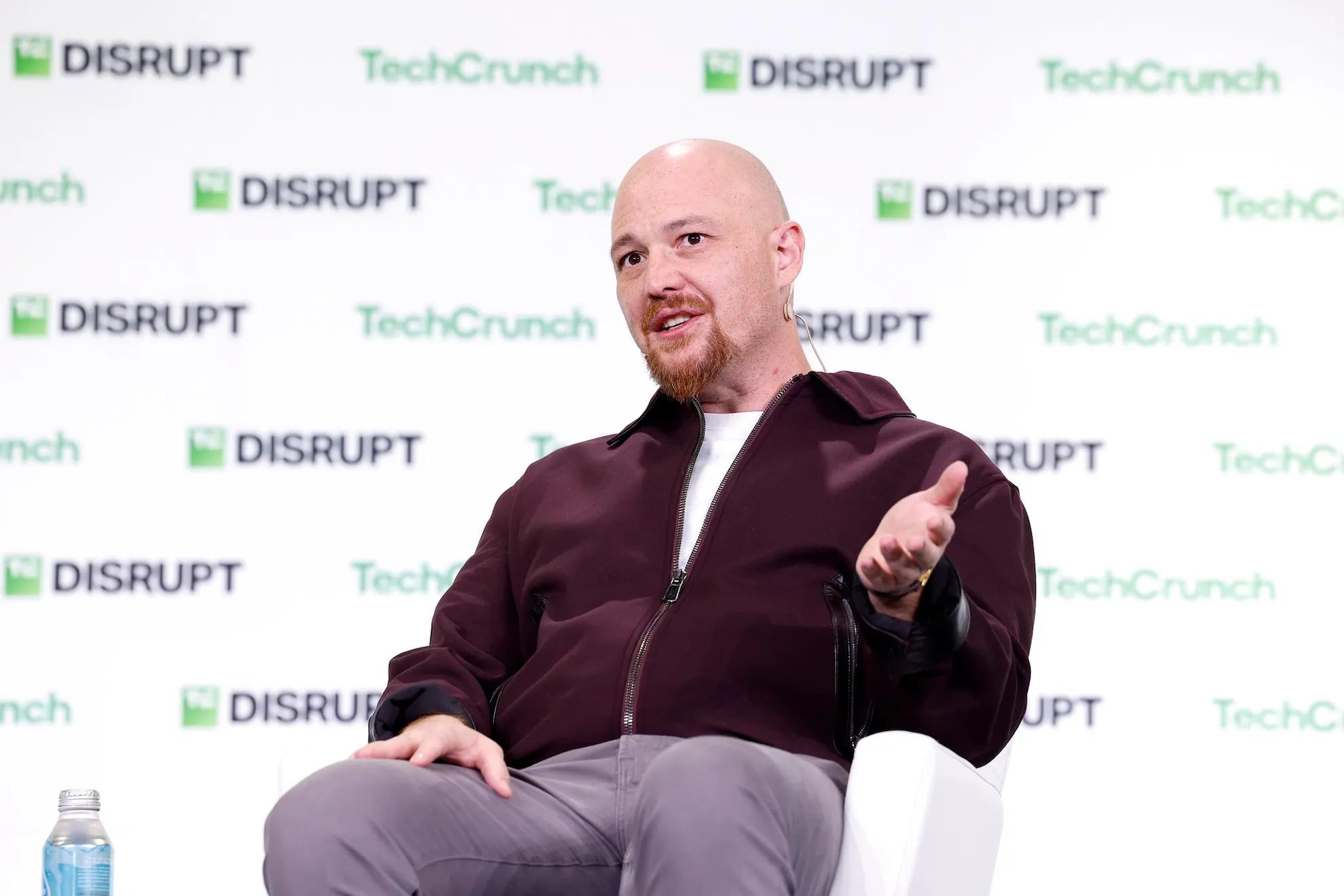
The landscape of licensed video game revivals shifted significantly over the weekend as Matt Groening, the legendary creator of The Simpsons, suggested that the franchise’s most iconic gaming title, The Simpsons: Hit & Run, may be poised for a return. Speaking during a dedicated Simpsons panel at Disney’s D23: The Ultimate Disney Fan Event in Anaheim, California, Groening provided a brief but tantalizing update regarding the 2003 title. When an audience member inquired about the possibility of a sequel or a modern update for the Grand Theft Auto-inspired adventure, Groening noted that he believed the original game was "coming back in some form." The comment, while brief, immediately sparked widespread speculation across the gaming industry, despite an immediate attempt by current showrunner Matt Selman to mitigate the statement by adding a playful "…or not."
The exchange occurred during the "Stories from Springfield" panel, which celebrated the long-running animated series’ unprecedented longevity and its upcoming 800th episode. Groening’s admission is the most direct acknowledgement of a potential project involving the Hit & Run intellectual property in over two decades. While Selman’s interjection suggested that no formal announcement was intended for the event, the "slip" has reignited a decade-long conversation regarding the preservation and modernization of a title that many consider the pinnacle of licensed television-to-game adaptations.
The Legacy and Impact of Hit & Run
To understand the weight of Groening’s comment, one must look back at the original release of The Simpsons: Hit & Run in September 2003. Developed by Radical Entertainment and published by Vivendi Universal Games, the title was released for the PlayStation 2, Xbox, GameCube, and Microsoft Windows. At the time, the gaming industry was being reshaped by the massive success of Rockstar Games’ Grand Theft Auto III and Vice City. Radical Entertainment successfully applied that open-world, mission-based formula to the town of Springfield, creating a sandbox that felt authentic to the show’s humor and aesthetic.
The game allowed players to control Homer, Bart, Lisa, Marge, and Apu across seven levels, each featuring a distinct section of Springfield. Beyond the driving mechanics, the game featured platforming elements, hidden collectibles, and a script written by the show’s actual writing staff, featuring the full original voice cast. Hit & Run was a massive commercial success, selling over 3 million copies worldwide by 2007 and earning "Greatest Hits" status on the PlayStation 2. Critics praised it for being more than a simple "GTA clone," noting its deep reverence for the source material and its engaging gameplay loop.
The Radical Entertainment Rebranding and Recent Clues
The timing of Groening’s comment aligns with several industry developments that suggest a revival has been in the planning stages for some time. Radical Entertainment, the studio behind the original game, underwent significant changes after being acquired by Activision in 2008. For years, the studio existed primarily as a support entity, but recent reports indicate a rebranding. A new entity, New Radical Games, has surfaced with a focus specifically on remastering and revitalizing classic titles.
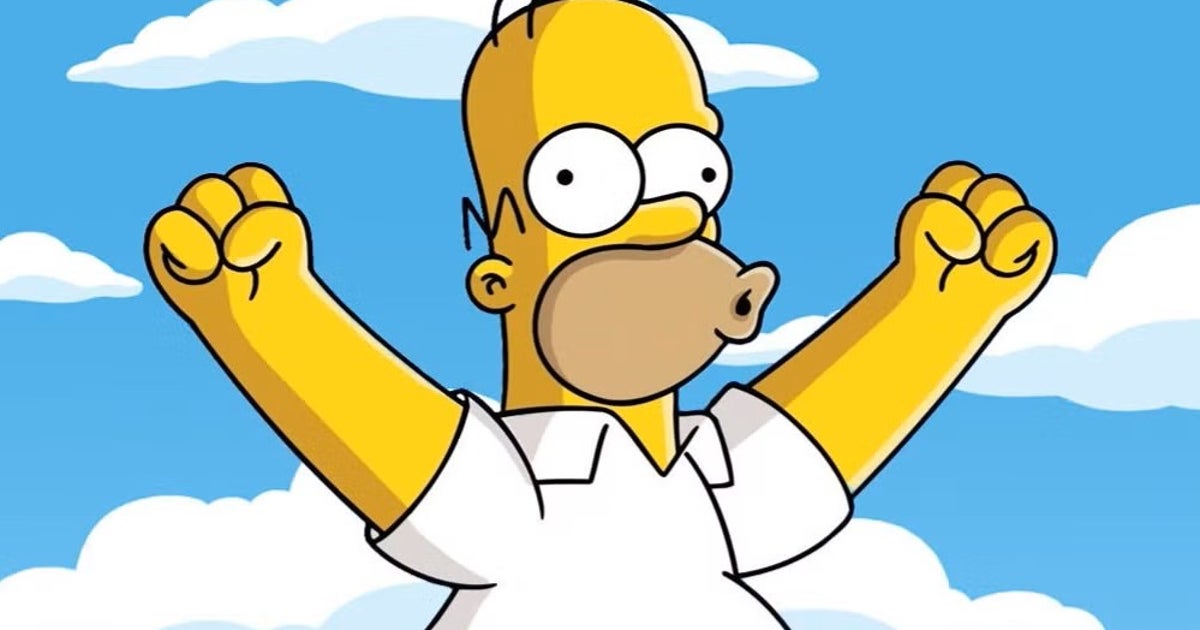
Observers have noted that the New Radical Games website prominently features imagery and references to The Simpsons: Hit & Run, fueling rumors that the studio has been tasked with bringing the title to modern platforms. In the current gaming climate, where remasters of sixth-generation classics—such as the Tony Hawk’s Pro Skater 1+2 and the Spyro Reignited Trilogy—have seen massive success, a Hit & Run revival is viewed by analysts as a low-risk, high-reward endeavor for Disney.
A History of Missed Opportunities and Cancelled Sequels
The path to a potential revival has been fraught with corporate hurdles. In 2023, John Melchior, a former executive producer at Vivendi Universal, revealed in an interview that a sequel to Hit & Run was not only planned but had already entered early development following the success of the first game. According to Melchior, the team at Radical Entertainment had developed a prototype for Hit & Run 2, which included expanded vehicle physics and more complex interior environments.
Simultaneously, Matt Groening had reportedly pitched a separate medieval-themed Simpsons game that would have utilized the same engine. However, despite the original game’s profitability and the developers’ enthusiasm, the relationship between the Simpsons brand and its publishers shifted. Melchior noted that Vivendi eventually turned down a lucrative deal for five additional Simpsons games, a decision that he described as "mystifying" at the time. The rights to produce Simpsons games eventually migrated to Electronic Arts (EA), which focused on different styles of play, such as 2007’s The Simpsons Game and the mobile powerhouse The Simpsons: Tapped Out.
Matt Selman’s Advocacy and the "Never Say Never" Stance
While Matt Groening’s D23 comment was the most explicit hint of a return, showrunner Matt Selman has been vocal about his desire to see the game return for years. Selman, who served as a writer on the 2003 game, has often spoken about the "cult success" of the title. Earlier this year, during a press circuit for the show’s landmark 35th season, Selman addressed the possibility of a remake, stating, "I would love to see a remastered version of [Hit & Run], I would. But it’s a complicated corporate octopus to make all that happen."
Selman’s previous comments highlight the primary obstacle to a revival: licensing. The original game involved a complex web of stakeholders, including Gracie Films, 20th Century Fox (now owned by Disney), Radical Entertainment (now owned by Activision/Microsoft), and Vivendi (whose gaming assets were absorbed into Activision). Navigating the legalities of music rights, voice acting contracts, and engine licensing for a twenty-year-old game is a monumental task. However, with Disney now owning the core IP and Microsoft’s recent acquisition of Activision, the number of "arms" on that corporate octopus has been significantly reduced, potentially smoothing the path for a deal.
Technical Demands and Modern Expectations
If The Simpsons: Hit & Run is indeed returning "in some form," the industry remains divided on whether it will be a simple high-definition remaster or a full-scale remake. Modern audiences have seen the bar raised by projects like the Resident Evil remakes and Final Fantasy VII Rebirth. A simple port of the 2003 code might struggle to meet modern standards regarding draw distance, loading times, and control sensitivity.

Furthermore, the fan community has already demonstrated the potential of a modern version. Independent developer Reuben Ward gained significant internet fame by recreating the first level of Hit & Run in Unreal Engine 5, showcasing how Springfield could look with modern lighting, 4K textures, and seamless transitions between vehicles and interiors. While Ward’s project was a fan-made tribute and not a commercial product, its viral success proved to Disney and rights holders that there is a massive, untapped market for a modernized version of the game.
The Broader Impact on Disney’s Gaming Strategy
The potential return of Hit & Run fits into a broader shift in Disney’s approach to the video game industry. Under the leadership of Disney Games’ Sean Shoptaw, the company has moved away from internal development, instead opting to license its massive portfolio of IPs to specialized third-party developers. Recent successes like Marvel’s Spider-Man and the announcement of an upcoming Indiana Jones title from Bethesda suggest that Disney is keen on leveraging its classic franchises for high-quality gaming experiences.
The Simpsons remains one of Disney’s most valuable "evergreen" properties. As the show approaches its 800th episode, the company is looking for ways to engage younger audiences who may not watch the linear broadcast but are active in the gaming ecosystem. A revived Hit & Run would serve as both a nostalgia play for millennials and an entry point for Gen Z and Alpha gamers.
Conclusion and Future Outlook
While Matt Groening’s comments at D23 were not a formal product announcement, they represent a significant shift in the official narrative surrounding The Simpsons: Hit & Run. For two decades, fans were told that the game’s return was a legal impossibility. Now, the creator of the series himself has signaled that the wheels are in motion.
Whether this takes the form of a "remastered collection," a full remake, or a long-awaited sequel, the "original game coming back" suggests that Disney is finally ready to address the most frequent request from its gaming community. As the industry awaits a formal trailer or press release, the confirmation that the project exists "in some form" ensures that the legacy of the 2003 classic will continue into the next generation of hardware. For now, the residents of Springfield—and the millions of players who once navigated its chaotic streets—remain in a state of high anticipation for an official return to the world’s most famous animated town.