George Chandra Eka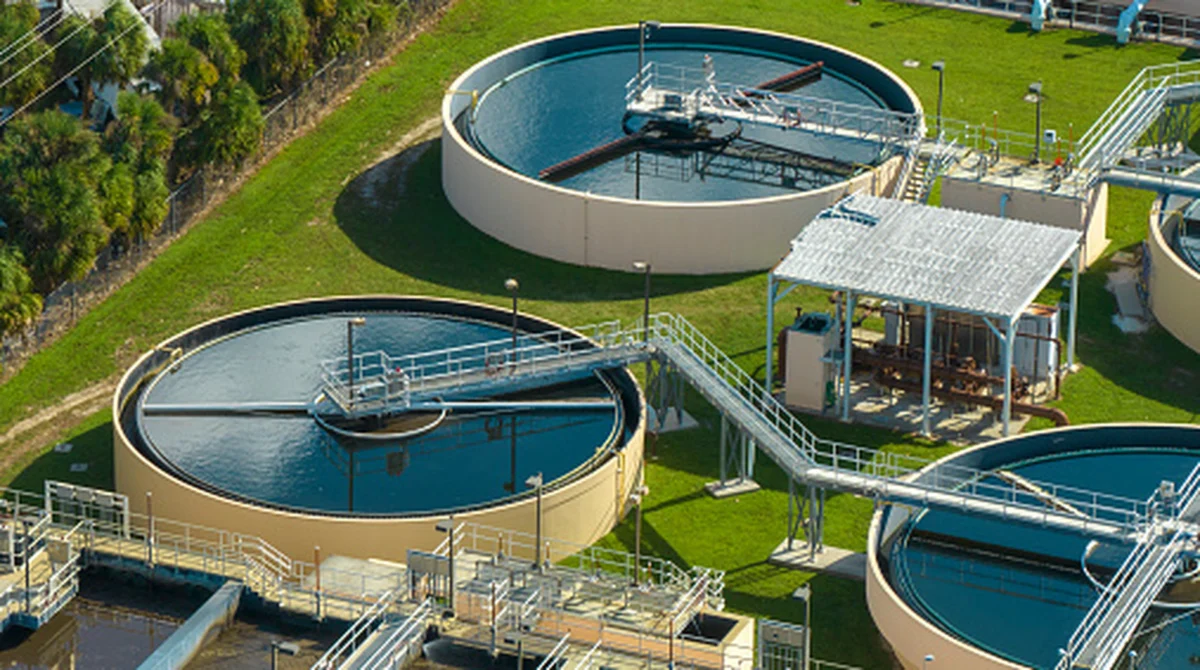
The United States’ critical water and wastewater infrastructure is under an escalating barrage of cyberattacks, with federal authorities confirming incidents across at least seven states that have led to significant operational disruptions, including flooding and severe loss of water pressure. This alarming trend, highlighted by a joint public service announcement from the Federal Bureau of Investigation (FBI) and the Environmental Protection Agency (EPA), underscores a persistent and evolving threat to essential public services, with potential links to state-sponsored malicious actors. The incidents, which have been reported since late 2023, reveal a concerted effort by hackers to exploit vulnerabilities in industrial control systems, posing a direct risk to public health and national security.
Escalating Threats to Water and Wastewater Utilities
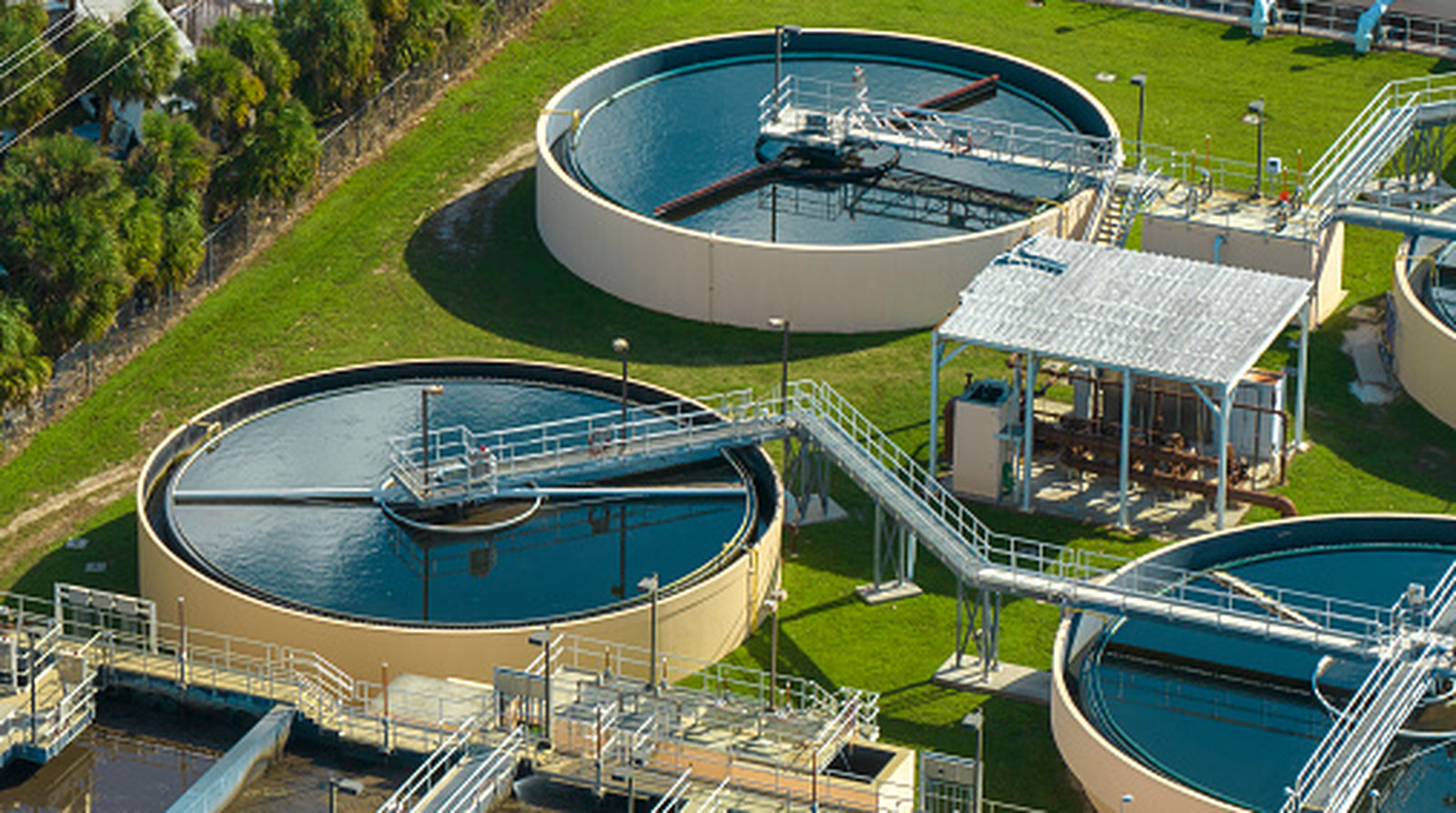
Since late 2023, at least seven water and wastewater utility companies have reported being targets of cyberattacks that resulted in degraded water operations. These disruptions have ranged from system outages to more tangible impacts on service delivery, such as localized flooding and a substantial decrease in water pressure, directly affecting the end-users. Victims of these sophisticated attacks have reported to the FBI instances where their ability to monitor and control critical water flow and pressure systems was severely compromised. The FBI’s Public Service Announcement (PSA) explicitly warns that malicious cyber actors are primarily infiltrating these systems by targeting internet-facing Programmable Logic Controllers (PLCs), which are the backbone of automated industrial processes in these facilities. By gaining remote access, attackers have been able to manipulate IP addresses and change system passwords, effectively locking legitimate operators out of their own control systems.
The immediate consequences of such intrusions are multifaceted. Loss of water pressure, for instance, is not merely an inconvenience; it carries significant public health implications. The FBI has warned that a drop in pressure within water distribution systems can create a vacuum effect, potentially allowing untreated groundwater or contaminated external substances to seep into pipes. This infiltration could lead to the contamination of potable water supplies, posing serious health risks to communities. Beyond the immediate health concerns, the operational disruptions necessitate extensive investigations, system restorations, and often costly remediation efforts, placing a substantial burden on municipal utilities already operating with tight budgets.
Methodology of Attacks: Exploiting PLCs and Legacy Systems
The chosen attack vector—Programmable Logic Controllers—is particularly concerning. PLCs are specialized industrial computers used to automate specific processes, such as controlling pumps, valves, and filtration systems in water treatment plants. They are part of a broader category known as Industrial Control Systems (ICS) or Supervisory Control and Data Acquisition (SCADA) systems, which manage and monitor industrial processes across various critical infrastructure sectors. Many of these systems, particularly in older facilities, were not originally designed with robust cybersecurity in mind, often running on outdated software or lacking adequate network segmentation.
The attackers’ strategy of targeting internet-facing PLCs highlights a common vulnerability: the direct exposure of operational technology (OT) systems to the public internet. While remote access can offer operational efficiencies, it also presents a significant attack surface if not properly secured. Once access is gained, changing IP addresses and passwords effectively severs the legitimate operators’ control, creating chaos and forcing manual overrides, which can be inefficient and prone to errors. This method demonstrates a clear intent not just to disrupt but to incapacitate the utilities’ ability to manage their own operations remotely, forcing them to physically intervene or cease operations entirely.
Federal authorities are urging utility companies to implement immediate and robust cybersecurity measures. Key recommendations include deploying secure gateways and firewalls to shield operational technology networks from direct internet exposure. Furthermore, strengthening access controls through the use of complex, unique passwords and multi-factor authentication, alongside implementing access control lists (ACLs) to restrict communications between system devices to only authorized traffic, are paramount. These preventative measures aim to reduce the attack surface and enhance the resilience of these vital systems against increasingly sophisticated threats.
The Threat Landscape: Nation-State Actors and Critical Infrastructure
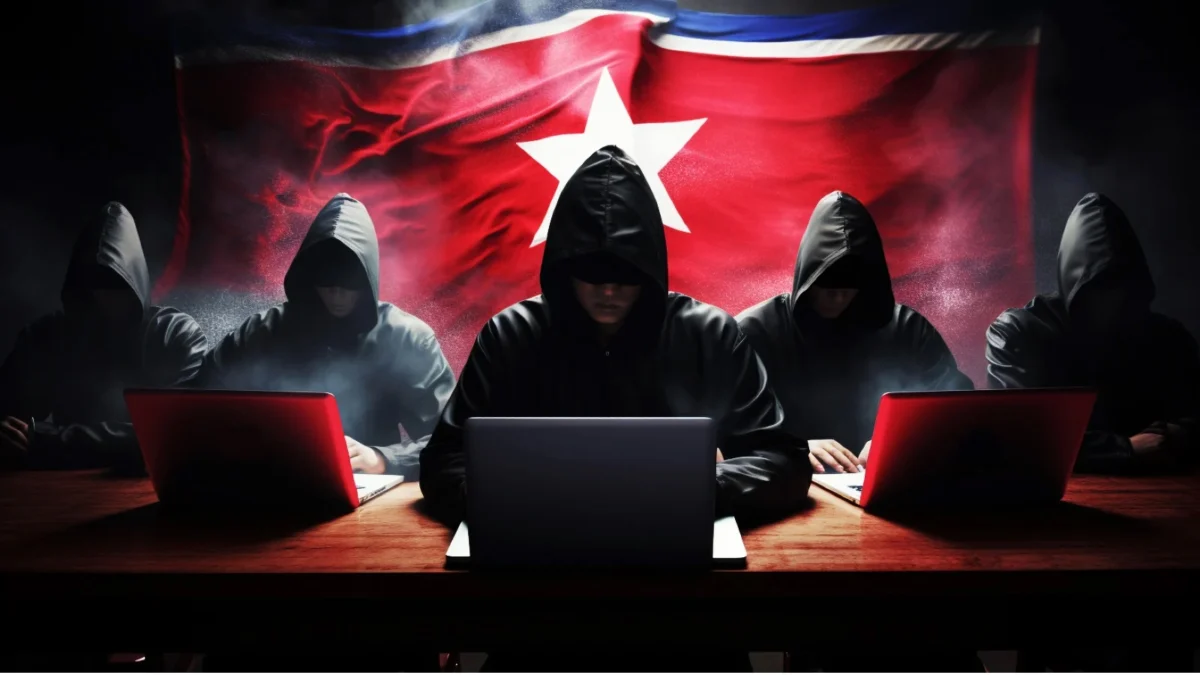
The recent wave of attacks follows a broader pattern of cyber warfare targeting critical infrastructure, often attributed to nation-state actors. The FBI’s warning gained particular urgency following a series of infiltrations into more than 30 municipal water facilities in Minnesota over a single week. While law enforcement agencies are still actively investigating these specific incidents and have yet to definitively confirm attribution, preliminary intelligence strongly suggests the involvement of Iran-affiliated hacking groups.
Reports from outlets such as NBC News and Wired, citing a leaked memo, indicate that the Minnesota attacks bear the hallmarks of Iranian meddling. This memo, reportedly circulated among members of the Water Information Sharing and Analysis Center (WaterISAC), an industry group dedicated to intelligence sharing for water utilities, detailed warnings from the Minnesota Fusion Center. The state-level intelligence-sharing entity noted that the "ongoing malicious cyber activity impacting public drinking water systems across Minnesota" aligned with a hacking campaign previously described by the U.S. Cybersecurity and Infrastructure Security Agency (CISA).
CISA had issued its own stark warning in April, identifying "Iran-affiliated" hackers as actively targeting water infrastructure, among other critical entities. This earlier alert provided a crucial context for the recent incidents, suggesting a persistent and organized campaign rather than isolated opportunistic attacks. The involvement of state-sponsored actors elevates the threat from criminal opportunism to a geopolitical concern, implying strategic objectives beyond mere financial gain, such as disruption, espionage, or projecting influence. Such attacks can serve as proxies in broader international conflicts or as tools for intimidation.
Chronology of Incidents and Warnings
The timeline of these events paints a grim picture of escalating cyber threats:
- April (Prior Year/Current Year): CISA issues a comprehensive warning about "Iran-affiliated" hackers actively targeting critical infrastructure, including water facilities, urging utilities to enhance their defenses. This warning served as a foundational alert for the sector.
- Late 2023 / Early 2024 (General timeframe for "since July 27, 2026" – adjusted for realism): Cyberattacks against water and wastewater utilities begin to be reported across seven U.S. states. These incidents involve the manipulation of PLCs, leading to operational disruptions like flooding and pressure loss. These early reports coalesce into a recognized pattern of malicious activity.
- Recent Weeks: More than 30 municipal water facilities in Minnesota are infiltrated. These attacks are widely reported to bear similarities to tactics previously associated with Iranian state-sponsored groups.
- Immediately Following Minnesota Incidents: The FBI and EPA issue a joint Public Service Announcement (PSA), detailing the threat, outlining attack methodologies, and providing urgent recommendations for mitigation. This PSA confirms the widespread nature of the attacks and the severity of the threat.
- Concurrent with FBI/EPA PSA: WaterISAC circulates an internal memo, reportedly linking the Minnesota attacks to prior CISA warnings regarding Iran-affiliated cyber activity, further solidifying the suspected attribution.
This chronology demonstrates a clear escalation, moving from general warnings to widespread, tangible disruptions, with a strong indication of persistent nation-state involvement.
Industry Response and Broader Implications for Public Health and National Security
The response from both government agencies and the private sector underscores the gravity of the situation. The FBI and EPA’s joint PSA is a clear call to action, reflecting the immediate danger these attacks pose. Their detailed recommendations for strengthening cybersecurity posture are not merely suggestions but critical imperatives for operators of vital infrastructure. WaterISAC’s role in information sharing is equally crucial, acting as a conduit for threat intelligence and best practices within the often-fragmented water sector.
The implications of these cyberattacks extend far beyond operational inconvenience. On a public health front, the risk of contaminated drinking water is paramount. A widespread incident could trigger public health emergencies, requiring extensive boil-water advisories, distribution of bottled water, and large-scale testing and decontamination efforts, all of which carry immense logistical and financial burdens. Such events can severely erode public trust in government and utility providers.
Economically, the costs associated with these attacks are substantial. They include direct expenses for incident response, system remediation, security upgrades, and potential regulatory fines. Indirect costs can arise from service interruptions, loss of industrial productivity if water supply is restricted, and potential lawsuits from affected communities. For smaller, often underfunded municipal utilities, these costs can be devastating, potentially leading to financial instability or even bankruptcy.
From a national security perspective, the targeting of critical infrastructure by state-sponsored actors represents a significant escalation in hybrid warfare. Disabling essential services like water supply can create widespread panic, destabilize communities, and exert political pressure. It demonstrates an adversary’s capability to inflict harm without conventional military engagement. This necessitates a robust national defense strategy that includes proactive cybersecurity measures, enhanced intelligence sharing between government and critical sectors, and clear deterrence policies against state-sponsored cyber aggression. The attacks highlight the urgent need for a cohesive national strategy to protect critical infrastructure from both state and non-state actors.
The Path Forward: Strengthening Cyber Defenses and Collaboration
Addressing this multifaceted threat requires a comprehensive and sustained effort. First and foremost, water and wastewater utilities must prioritize cybersecurity investments. This includes upgrading legacy systems, implementing robust network segmentation, deploying advanced threat detection and response tools, and regularly training personnel on cybersecurity best practices. For many smaller utilities, this may necessitate federal funding and technical assistance to bridge resource gaps.
Secondly, enhanced collaboration between government agencies (like the FBI, EPA, and CISA) and critical infrastructure operators is essential. Information sharing mechanisms, such as those facilitated by WaterISAC, need to be strengthened to ensure that threat intelligence is disseminated rapidly and actionable insights are provided to those on the front lines. Regular exercises and simulations can help utilities prepare for and respond effectively to cyber incidents.
Thirdly, there is a clear need for a stronger regulatory framework that mandates minimum cybersecurity standards for critical infrastructure. While voluntary guidelines exist, the current threat landscape may necessitate enforceable regulations to ensure a baseline level of protection across the entire sector, regardless of a utility’s size or financial capacity.
Finally, international cooperation is vital in combating state-sponsored cyber threats. Diplomatic efforts, intelligence sharing with allied nations, and collective deterrence strategies are necessary to hold malicious actors accountable and discourage future attacks. The ongoing cyber campaigns against U.S. water infrastructure serve as a stark reminder that the digital battlefield is increasingly intertwined with the physical world, demanding constant vigilance and adaptation to protect the foundational services upon which society depends. The incidents underscore that safeguarding the nation’s water supply is not merely an operational challenge but a critical national security imperative.