Vera Intan Clara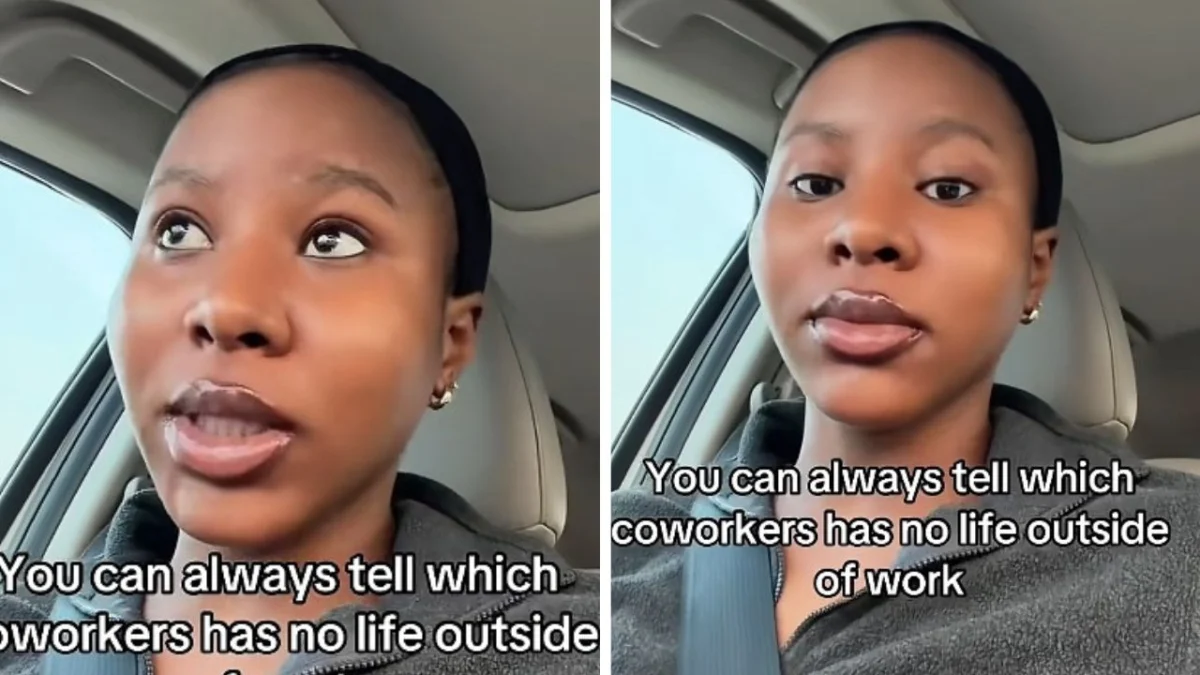
A recent TikTok video shared by creator Meray (@luv.merayy) has ignited a widespread discussion across digital platforms and real-world workplaces, focusing on the nuanced topic of employee engagement and the perception of work-life balance. Meray’s concise observation, highlighting coworkers who appear to have minimal lives outside their professional roles, resonated deeply with millions, prompting an extensive commentary on modern workplace culture, individual choices, and societal expectations. The video, which accumulated over 799,000 likes and more than 4,000 comments at the time of initial reporting, underscored the potent ability of social media to transform personal anecdotes into public discourse, particularly concerning the often-unspoken rules and dynamics of professional environments.
The core of Meray’s viral message was simple yet provocative: "You can always tell which coworker has no life outside of work." Delivered with a disarming "No shade," her comment was not intended as an attack but rather as a casual observation drawn from experiences across multiple jobs. This seemingly innocuous statement tapped into a vein of shared sentiment, revealing the complex ways employees perceive each other’s dedication, social lives, and boundaries. The ensuing debate quickly transcended the initial observation, delving into the psychological, economic, and social factors that influence an individual’s relationship with their workplace.
The Genesis of a Viral Phenomenon: TikTok as a Mirror to Workplace Realities
Meray’s video emerged on TikTok, a platform that has increasingly become a significant forum for contemporary workplace discussions. Unlike traditional professional networking sites or anonymous forums, TikTok allows for short, often humorous, and highly relatable content that can quickly go viral, drawing in diverse perspectives. This platform’s format fosters a sense of authenticity and directness, enabling users to share experiences that might otherwise remain confined to private conversations. Meray’s observation, while anecdotal, provided a common reference point for many, validating experiences that some employees might have felt but hesitated to articulate. The rapid spread of her video highlights TikTok’s role in democratizing workplace discourse, giving a voice to collective frustrations, shared understandings, and often, humorous takes on the daily grind. This trend reflects a broader societal shift where younger generations, in particular, are more inclined to openly discuss workplace issues, mental health, and the importance of personal well-being, pushing back against traditional norms of silence and stoicism in professional settings.
A Deeper Look into Viewer Reactions: A Spectrum of Experiences and Perceptions
The comments section of Meray’s video became a microcosm of diverse workplace experiences, revealing a multifaceted understanding of what it means to be "always on" or overly invested in one’s job. Several distinct themes emerged from the thousands of responses:
-
The "Office as a Social Hub": Many viewers echoed the sentiment that some colleagues treat the workplace as their primary social outlet. One popular comment humorously stated, "Walk into work just to show off their no work clothes," implying that the office serves as a stage for individuals who lack significant external engagements. This perspective suggests that for some, the lines between professional interaction and personal socializing become blurred, leading to extended hours spent not on productive work but on informal conversations and community building. This can be particularly pronounced in environments where company culture fosters a strong sense of camaraderie, sometimes inadvertently encouraging an "always-on" presence.
-
Economic Necessity vs. Choice: A more poignant thread in the comments highlighted the economic realities that might compel individuals to spend more time at work. One user shared a frustration: "Why do they make fun of you when you have car problems?" and questioned why colleagues mock those who do not own cars. This comment subtly links employment to the fundamental goal of earning money for everyday expenses, suggesting that for some, long hours or a strong attachment to the workplace might not be a choice driven by a lack of external life, but a necessity born from financial insecurity or the desire to climb the economic ladder. For these individuals, the office might represent stability, opportunity, or simply a warm, safe place to be, especially if their home life is less appealing or stable.
-
The "Quiet Worker" Distinction: An important qualification came from a user who admitted fitting Meray’s description but added, "Me! I have no life outside of work! But I also keep to myself at work!" This response introduced a critical distinction between genuinely having a limited social life outside work and actively seeking attention or excessive socialization within the workplace. It highlighted that not all individuals who spend significant time at work are necessarily seeking to make the office their social club; some might simply be focused on their tasks, introverted, or have personal circumstances that lead to less engagement outside work hours, without imposing this on others.
-
Boundary Violations and "Presenteeism": A significant portion of the comments focused on behaviors that blur professional boundaries. Users expressed frustration with colleagues "Staying after their work hours just to talk… like what are we doing?" Others described coworkers arriving hours early or even visiting the office on their days off. This phenomenon, often termed "presenteeism," describes the act of being physically present at work beyond what is required, sometimes without a corresponding increase in productivity. As one user succinctly put it, "I’m not even coming near my work on my day off," encapsulating a widely held desire for clear separation between work and personal time. This underscores a growing expectation for employees to maintain firm boundaries to protect their personal lives and mental well-being.
Background Context: The Evolving Landscape of Work-Life Integration
The discussion sparked by Meray’s TikTok is not new but rather a contemporary iteration of long-standing debates surrounding work-life balance, hustle culture, and employee well-being. Historically, the industrial age glorified long hours and unwavering dedication, equating time spent at work with productivity and loyalty. However, the late 20th and early 21st centuries saw a gradual shift in this paradigm, driven by increased awareness of mental health, burnout, and the desire for a more fulfilling personal life.
The COVID-19 pandemic further accelerated this evolution. The sudden shift to remote and hybrid work models forced many to confront the blurred lines between their professional and personal spaces. For some, working from home provided unprecedented flexibility and the ability to integrate life and work more seamlessly. For others, it meant an "always-on" culture, with work spilling over into evenings and weekends, leading to increased stress and burnout. The "Great Resignation" and subsequent "Quiet Quitting" movements are direct consequences of this re-evaluation, as employees increasingly prioritize well-being, meaningful work, and clear boundaries over traditional notions of corporate loyalty and relentless striving. Meray’s observation taps into this post-pandemic recalibration of values, reflecting a collective introspection about where work fits into a well-rounded life.
Supporting Data: Quantifying the Work-Life Balance Challenge
The extensive engagement with Meray’s video reflects a pervasive struggle with work-life balance, a challenge substantiated by numerous studies and surveys:
- Prevalence of Burnout: According to a 2022 Gallup report, 76% of employees experience burnout at least sometimes, with 28% feeling it "very often" or "always." This is often linked to excessive workloads and an inability to disconnect.
- Long Working Hours: The International Labour Organization (ILO) reports that a significant portion of the global workforce regularly works more than 48 hours per week, with some countries showing even higher averages. In the United States, for example, a 2023 survey by Statista indicated that full-time employees work an average of 41 hours per week, but many professionals far exceed this.
- Impact on Mental Health: A study published in The Lancet found that working long hours is associated with an increased risk of stroke and ischemic heart disease. Beyond physical health, the mental toll of constant work, lack of leisure, and social isolation is well-documented, leading to anxiety, depression, and reduced overall life satisfaction.
- Generational Differences: Research by Deloitte shows notable generational differences in perceptions of work-life balance. Gen Z and Millennials, who constitute a growing portion of the workforce, tend to prioritize well-being and flexible working arrangements more than older generations, often viewing work as a means to an end rather than the sole defining aspect of their identity. This generational divide can often fuel the type of workplace observations Meray made, as different generations bring distinct expectations to the office.
- Cost of Living Pressures: The anecdotal comment about car problems and financial necessity aligns with broader economic trends. With rising inflation and stagnant wages in many sectors, employees may feel compelled to work longer hours, take on extra shifts, or simply stay at work longer to save on commuting costs or find comfort in a heated/cooled office, blurring the lines between choice and necessity.
Official Responses and Expert Commentary: Navigating the Nuances
While Meray’s video did not elicit direct "official responses" from specific organizations, the widespread discussion it generated aligns with ongoing efforts by HR professionals, organizational psychologists, and corporate leaders to address work-life integration and foster healthy workplace cultures.
- HR Perspective: Human Resources departments are increasingly tasked with developing policies that support employee well-being and prevent burnout. This includes promoting flexible work arrangements, encouraging the use of vacation time, and training managers to recognize signs of overwork. The challenge for HR lies in balancing individual employee needs with organizational productivity goals, while also ensuring that company culture does not inadvertently promote an "always-on" mentality. Policies often emphasize communication, clear expectations regarding work hours, and resources for mental health support.
- Organizational Psychology Insights: Experts in organizational psychology emphasize the importance of psychological safety and clear boundaries. Dr. Adam Grant, a prominent organizational psychologist, frequently discusses the dangers of "toxic productivity" and the importance of rest and recovery for sustained performance. He and others advocate for leaders to model healthy work-life integration, thereby setting a positive tone for the entire organization. They also highlight that individuals’ reasons for extended workplace presence can be complex—ranging from genuine passion to avoiding personal problems, or a lack of external social networks. A healthy workplace culture should provide avenues for social connection without making the office the sole source of belonging.
- Management’s Role: Managers play a crucial role in shaping team dynamics and individual employee habits. By setting realistic expectations for workloads, encouraging breaks, and respecting employees’ time outside of work, managers can significantly influence whether an office environment fosters healthy boundaries or an "always-on" culture. Conversely, managers who themselves exhibit workaholic tendencies or implicitly reward excessive hours can inadvertently contribute to the problem Meray identified.
Broader Impact and Implications: Reshaping the Future of Work
The viral discussion initiated by Meray’s TikTok has several significant implications for individuals, workplaces, and the broader understanding of professional life:
- Redefining Professionalism: The debate challenges traditional notions of professionalism, which often equated dedication with long hours and constant availability. The emerging consensus, particularly among younger generations, is that true professionalism involves efficient work, effective boundary setting, and a commitment to personal well-being, rather than simply physical presence.
- Workplace Culture Transformation: Companies are increasingly recognizing that a healthy work-life balance is not just a perk but a critical component of employee retention, productivity, and overall organizational success. This is leading to greater investment in wellness programs, flexible work options, and cultural initiatives that explicitly encourage employees to disconnect.
- Mental Health Awareness: The conversation further elevates the importance of mental health in the workplace. By openly discussing the implications of overwork and a lack of personal life, employees and employers alike are becoming more attuned to the signs of burnout and the need for proactive support systems.
- The Power of Social Media in HR: Meray’s video exemplifies the growing influence of social media as a barometer for employee sentiment and a catalyst for change. Companies are now more compelled to listen to and engage with these digital conversations, as they can quickly shape public perception and influence talent attraction and retention.
- Individual Accountability and Self-Reflection: Beyond organizational implications, the discussion encourages individual self-reflection. It prompts employees to assess their own relationship with work, their reasons for spending time at the office, and the importance of cultivating a fulfilling life outside of professional duties.
In conclusion, Meray’s simple TikTok observation transcended its initial playful tone, evolving into a profound examination of contemporary work-life dynamics. It served as a powerful reminder that while professional dedication is valued, a healthy, balanced life outside of work is equally, if not more, crucial for individual well-being and sustainable productivity. The ongoing dialogue underscores a fundamental shift in societal expectations regarding work, pushing for environments that respect personal boundaries, support diverse life circumstances, and ultimately foster a more holistic approach to employee engagement. While the Daily Dot, like other media outlets, could not independently verify every personal experience shared in the comments, the sheer volume and thematic consistency of the responses provide compelling evidence of a widespread and deeply felt concern about where work ends and life truly begins.