Sonny Valindra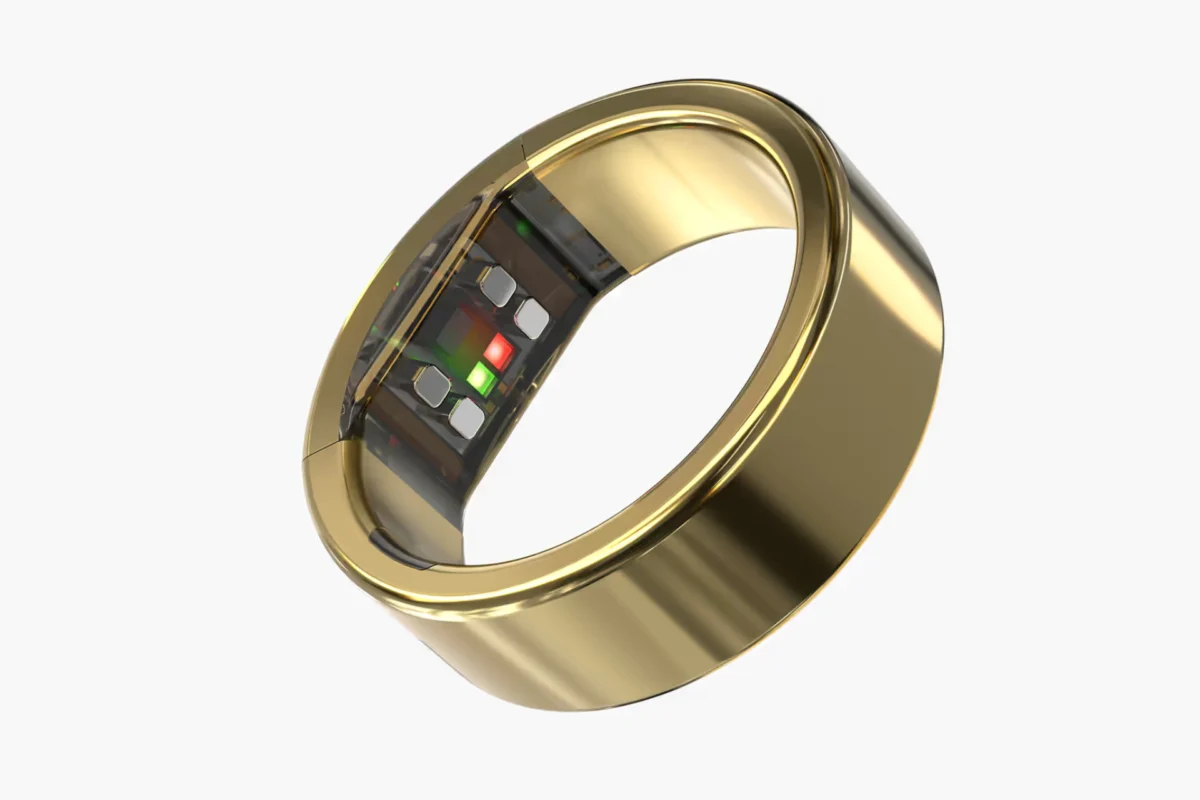
Bengaluru-based health-tech startup Ultrahuman is making a strategic comeback in the lucrative U.S. market following U.S. Customs and Border Protection approval for its latest smart ring, the Ring Pro. This development sets the stage for a renewed competitive battle against Oura, the established leader that has solidified its dominance in the interim. The clearance arrives less than a month after the Ring Pro’s global launch in late February and follows a significant legal setback for Ultrahuman. In October, the U.S. International Trade Commission (ITC) issued a ruling in favor of Oura, which effectively curtailed imports of Ultrahuman’s smart rings into the United States. This restriction proved costly, with Ultrahuman CEO Mohit Kumar estimating up to $50 million in lost sales due to the temporary inability to import its previous model, the Ring Air.
The U.S. market remains the undisputed powerhouse for smart rings, representing a substantial 60% of the global sales volume. In 2025, an estimated 2.6 million units were sold in the U.S., contributing to a global total of 4.4 million units. This market segment demonstrated robust growth, expanding by 59% year-over-year, according to data shared by IDC with TechCrunch. The rapid expansion of the smart ring sector has been paralleled by swift market consolidation. Oura has notably amplified its market leadership in recent quarters, a period during which Ultrahuman’s market share experienced a sharp decline due to the import restrictions.
Jitesh Ubrani, IDC’s research manager, detailed the market dynamics, noting that Ultrahuman’s U.S. market share saw a significant surge from 11.5% in 2024 to 24.6% by the second quarter of 2025. However, as the import restrictions took effect towards the end of the year, this share plummeted to low single digits. Concurrently, Oura capitalized on this disruption, witnessing its market share climb from 63.3% to an impressive 85% during the same timeframe, effectively absorbing most of the market share lost by Ultrahuman.
At its zenith, the U.S. market accounted for as much as 50% of Ultrahuman’s total revenue. While this proportion has since diminished as the company strategically expanded its presence in Europe and Asia during the period of import restrictions, Kumar expressed confidence in regaining lost ground. He downplayed the long-term competitive impact of the hiatus, characterizing the rivals’ advantage as a mere "three-month window" and forecasting a swift recovery. Ultrahuman’s immediate focus is on scaling its U.S. operations. Kumar anticipates a five-to-six-month timeline to achieve full operational capacity, a process that involves rebuilding its supply chain and distribution networks.
The redesigned Ring Pro, featuring a unibody metal structure, is central to Ultrahuman’s comeback strategy. This improved design is credited with facilitating the company’s U.S. clearance and is touted to offer enhanced features, including extended battery life and more robust on-device processing capabilities. Ultrahuman has already initiated U.S. pre-orders for the Ring Pro, with shipments slated to commence on May 15th. The device is priced at $399, with an introductory offer of $349 for the first 1,000 customers.

Kumar elucidated that the Ring Pro was already in development as part of a broader product enhancement strategy. Crucially, its development also aimed to address the patent dispute with Oura. "We believe the Ring Air is a non-infringing model, and we are fighting that in federal court in the U.S.," Kumar stated, adding that the new design was engineered to provide a more definitive resolution to the intellectual property challenges.
India Emerges as the Next Competitive Frontier
While Ultrahuman concentrates on re-establishing its foothold in the U.S., its home market of India has become a new battleground. Rival Oura launched its Ring 4 in India last week, signaling a broader strategic rivalry that is now extending across key global markets. Kumar, however, remains optimistic about the competitive landscape in India. He emphasized Ultrahuman’s unwavering commitment to long-term growth in its domestic market, even with the entry of new players. Kumar believes that increased competition will ultimately serve to broaden consumer awareness of the nascent smart ring category in India.
Despite the general decline in smart ring shipments in India, which saw a year-over-year decrease of 30.6% in 2025, Ultrahuman maintained its market leadership with a 30.4% share. Gabit followed with 18.3%, according to a recent IDC report. The average selling price in India also saw a decline of 8.7% to $160, reflecting both intensifying competition and prevailing pricing pressures within the market.
Ubrani of IDC projects that the global smart ring market, including the U.S., will continue to experience double-digit growth. However, he anticipates that growth in India will likely remain more subdued. Oura’s established international brand recognition could prove advantageous in the Indian market, where earlier local competitors, often characterized by repackaged hardware with limited differentiation, have largely scaled back their operations. This dynamic creates an opening for established global players to gain significant traction.
The U.S. market remains critically important for Ultrahuman, accounting for approximately 45% of its roughly 700,000 daily active users globally. Kumar highlighted that the U.S. user base exhibits a distinct demographic skew, with women comprising about 73-74% of users, a figure that has risen from approximately 65% a year prior and is notably higher than the global average of around 68%.
Looking beyond its current product offerings, Kumar hinted at Ultrahuman’s ambitions for future innovation. The company is reportedly developing a new wearable device focused on tracking a different key biomarker, signaling a broader strategy to diversify its product portfolio. Ultrahuman’s current smart rings are capable of monitoring a comprehensive range of biomarkers, including heart rate, heart rate variability, skin temperature, sleep stages, movement patterns, and blood oxygen levels. This ongoing development suggests a commitment to expanding its capabilities and market reach within the burgeoning health-tech sector. The company’s strategic maneuvering in the U.S., coupled with the evolving competitive landscape in India, underscores the dynamic nature of the smart ring market and Ultrahuman’s determined efforts to carve out a significant and sustainable presence. The resolution of its patent dispute and the successful rollout of the Ring Pro will be critical indicators of its future trajectory in this fiercely contested arena.