admin
admin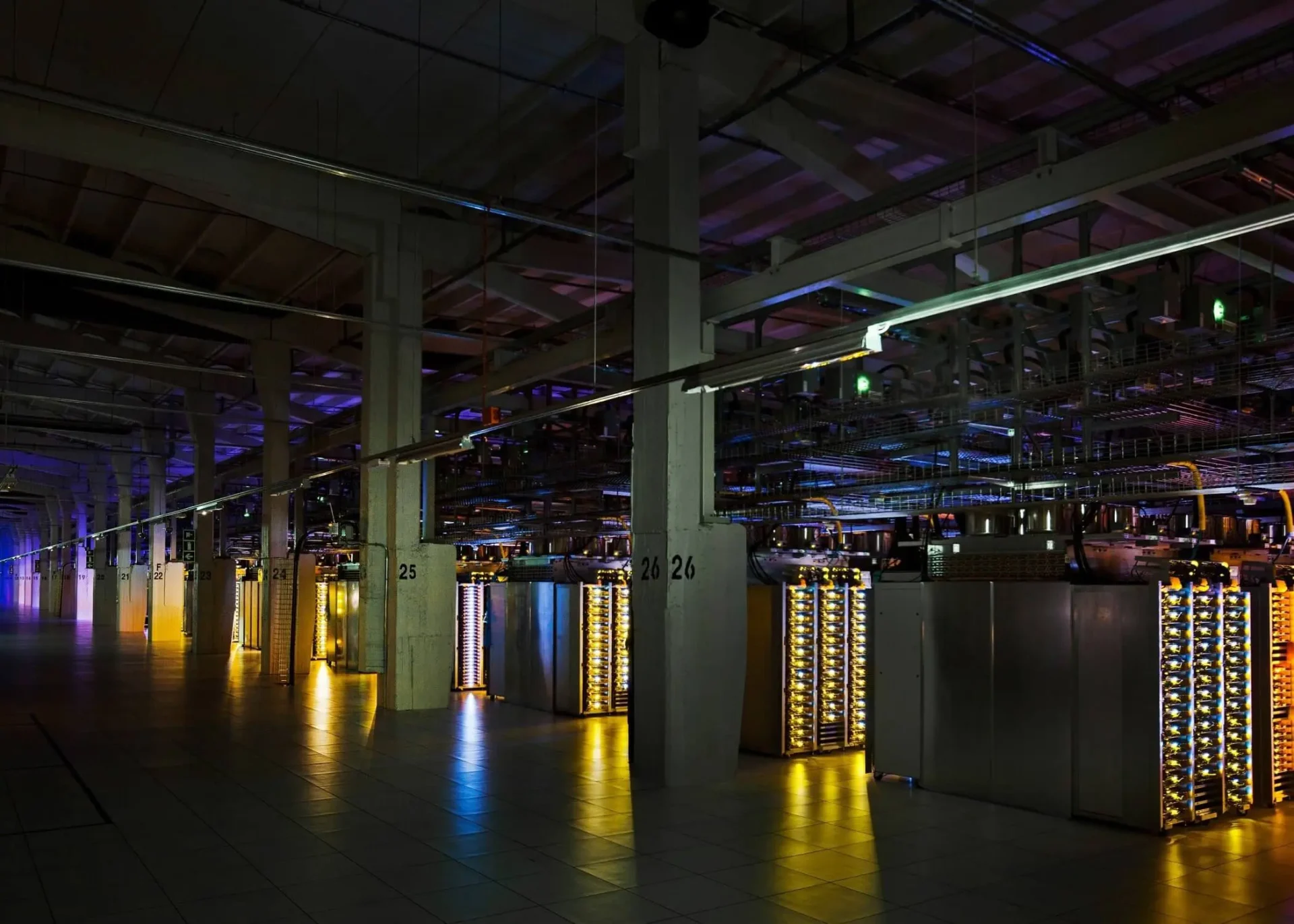
SpaceX has solidified its position as a dominant force in the global artificial intelligence infrastructure market by awarding a massive $52 billion contract to Hon Hai Precision Industry Co., better known internationally as Foxconn. This strategic order encompasses approximately 13,000 racks of NVIDIA’s next-generation GB300 AI servers, a move that significantly expands SpaceX’s compute footprint for both training and inference applications. According to industry reports originating from Taiwan, the shipments for this monumental order are scheduled to commence in the fourth quarter of 2026 and will continue through the first quarter of 2027. With each individual server rack carrying an estimated price tag of $4 million, the deal represents one of the largest single capital expenditures in the history of AI hardware procurement.
The partnership underscores Foxconn’s aggressive pivot toward the AI server market, as the company aims to capture roughly 40 percent of the global market share by the end of 2026. For SpaceX, the acquisition of GB300 technology signals a rapid evolution of its "Colossus" data center roadmap, moving beyond its internal needs for the Grok AI model toward a broader business model as a primary infrastructure provider for other tech giants and government entities.
Technical Specifications and the Shift to NVIDIA GB300 Architecture
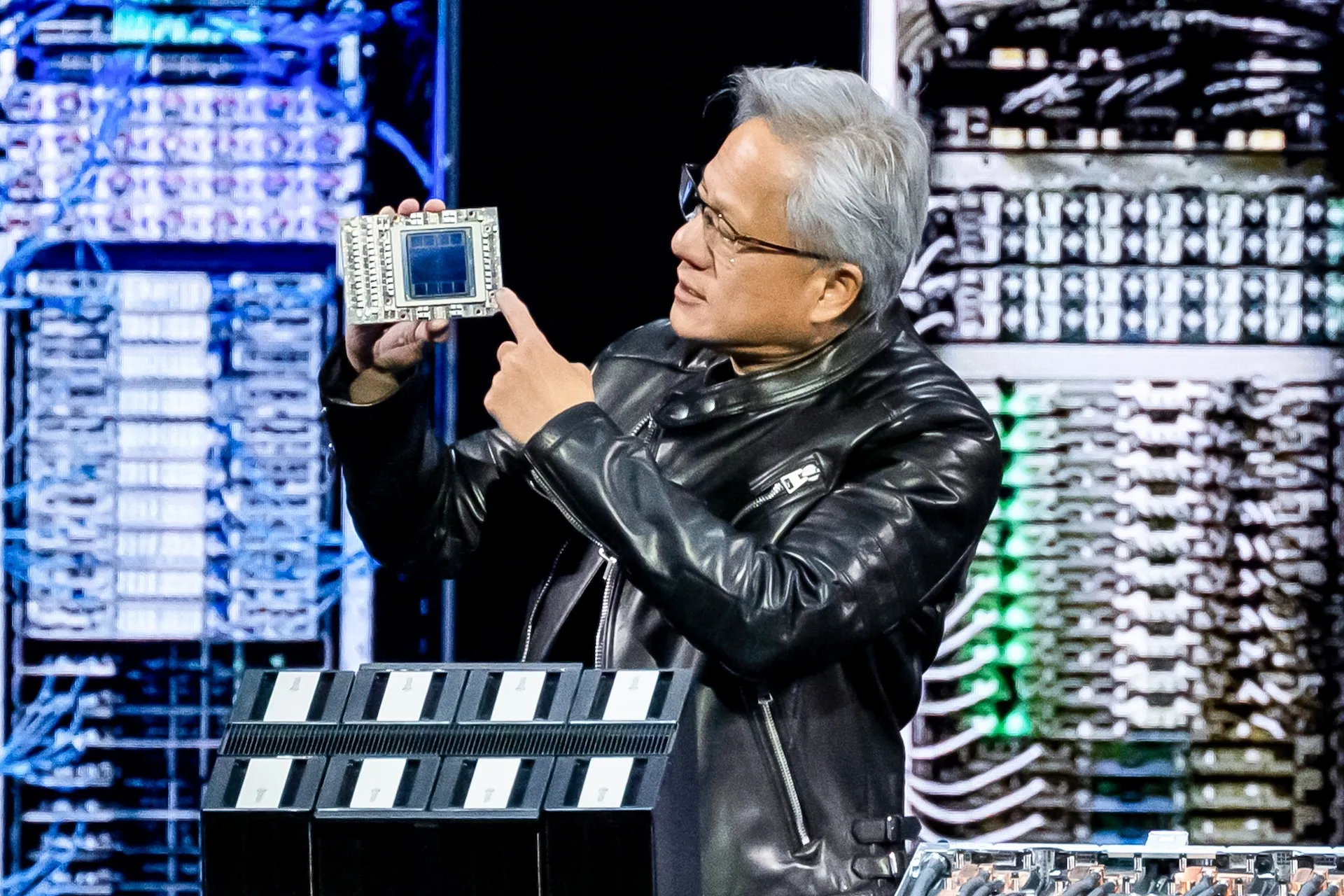
The centerpiece of this transaction is the NVIDIA GB300 AI server, which represents the pinnacle of the Blackwell architecture. While the industry is currently transitioning into the GB200 era, the GB300 is expected to offer significant improvements in energy efficiency, interconnect bandwidth, and FP4 precision performance. The GB300 "Ultra" Blackwell chips are designed to handle the trillion-parameter models that are becoming the standard for frontier AI research.
Each of the 13,000 racks ordered by SpaceX is a self-contained unit of immense power, likely utilizing advanced liquid-cooling technologies—a sector where Foxconn has invested heavily to meet the thermal demands of NVIDIA’s high-performance chips. At $4 million per rack, these units are not merely hardware; they are integrated systems featuring high-speed networking, massive memory buffers, and sophisticated power management systems. This procurement ensures that SpaceX will maintain a technological lead over traditional hyperscalers such as Amazon Web Services (AWS), Microsoft Azure, and Google Cloud, particularly in the density of high-end GPUs per data center site.
The Evolution of the Colossus Data Center Network
SpaceX’s infrastructure strategy is centered around its "Colossus" data center initiative, which has grown at a pace that has surprised many industry analysts. The company’s current infrastructure is divided into two primary hubs, each serving different strategic purposes and clients.
Colossus 1: The Foundation and Early Iterations
As of May 2026, the Colossus 1 data center became operational with a massive array of over 220,000 NVIDIA GPUs. This facility utilized a diverse mix of hardware, including the H100 and H200 Hopper-based accelerators, as well as roughly 30,000 units of the early-release GB200 Blackwell chips. While Colossus 1 provided the initial "brute force" necessary for large-scale training, the variety of GPU architectures—often referred to in the industry as a "mish-mash"—created complexities in software optimization and parallelization.
Colossus 2: The Gigawatt Expansion
The Colossus 2 data center represents SpaceX’s move toward a more standardized and high-density architecture. Currently boasting over 550,000 GPUs, this facility is primarily populated with GB200 and the newly ordered GB300 accelerators. Colossus 2 is designed with a gigawatt-scale power envelope, allowing it to support the massive electrical draw required by 13,000 new GB300 racks. This facility is increasingly being viewed as the "gold standard" for AI training, attracting high-value tenants who require consistent, high-performance hardware clusters.
Strategic Compute-as-a-Service Agreements
The $52 billion investment in Foxconn hardware is backed by a series of lucrative Cloud Service Agreements (CSAs) that SpaceX has secured with major industry players. These deals effectively transform SpaceX from a consumer of compute into a "Hyperscale Landlord," leasing out its vast GPU arrays to third parties.
One of the most significant contracts is with Google. In the lead-up to its anticipated Initial Public Offering (IPO), SpaceX locked Google into a deal providing compute capacity equivalent to 110,000 NVIDIA GPUs, along with the necessary CPUs and memory. This agreement generates approximately $920 million per month for SpaceX. Analysts note that this deal is primarily tied to the Colossus 2 data center, where the high-performance GB300 racks will be deployed, providing Google with the cutting-edge hardware it needs to compete with OpenAI and Meta.
Additionally, SpaceX recently inked a massive $15 billion-per-year agreement with Anthropic. Under this deal, Anthropic pays $1.25 billion per month for access to 220,000 NVIDIA GPUs located within the Colossus 1 facility. While Colossus 1 is considered less efficient than its successor due to its hardware variety, it remains a critical asset for companies like Anthropic that require immediate, large-scale access to compute that traditional cloud providers may struggle to supply on short notice.

Furthermore, in June 2026, SpaceX signed a $6.3 billion deal with Reflection, a firm with reported links to the Pentagon. This agreement specifically targets capacity within Colossus 2, suggesting that SpaceX’s AI infrastructure is becoming a critical component of national security and defense-related AI initiatives.
Foxconn’s Role in the Global AI Supply Chain
For Foxconn, the SpaceX order is a validation of its long-term strategy to move away from low-margin consumer electronics assembly toward high-value infrastructure. Under the leadership of Chairman Young Liu, Foxconn has positioned itself as the "one-stop shop" for AI servers, handling everything from PCB design and liquid cooling systems to final rack assembly and global logistics.
The company’s goal to secure 40 percent of the global AI server market is ambitious but increasingly feasible given its scale and vertical integration. Foxconn’s ability to secure the necessary components—most importantly the NVIDIA Blackwell chips—gives it a competitive edge over smaller rivals. The SpaceX deal alone will provide a massive boost to Foxconn’s revenue in late 2026 and early 2027, potentially setting a new record for the company’s quarterly earnings during the shipment window.
Chronology of SpaceX’s AI Infrastructure Development
The path to this $52 billion order has been marked by several key milestones that illustrate SpaceX’s rapid ascent in the tech infrastructure sector:
- Early 2025: SpaceX begins internal development of the "Colossus" concept to support the compute needs of xAI and Starlink’s autonomous routing systems.
- Late 2025: SpaceX enters the merchant silicon market, realizing that its ability to build and power data centers faster than traditional tech firms is a sellable asset.
- May 2026: Colossus 1 reaches full capacity with 220,000 GPUs; the $15 billion-per-year Anthropic deal is finalized.
- June 2026: SpaceX secures the $6.3 billion Reflection deal and signs the $920 million-per-month agreement with Google.
- August 2026: Taiwanese trade reports confirm the $52 billion order for 13,000 NVIDIA GB300 racks from Foxconn.
- Q4 2026 (Projected): First shipments of GB300 racks arrive at SpaceX facilities, beginning the integration into Colossus 2.
Economic and Market Implications
The sheer scale of this transaction has profound implications for the global technology market. First, it reinforces NVIDIA’s status as the indispensable provider of AI silicon. Even as companies like Google and Meta develop their own internal chips (TPUs and MTIA), the massive demand for NVIDIA’s GB300 architecture shows that the "Gold Standard" for high-end AI training remains firmly in NVIDIA’s hands.
Second, the deal highlights a shift in the capital structure of the AI race. By spending $52 billion on hardware, SpaceX is betting that the demand for "Compute-as-a-Service" will remain high for the foreseeable future. With monthly revenues from Google and Anthropic totaling over $2 billion, SpaceX is creating a predictable, high-margin revenue stream that will likely boost its valuation significantly ahead of its IPO.
Finally, the order places immense pressure on the global supply chain for power components and cooling systems. A single rack of GB300 servers requires sophisticated liquid cooling to prevent thermal throttling. The mass deployment of 13,000 such racks will require SpaceX to build out unprecedented levels of power and cooling infrastructure, likely involving dedicated substations and advanced heat exchange facilities.
Future Outlook
As SpaceX prepares to receive the first batches of the GB300 racks in late 2026, the industry will be watching closely to see how this massive influx of compute power affects the development of artificial general intelligence (AGI). With Colossus 2 expected to be the most powerful AI training hub on the planet, SpaceX has effectively become the gatekeeper of the hardware necessary for the next generation of AI breakthroughs.
While xAI currently consumes only 11 percent of the available FLOPs (Floating Point Operations per Second) within SpaceX’s network, the arrival of the GB300 units may allow for a significant leap in the capabilities of the Grok AI model. However, the primary focus remains on the commercialization of this infrastructure. By providing the "brains" for Google, Anthropic, and potentially the U.S. government, SpaceX is ensuring that it remains at the center of the AI revolution, regardless of which specific AI model ultimately wins the race for intelligence.
The partnership with Foxconn serves as the logistical backbone of this ambition. As shipments begin in Q4 2026, the transition of SpaceX from a space exploration company to a global compute powerhouse will be complete, marking a new era in the intersection of aerospace, telecommunications, and artificial intelligence.