Garick Elordi
Square Enix has officially confirmed that Final Fantasy VII Revelation, the highly anticipated conclusion to the reimagined Final Fantasy VII trilogy, will launch worldwide on April 8, 2027. The announcement was delivered by Director Naoki Hamaguchi during Sony’s latest State of Play broadcast, marking a pivotal moment for the franchise. In a departure from previous entries in the remake project, Revelation will debut simultaneously across the PlayStation 5, Nintendo Switch 2, Xbox Series X/S, and PC. This move signals a significant shift in Square Enix’s publishing strategy, moving away from the timed-exclusivity windows that characterized the releases of Final Fantasy VII Remake in 2020 and Final Fantasy VII Rebirth in 2024.
The announcement comes as the final piece of a production cycle that has spanned over a decade, aiming to recreate and expand upon the 1997 PlayStation classic. Alongside the release date reveal, Square Enix also showcased a new gameplay trailer for Revelation and provided an immediate update regarding another upcoming title, Final Fantasy Resonance. A playable demo for the latter, an HD-2D RPG, is now available for download across all major platforms, offering players a substantial preview of the game’s opening chapter.
The Narrative Stakes of Final Fantasy VII Revelation
Final Fantasy VII Revelation serves as the third and final act of a trilogy that has sought to redefine the boundaries of a video game remake. While the first installment focused on the industrial city of Midgar and the second expanded into the vast world map, Revelation is set to cover the final, most volatile arc of the original story. The narrative picks up with Cloud Strife and his companions in pursuit of Sephiroth, the fallen hero whose plan to summon a catastrophic Meteor threatens to destroy the planet.
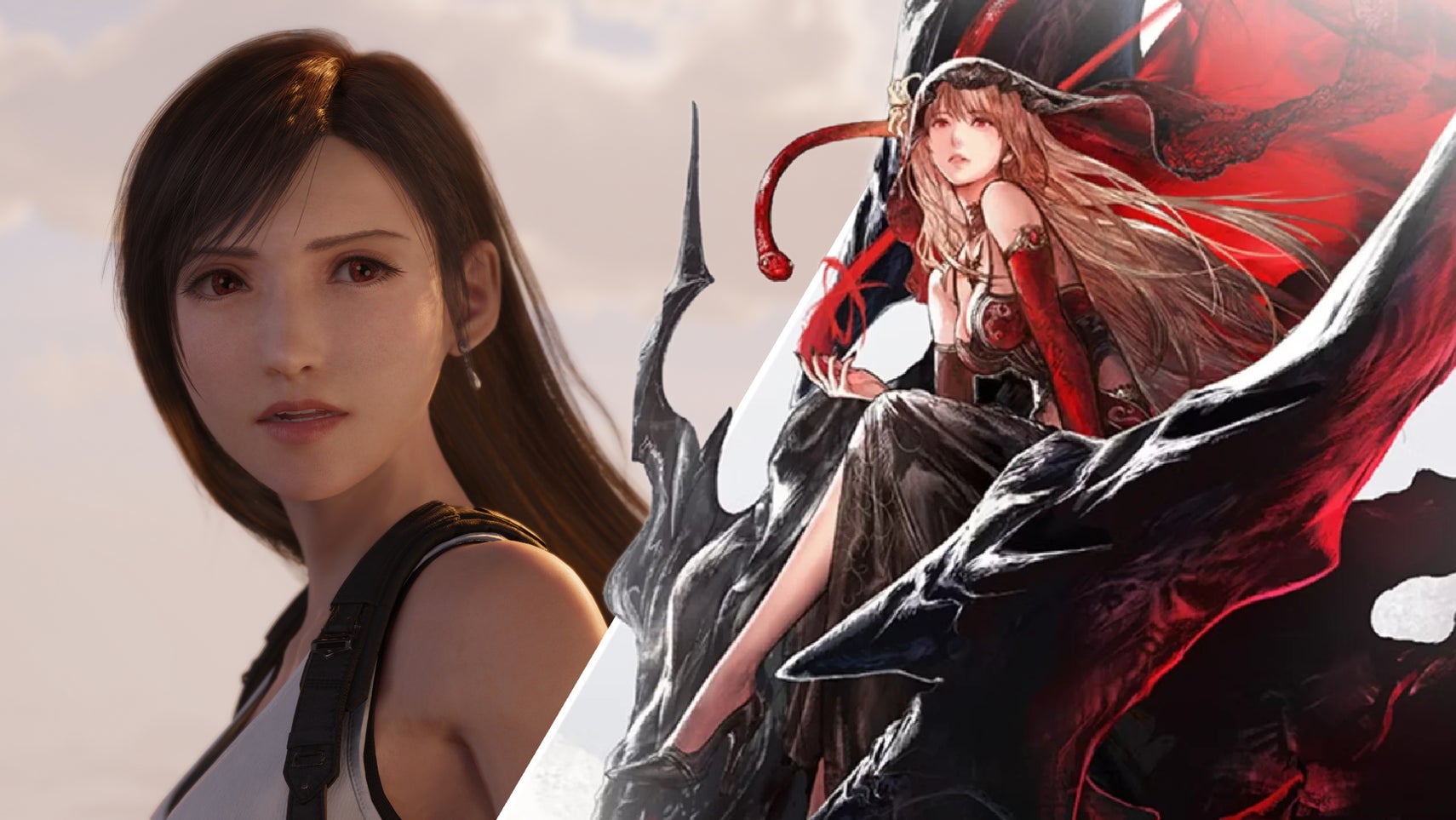
As the trailer showcased during the State of Play suggests, the stakes have escalated beyond the conflict between the protagonist and antagonist. The awakening of the "Weapons"—colossal, bio-mechanical defense mechanisms created by the planet itself—introduces a new layer of existential dread. These entities, designed to purge threats to the world’s ecosystem, do not distinguish between the destructive ambitions of Sephiroth and the presence of humanity. This "scorched earth" approach to planetary defense serves as a primary obstacle for the party as they navigate a world on the brink of apocalypse.
Director Naoki Hamaguchi emphasized that Revelation is designed to capture the feeling of the "final disc" of the original 1997 release. This involves not only the resolution of character arcs but also a significant expansion in the scale of the playable world.
Evolution of Traversal and World Design
One of the most prominent features highlighted in the release date trailer was the introduction of the Highwind, the iconic airship piloted by the character Cid Highwind. In the original game, the Highwind granted players unprecedented freedom to explore the world map, and its implementation in Revelation appears to follow a similar philosophy.
Hamaguchi noted that the inclusion of the Highwind allows Revelation to become the most expansive entry in the trilogy. The game will feature a seamless world map that encompasses all regions visited in Remake and Rebirth, while also introducing entirely new original areas designed specifically for this concluding chapter. The transition to airship travel represents a technical milestone for the development team, as it requires the engine to render vast environments at high speeds—a feat that was a cornerstone of the original game’s sense of adventure.

The scale of the game is reportedly much larger than its predecessors. By integrating previous assets with new, high-fidelity environments, Square Enix aims to provide a comprehensive "World of Final Fantasy VII" that feels unified and interconnected. This design choice is intended to facilitate the "hunt" for Sephiroth and the battle against the planetary Weapons, which are expected to serve as massive, multi-stage boss encounters across the globe.
A Strategic Shift in Distribution
The decision to launch Final Fantasy VII Revelation simultaneously on PS5, Switch 2, Xbox, and PC is perhaps the most significant business development accompanying the announcement. Historically, the Final Fantasy franchise has maintained a close relationship with the PlayStation brand. Final Fantasy VII Remake remained a PlayStation exclusive for over a year before moving to PC, and Final Fantasy VII Rebirth has followed a similar path of timed exclusivity.
Industry analysts suggest that this shift to a multi-platform day-one release is a response to the evolving gaming market and Square Enix’s internal restructuring. In recent financial briefings, Square Enix leadership has expressed a desire to maximize the reach of its "AAA" titles by reducing reliance on single-platform exclusivity. By targeting the PlayStation 5, PC, and Xbox Series X/S simultaneously—and notably including the successor to the Nintendo Switch—Square Enix is positioning Revelation to capture the widest possible audience at launch.
The inclusion of the "Nintendo Switch 2" in the platform list is particularly noteworthy. While Nintendo has yet to fully unveil its next-generation hardware, the confirmation of a high-fidelity title like Revelation for the system suggests that the upcoming console will possess the technical capabilities required to run modern, high-budget RPGs alongside the PS5 and Xbox Series X.

Final Fantasy Resonance: A New Chapter in HD-2D
While Revelation occupied the spotlight for the future, Square Enix also addressed the immediate horizon with Final Fantasy Resonance. This title utilizes the "HD-2D" art style—a blend of 16-bit-style sprites and high-definition 3D environments—that was popularized by titles such as Octopath Traveler and Live A Live.
A playable demo for Final Fantasy Resonance was released immediately following the State of Play broadcast. The demo, which requires approximately 5GB of storage space, allows players to experience the entirety of the game’s first chapter. According to Square Enix, this provides roughly three to five hours of gameplay. In keeping with modern quality-of-life standards, the publisher confirmed that save data from the demo will be transferable to the full version of the game upon its release next month.
Initial impressions of Resonance from hands-on previews at Gamescom have been highly positive, with critics praising its intricate turn-based combat system and its visual fidelity. The game represents Square Enix’s continued commitment to mid-budget, high-concept RPGs that appeal to fans of the genre’s golden age while utilizing modern presentation techniques.
Chronology of the Final Fantasy VII Remake Project
To understand the weight of the Revelation announcement, it is necessary to look at the timeline of the project’s development:

- June 2015: The Final Fantasy VII Remake is officially announced at E3 with a cinematic trailer, ending years of fan speculation.
- April 2020: Final Fantasy VII Remake is released on PlayStation 4, covering the Midgar portion of the story and introducing the concept of "Whispers" and a shifting timeline.
- June 2021: Remake Intergrade launches on PS5, featuring a new story DLC centered on the character Yuffie Kisaragi.
- February 2024: Final Fantasy VII Rebirth is released on PS5, expanding the journey into the open world and concluding at the iconic Forgotten Capital.
- September 2024: During the State of Play, the title of the third game is confirmed as "Revelation," and the April 2027 release date is set.
This seven-year release window for the trilogy reflects the massive scale of modern game development. By the time Revelation launches in 2027, the project will have spanned two console generations and nearly twelve years of active development and marketing.
Market Implications and Future Outlook
The simultaneous release of Final Fantasy VII Revelation is expected to have a significant impact on the JRPG (Japanese Role-Playing Game) market. By removing the barriers of platform exclusivity, Square Enix is likely to see higher initial sales figures compared to the staggered releases of previous entries. This strategy also mitigates the risk of spoilers and "hype decay" that can occur when a significant portion of the gaming community is forced to wait months or years for a port.
Furthermore, the 2027 release date places Revelation at the tail end of the current console cycle, potentially positioning it as one of the "swan song" titles for the PlayStation 5 and Xbox Series X. This often results in games that push the hardware to its absolute limits, as developers have had years to master the architecture of the systems.
For fans, the announcement of April 8, 2027, provides a clear endgame for a journey that began nearly thirty years ago with the original release and was reborn in 2015. With the inclusion of the Highwind, the return of the planetary Weapons, and the final confrontation with Sephiroth, Revelation aims to be more than just a sequel; it is being positioned as the definitive conclusion to one of the most influential stories in digital entertainment.

As the industry moves toward 2027, the focus will remain on how Square Enix manages the immense technical challenge of delivering a unified, multi-platform experience of this magnitude. If successful, Final Fantasy VII Revelation could set a new standard for how classic franchises are reimagined for modern audiences.