Galang Taruna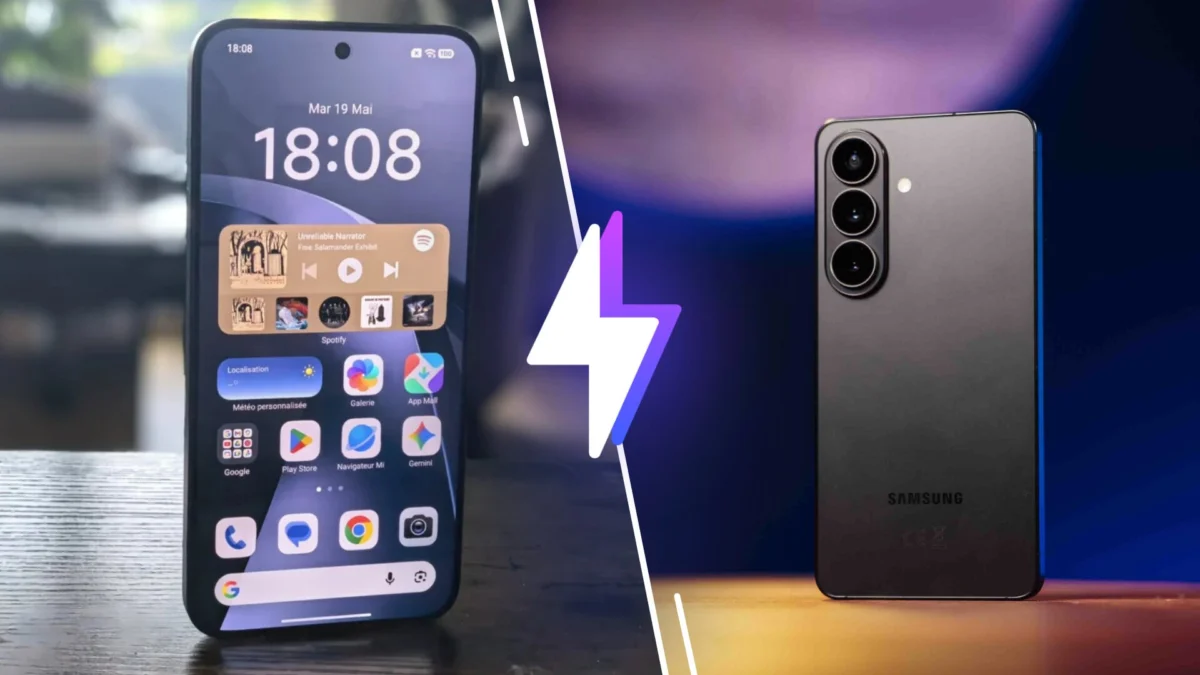
The pursuit of a new premium smartphone often leads consumers instinctively toward established giants like Samsung. However, the landscape of high-end mobile technology is becoming increasingly competitive, with challengers like Xiaomi making formidable strides. This year, the Xiaomi 17T Pro series emerges as a particularly strong contender, presenting an impressive array of features designed to rival the market’s leading devices, including Samsung’s latest offering, the Galaxy S26. Initial assessments from industry experts and technology reviewers suggest that Xiaomi has indeed raised the bar, achieving a notable 8/10 rating for its 17T Pro, surpassing the Samsung Galaxy S26 which received a 7/10, despite both devices being positioned at the identical premium price point of €999. This head-to-head battle prompts a deeper dive into which of these two high-end smartphones truly offers the superior experience.
Design and Ergonomics: A Tale of Two Philosophies
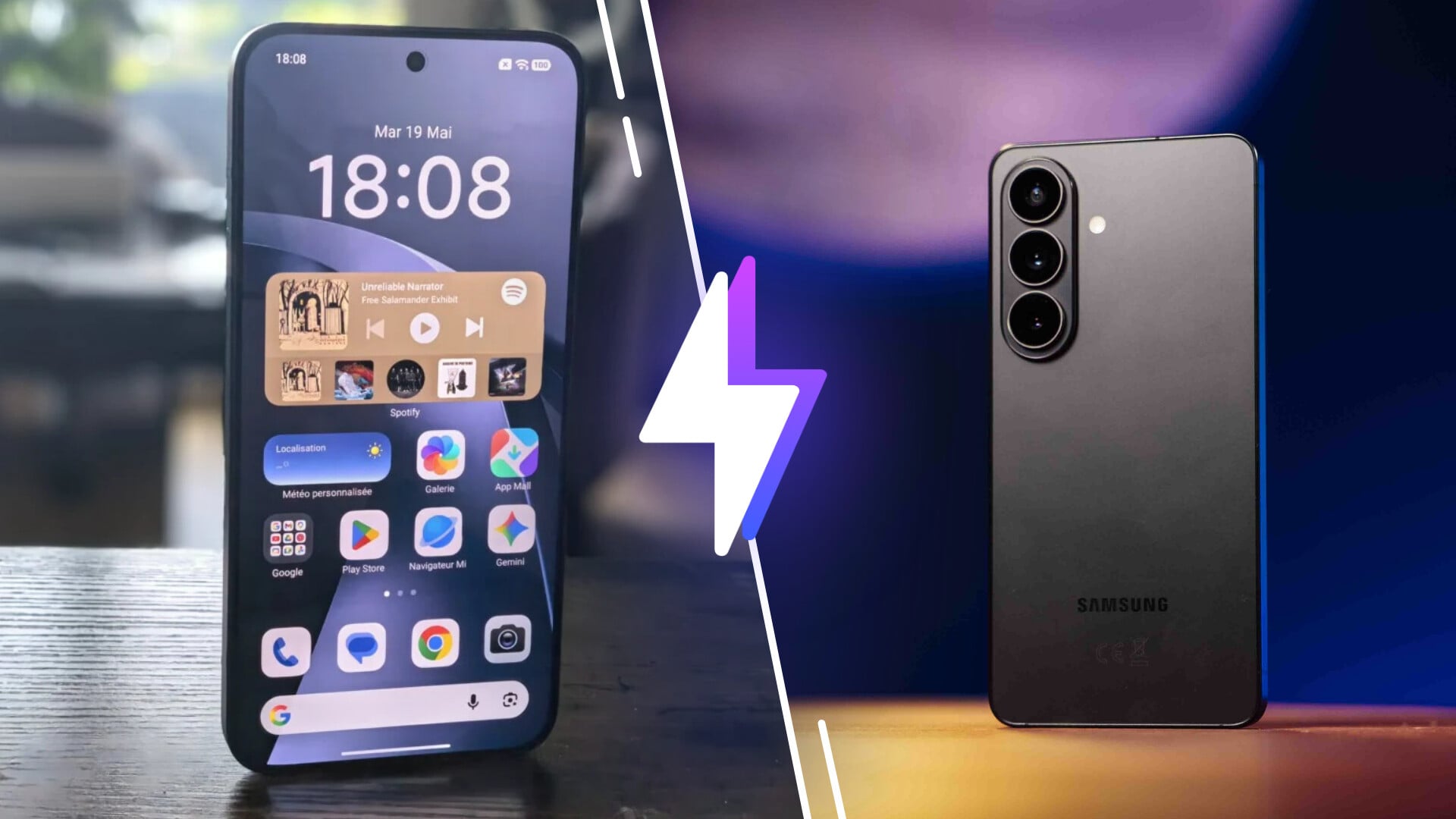
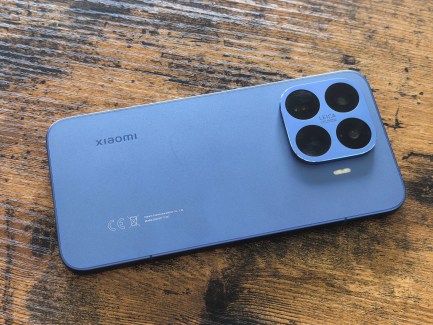
Upon first impression, a significant divergence in design philosophy becomes immediately apparent between the two devices. The Xiaomi 17T Pro is undeniably the more substantial handset, featuring a generous 6.83-inch display. This places it firmly outside the compact smartphone category, positioning it closer in scale to devices like Samsung’s own Galaxy S26 Ultra rather than the standard S26 model under review. Its dimensions of 77.5 mm x 162.2 mm x 8.25 mm and a weight of 219 grams reflect this larger form factor, catering to users who prioritize an expansive viewing area and don’t mind a larger device in hand.
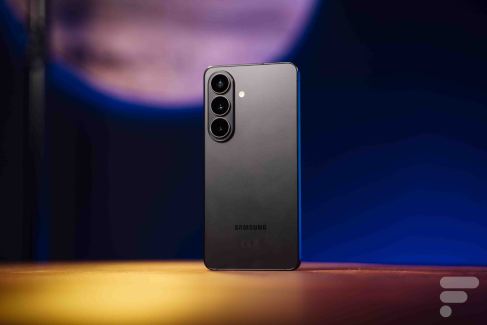
In stark contrast, the Samsung Galaxy S26 embodies the essence of a compact flagship. With dimensions of 71.7 mm x 149.6 mm x 7.2 mm and a mere 167 grams, it is notably thinner and lighter. This makes the Galaxy S26 an attractive option for consumers seeking a highly portable device that can be effortlessly carried in a jacket pocket or the back of trousers, offering superior one-handed usability.
Beyond mere size, durability also plays a crucial role in the design narrative. The Galaxy S26 offers a marginally stronger proposition in terms of physical resilience, thanks to its integration of Gorilla Glass Victus 2. This advanced glass technology provides enhanced resistance against drops and daily scratches compared to the Gorilla Glass 7i found on the Xiaomi 17T Pro, which is typically associated with mid-range devices. While this difference might seem subtle, it translates into greater peace of mind for users concerned about accidental damage. However, both smartphones share a critical feature for environmental resistance: an IP68 certification. This ensures both devices are capable of withstanding dust ingress and accidental immersion in water, providing a robust layer of protection against common environmental hazards. In terms of aesthetics, both phones adopt modern, understated designs. The Xiaomi 17T Pro is available in Black, Purple, and Blue, while the Samsung Galaxy S26 offers a slightly broader palette with Black, White, Purple, and Blue options.
Visual Excellence: The Display Showdown
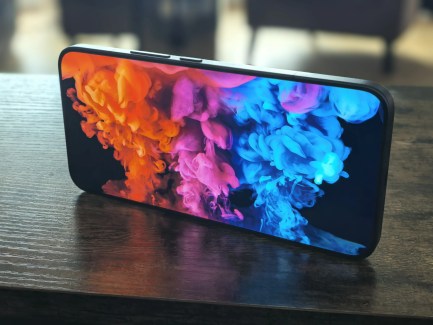
The display is often the primary interface through which users interact with their smartphones, and here, the Xiaomi 17T Pro makes a compelling case. Beyond its larger 6.83-inch screen size, the Xiaomi 17T Pro’s OLED panel distinguishes itself with a superior resolution of 2772 x 1280 pixels, resulting in a pixel density of 447 ppi. This is a noticeable step up from the Samsung Galaxy S26’s 6.2-inch OLED screen, which offers a resolution of 2340 x 1080 pixels and a pixel density of 409 ppi. Higher pixel density generally translates to sharper images and text, particularly noticeable when viewing high-resolution content or small fonts.
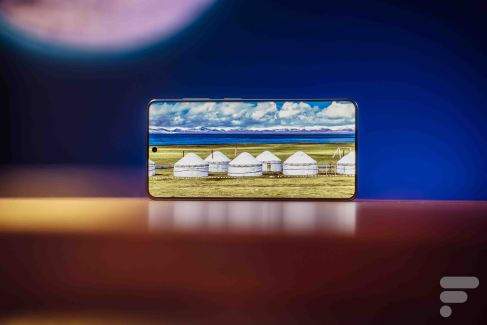
Furthermore, the Xiaomi 17T Pro boasts an increased refresh rate of 144 Hz, offering a smoother visual experience compared to the Galaxy S26’s 120 Hz. This higher refresh rate is particularly beneficial for scrolling, animations, and high-frame-rate gaming, providing a more fluid and responsive interaction. The most striking difference, however, lies in screen brightness. According to independent lab measurements, the Xiaomi 17T Pro achieves a peak brightness of nearly 3600 nits, significantly outshining the Galaxy S26’s 2500 nits. This substantial difference means the Xiaomi device offers far superior legibility under direct sunlight, a crucial advantage for outdoor usage. Additionally, our measurements indicate that the Xiaomi 17T Pro delivers more accurate colors and a more generously covered DCI-P3 color gamut, ensuring that images and videos are displayed with greater fidelity and vibrancy. In essence, the visual output from the Xiaomi 17T Pro’s display is simply more captivating and immersive.
Under the Hood: Performance and Thermals
In the realm of raw processing power, 2026 marks a significant year for MediaTek, whose Dimensity 9500 System-on-Chip (SoC) has unequivocally ascended to the upper echelons of mobile processors. It stands shoulder-to-shoulder with the likes of Qualcomm’s Snapdragon 8 Elite Gen 5, setting a new benchmark for flagship performance. When pitted against the Samsung Exynos 2600, which powers the French version of the Galaxy S26, both SoCs demonstrate formidable capabilities, playing in the same league. While the Galaxy’s Exynos SoC might show a marginal lead in certain benchmarks, this difference is often imperceptible during day-to-day use, even in graphically demanding games.
However, a critical distinction emerges in thermal management. The Samsung Galaxy S26, despite its potent Exynos 2600, tends to heat up relatively quickly under sustained heavy load. This rapid temperature increase often leads to thermal throttling, where the device reduces its performance to prevent overheating, thereby degrading its capabilities over extended periods of intense use. The Xiaomi 17T Pro, by contrast, exhibits superior thermal efficiency, allowing it to maintain peak performance for longer durations. This "marathonian" endurance makes the Xiaomi a more reliable choice for prolonged gaming sessions, intensive multitasking, or continuous video recording, where sustained performance is paramount. Both devices offer generous internal storage, with the Xiaomi 17T Pro featuring 512 GB, and the Samsung Galaxy S26 offering options for 256 GB or 512 GB, ensuring ample space for applications, media, and files.
Software Ecosystem and AI Integration: The Interface Battle
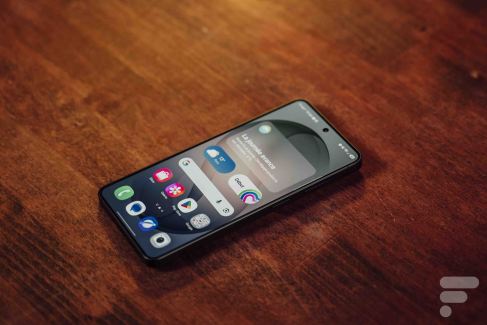
The user interface (UI) and underlying software experience are often decisive factors for consumers, and here, Samsung’s One UI stands out as one of the most refined Android overlays on the market. Its appeal stems from a harmonious blend of aesthetic design, intuitive navigation, and consistent functionality. Augmented by the advanced capabilities of Galaxy AI and the integration of Google’s Gemini, One UI is engineered to be a proactively helpful assistant, seamlessly assisting users without ever impeding their workflow. Its relatively lean approach to pre-installed applications further enhances its user-friendliness.
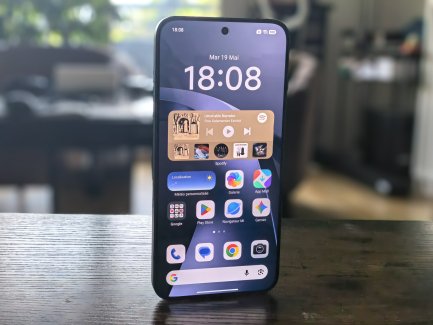
In contrast, Xiaomi’s HyperOS, while competent, presents a heavier software experience with a design ethos that often draws parallels to Apple’s iOS. While Xiaomi has invested significantly in its AI capabilities, particularly in photo editing tools that mirror Samsung’s in spirit, it also includes functions for text rewriting, proofreading, and translation, placing it on par with the Galaxy S26 in these specific AI-driven tasks.
However, Samsung gains a significant advantage in its software update policy. The Galaxy S26 is promised seven generations of Android operating system upgrades, coupled with seven years of security updates. This commitment to long-term software support far exceeds Xiaomi’s policy of five Android updates. In the premium smartphone segment, where devices represent a substantial investment, this extended support from Samsung translates into greater longevity, enhanced security, and access to future features, making it a crucial consideration for value-conscious buyers. This extended lifecycle not only benefits the end-user but also contributes to the device’s resale value and reduces electronic waste, aligning with growing consumer demand for sustainable technology.
Capturing the World: Camera Capabilities
In the highly competitive arena of smartphone photography, the Xiaomi 17T Pro asserts a clear dominance, particularly when compared to the standard Samsung Galaxy S26. While Samsung’s "Ultra" models typically set the benchmark for mobile imaging, the Galaxy S26 does not quite reach those dizzying heights, leaving an opening for Xiaomi’s formidable challenger.
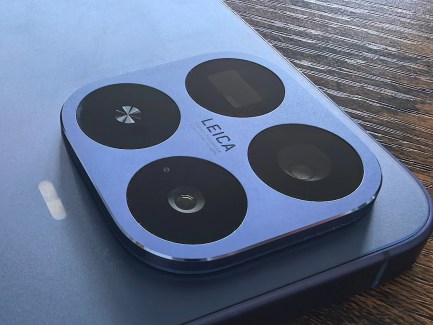
Both smartphones feature a 50MP main sensor, indicating a strong foundation for high-resolution imaging. However, Xiaomi’s approach to image processing, significantly influenced by its strategic partnership with Leica, yields visibly more appealing results. Leica’s expertise in optical engineering and color science imbues the 17T Pro’s photographs with a distinct "charm," characterized by nuanced color rendition and sophisticated image development. This collaboration provides a unique photographic signature that is often preferred by enthusiasts.
For ultra-wide-angle photography, the performance gap between the two devices narrows considerably. Both offer respectable results, with differences primarily confined to color calibration, which remains a matter of subjective preference. Neither smartphone establishes a definitive lead in this secondary optical category.
The most pronounced advantage for the Xiaomi 17T Pro lies in its telephoto capabilities. It delivers exceptional sharpness and a far more precise optical zoom compared to its Korean counterpart. Samsung’s Galaxy S26, equipped with a 10MP telephoto lens, offers limited scope for effective digital cropping or extended zoom without significant loss of detail. This makes the Xiaomi 17T Pro an undisputed leader for users who frequently rely on zoomed-in shots, capturing distant subjects with remarkable clarity and detail. The front-facing camera also sees Xiaomi take a lead with a 32MP sensor compared to Samsung’s 12MP, potentially offering higher-resolution selfies and video calls. Both devices are capable of recording video at 8K resolution at 30 frames per second, ensuring high-quality video capture.
Endurance and Charging: A Clear Winner
When it comes to battery life and charging efficiency, the Xiaomi 17T Pro emerges as the unequivocal victor. The disparity in battery capacity is substantial: the Xiaomi 17T Pro houses a colossal 7000 mAh battery, dwarfing the Samsung Galaxy S26’s 4300 mAh unit. This significant difference translates directly into real-world endurance. According to laboratory tests conducted by GSM Arena, the Xiaomi 17T Pro can last for nearly 22 hours on a single charge under a standardized usage protocol, a remarkable feat that positions it among the market leaders for battery longevity. In contrast, the Samsung Galaxy S26 manages approximately 15 hours and 20 minutes under the same conditions, a respectable figure but one that falls significantly short of Xiaomi’s performance. For users with demanding schedules or those who frequently travel, the Xiaomi 17T Pro offers a tangible advantage in terms of all-day, or even multi-day, usage without needing to seek a power outlet.
The charging experience further underscores Xiaomi’s lead. The 17T Pro can be fully recharged in approximately 45 minutes, a rapid turnaround that minimizes downtime. The Samsung Galaxy S26, while also supporting fast charging, requires over an hour for a full charge. Both smartphones are compatible with wireless charging, offering convenience and flexibility. However, the Samsung Galaxy S26 distinguishes itself by supporting the newer Qi 2 wireless charging standard, which promises faster charging speeds and improved magnetic alignment for a more efficient wireless power transfer. Despite this, Xiaomi’s overall battery capacity and wired charging speed still provide a more compelling package for power users.

Market Positioning and Consumer Implications
The evolution of Xiaomi’s "T" series marks a notable shift in the company’s market strategy. What was once positioned as a mid-range or "flagship killer" line has now ascended to directly challenge the premium segment’s established titans. This upward trajectory in specifications is mirrored by a corresponding increase in price, with the 17T Pro now squarely competing at the €999 price point. This strategic move by Xiaomi signals a mature confidence in its ability to deliver true flagship experiences.
The decision between the Xiaomi 17T Pro and the Samsung Galaxy S26 at this identical premium price point is nuanced and depends heavily on individual consumer priorities. On one hand, the Xiaomi 17T Pro offers superior endurance, a more impressive camera system (especially its telephoto capabilities and Leica partnership), and a visually stunning, brighter display. These attributes make it an exceptionally strong performer for media consumption, photography enthusiasts, and users who demand maximum uptime.
On the other hand, the Samsung Galaxy S26 counters with a more refined and compact design, a highly intuitive software experience with its feature-rich One UI and Galaxy AI, and a commitment to extended software updates that guarantees longevity and access to future innovations. For users who prioritize a pocketable form factor, a streamlined user experience, and long-term software support, the Galaxy S26 presents a highly compelling argument.
The choice ultimately hinges on a personal evaluation of these trade-offs. While the technical specifications provide a clear outline of each device’s strengths, the intangible aspects of user comfort and software preference are equally significant. Therefore, prospective buyers are strongly advised to physically handle both devices in a retail environment. Experiencing their ergonomics, the feel of their respective UIs, and assessing their personal comfort levels will be crucial in making an informed decision, as both smartphones undeniably offer compelling features and a premium experience.
This head-to-head comparison highlights the intense competition at the pinnacle of the smartphone market, where innovation from both established players and ambitious challengers continues to drive advancements for the benefit of consumers.